TSK-000143 · Action
Led Engineering and Implementation Coordination for the 350 HP Boiler, Economizer and Feedwater Skid, Condensate-Return Rebuild, PRV-Manifold Redesign and Pasteurizer-Controls Upgrade
Steam and Boiler System Modernization
 APOLLO AUTOMATIONJAMES WARREN · ENGINEERING & PROJECT LEADERSHIP
CASE-069 · Workstream overview
An overview of the related projects, technical interfaces and outcomes within this workstream.
Project scope and individual work packages are presented separately; project totals are not additive to their component values.
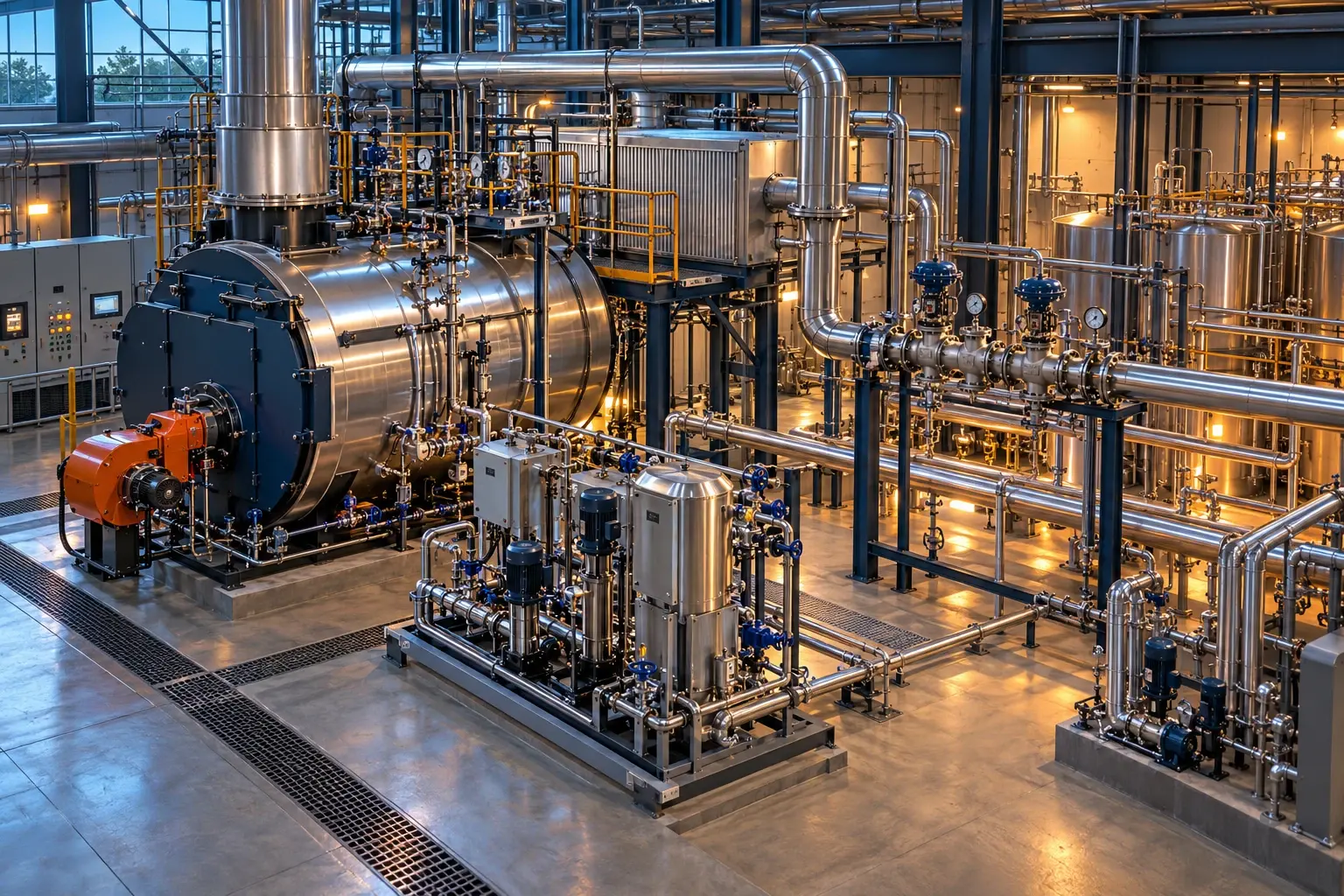
Led engineering and implementation coordination for the 350 HP boiler, economizer and feedwater skid, condensate-return rebuild, PRV-manifold redesign and pasteurizer-controls upgrade. Completed engineering study and design development for steam delivery manifold rebuild from the 4 in PRV inlet to tank steam jackets, including P&ID updates, line sizing, equipment specifications, and installation scopes. Coordinated lessons from prior condensate upgrade testing, including replacement of a 3 in condensate return and mechanical pumps with 1/2 in to 1 in return lines and 1 to 2 HP pumps. Evaluated steam supply sizing and operating pressure strategy to meet jacket demand and reduce the need for additional PRV stations.
The workstream includes boiler and steam-control repairs, electrical and controls coordination, and an AFE-ready warehouse ventilation design.
Increased available steam capacity by about 25 percent and stabilized jacket pressure to support production uptime.
Avoided approximately $15,000 per month in rental-boiler expense during peak periods by restoring in-house generation. The peak-period benefit is reported monthly.
Reduced fuel consumption through heat recovery and improved process safety by restoring automated temperature control and dependable low-pressure steam regulation.
Defined boiler-room exhaust, electrical disconnect and maintenance-access provisions to remove heat from the building and reduce the heat load in the shipping warehouse.
Reduced batch-loss and rework exposure through reliable steam control, tight isolation and temperature feedback.
Workstream covering steam and boiler system modernization across its named projects, with project-level engineering scope, capital values and operating context.
Increased available steam capacity by about 25 percent and stabilized jacket pressure to improve line uptime; The boiler business case projected approximately $15K/month in rental avoidance during peak periods through restored in-house generation; Included heat recovery with reported performance references and separate modeled energy benefits; Defined an AFE-ready ventilation scope to expel boiler-room heat to the exterior and reduce heat load within the shipping warehouse; Included forced exhaust capacity and electrical disconnect provisions to support safe operation and maintenance; Improved process safety and controllability by restoring automated temperature control and eliminating manual steam throttling on degraded piping.
Workstream Cost: 16297 K.
Bottling & Packaging Systems, Steam & Boiler Systems; Industrial Ventilation, Ductwork and Exhaust Fans, Electrical Power Feeds and Disconnects; Steam distribution and control, batch temperature control, instrumentation, insulation systems, commissioning and startup
Capital Project Lifecycle Management, Multidisciplinary Coordination; Scope Development, Contractor Coordination, AFE Development; Scope development, contractor and vendor coordination, controls coordination, safety and risk reduction, commissioning planning
ACTIVITIES IN CONTEXT
TSK-000143 · Action
Steam and Boiler System Modernization
TSK-000144 · Action
Steam and Boiler System Modernization
TSK-000145 · Action
Steam and Boiler System Modernization
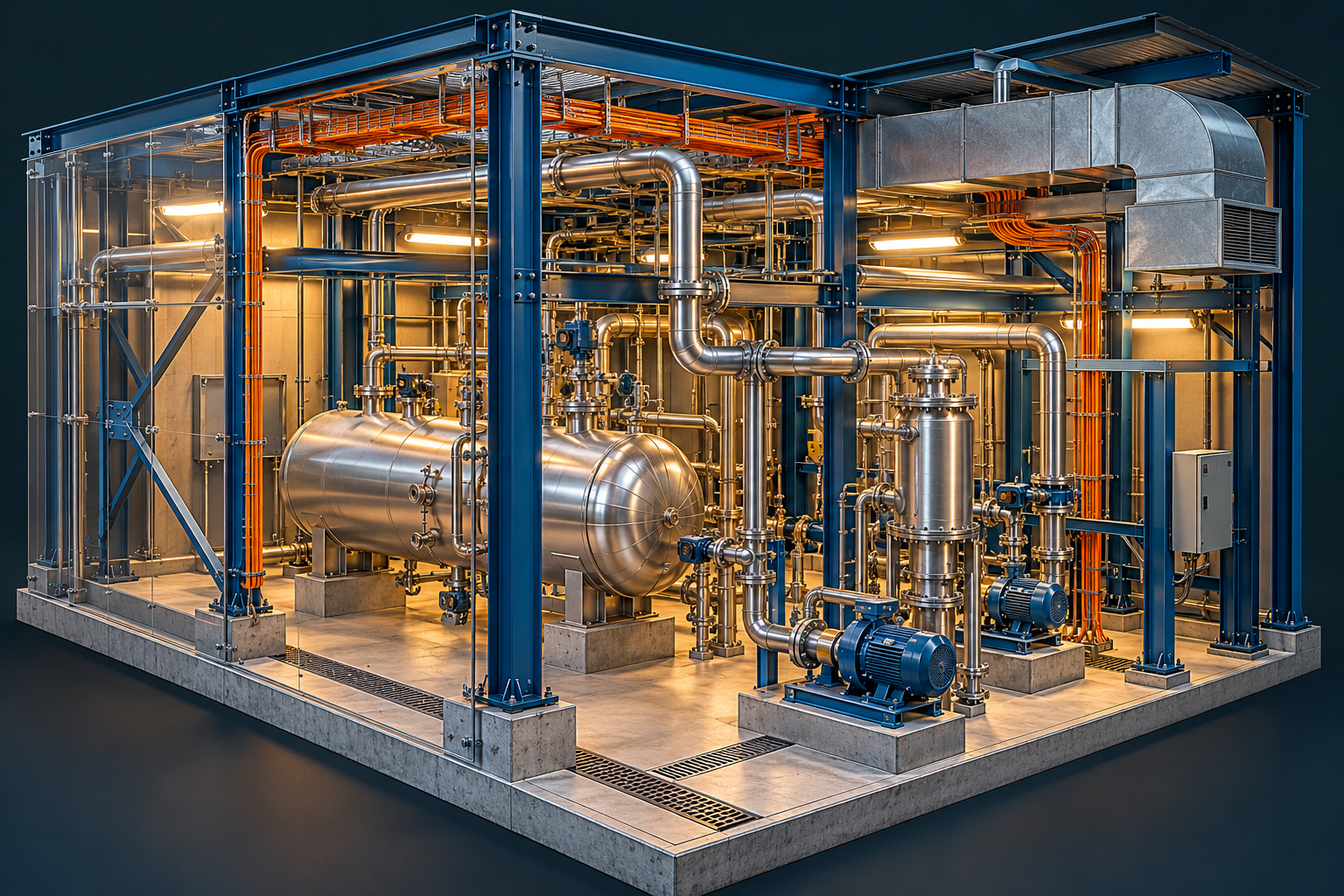
TSK-000146 · Capability scope
Steam and Boiler System Modernization
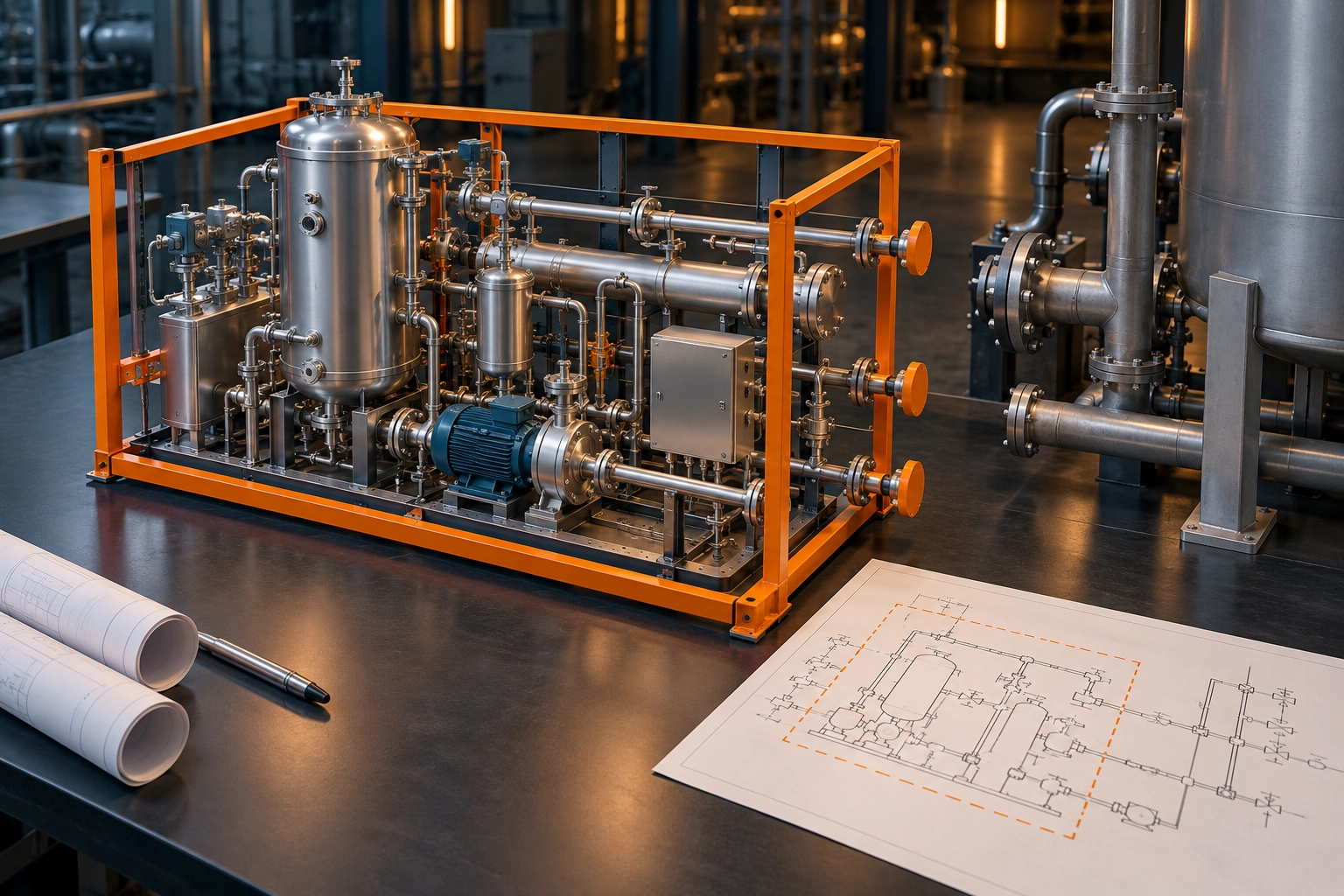
TSK-000147 · Capability scope
Steam and Boiler System Modernization
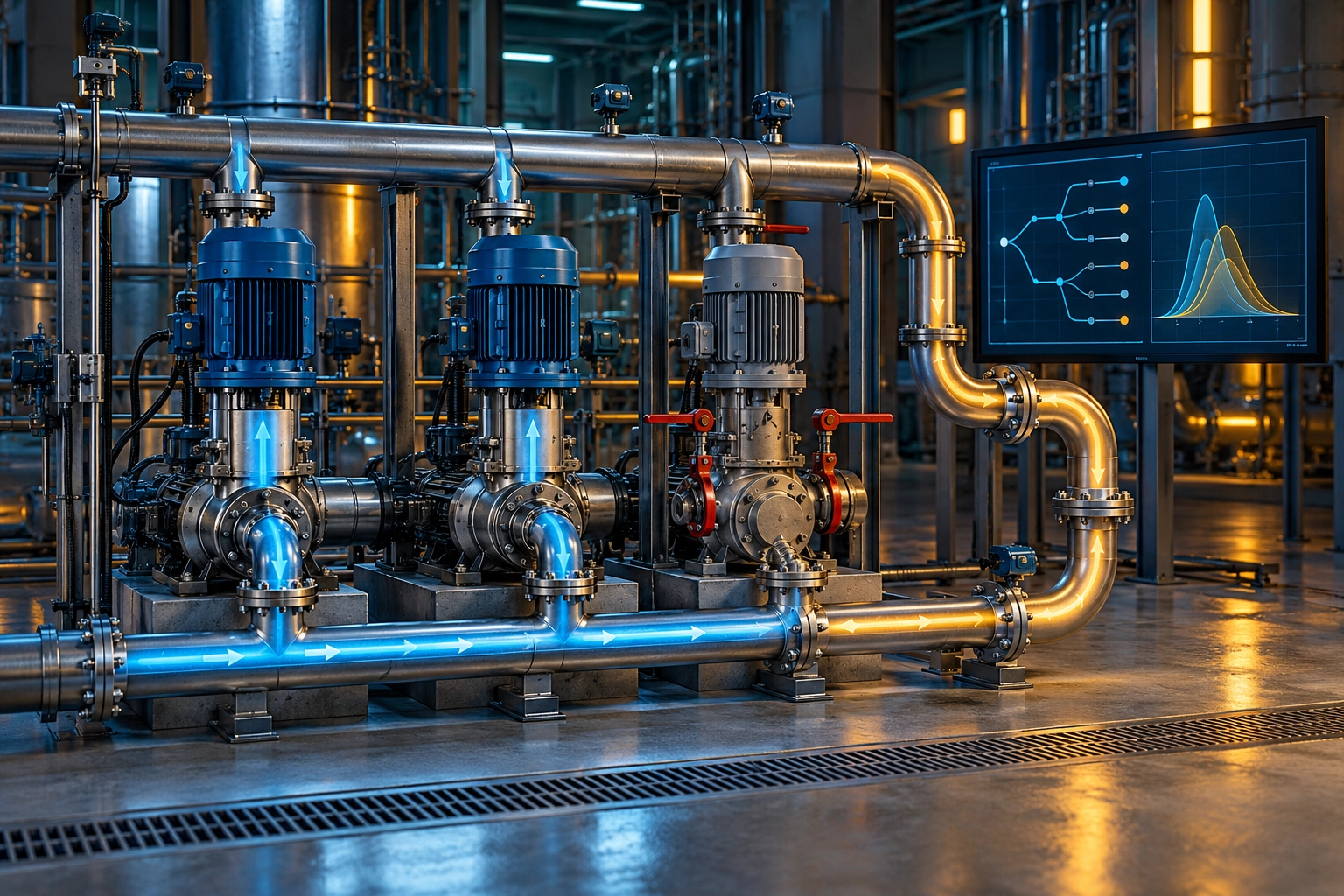
TSK-000148 · Capability scope
Steam and Boiler System Modernization
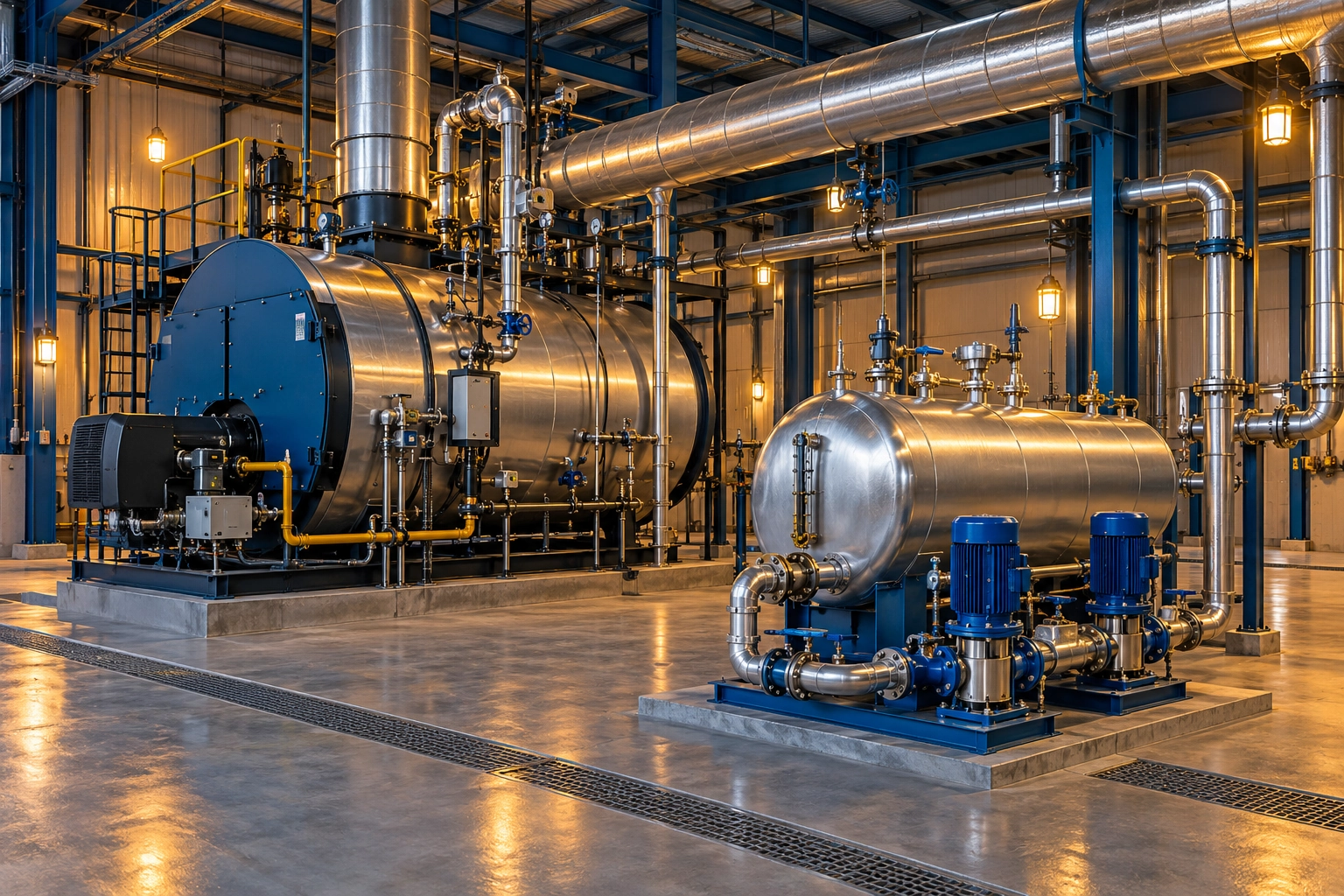
TSK-000149 · Technical context
Steam and Boiler System Modernization
TSK-000150 · Technical context
Steam and Boiler System Modernization
TSK-000151 · Technical context
Steam and Boiler System Modernization
Full lifecycle project ownership
Project Leadership
Led steam/boiler engineering and implementation coordination; developed reduction-manifold studies and carried condensate-return lessons into staged repair and utility plans.
Owned the full project lifecycle: capital planning and prioritization, need definition, feasibility and scope development, engineering and AFE justification, procurement and vendor coordination, construction sequencing and field oversight, commissioning, turnover, and post-startup support. Connected operating requirements with technical scope, funding decisions, execution readiness, and the needs of operations and maintenance.