
Capital Strategy and Business Alignment
Translate Growth Forecasts, Customer Demand, Operating Constraints, and Asset Condition into Capital Priorities
Engineering practice and documented application
 APOLLO AUTOMATIONJAMES WARREN · ENGINEERING & PROJECT LEADERSHIP
JAMES WARREN · APOLLO AUTOMATION
Engineering judgment, capital project ownership and practical operating context.
Owns the full lifecycle of capital projects, connecting safety, reliability, capacity, compliance and business impact with technical scope and execution. Capital planning includes need definition, feasibility, prioritization, AFE development, procurement, construction, commissioning, turnover and post-startup support. Funding decisions are informed by operating requirements, alternatives, interfaces and the resources needed to deliver a usable system.
Explore the specific capabilities and their connected activities.
Capital Strategy and Business Alignment
Engineering practice and documented application
Capital Strategy and Business Alignment
Engineering practice and documented application
Capital Strategy and Business Alignment
Engineering practice and documented application

Capital Strategy and Business Alignment
Engineering practice and documented application

Capital Strategy and Business Alignment
Engineering practice and documented application

Capital Strategy and Business Alignment
Engineering practice and documented application
Explore the specific capabilities and their connected activities.
Project Lifecycle, FEL, and Execution Models
Engineering practice and documented application

Project Lifecycle, FEL, and Execution Models
Engineering practice and documented application
Project Lifecycle, FEL, and Execution Models
Engineering practice and documented application

Project Lifecycle, FEL, and Execution Models
Engineering practice and documented application
Project Lifecycle, FEL, and Execution Models
Engineering practice and documented application

Project Lifecycle, FEL, and Execution Models
Engineering practice and documented application
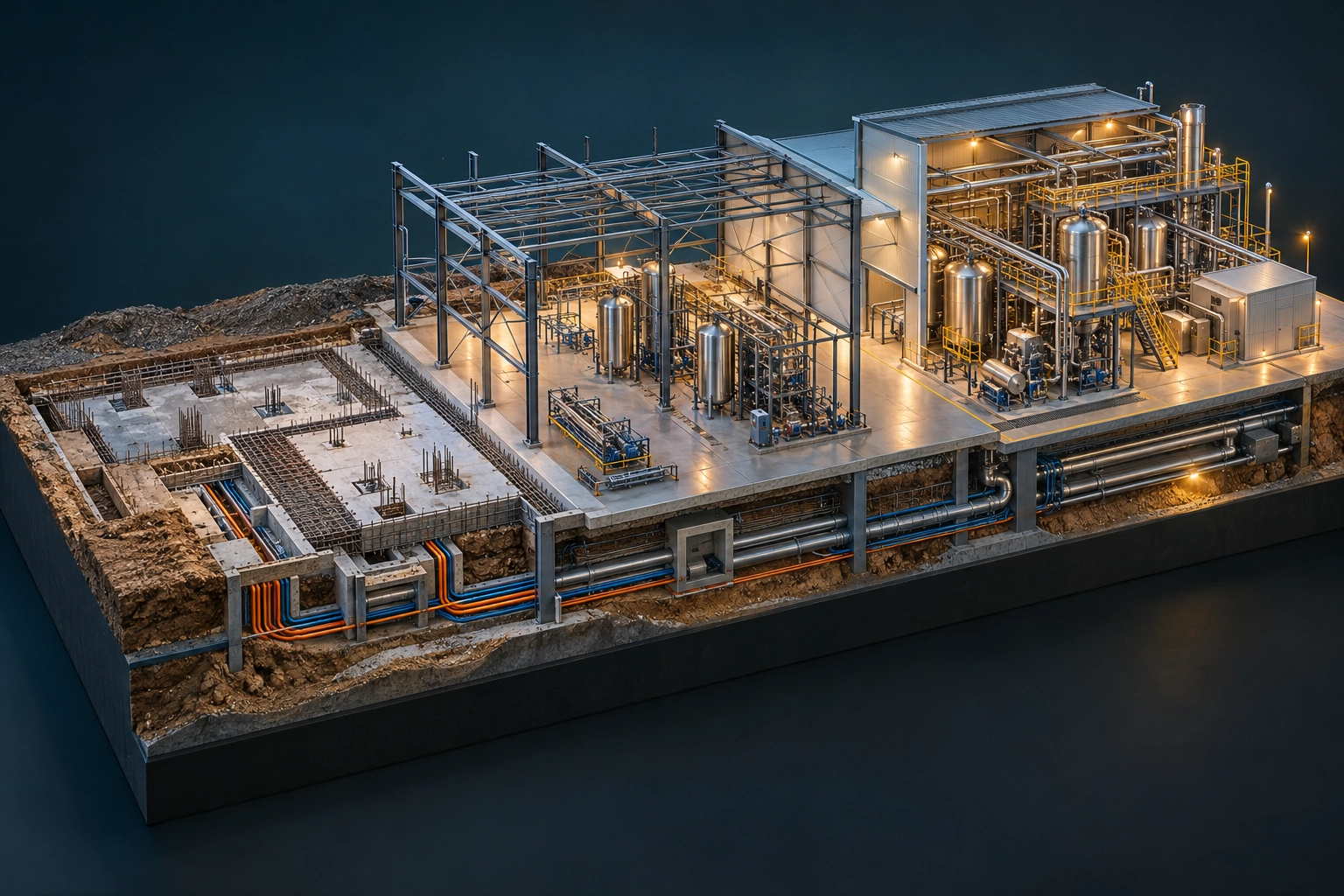
Mechanical, electrical, controls, civil and structural requirements are brought together around the operating process. Layouts, utility tie-ins, foundations, piping routes, equipment specifications and controls architecture are developed together. Design reviews and field verification turn assumptions into explicit requirements before procurement and construction.
Explore the specific capabilities and their connected activities.

Workstream, Portfolio, and Stakeholder Leadership
Engineering practice and documented application
Workstream, Portfolio, and Stakeholder Leadership
Engineering practice and documented application

Workstream, Portfolio, and Stakeholder Leadership
Engineering practice and documented application
Workstream, Portfolio, and Stakeholder Leadership
Engineering practice and documented application

Workstream, Portfolio, and Stakeholder Leadership
Engineering practice and documented application
Explore the specific capabilities and their connected activities.
Lifecycle Artifacts: Front-End and Design
Engineering practice and documented application
Lifecycle Artifacts: Front-End and Design
Engineering practice and documented application
Lifecycle Artifacts: Front-End and Design
Engineering practice and documented application
Lifecycle Artifacts: Front-End and Design
Engineering practice and documented application
Lifecycle Artifacts: Front-End and Design
Engineering practice and documented application
Lifecycle Artifacts: Front-End and Design
Engineering practice and documented application
Lifecycle Artifacts: Front-End and Design
Engineering practice and documented application
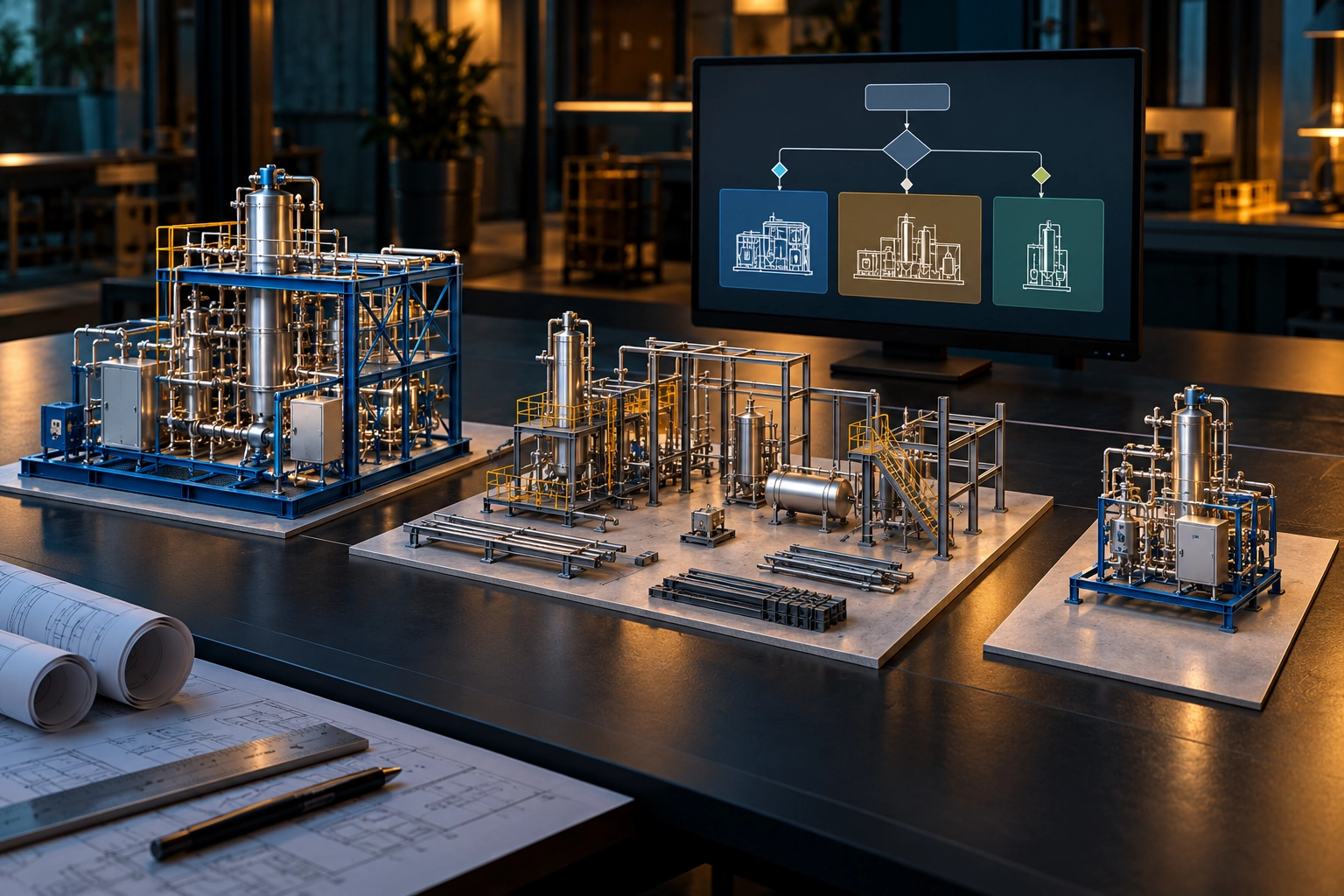
Live-plant work requires deliberate control of outages, tie-ins, contractor access, utilities, safety and sanitation. aligns mobilization, cross-trade work and inspections with production needs, resolves field conflicts, and connects installation readiness with commissioning gates and operator readiness.
Explore the specific capabilities and their connected activities.

Scheduling, Shutdowns, and Execution Sequencing
Engineering practice and documented application

Scheduling, Shutdowns, and Execution Sequencing
Engineering practice and documented application

Scheduling, Shutdowns, and Execution Sequencing
Engineering practice and documented application

Scheduling, Shutdowns, and Execution Sequencing
Engineering practice and documented application

Scheduling, Shutdowns, and Execution Sequencing
Engineering practice and documented application
Scheduling, Shutdowns, and Execution Sequencing
Engineering practice and documented application
Explore the specific capabilities and their connected activities.

Construction Management and Construction Project Delivery
Engineering practice and documented application
Construction Management and Construction Project Delivery
Engineering practice and documented application
Construction Management and Construction Project Delivery
Engineering practice and documented application
Construction Management and Construction Project Delivery
Engineering practice and documented application

Construction Management and Construction Project Delivery
Engineering practice and documented application
Construction Management and Construction Project Delivery
Engineering practice and documented application
Explore the specific capabilities and their connected activities.

Lifecycle Artifacts: Procurement and Construction
Engineering practice and documented application
Lifecycle Artifacts: Procurement and Construction
Engineering practice and documented application
Lifecycle Artifacts: Procurement and Construction
Engineering practice and documented application
Lifecycle Artifacts: Procurement and Construction
Engineering practice and documented application
Lifecycle Artifacts: Procurement and Construction
Engineering practice and documented application
Lifecycle Artifacts: Procurement and Construction
Engineering practice and documented application
Capital justification connects the need, scope, alternatives, benefits and risks with a defensible estimate. RFQs define boundaries, assumptions, exclusions, interfaces, shutdown constraints, acceptance criteria and documentation. Bid leveling compares technical compliance, delivery, serviceability and lifecycle requirements; long-lead tracking and supplier recovery plans support the execution schedule.
Explore the specific capabilities and their connected activities.

AFE and Capital-Governance Controls
Engineering practice and documented application
AFE and Capital-Governance Controls
Engineering practice and documented application

AFE and Capital-Governance Controls
Engineering practice and documented application

AFE and Capital-Governance Controls
Engineering practice and documented application
AFE and Capital-Governance Controls
Engineering practice and documented application
AFE and Capital-Governance Controls
Engineering practice and documented application
Explore the specific capabilities and their connected activities.

Estimating, Financial Control, and Expense Traceability
Engineering practice and documented application

Estimating, Financial Control, and Expense Traceability
Engineering practice and documented application

Estimating, Financial Control, and Expense Traceability
Engineering practice and documented application
Estimating, Financial Control, and Expense Traceability
Engineering practice and documented application

Estimating, Financial Control, and Expense Traceability
Engineering practice and documented application
Explore the specific capabilities and their connected activities.
Procurement, Contracts, and Supplier Coordination
Engineering practice and documented application
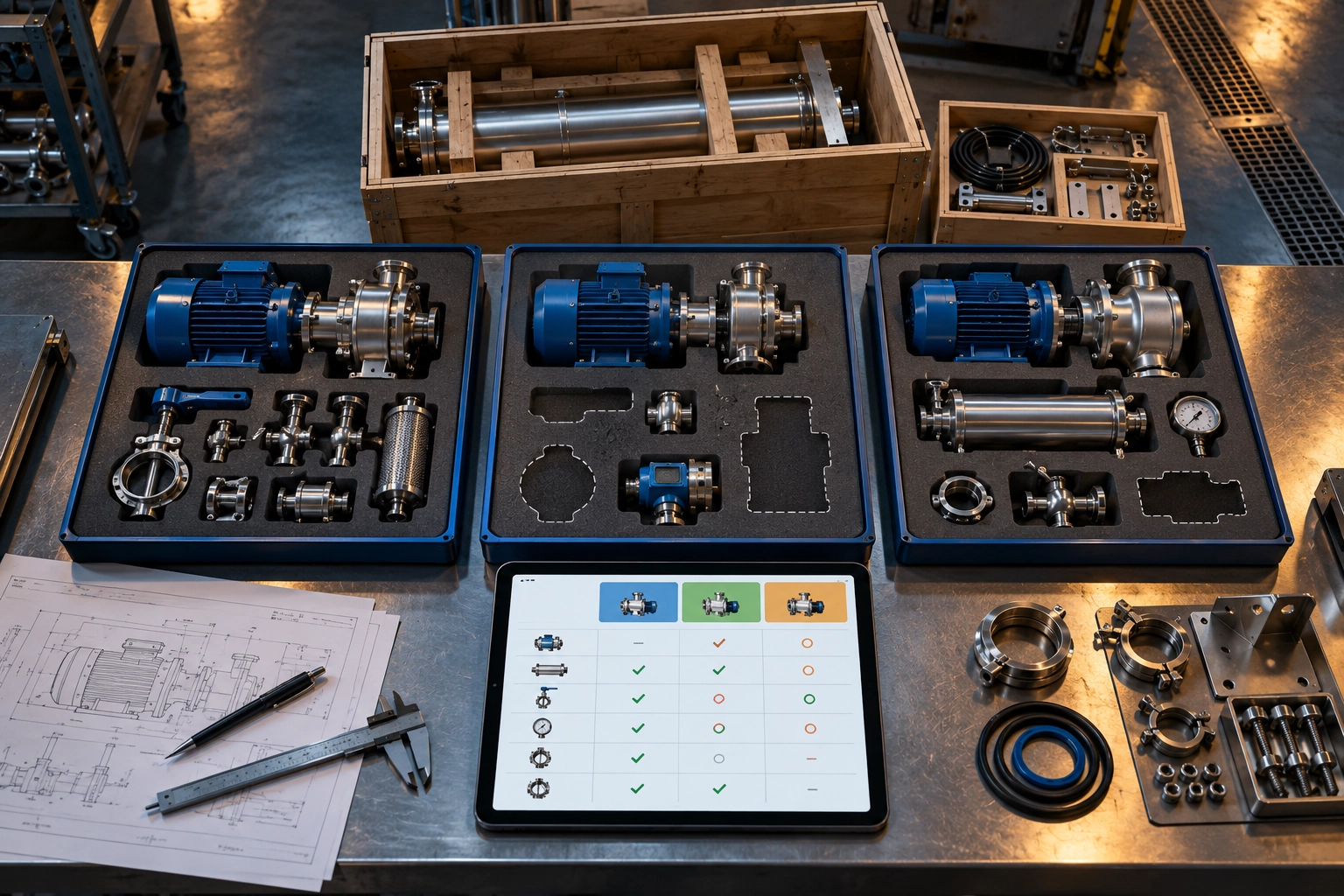
Procurement, Contracts, and Supplier Coordination
Engineering practice and documented application

Procurement, Contracts, and Supplier Coordination
Engineering practice and documented application

Procurement, Contracts, and Supplier Coordination
Engineering practice and documented application

Procurement, Contracts, and Supplier Coordination
Engineering practice and documented application

Procurement, Contracts, and Supplier Coordination
Engineering practice and documented application
Procurement, Contracts, and Supplier Coordination
Engineering practice and documented application
Explore the specific capabilities and their connected activities.

Supplier Qualification and Technology Maturity
Engineering practice and documented application

Supplier Qualification and Technology Maturity
Engineering practice and documented application

Supplier Qualification and Technology Maturity
Engineering practice and documented application

Supplier Qualification and Technology Maturity
Engineering practice and documented application

Supplier Qualification and Technology Maturity
Engineering practice and documented application
Supplier Qualification and Technology Maturity
Engineering practice and documented application
Scope, schedule, cost tracking, forecast to complete, open risks and change exposure provide a common basis for decisions. aligns executive leadership, corporate functions, plant leadership and field teams around the same requirements and priorities. Readiness reviews, risk escalation and change control keep technical decisions connected with delivery obligations.
Explore Estimating, financial control, and expense traceability capabilities ↑
Explore Scheduling, shutdowns, and execution sequencing capabilities ↑
Explore the specific capabilities and their connected activities.

Risk, Uncertainty, and Decision Support
Engineering practice and documented application
Risk, Uncertainty, and Decision Support
Engineering practice and documented application
Risk, Uncertainty, and Decision Support
Engineering practice and documented application
Risk, Uncertainty, and Decision Support
Engineering practice and documented application
Risk, Uncertainty, and Decision Support
Engineering practice and documented application
Risk, Uncertainty, and Decision Support
Engineering practice and documented application
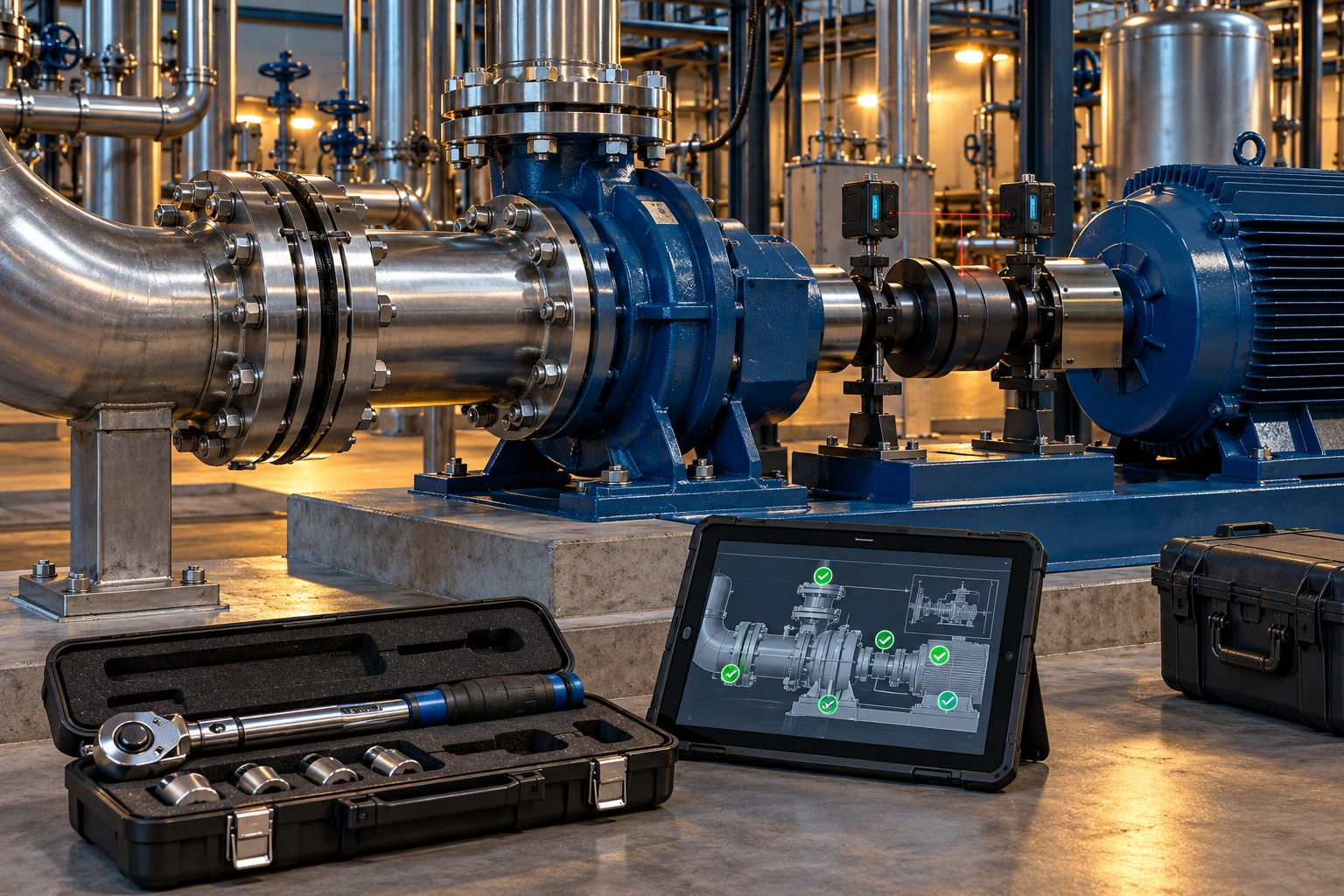
Field inspections, loop checks, interlock tests and performance verification connect installation quality with the design basis. Turnover brings together as-built information, operating and maintenance documentation, training, punch-list closure and maintenance ownership. Post-startup support closes the loop between equipment acceptance and stable operation.
Explore the specific capabilities and their connected activities.

Commissioning, Qualification, Acceptance, and Turnover
Engineering practice and documented application

Commissioning, Qualification, Acceptance, and Turnover
Engineering practice and documented application

Commissioning, Qualification, Acceptance, and Turnover
Engineering practice and documented application

Commissioning, Qualification, Acceptance, and Turnover
Engineering practice and documented application
Commissioning, Qualification, Acceptance, and Turnover
Engineering practice and documented application

Commissioning, Qualification, Acceptance, and Turnover
Engineering practice and documented application
Commissioning, Qualification, Acceptance, and Turnover
Engineering practice and documented application
Explore the specific capabilities and their connected activities.
Lifecycle Artifacts: Startup, Acceptance, and Closeout
Engineering practice and documented application
Lifecycle Artifacts: Startup, Acceptance, and Closeout
Engineering practice and documented application
Lifecycle Artifacts: Startup, Acceptance, and Closeout
Engineering practice and documented application
Lifecycle Artifacts: Startup, Acceptance, and Closeout
Engineering practice and documented application
Lifecycle Artifacts: Startup, Acceptance, and Closeout
Engineering practice and documented application
Lifecycle Artifacts: Startup, Acceptance, and Closeout
Engineering practice and documented application
SIPOC, process mapping, FMEA, root-cause analysis and control plans provide a structured way to improve recurring delivery processes. Schedule-risk analysis, three-point estimates, earned-value indicators, resource planning and trend reviews support decisions about readiness and recovery. Lessons from construction and commissioning feed back into estimating, specifications and the next project's execution plan.
Explore the specific capabilities and their connected activities.

Lean Six Sigma, Quality Systems, and Governance Maturity
Engineering practice and documented application
Lean Six Sigma, Quality Systems, and Governance Maturity
Engineering practice and documented application
Lean Six Sigma, Quality Systems, and Governance Maturity
Engineering practice and documented application
Lean Six Sigma, Quality Systems, and Governance Maturity
Engineering practice and documented application
Lean Six Sigma, Quality Systems, and Governance Maturity
Engineering practice and documented application
Lean Six Sigma, Quality Systems, and Governance Maturity
Engineering practice and documented application
Lean Six Sigma, Quality Systems, and Governance Maturity
Engineering practice and documented application
Explore the specific capabilities and their connected activities.

Data Analytics, BI, and Operational Reporting
Engineering practice and documented application
Data Analytics, BI, and Operational Reporting
Engineering practice and documented application
Data Analytics, BI, and Operational Reporting
Engineering practice and documented application
Data Analytics, BI, and Operational Reporting
Engineering practice and documented application
Data Analytics, BI, and Operational Reporting
Engineering practice and documented application
Data Analytics, BI, and Operational Reporting
Engineering practice and documented application
Explore the completed decision briefs and capability application reviews →