CASE-071 · Engineering case

Reduction Steam Delivery Manifold Redesign and PRV Optimization

Developed an engineering AFE to redesign a failing reduction steam manifold and optimize PRV control before installation funding.

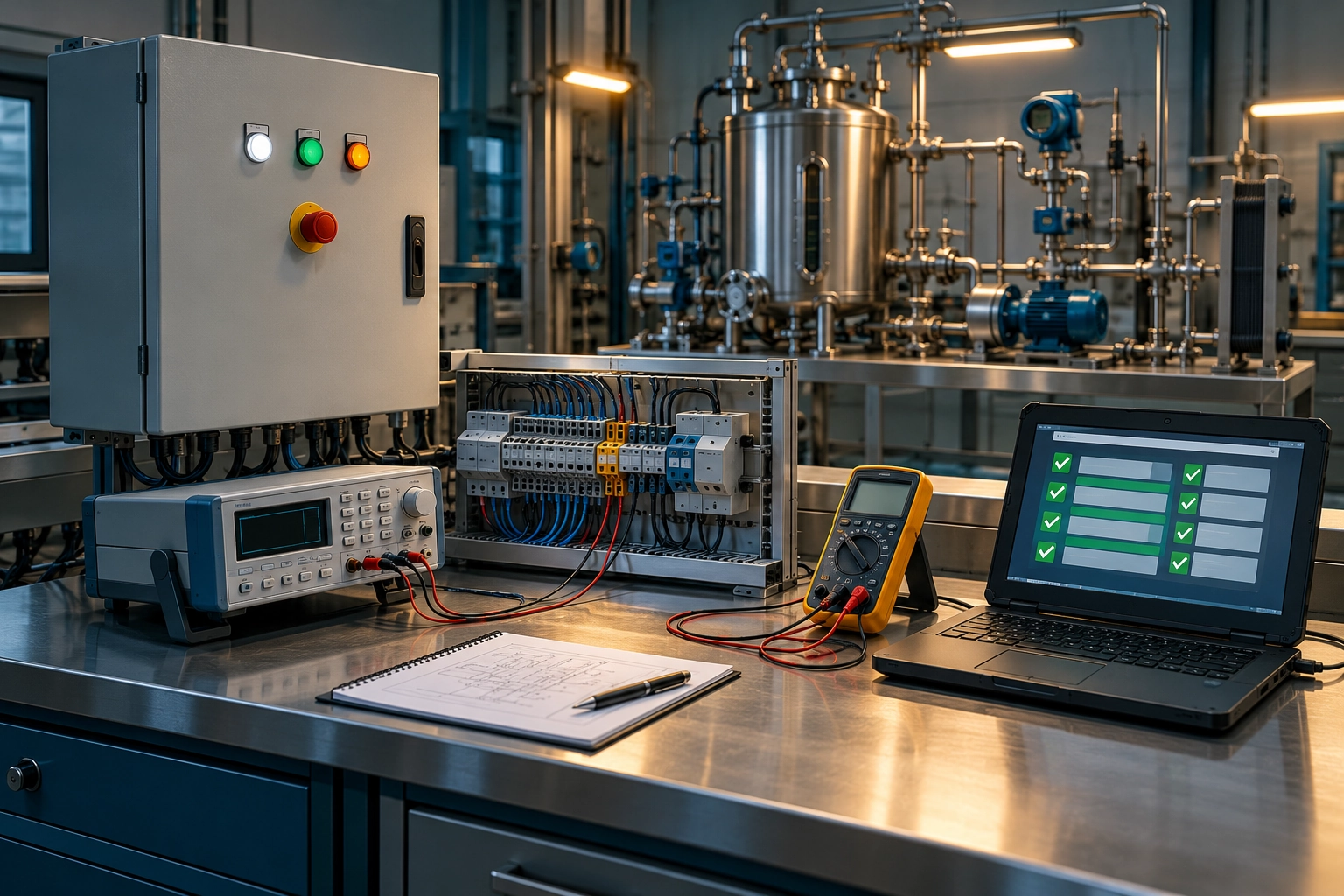
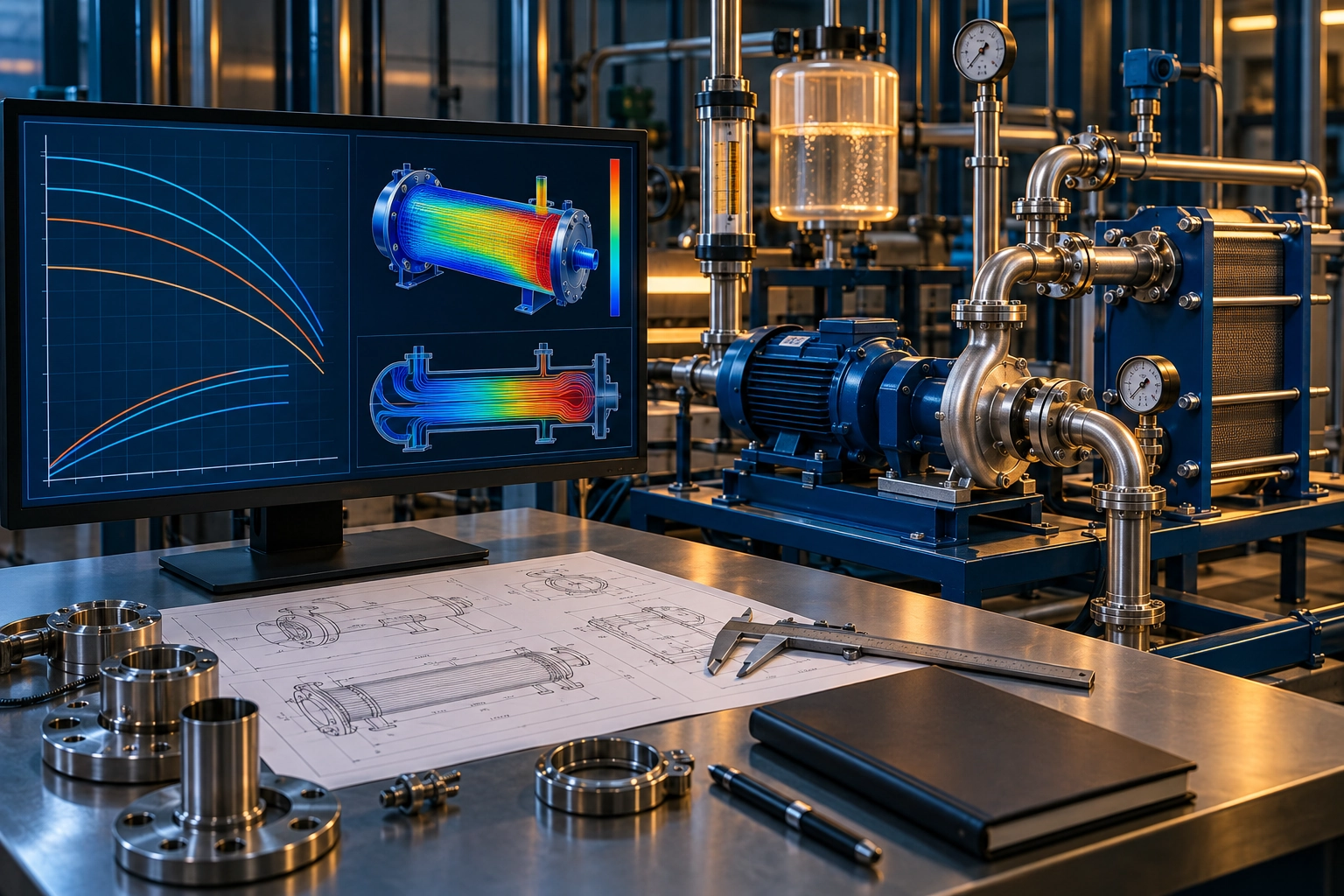
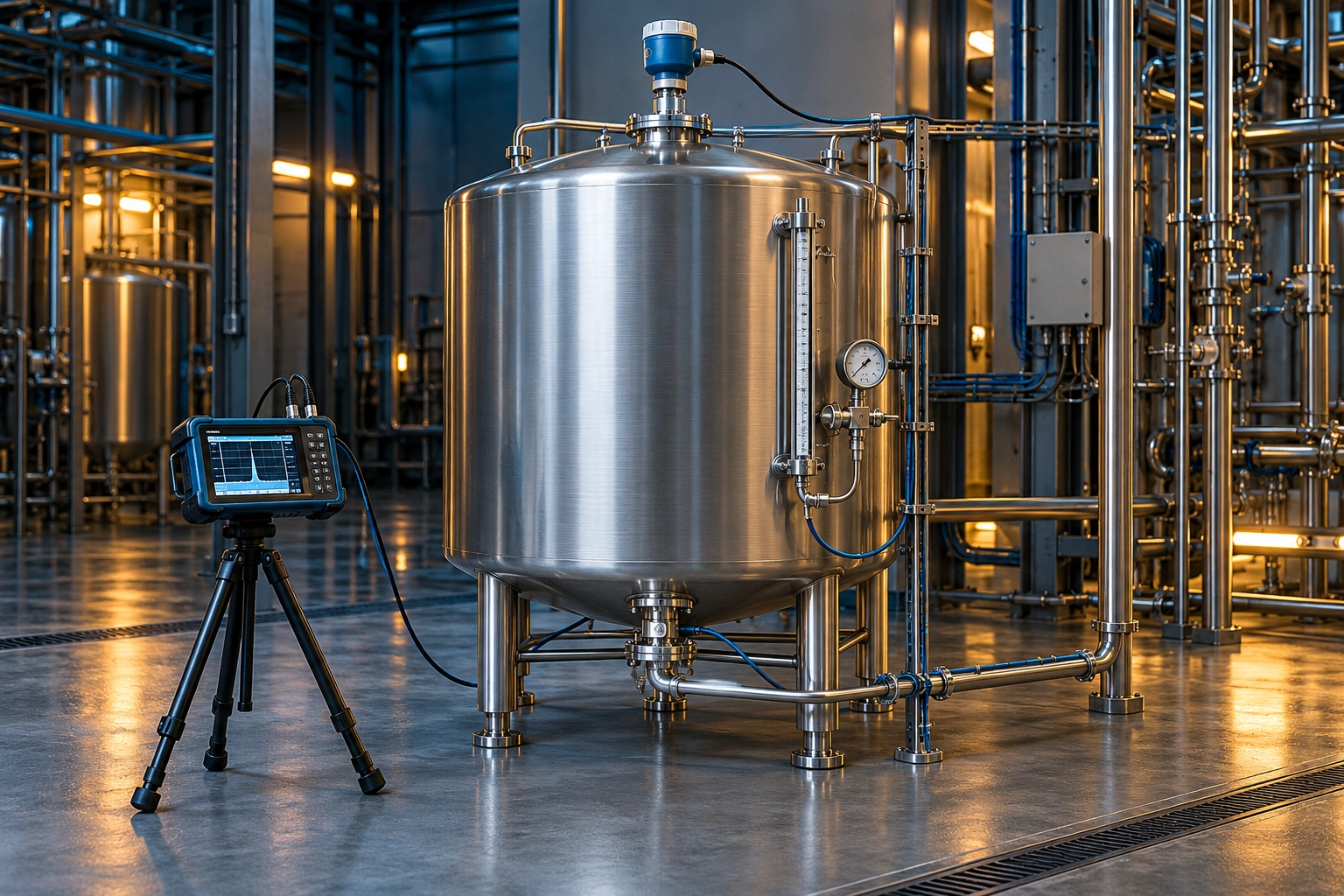
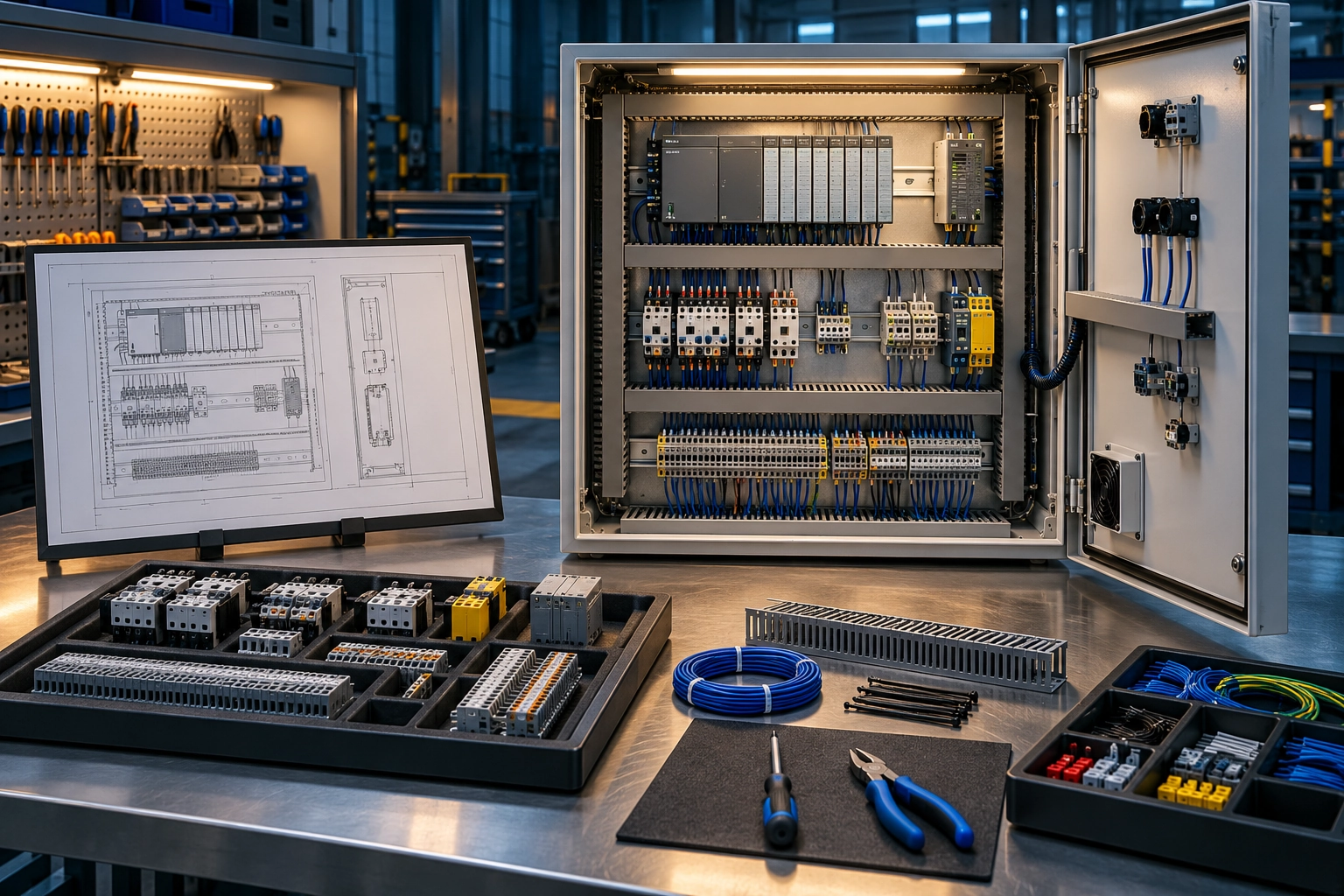
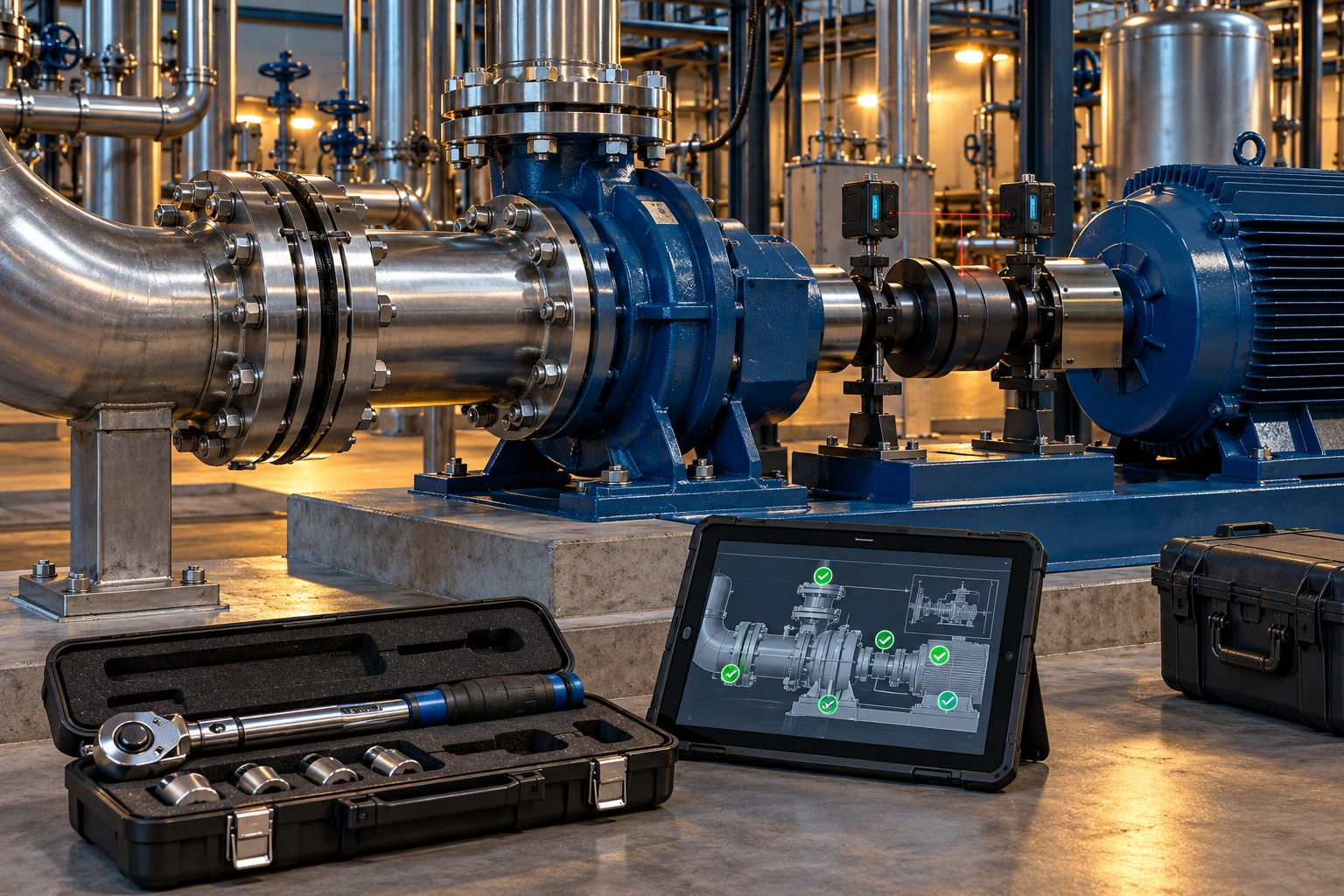
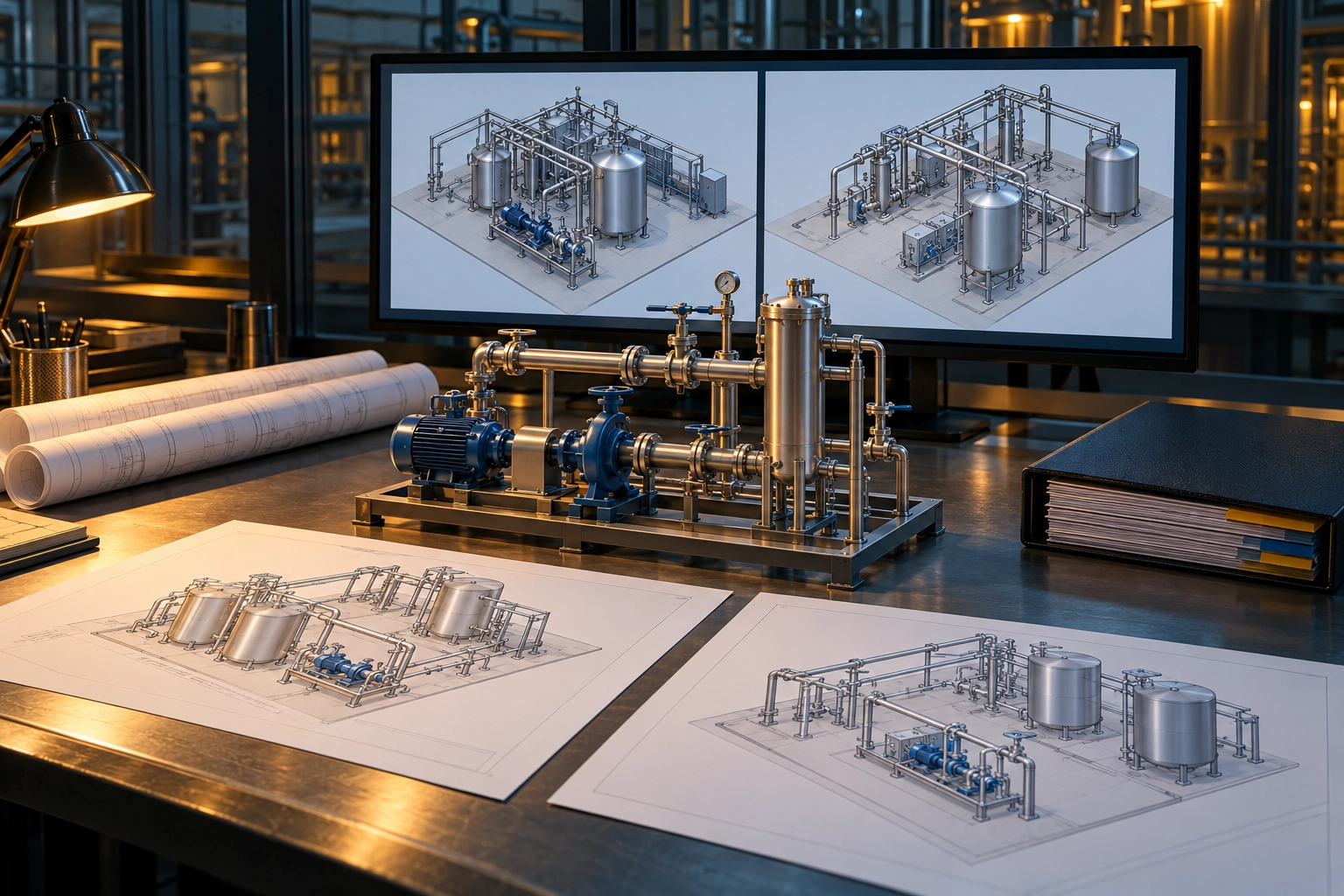
Conceptual engineering visualization: Reduction Steam Delivery Manifold Redesign and PRV Optimization
Conceptual engineering visualization · AI generated

Why the Work Mattered

Purpose and Operating Need

The plant needed engineering analysis before replacement because line size, pressure strategy, PRV selection, and jacket demand had to be validated rather than copied from the failing legacy system.

Engineering Approach

Engineering Approach

Steam-Manifold and Pressure-Reduction Engineering

Outcome & Engineering Context

Outcome and Context

Improved steam-control design readiness and PRV replacement defensibility.

Workstream Results & Impact

Workstream Portfolio Rollup

16,297,000 USD

Steam and Boiler System Modernization

Recorded workstream portfolio reference. This is the workstream-level value and is not a project expenditure or a new total of reassigned projects.

Measures & Operating Detail

MeasureValueType & meaningAttribution & operating context
Initial Jacket Steam Pressure20 psiDesign Parameter
Pressure-analysis basis

Applies to: Reduction Steam Delivery Manifold Redesign and PRV Optimization

Initial batch heating — 20 psi for 1-2 hours

Initial Heating Period1 to 2 hoursDesign Parameter
Pressure-analysis basis

Applies to: Reduction Steam Delivery Manifold Redesign and PRV Optimization

20 psi initial heating — 20 psi for 1-2 hours

Maintenance Jacket Steam Pressure8 to 10 psiDesign Parameter
Pressure-analysis basis

Applies to: Reduction Steam Delivery Manifold Redesign and PRV Optimization

Remainder of two-day batch — 8-10 psi for remainder of two-day batch

Condensate-Pump Power Range1 to 2 HPEquipment Rating
Equipment reference

Applies to: Reduction Steam Delivery Manifold Redesign and PRV Optimization

1-2 HP condensate pumps.

Existing PRV Inlet Diameter4 inBaseline
Existing condition

Applies to: Reduction Steam Delivery Manifold Redesign and PRV Optimization

Existing PRV Inlet Diameter

Jacket Supply Line Diameter Under Evaluation3 inDesign Parameter
Design question

Applies to: Reduction Steam Delivery Manifold Redesign and PRV Optimization

Open steam-system engineering question before installation funding — Jacket supply line diameter under evaluation

Pressure Alternative Under Evaluation> 10 psiDesign Parameter
Design question

Applies to: Reduction Steam Delivery Manifold Redesign and PRV Optimization

Open steam-system engineering question before installation funding — Pressure alternative under evaluation

Reported Valve and Pipe Erosion Exposure10 yearBaseline
Condition history

Applies to: Reduction Steam Delivery Manifold Redesign and PRV Optimization

Reported Valve and Pipe Erosion Exposure

PRV Operating-Pressure Range20 to 100 psiHistorical/Reference Value
Operating-profile reference

Applies to: Reduction Steam Delivery Manifold Redesign and PRV Optimization

Steam and condensate study — Operating range considered in the PRV and jacket-supply study.

Batch Duration for Steam-Pressure Profile2 dayHistorical/Reference Value
Operating-profile reference

Applies to: Reduction Steam Delivery Manifold Redesign and PRV Optimization

Steam and condensate study — Batch duration for the initial heating and lower-pressure holding stages.

Prior Condensate Return Diameter3 inBaseline
Prior equipment condition

Applies to: Reduction Steam Delivery Manifold Redesign and PRV Optimization

Steam and condensate study — Diameter of the condensate return discussed in prior upgrade lessons.

Replacement Condensate Return Diameter0.5 to 1 inHistorical/Reference Value
Prior upgrade reference

Applies to: Reduction Steam Delivery Manifold Redesign and PRV Optimization

Steam and condensate study — Smaller condensate-return sizes considered with 1–2 HP pumps.

Engineering scope and design basis

Defined the engineering and repair approach to address pipe erosion, valve wear, high noise, poor low-pressure control, and unsafe manual operation, while reducing the risk of premature installation decisions.

Improved steam-system engineering readiness, measured by evaluation of the 4 in PRV inlet, legacy 3 in steam supply, 20 psi initial jacket steam period, 8-10 psi maintenance period, and two-day batch duty, by developing P&ID, line-sizing, PRV, equipment-specification, and installation-scope deliverables before capital installation.

4 in PRV inlet; 3 in legacy steam supply; 20 psi for 1-2 hours; 8-10 psi for remainder of two-day batch; 1/2in to1 in condensate return lines; 1-2 HP condensate pumps.

Actions, Methods & Controls

ACTIVITIES IN CONTEXT

Additional Technical Detail

Roles & contributions
  • Project Ownership

    Full lifecycle project ownership

    Owned the full project lifecycle: capital planning and prioritization, need definition, feasibility and scope development, engineering and AFE justification, procurement and vendor coordination, construction sequencing and field oversight, commissioning, turnover, and post-startup support. Connected operating requirements with technical scope, funding decisions, execution readiness, and the needs of operations and maintenance.

Workstream context
Additional technical detail
Explore 8 detail records
  • Steam-pressure operating profile

    The steam study describes a 4-inch PRV operating across 20–100 psi, about 20 psi at jackets for 1–2 hours, followed by 8–10 psi through a two-day batch. Noise, valve wear and pipe erosion informed PRV replacement coordination. Prior condensate lessons compared a 3-inch return and mechanical pumps with 0.5–1-inch returns and 1–2 HP pumps.

  • Sanitary and aseptic: Engineering-study scope

    Objective: obtain engineering AFE funding for P&ID development, line sizing, equipment specifications, and installation scope, and assess PRV replacement to reduce noise and improve efficiency.

  • Sanitary and aseptic: Engineering-study scope

    Existing condition: a 4-inch PRV inlet serving tank steam jackets, condensate return, and pressure-control challenges.

  • Sanitary and aseptic: Engineering-study scope

    High-priority redesign questions: whether a 3-inch supply is needed to both tank jackets, whether pressure above 10 psi could reduce piping and eliminate a second PRV, and what materials would mitigate wear/erosion.

  • Sanitary and aseptic: Engineering-study scope

    PRV issues stated: noise, significant valve and pipe erosion over 10 years, and difficulty with precise low-pressure control.

  • Sanitary and aseptic: Engineering-study scope

    Options: retain a 3-inch line with PRV or downsize to actual demand; evaluate new or remanufactured PRV.

  • Sanitary and aseptic: Engineering-study scope

    Deliverables: P&ID, engineering report, specification list, installation SOW, and estimate.

  • Sanitary and aseptic: Engineering-study scope

    Next steps: engineering AFE, engage controls integrator, finalize P&ID/specifications, and raise a separate installation AFE.

All portfolio connections
Project ownership and delivery context

Owned the full project lifecycle: capital planning and prioritization, need definition, feasibility and scope development, engineering and AFE justification, procurement and vendor coordination, construction sequencing and field oversight, commissioning, turnover, and post-startup support. Connected operating requirements with technical scope, funding decisions, execution readiness, and the needs of operations and maintenance.

Investigated retrofit alternatives and coordinated piping repair, insulation, control valves, RTDs and commissioning. Restoring automated temperature control linked mechanical integrity with process safety and consistent operation, replacing the need to manage temperature through manual steam throttling.
Related analysis and application artifacts
Connected collections

WHAT COMES NEXT

Complex Challenge?
Let’s Work Through It.

Engineering leadership, capital projects, and independent consulting.

Start a conversation ↗