A6-ACT-014 · Action
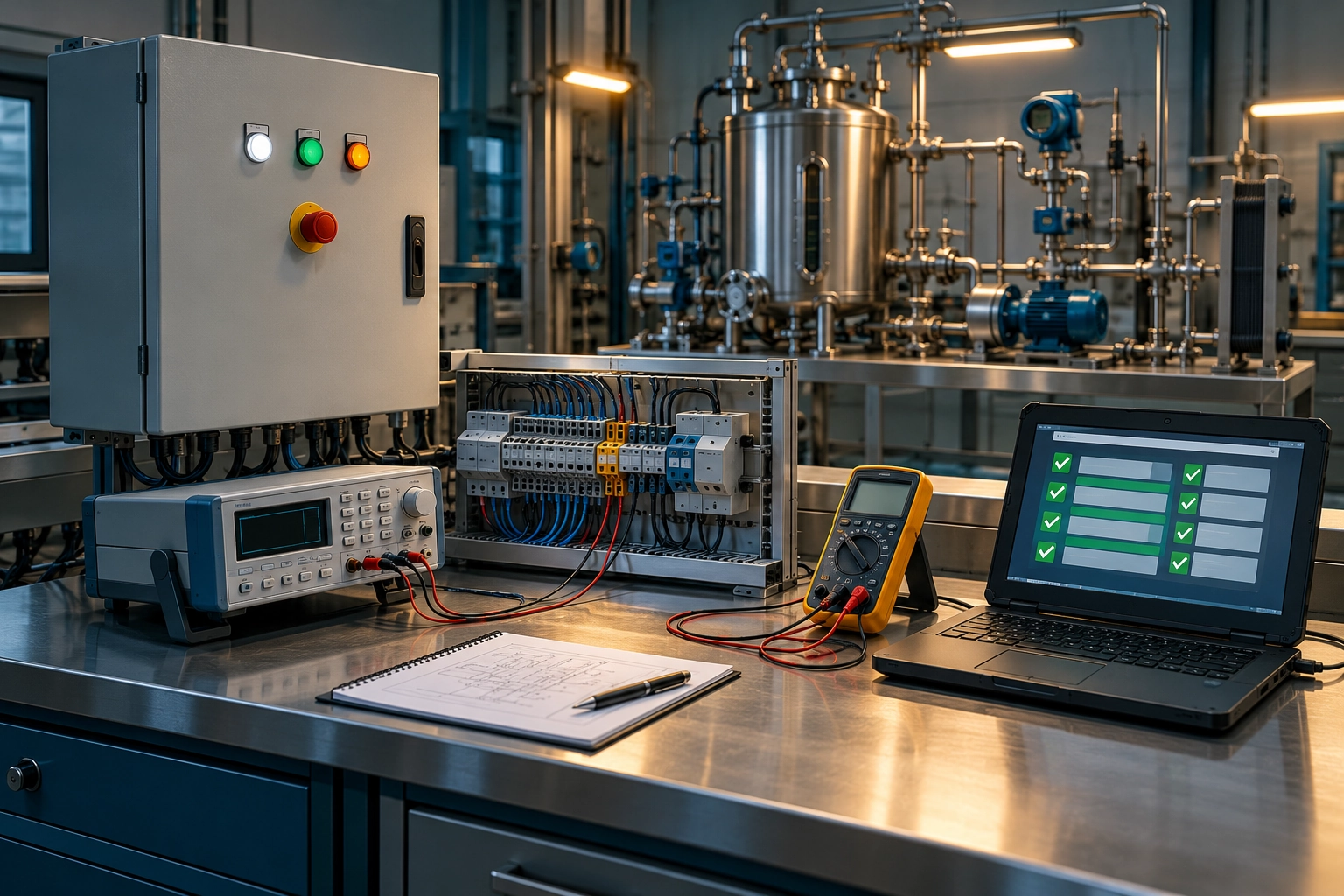
Define Motor-Current Trending Against Percent Full-Load Amperage
A6 Acetator Workstream Updates and Inspection Protocol
 APOLLO AUTOMATIONJAMES WARREN · ENGINEERING & PROJECT LEADERSHIP
CASE-011 · Engineering case
Converted a low grain-conversion event into a structured acetator troubleshooting, controls-update, and mechanical-inspection protocol.
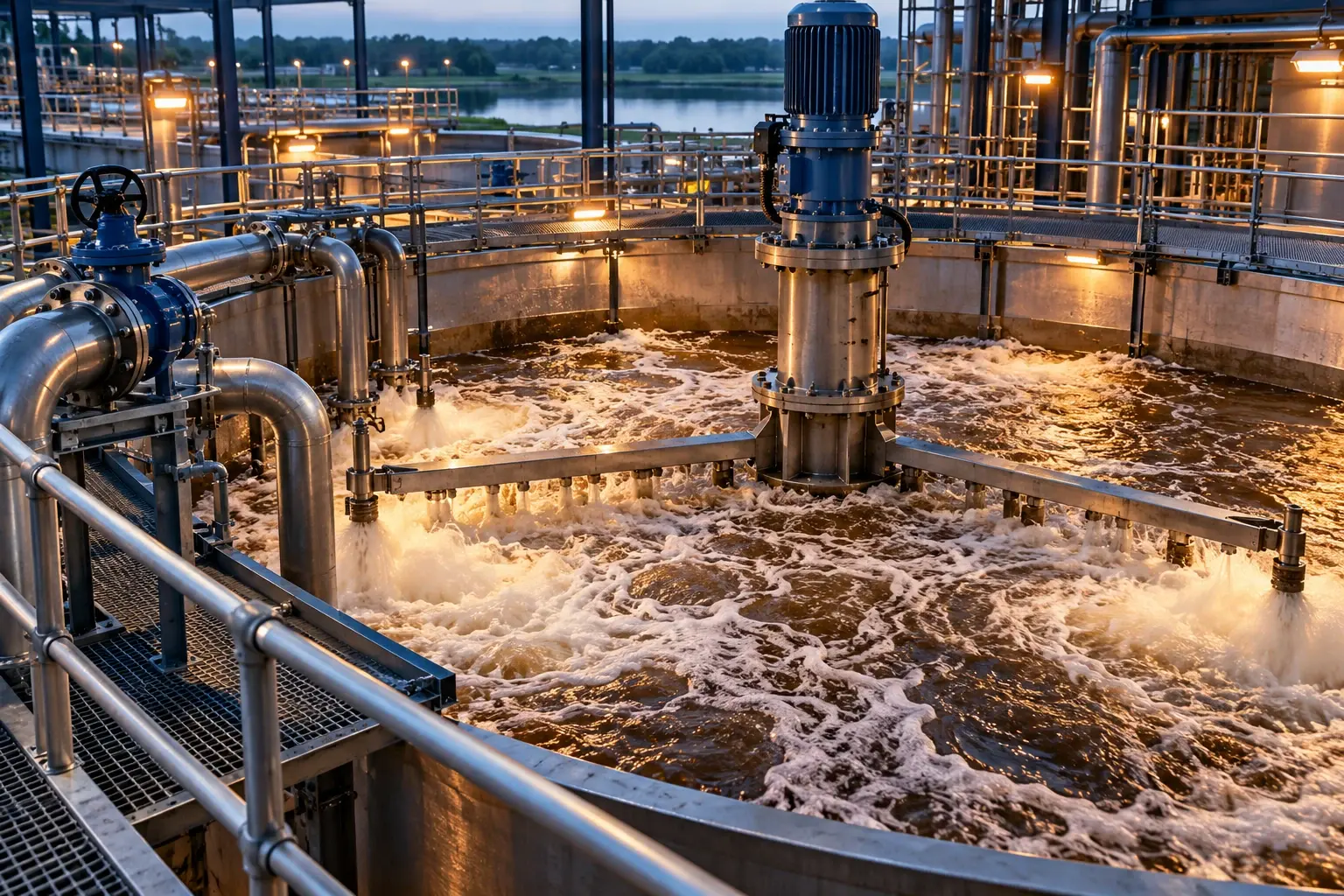
A6 performance dropped after reseeding from A5 following a cooling-pump VFD fault, foaming, and loss of several thousand gallons, so the response had to separate biological/process effects from mechanical aeration problems.
Compared HMI airflow against manual meter readings, converted CFM to m3/hr, compared expected versus measured airflow, checked bearing temperatures with thermal imaging, inspected noise and shaft wobble, ruled out visibly open inlet air valves and apparent RPM differences, and recommended tank drainage, ventilation, internal aerator inspection, seal/coupling checks, motor-bearing PM review, alarm/trend updates, and operator monitoring.
Improved acetator troubleshooting, controls monitoring, and recommissioning readiness.
Workstream Portfolio Rollup
66,885,000 USD
Vinegar Acetation and Fermentation-Support Modernization
Recorded workstream portfolio reference. This is the workstream-level value and is not a project expenditure or a new total of reassigned projects.
| Measure | Value | Type & meaning | Attribution & operating context |
|---|---|---|---|
| Grain Conversion | 2.8 grain | Target Expected | Applies to: Investigate declining grain conversion |
| Grain Conversion | 1.7 to 1.8 grain | Observation Observed range | Applies to: Investigate declining grain conversion |
| Airflow | 198 CFM | Observation Manual measured | Applies to: Compare HMI airflow with manual meter readings A6 airflow and bearing-temperature investigation |
| Airflow | approximately 335 m3/h | Observation Manual equivalent | Applies to: Compare HMI airflow with manual meter readings A6 airflow and bearing-temperature investigation — Recorded approximate metric-unit equivalent of the 198 CFM manual airflow reading; retain the recorded 335 m3/h value. |
| Airflow | 320 m3/h | Observation HMI displayed | Applies to: Compare HMI airflow with manual meter readings A6 airflow and bearing-temperature investigation |
| HMI/Manual Deviation | -4 to 4 % | Observation Reported band | Applies to: Compare HMI airflow with manual meter readings A6 airflow and bearing-temperature investigation — Reported HMI-to-manual comparison band; retained as the source-reported band rather than a newly calculated percentage. |
| Airflow | 280 CFM | Target Expected | Applies to: Compare expected and measured airflow A6 airflow and bearing-temperature investigation |
| Airflow | approximately 475 m3/h | Target Expected equivalent | Applies to: Compare expected and measured airflow A6 airflow and bearing-temperature investigation — Recorded approximate metric-unit equivalent of the 280 CFM expected airflow reference; retain the recorded 475 m3/h value. |
| Airflow Deficit | approximately 30 % | Observation Observed airflow deficit | Applies to: Compare expected and measured airflow A6 airflow and bearing-temperature investigation — Approximately 30% below expected airflow during the A6 investigation; this is a diagnosed shortfall, not an achieved improvement. |
| Bearing Temperature | 150 degF | Observation thermal imaging verified | Applies to: Check bearing temperature with thermal imaging A6 airflow and bearing-temperature investigation |
| Bearing Temperature | 130 degF | Baseline Comparison asset | Applies to: Check bearing temperature with thermal imaging A6 airflow and bearing-temperature investigation — A5 bearing temperature used as the comparison equipment reading; separate from the A6 150 degF reading. |
Improved root-cause clarity, operator monitoring, alarm coverage, maintenance PM discipline, and readiness for internal inspection before returning A6 to service.
Improved A6 troubleshooting accuracy, measured by 198 CFM / 335 m3/hr measured airflow versus 280 CFM / 475 m3/hr expected airflow, grain conversion decline from 2.8+ to 1.7-1.8, and bearing-temperature validation at 150 F on A6 versus 130 F on A5, by linking airflow analysis, thermal imaging checks, operator trends, PM review, and planned internal aerator inspection.
198 CFM / 335 m3/hr measured airflow; 320 m3/hr HMI airflow; +/-4 percent HMI-to-manual deviation; 30 percent airflow deficit; expected 2.8 grain conversion; actual 1.7-1.8; A6 bearing 150 F; A5 bearing 130 F; alarm recommendation at 230 F.
Used airflow verification and thermal imaging checks to define trend corrections, amp-load monitoring, bearing-alarm settings, operator checklists, PM review and the planned tank-entry, fiber-seal and acetator-coupling inspection protocol.
A6-ACT-014 · Action
A6 Acetator Workstream Updates and Inspection Protocol
A6-ACT-016 · Control
A6 Acetator Workstream Updates and Inspection Protocol
A6-ACT-017 · Action
A6 Acetator Workstream Updates and Inspection Protocol
A6-ACT-022 · Action
A6 Acetator Workstream Updates and Inspection Protocol
A6-ACT-023 · Method
A6 Acetator Workstream Updates and Inspection Protocol
A6-ACT-024 · Method
A6 Acetator Workstream Updates and Inspection Protocol
A6-ACT-025 · Action
A6 Acetator Workstream Updates and Inspection Protocol
A6-ACT-027 · Action
A6 Acetator Workstream Updates and Inspection Protocol
A6-ACT-029 · Action
A6 Acetator Workstream Updates and Inspection Protocol
A6-ACT-030 · Action
A6 Acetator Workstream Updates and Inspection Protocol
A6-ACT-031 · Method
A6 Acetator Workstream Updates and Inspection Protocol
ACTIVITIES IN CONTEXT
A6-ACT-001 · Action
A6 Acetator Low Grain Conversion and Airflow Investigation
A6-ACT-002 · Action
A6 Acetator Low Grain Conversion and Airflow Investigation
A6-ACT-003 · Method
A6 Acetator Low Grain Conversion and Airflow Investigation
A6-ACT-004 · Method
A6 Acetator Low Grain Conversion and Airflow Investigation
A6-ACT-005 · Method
A6 Acetator Low Grain Conversion and Airflow Investigation
A6-ACT-006 · Method
A6 Acetator Low Grain Conversion and Airflow Investigation
A6-ACT-007 · Method
A6 Acetator Low Grain Conversion and Airflow Investigation
A6-ACT-008 · Method
A6 Acetator Low Grain Conversion and Airflow Investigation
A6-ACT-009 · Action
A6 Acetator Low Grain Conversion and Airflow Investigation
A6-ACT-010 · Action
A6 Acetator Low Grain Conversion and Airflow Investigation
A6-ACT-011 · Action
A6 Acetator Low Grain Conversion and Airflow Investigation
A6-ACT-012 · Action
A6 Acetator Low Grain Conversion and Airflow Investigation
Full lifecycle project ownership
Direct Work
Compared airflow readings and unit conversions, checked bearing temperatures with thermal imaging and inspected external mechanical symptoms; developed the follow-up monitoring, PM and internal-inspection protocol.
Owned the full project lifecycle: capital planning and prioritization, need definition, feasibility and scope development, engineering and AFE justification, procurement and vendor coordination, construction sequencing and field oversight, commissioning, turnover, and post-startup support. Connected operating requirements with technical scope, funding decisions, execution readiness, and the needs of operations and maintenance.
The temperature comparison relates an invalid 617°F display to a 150°F thermal-imaging reference. The 4,000-gallon startup loading question remains unresolved.
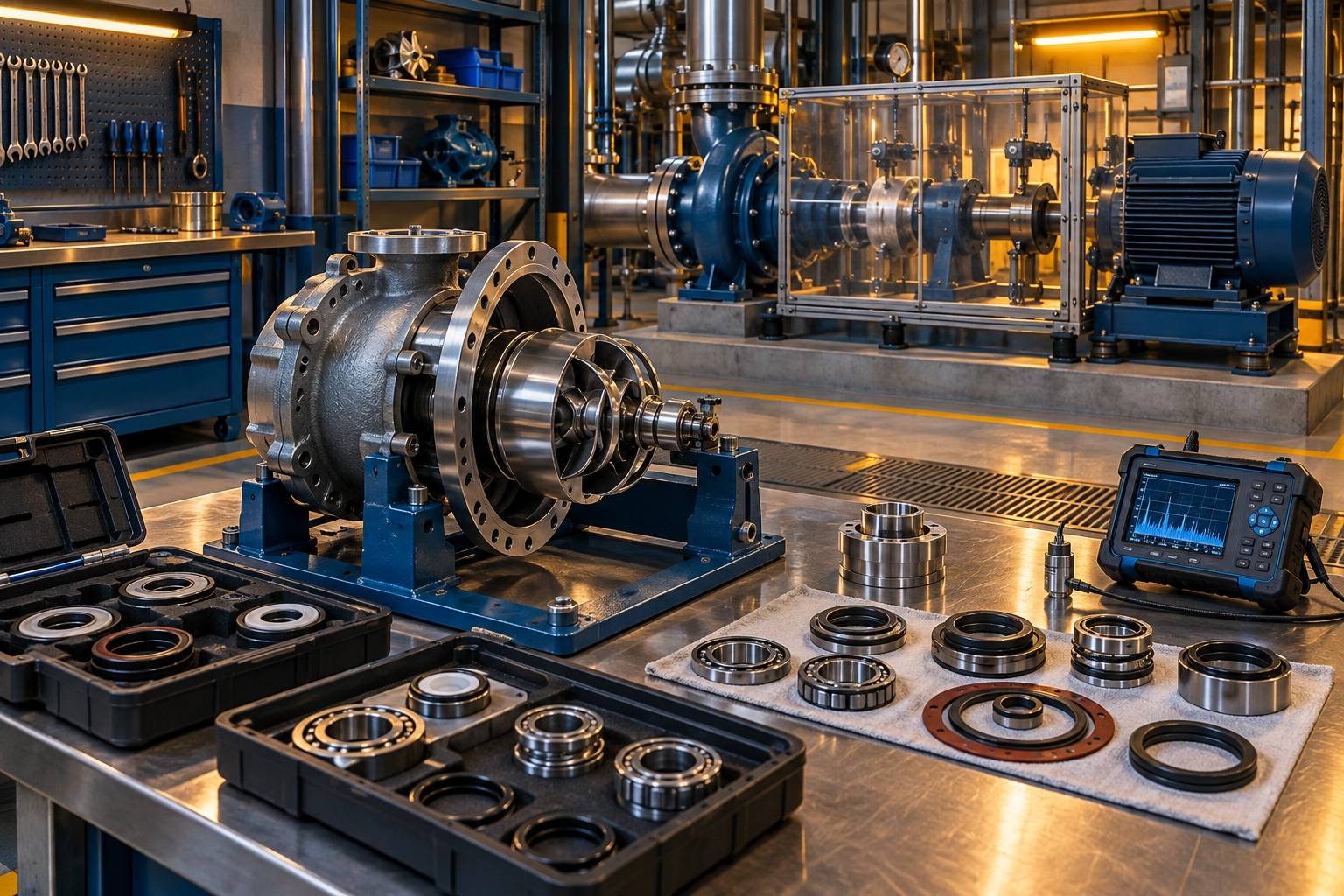
Defined the A6 tank-preparation and internal-inspection protocol, including drainage, rinsing, ventilation, and component-inspection actions.