TSK-000011 · Method
Coordinated Installation of Scrubber Columns, Recovery Systems, Tanks, Exhaust Fans, Constant-Pressure Pumping and Control Interfaces
VOC Scrubber Systems
 APOLLO AUTOMATIONJAMES WARREN · ENGINEERING & PROJECT LEADERSHIP
CASE-002 · Workstream overview
An overview of the related projects, technical interfaces and outcomes within this workstream.
Project scope and individual work packages are presented separately; project totals are not additive to their component values.
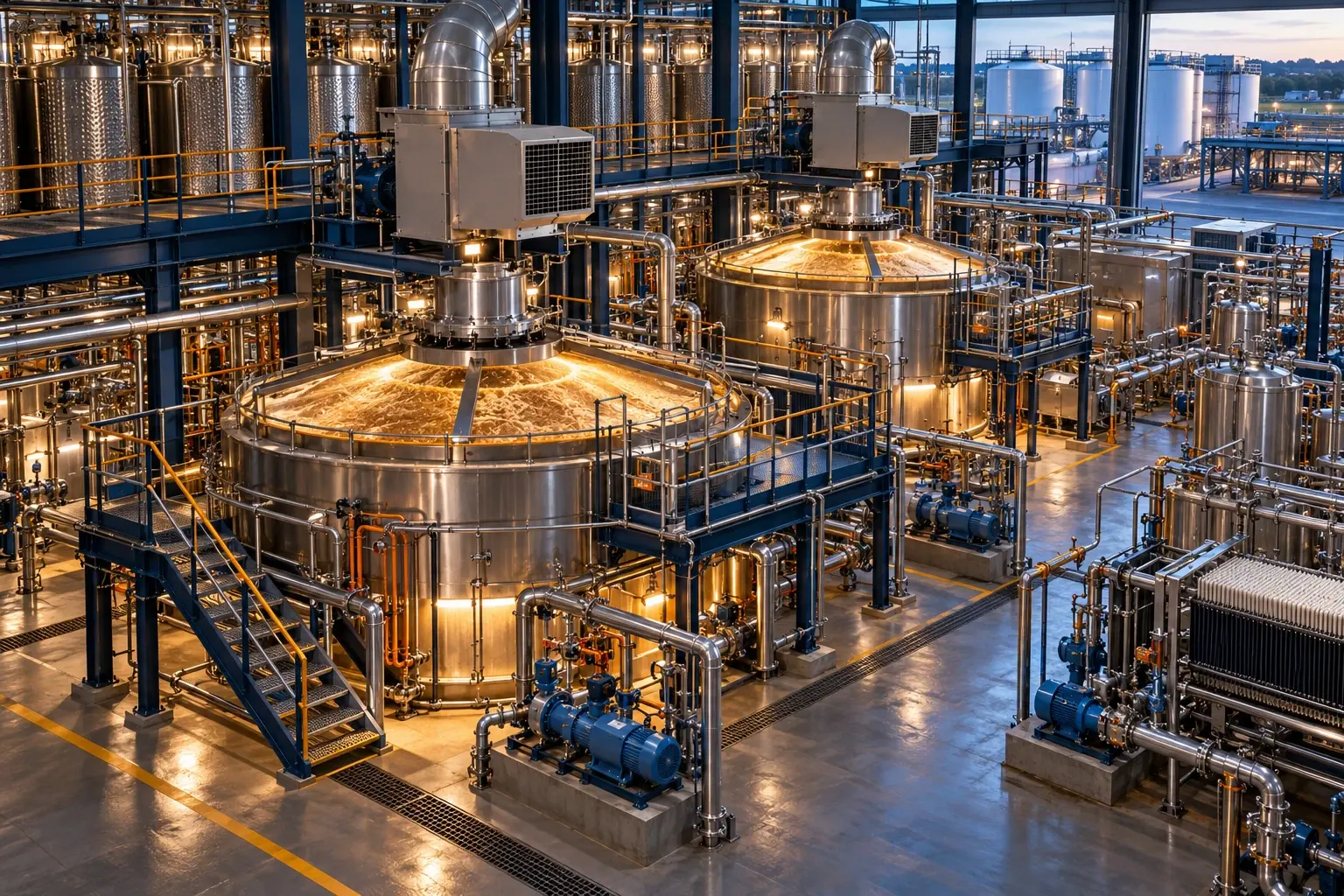
Led engineering coordination for bulk-vinegar conversion upgrades, including acetator additions, utilities and controls, wine-fermentation support, upstream clarification, loadout, VOC control and downstream polishing. WDV scope included alcohol charging, ratio-controlled dilution and mash-on-fly acetation. Coordinated the A9/A10 air-screen, 75 hp aspirator, cooling-sump-pump, RTD and davit-support upgrades.
The workstream includes recorded A9/A10 mechanical upgrades, the expansion, and separately planned capacity increases and transport-cost benefits.
Upgraded acetator air delivery, cooling support, temperature instrumentation and equipment access to improve reliability and maintainability.
Estimated an annual transportation-cost reduction of $1,300,000 by eliminating routine inter-plant shipments for additional WDV supply.
The capacity basis includes 500,000 additional gallons of WDV production, with improved ACV flexibility and final filtration ahead of loadout.
The Tennessee Manufacturing Facility scope includes 5,800,000 additional grain gallons per year from new acetators and 446,500 grain gallons per year from existing-unit conversions.
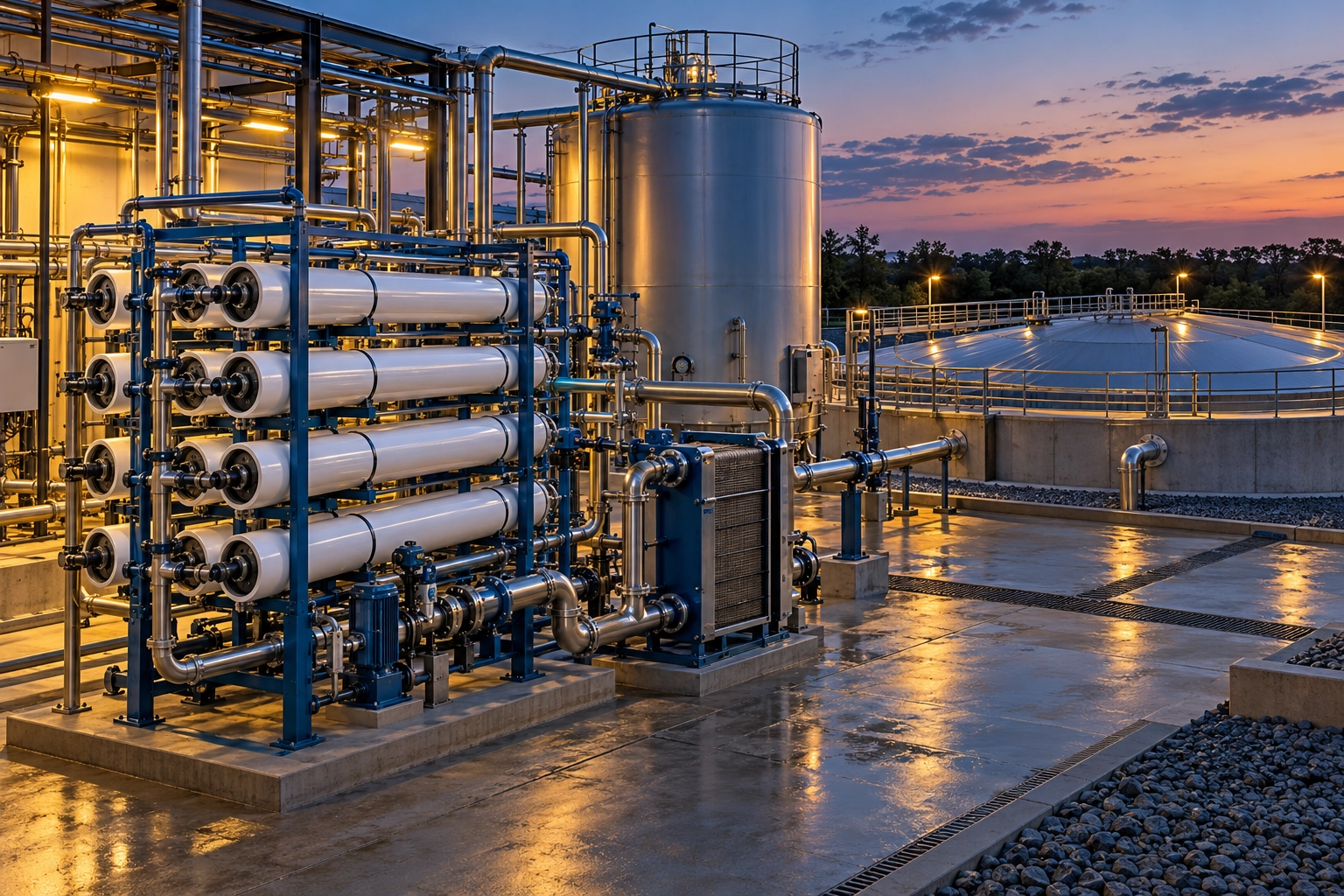
Recovered 75 percent of VOC emissions through the acetator scrubber system. Increased filtering capability to 23 GPM, or 25,000 gallons per day, for the existing and new process equipment.
Workstream covering vinegar acetation and fermentation support modernization across its named projects, with project-level engineering scope, capital values and operating context.
Upgraded acetator air and cooling support systems and improved maintainability of acetator support equipment through targeted mechanical and instrumentation upgrades; Reduce inter-plant transportation costs by an estimated $1.3M annually through elimination of routine inter-plant shipments for additional WDV supply; Increase WDV capacity by 0.5M gallons while improving flexibility for ACV production and final filtration prior to loadout; Increase WDV production by 5.8M 100-grain gallons per year and increase WDV production by 446,500 100-grain gallons per year from conversion of existing units; Target 75% VOC-emission recovery through the acetator scrubber system.
Workstream Cost: 66885 K.
Acetator air screen and aspirator upgrades (75 hp), cooling system sump pumps, RTD temperature instrumentation, davit support installations; Acetator capacity expansion, wine centrifuge clarification, ceramic vinegar polishing, truck batch loadout coordination; acetator tanks and aerators, scrubber columns, filtration equipment, cooling tower, cooling-water separator, standby generator and automatic transfer switching, PLC PLC and operator interface Visual SCADA
Mechanical upgrade execution, instrumentation tie-in coordination, plant support equipment modernization; CapEx scope development and justification, process equipment specification, filtration system coordination, production continuity planning and startup support; Capital project lifecycle management, process design for acetator systems, environmental compliance and air permitting alignment, electrical and utilities coordination, controls architecture and commissioning readiness, construction sequencing and contractor safety coordination
Controlled-bioprocess hygiene. A5 records identify the acetator and nutrient tanks, stainless nutrient and process tubing, pumps, mixer, level and temperature instruments, charge/discharge systems, cooling water, air, foam and exhaust handling, controls, scrubber, filtration or ultrafiltration, storage, transfer, wastewater, electrical supply, and permit/source-test work. The experience narrative covers anaerobic Saccharomyces ethanol fermentation and aerobic Acetobacter oxidation, while the project records provide the site-specific equipment and utility basis.
The capability narrative states fourteen years across anaerobic Saccharomyces cerevisiae ethanol fermentation and aerobic Acetobacter oxidation. The duration remains a narrative assertion; site-specific execution and outcomes remain tied to direct project records.
Required controls protect culture identity and purity without describing active fermentation as sterile: sanitary feed and nutrient preparation, protected inoculum and charge paths, controlled aeration, oxygen/temperature/pH/acid monitoring, closed sampling, contamination trending, campaign and changeover sanitation, hygienic harvest and transfer, route segregation, post-acetation filtration or thermal control where supported, protected storage/loadout, scrubber isolation, and viable-effluent treatment. Exact culture specifications, microbial limits, recipes, and qualification results remain source-dependent.
TSK-000011 · Method
VOC Scrubber Systems
TSK-000012 · Method
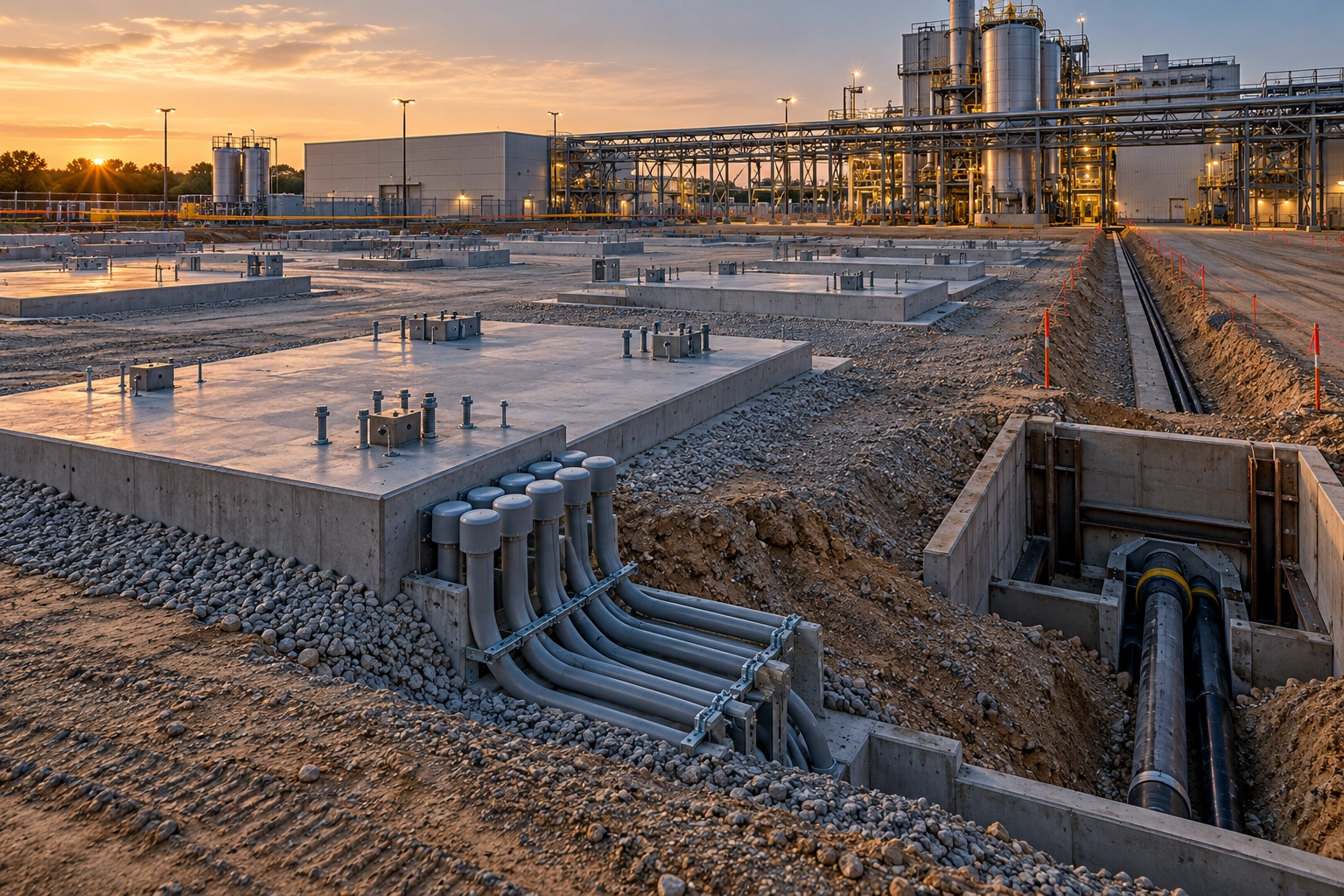
Acetator Expansion Civil and Structural Foundations
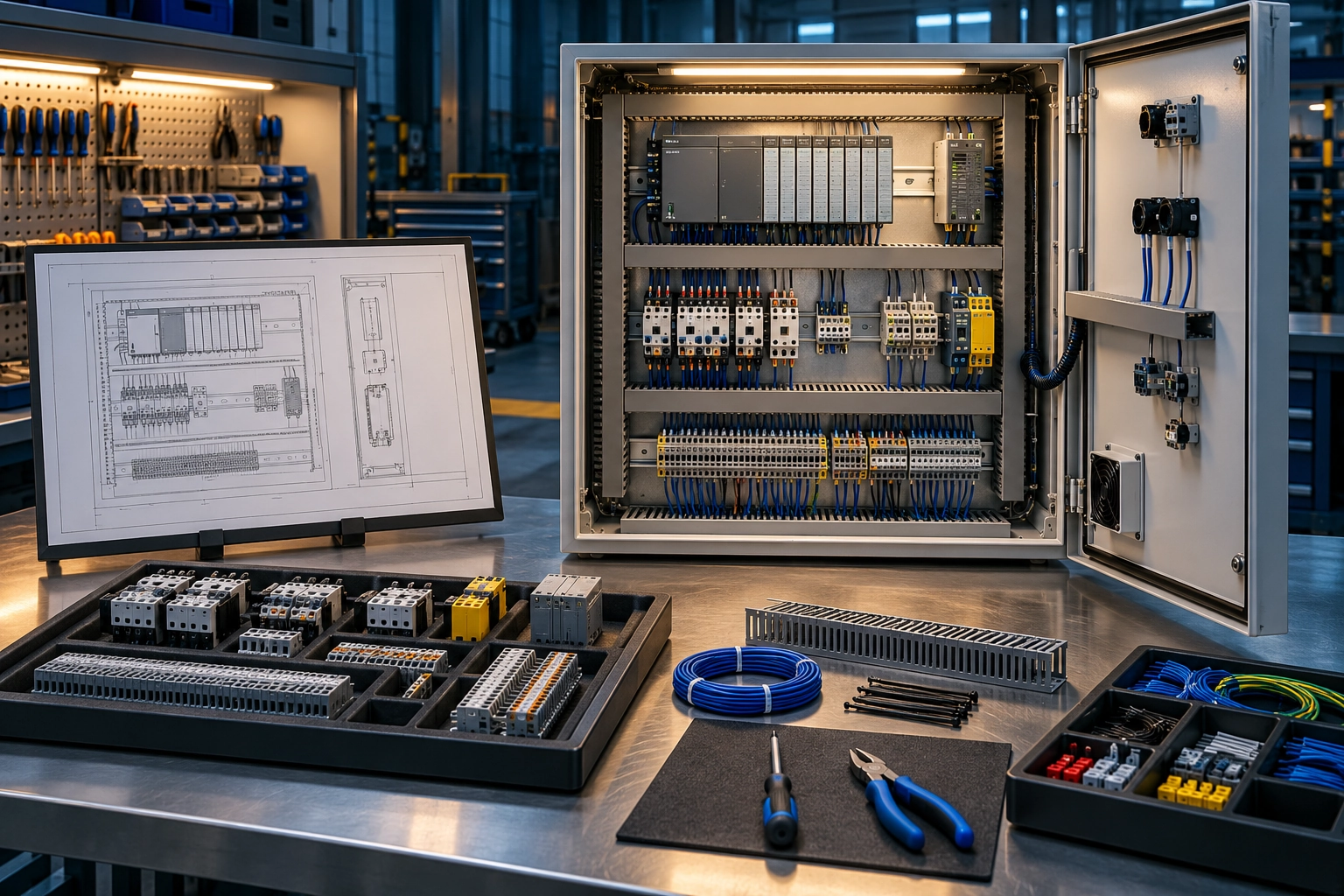
TSK-000013 · Method
Acetator Expansion Controls and Instrumentation
TSK-000014 · Method
Acetator Expansion Electrical and Generator Coordination
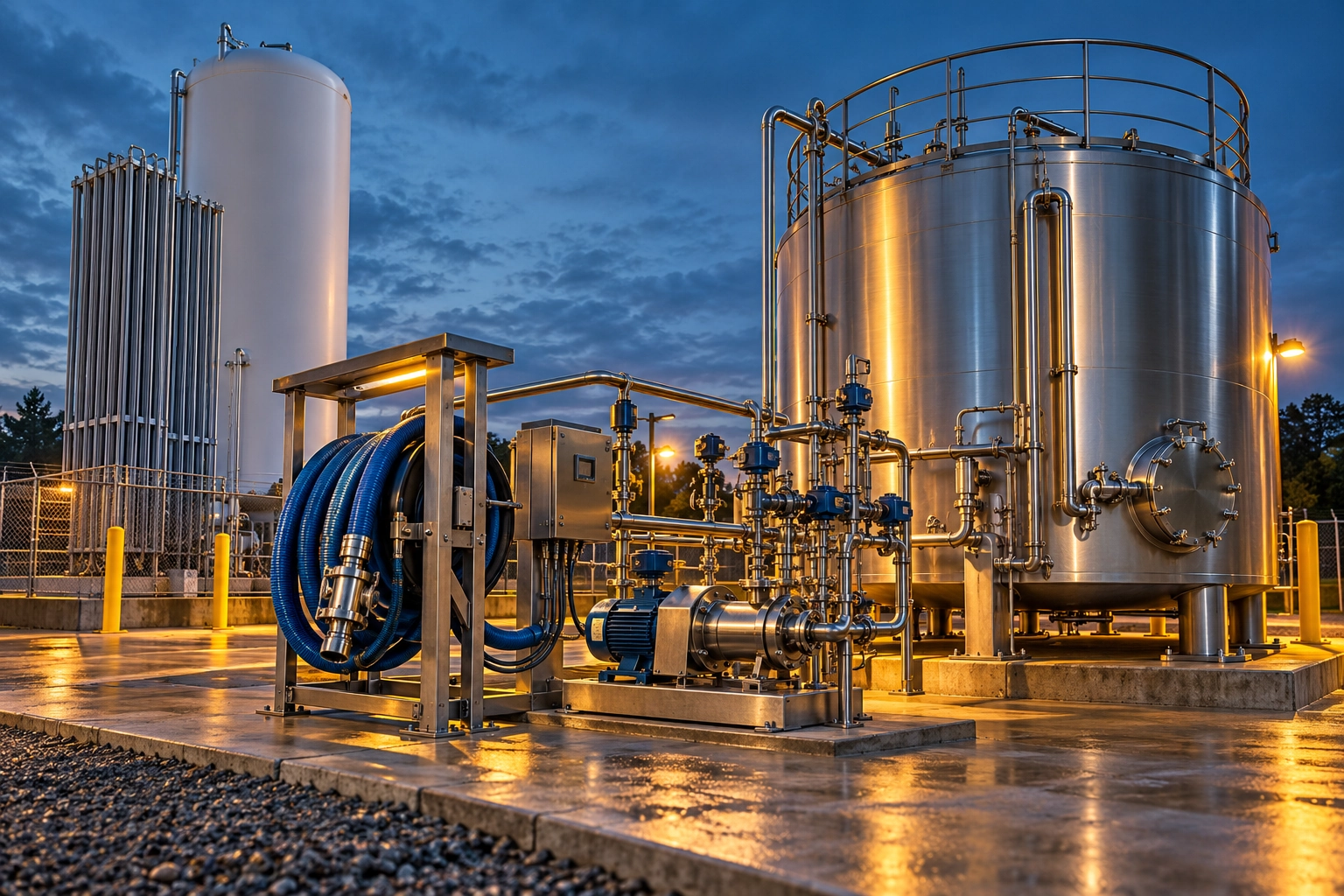
TSK-000015 · Method
Tanker Loadout and Transfer Optimization
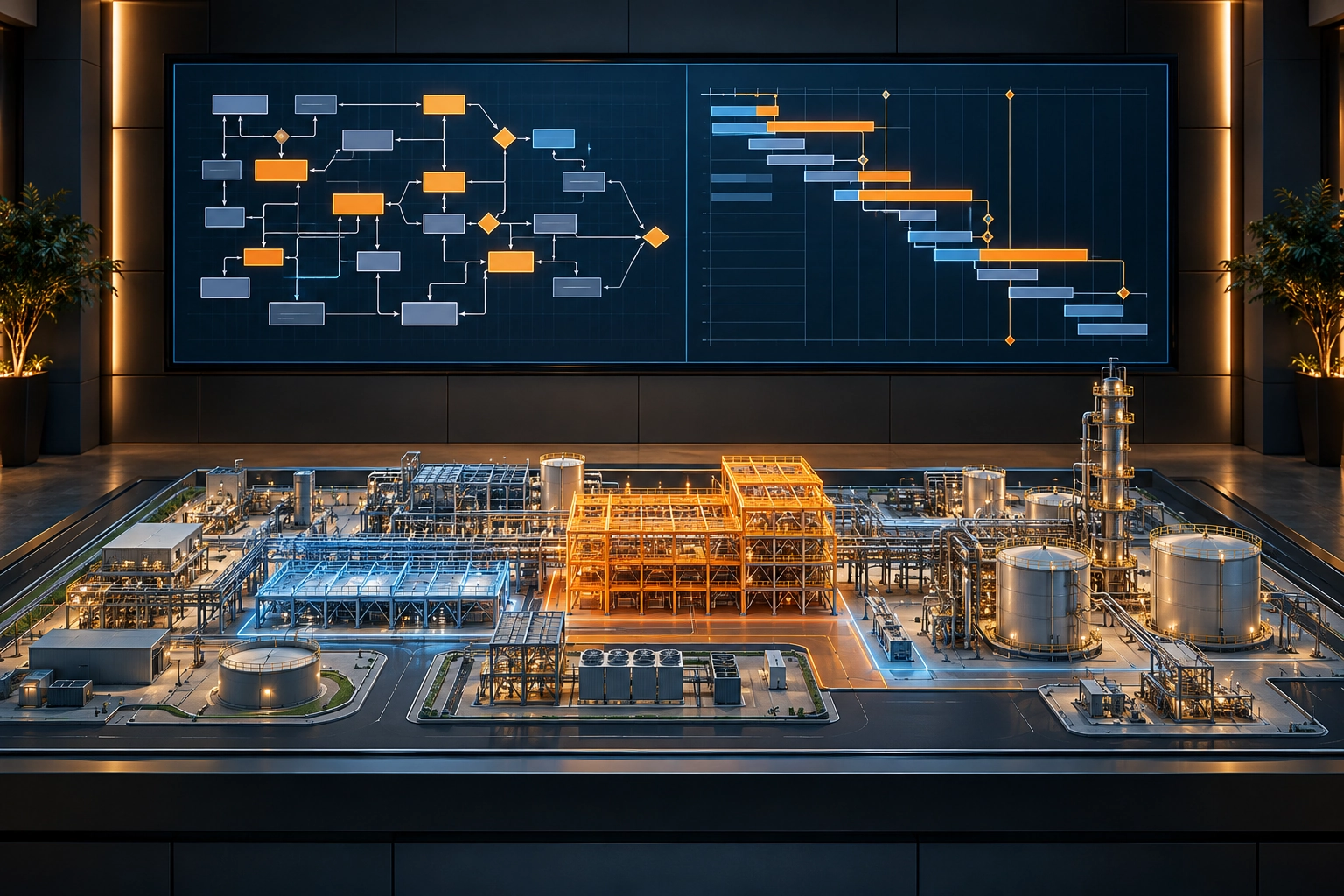
TSK-000017 · Method
Acetator Expansion Engineering AFE and Code Deliverables
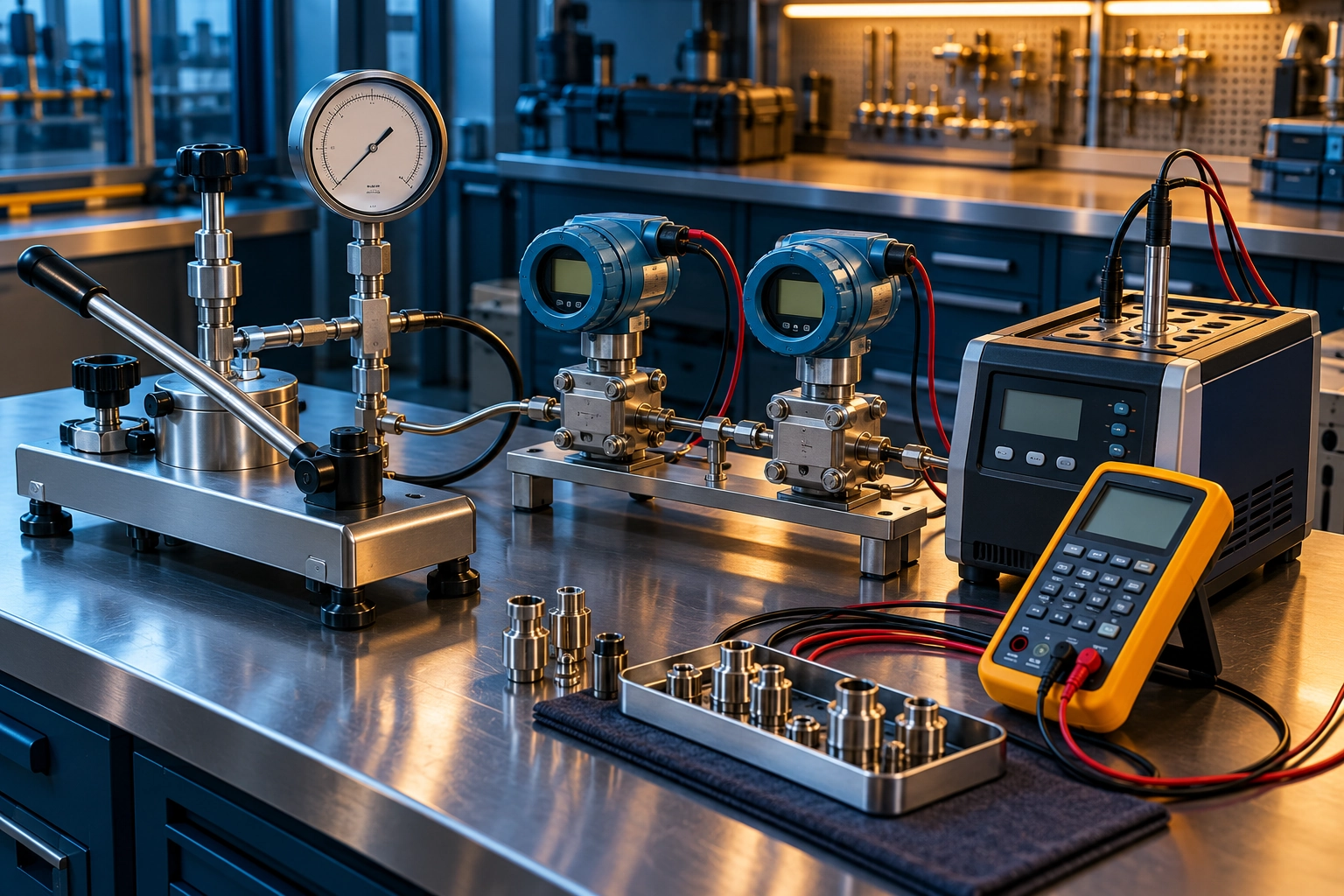
TSK-001036 · Design scope
Acetator A5 Upgrade and Cooling Coordination
ACTIVITIES IN CONTEXT
TSK-000001 · Action
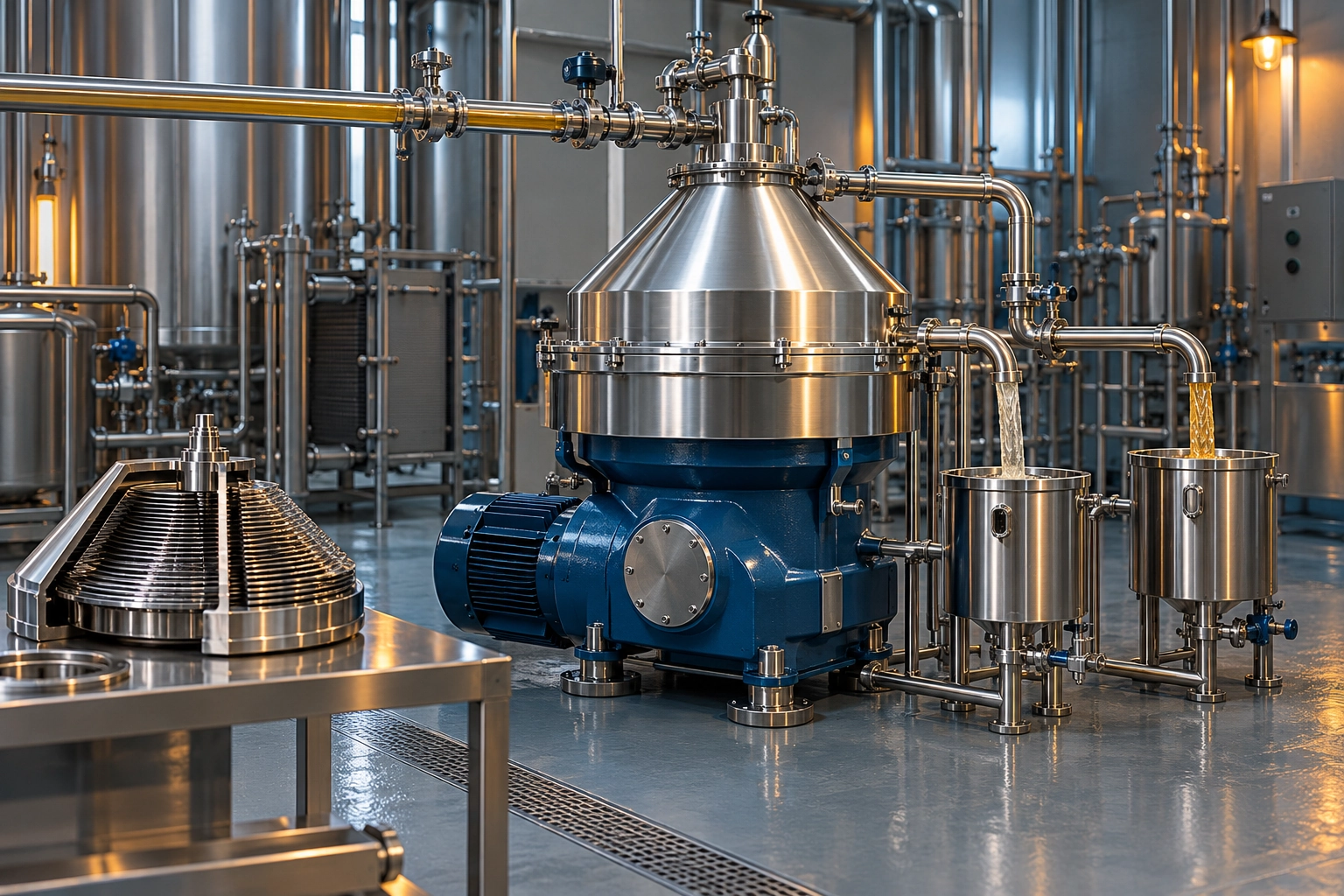
Vinegar Acetation and Fermentation Support Modernization
TSK-000002 · Action
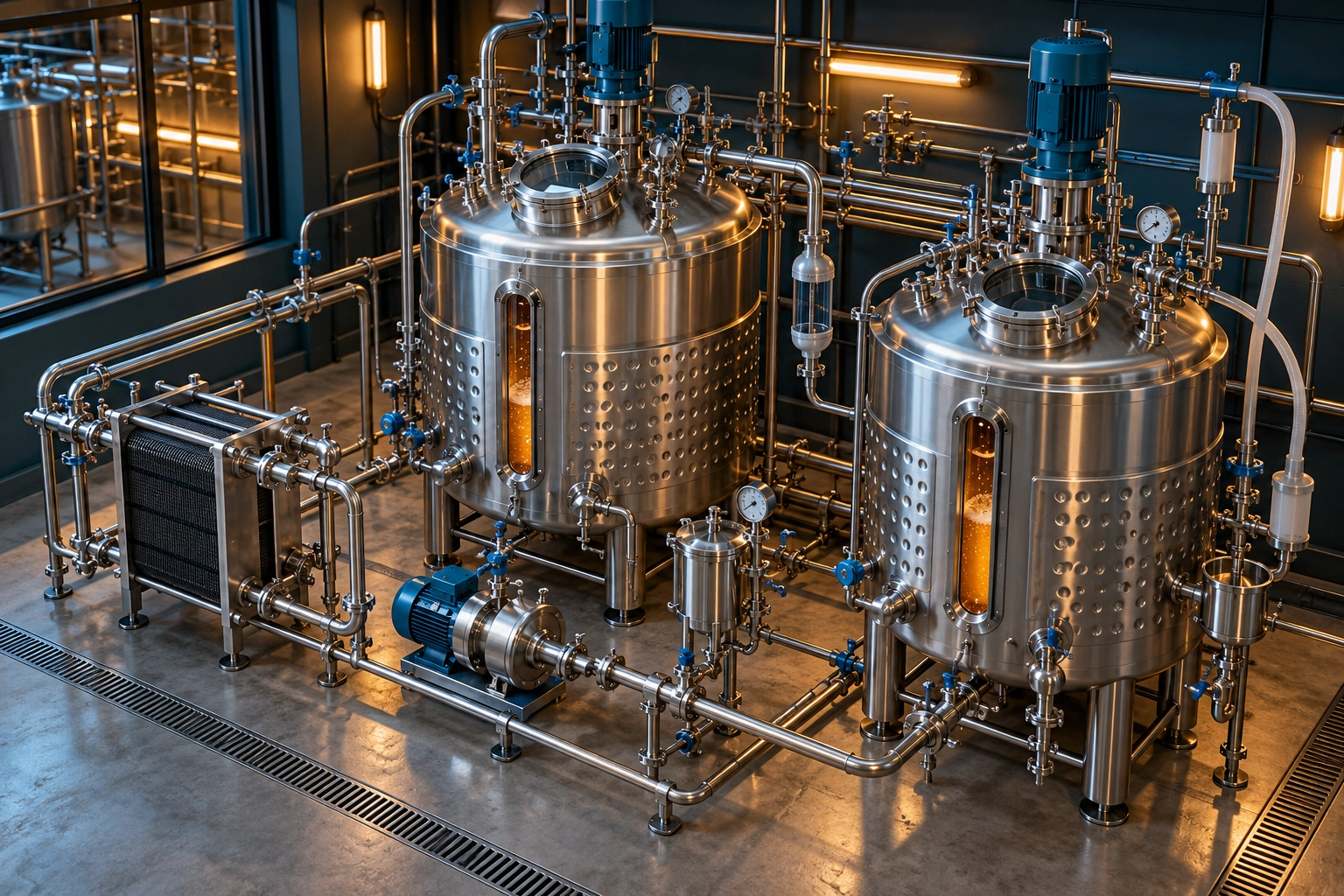
Vinegar Acetation and Fermentation Support Modernization
TSK-000003 · Action
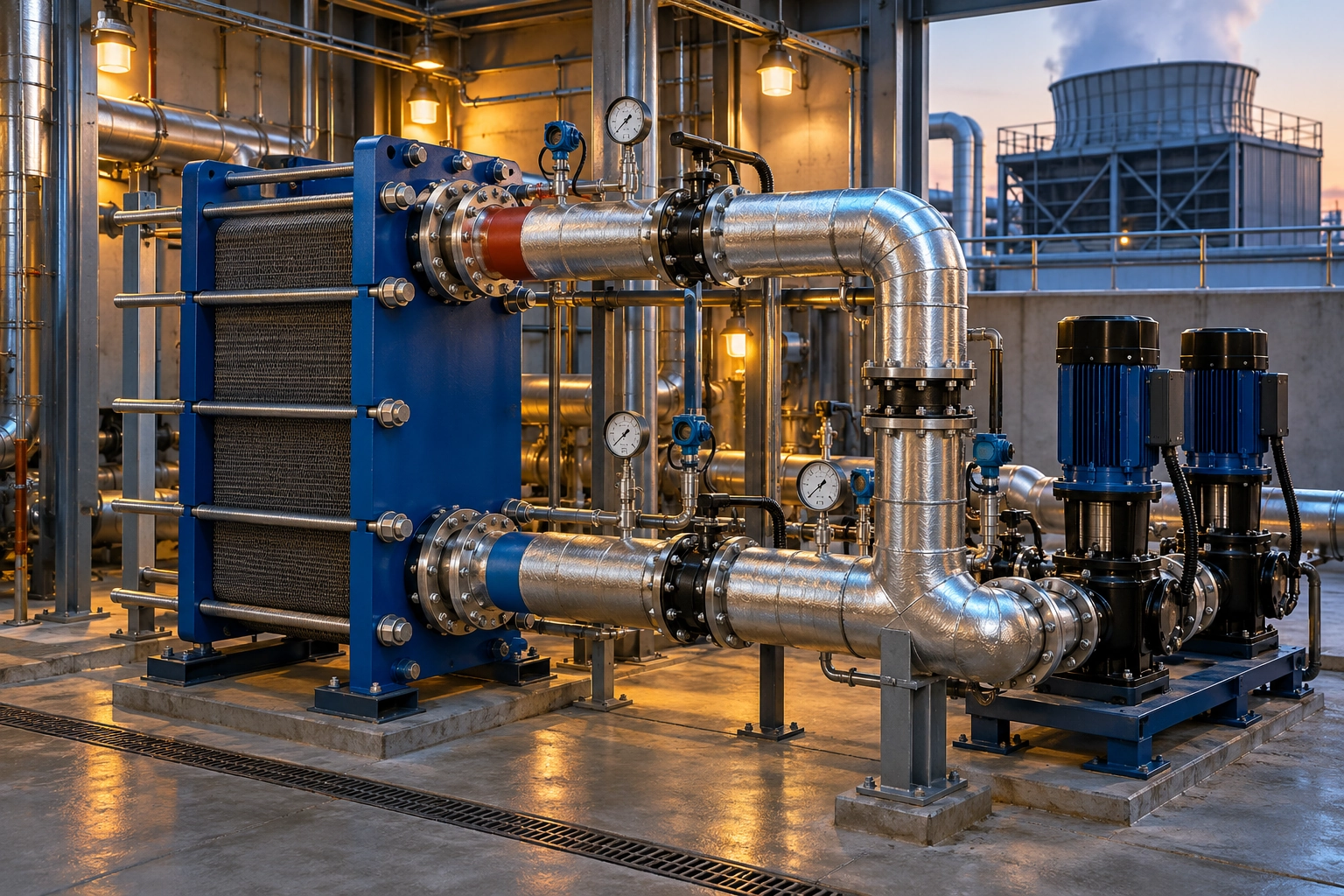
Vinegar Acetation and Fermentation Support Modernization
TSK-000004 · Capability scope
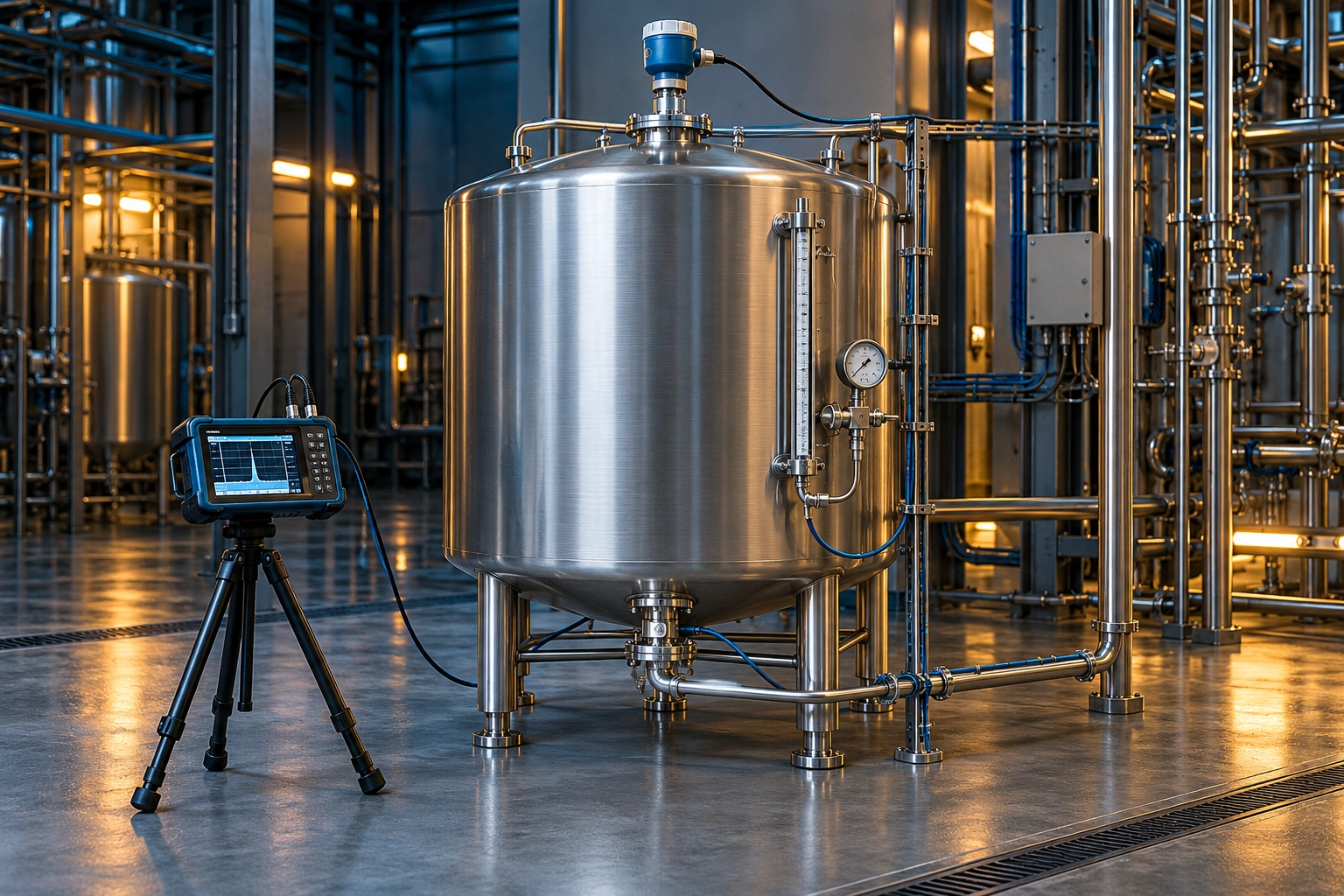
Vinegar Acetation and Fermentation Support Modernization
TSK-000005 · Capability scope
Vinegar Acetation and Fermentation Support Modernization
TSK-000006 · Capability scope
Vinegar Acetation and Fermentation Support Modernization
TSK-000007 · Technical context
Vinegar Acetation and Fermentation Support Modernization
TSK-000008 · Technical context
Vinegar Acetation and Fermentation Support Modernization
TSK-000009 · Technical context
Vinegar Acetation and Fermentation Support Modernization
Full lifecycle project ownership
Project Leadership
Led engineering coordination across acetator, fermentation-support, clarification, polishing, VOC, cooling, utility and loadout projects; developed project scopes and capital justification.
Owned the full project lifecycle: capital planning and prioritization, need definition, feasibility and scope development, engineering and AFE justification, procurement and vendor coordination, construction sequencing and field oversight, commissioning, turnover, and post-startup support. Connected operating requirements with technical scope, funding decisions, execution readiness, and the needs of operations and maintenance.