CASE-058 · Engineering case

Line 1 Filler Valve and Product Return Upgrade

Led the Line 1 filler-valve and product-return retrofit to reduce contamination risk, stabilize product handling and improve high-speed filling performance.

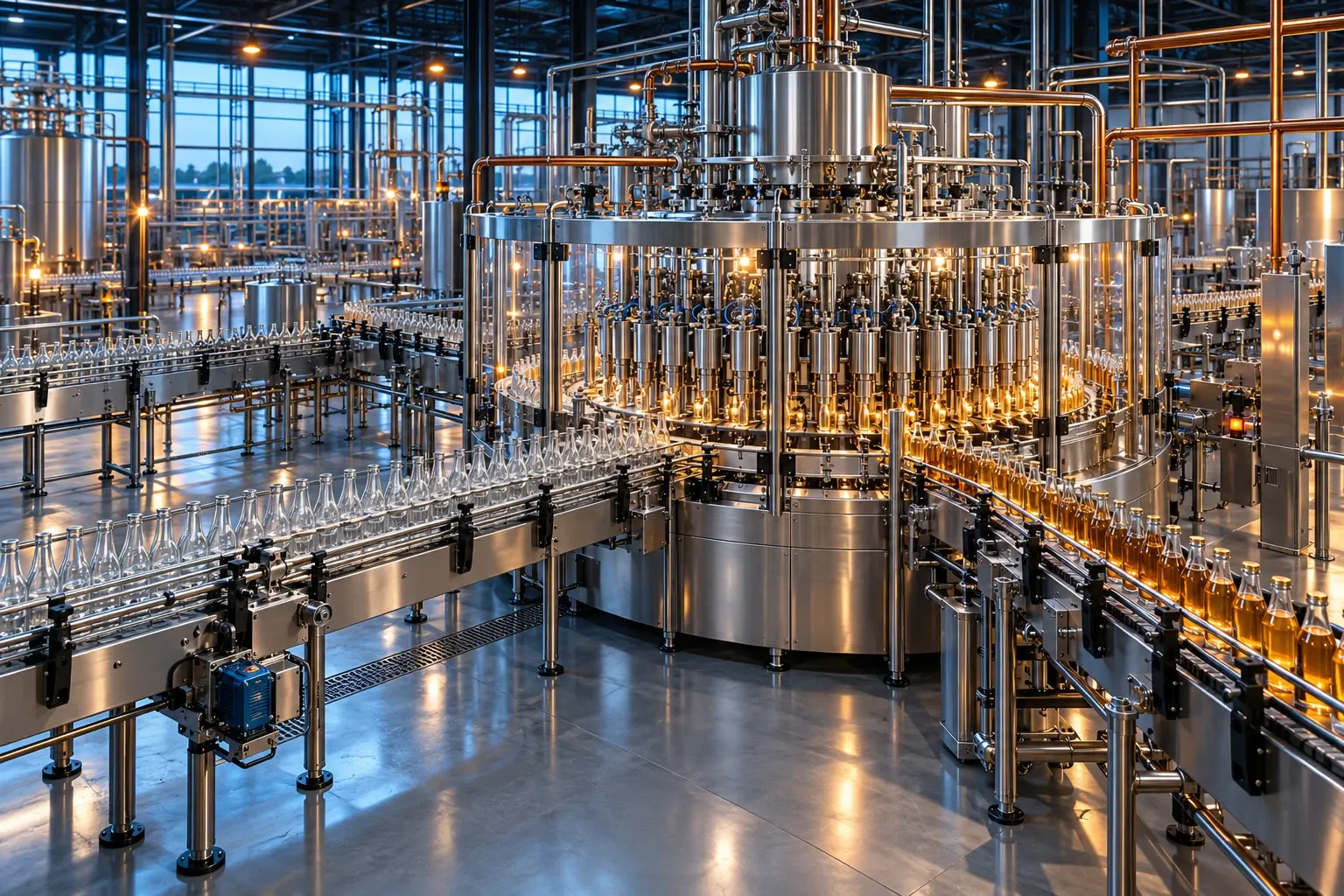
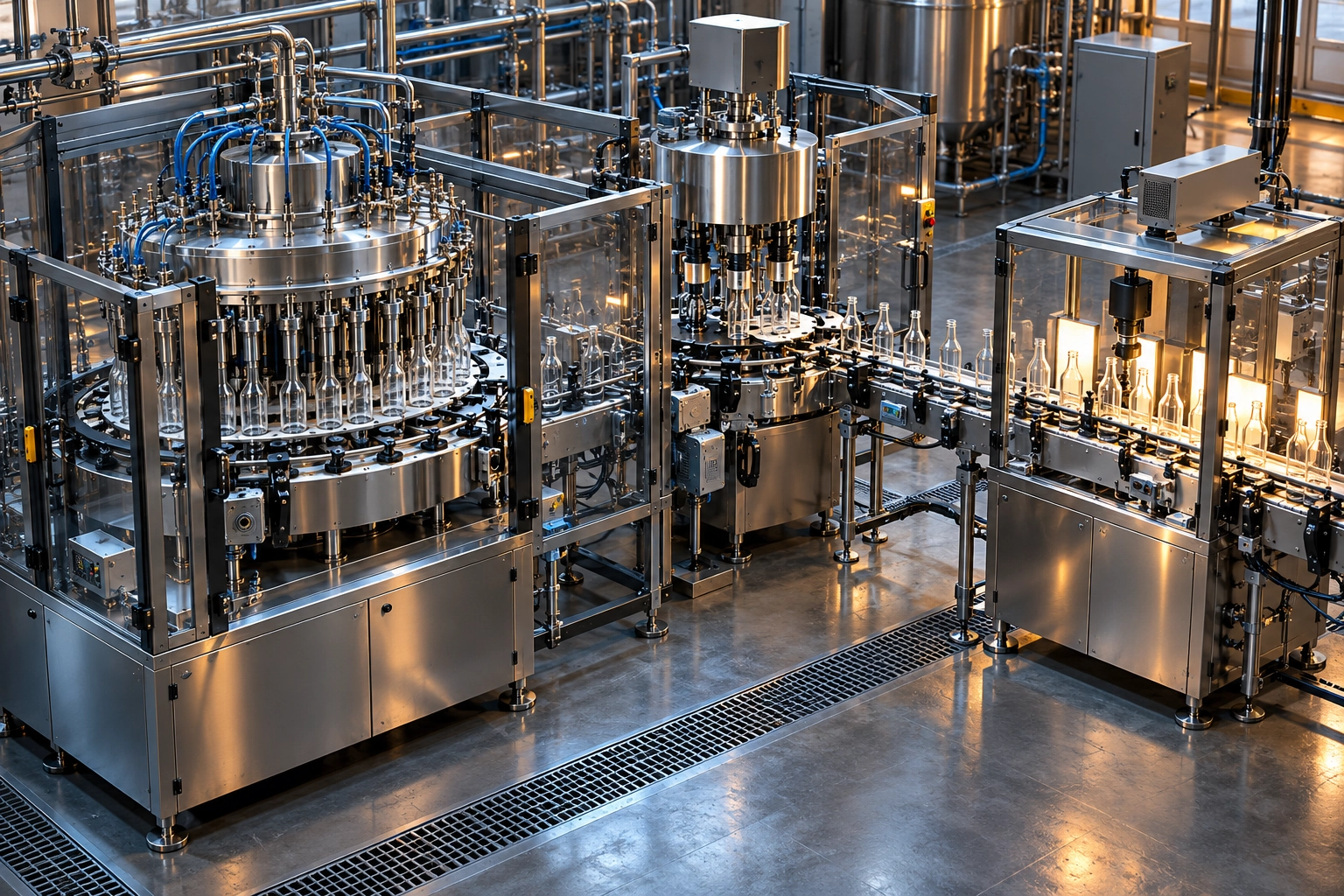
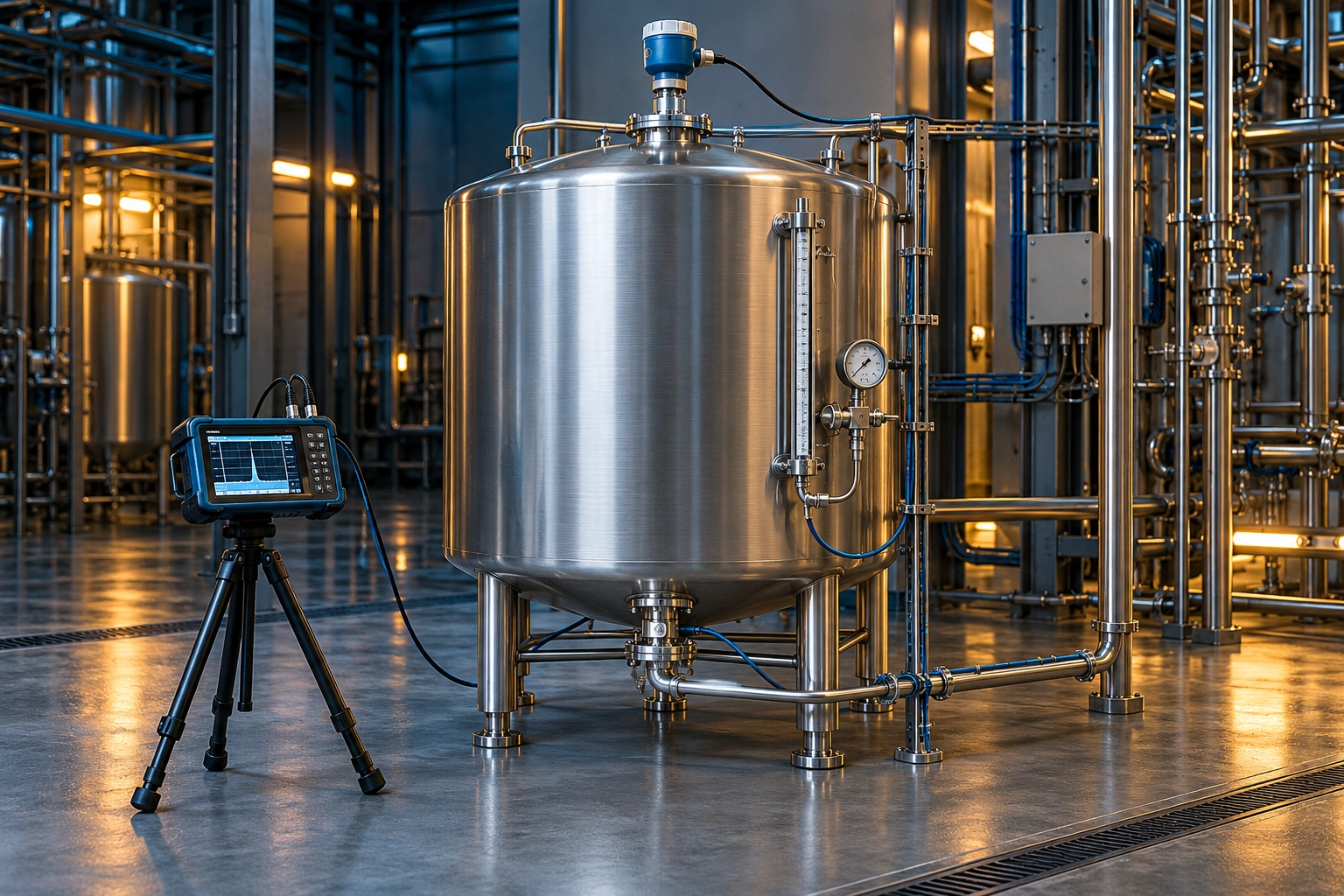
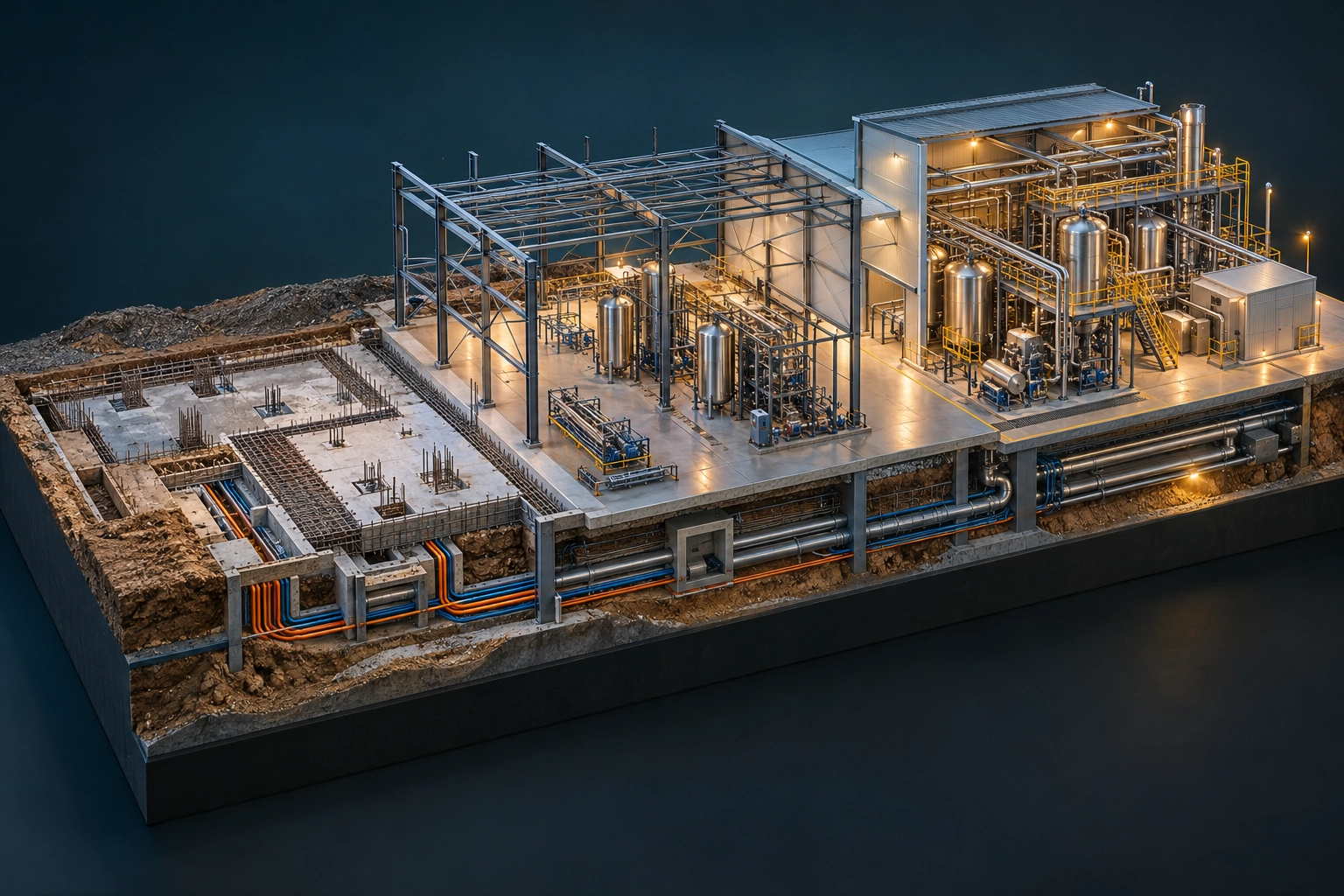
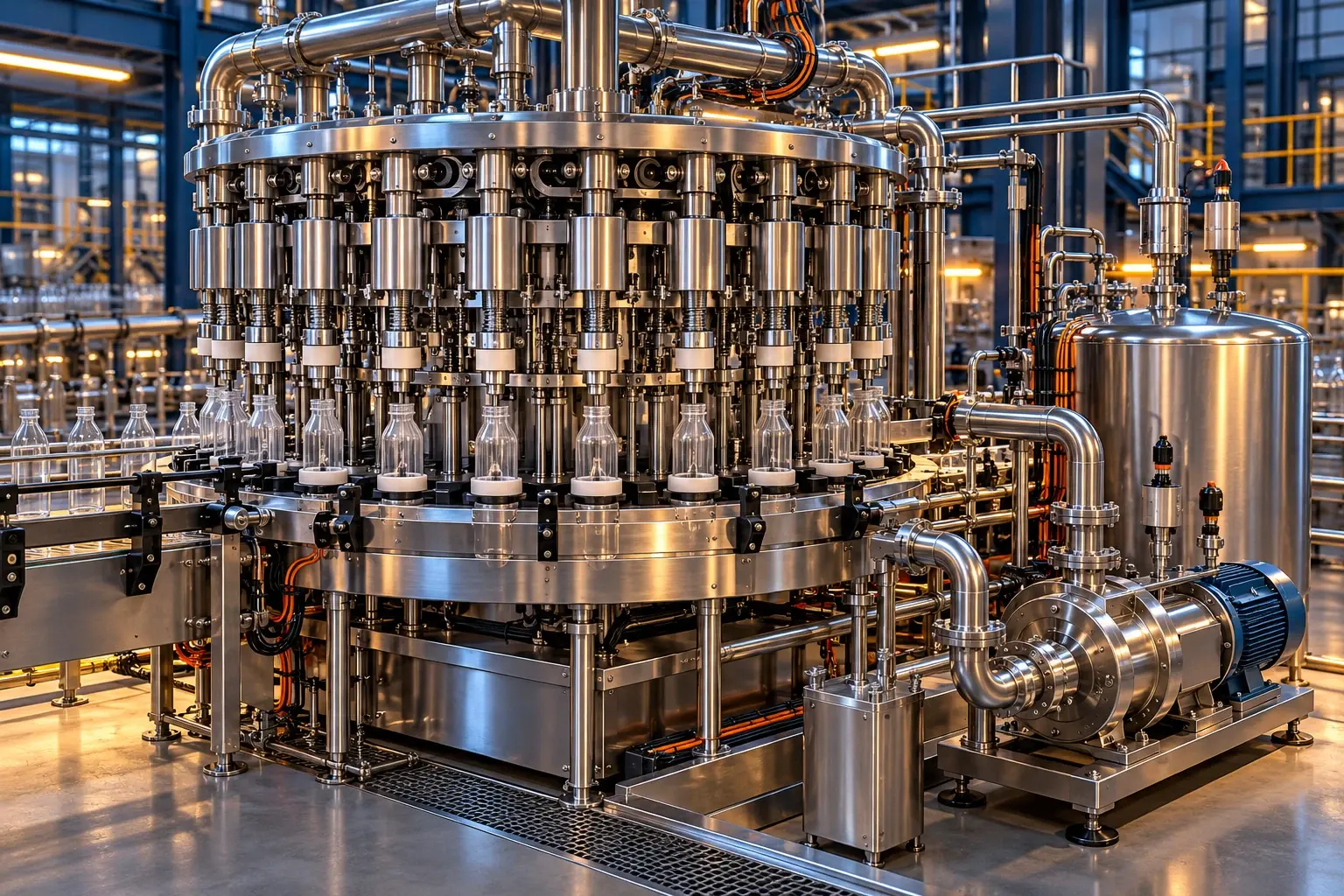
Conceptual engineering visualization: Line 1 Filler Valve and Product Return Upgrade
Conceptual engineering visualization · AI generated

Why the Work Mattered

Purpose and Operating Need

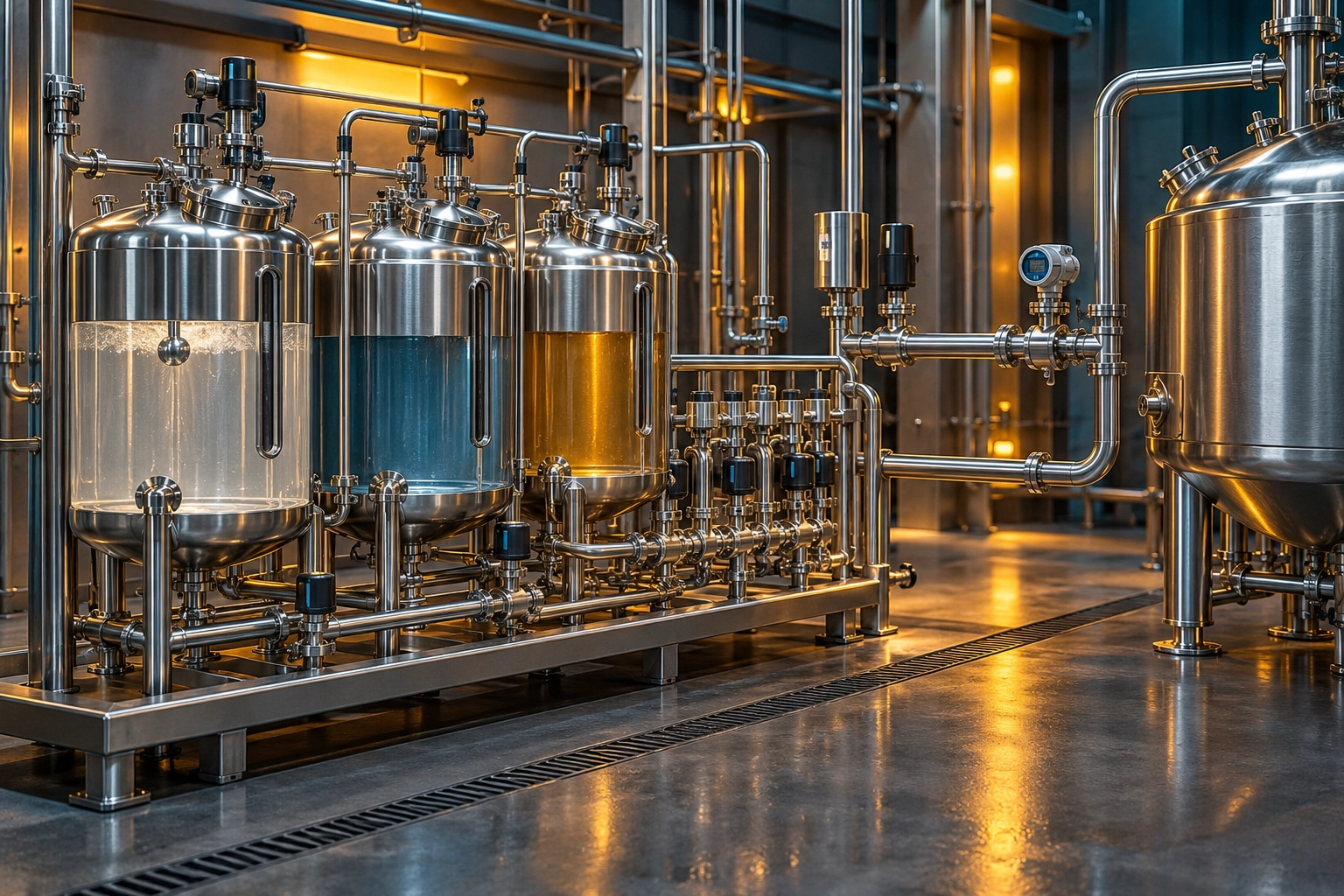
The work addressed aging filler valves, O-ring and metal-to-metal contamination risk, unstable return flow, foaming, product spillover, and feed-rate limitations rather than functioning as a simple replacement.

Engineering Approach

Engineering Approach

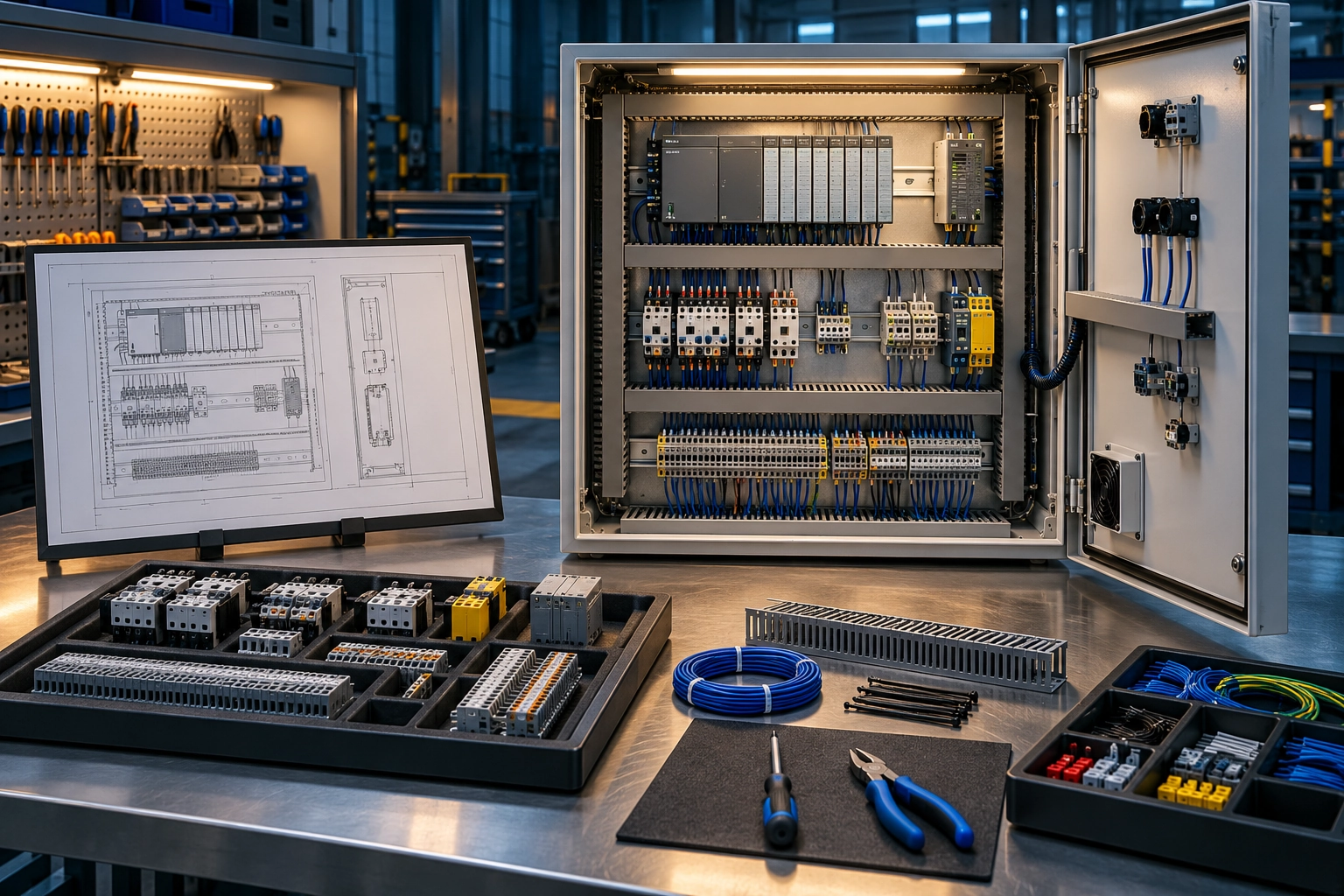
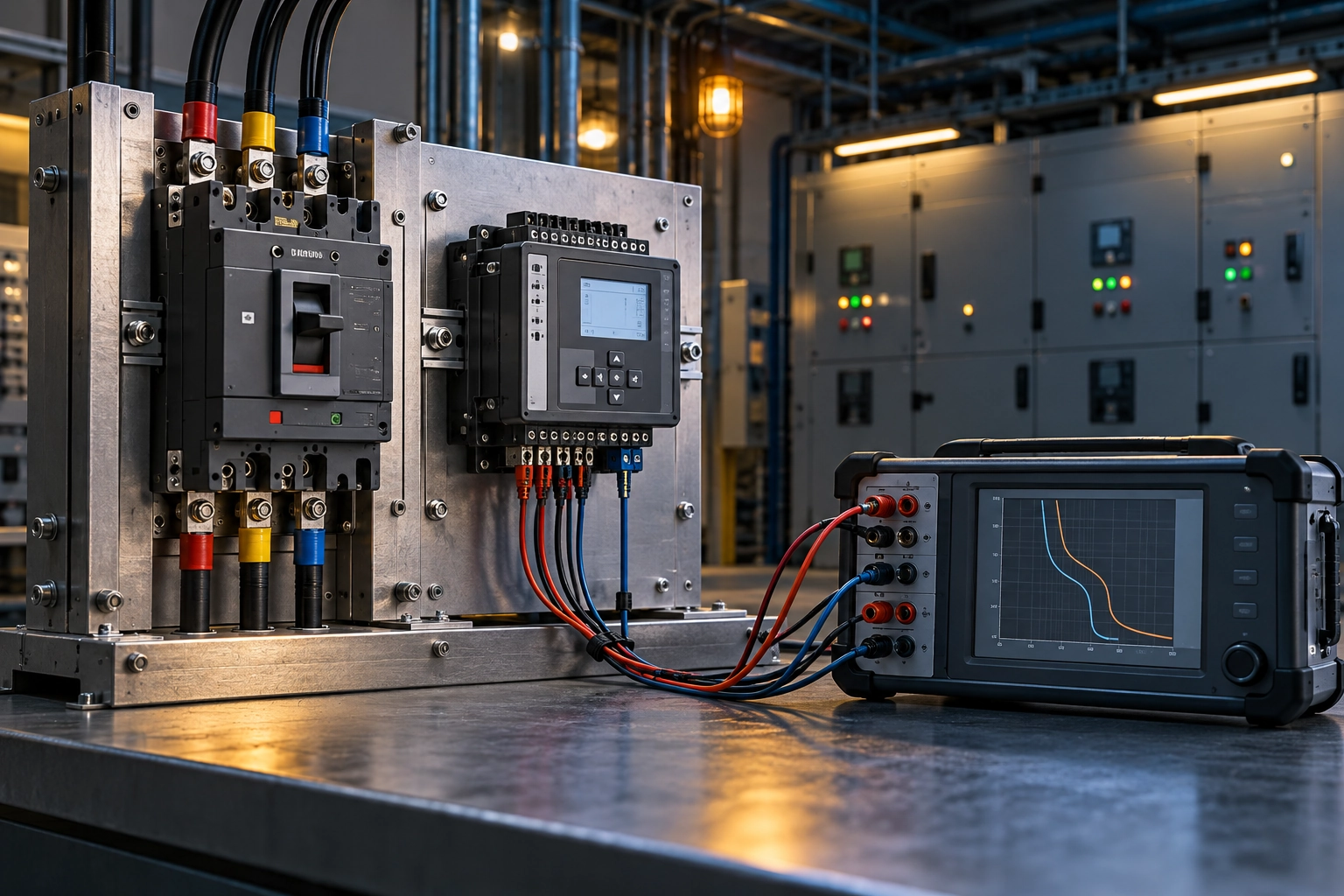
Coordination scope: 44 self-sealing filler valves; custom slide ring assembly; upper and lower manifolds; cam ring/ramp; guide rods; rollers; return tank; return pump; level probes; sensor; pump-down relay; contactors; MCPBs; PLC-to-starter wiring; sanitary pump; vendor startup and training.

Outcome & Engineering Context

Outcome and Context

Reduced contamination risk, foaming, leaking, spraying, and filler reliability exposure.

Workstream Results & Impact

Workstream Portfolio Rollup

28,095,000 USD

Production and Packaging Modernization

Recorded workstream portfolio reference. This is the workstream-level value and is not a project expenditure or a new total of reassigned projects.

Measures & Operating Detail

MeasureValueType & meaningAttribution & operating context
Filler Feed Capability>= 85 GPMEquipment Rating
Equipment capability

Applies to: Line 1 Filler Valve and Product Return Upgrade

>=85 GPM feed capability

64 Oz Filling Throughput120 BPMObservation
Recorded SKU filling rate

Applies to: Line 1 Filler Valve and Product Return Upgrade

Portfolio-reported SKU filling rate in the Line 1 filler case; no before/after rate comparison is supplied for this observation.

128 Oz Filling Throughput60 BPMObservation
Recorded SKU filling rate

Applies to: Line 1 Filler Valve and Product Return Upgrade

Portfolio-reported SKU filling rate in the Line 1 filler case; no before/after rate comparison is supplied for this observation.

750 ML Filling Throughput125 BPMObservation
Recorded SKU filling rate

Applies to: Line 1 Filler Valve and Product Return Upgrade

Portfolio-reported SKU filling rate in the Line 1 filler case; no before/after rate comparison is supplied for this observation.

Engineering scope and design basis

Protected food safety, reduced leaking and spraying, reduced foaming, improved cleanability, supported the dry-floor initiative, and improved filler reliability.

Coordinated 44 self-sealing filler valves; custom slide ring assembly; upper and lower manifolds; cam ring/ramp; guide rods; rollers; return tank; return pump; level probes; sensor; pump-down relay; contactors; MCPBs; PLC-to-starter wiring; sanitary pump; vendor startup and training.

Reduced filler contamination and product-handling risk, measured by 44 Filler-valve supplier self-sealing valves, >=85 GPM feed capability, AFE #23-330366, and $229,652.23 capital scope, by replacing legacy filler valves and separating fill supply from product return.

44 filler valves; >=85 GPM feed capability; AFE; 64 oz at 120 BPM; 128 oz at 60 BPM; 750 mL at 125 BPM; smaller SKU improvement.

Actions, Methods & Controls

ACTIVITIES IN CONTEXT

Additional Technical Detail

Roles & contributions
  • Project Ownership

    Full lifecycle project ownership

    Owned the full project lifecycle: capital planning and prioritization, need definition, feasibility and scope development, engineering and AFE justification, procurement and vendor coordination, construction sequencing and field oversight, commissioning, turnover, and post-startup support. Connected operating requirements with technical scope, funding decisions, execution readiness, and the needs of operations and maintenance.

  • Filler Equipment Vendor

    Supplier Participation

    Vendor Contribution

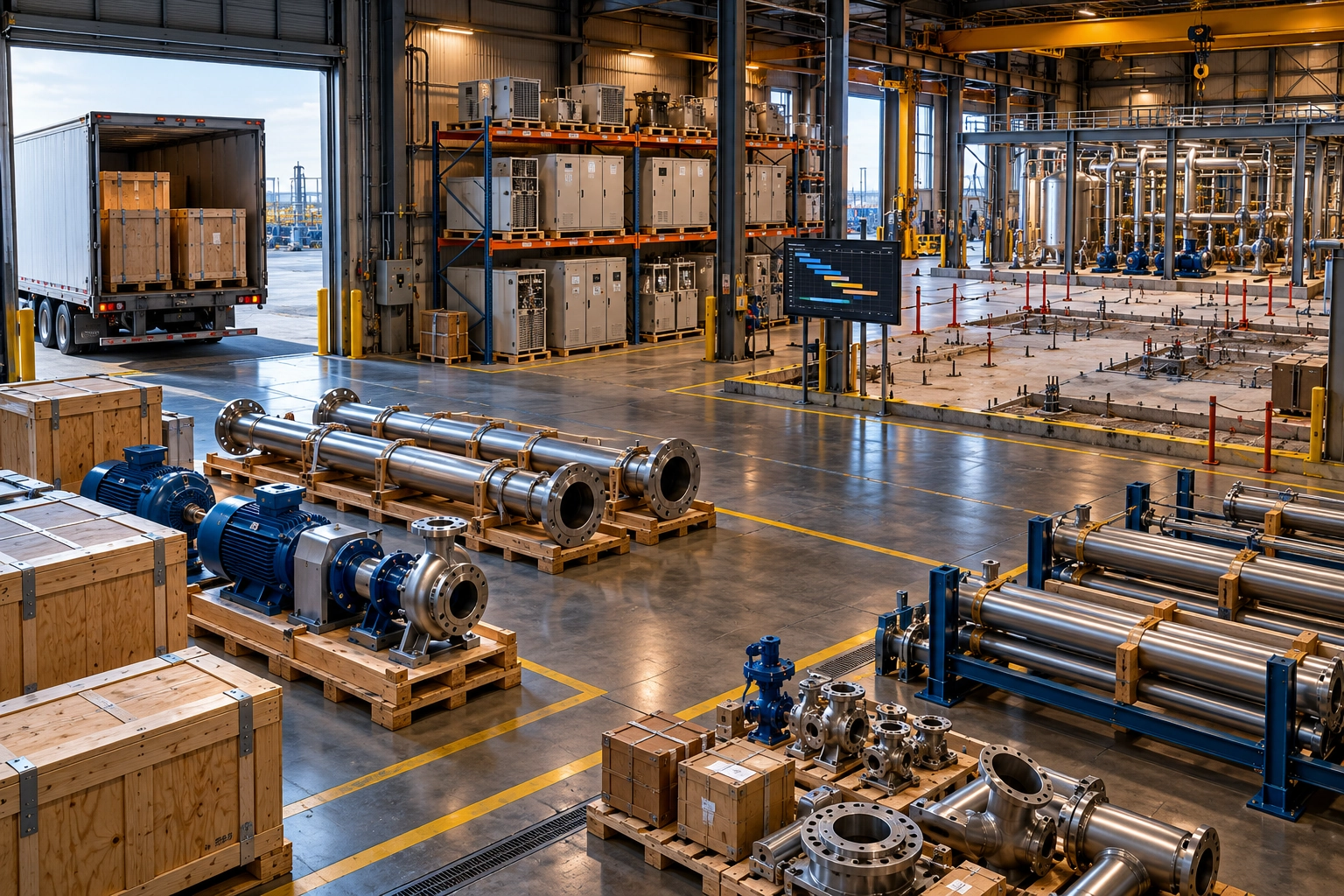
    Equipment-vendor startup and training were part of the filler-retrofit delivery scope.

Workstream context
All portfolio connections
Project ownership and delivery context

Owned the full project lifecycle: capital planning and prioritization, need definition, feasibility and scope development, engineering and AFE justification, procurement and vendor coordination, construction sequencing and field oversight, commissioning, turnover, and post-startup support. Connected operating requirements with technical scope, funding decisions, execution readiness, and the needs of operations and maintenance.

Led the 44-valve hygienic retrofit and coordinated return capacity with conveyor behavior and product supply. Used SKU-level operating evidence to compare performance, keeping the improvement tied to the actual package mix. The engineering connected line capacity with sanitation, maintainability and production continuity.
Related analysis and application artifacts
Connected collections

WHAT COMES NEXT

Complex Challenge?
Let’s Work Through It.

Engineering leadership, capital projects, and independent consulting.

Start a conversation ↗