TSK-000066 · Action
Centrifuge Trial Objectives and Capital-Project Planning
Centrifuge SPO, Supplier Evaluation, and Lessons-Learned Transfer
 APOLLO AUTOMATIONJAMES WARREN · ENGINEERING & PROJECT LEADERSHIP
CASE-039 · Engineering case
Converted FY24 centrifuge lessons into FY25 centrifuge selection goals for supplier reliability, automation, cost, and sustainability.
The centrifuge objective should not restart from zero because earlier trials had already generated evidence on supplier performance, efficiency, automation needs, maintenance exposure, and waste reduction.
Centrifuge Trial Objectives and Capital-Project Planning
Improved cross-site supplier-selection and capital-planning discipline.
Workstream Portfolio Rollup
18,317,000 USD
Wine Clarification and Vinegar Polishing Modernization
Recorded workstream portfolio reference. This is the workstream-level value and is not a project expenditure or a new total of reassigned projects.
| Measure | Value | Type & meaning | Attribution & operating context |
|---|---|---|---|
| High-Clarity Wine Outlet Turbidity | 4 to 8 NTU | Observation Plant-reported operating context | Applies to: Centrifuge SPO, Supplier Evaluation, and Lessons-Learned Transfer wine clarification — reported high-clarity wine range. |
| High-Clarity Wine Flow | 10 to 12 GPM | Observation Plant-reported operating context | Applies to: Centrifuge SPO, Supplier Evaluation, and Lessons-Learned Transfer wine clarification — flow corresponding to the clarity-focused duty. |
| Rice/Cider Feed Turbidity | 700 to 800 NTU | Observation Plant-reported operating context | Applies to: Centrifuge SPO, Supplier Evaluation, and Lessons-Learned Transfer wine clarification — rice/cider feed example used in the site comparison. |
| Quoted Comparison System Flow | 30 GPM | Equipment Rating Supplier sizing reference | Applies to: Centrifuge SPO, Supplier Evaluation, and Lessons-Learned Transfer wine clarification — Quoted system throughput contrasted with actual high-clarity duty. |
| Apple and Rice Product Share Reference | approximately 80 % | Baseline Planning reference | Applies to: Centrifuge SPO, Supplier Evaluation, and Lessons-Learned Transfer Cross-site supplier review — Approximate production share used to prioritize apple/rice application testing. |
| Reported Filtration Batch Volume | 6,000 gal | Baseline Plant-reported cost context | Applies to: Centrifuge SPO, Supplier Evaluation, and Lessons-Learned Transfer Vinegar filtration comparison — Batch volume underlying the cost examples. |
| Unintended Outfeed Reference Flow | approximately 10 GPM | Observation Reported diagnostic condition | Applies to: Centrifuge SPO, Supplier Evaluation, and Lessons-Learned Transfer Drain-valve failure review — Flow loss used to assess meter detection and PLC classification. |
Improved cross-site technology selection by carrying forward lessons about centrifuge supplier service risk, trial validation, supplier comparison, AFE scope discipline, and total cost of ownership.
Defined an AFE-approval objective.
Defined equipment-specification objectives.
Defined P&ID and site-coordination drawing objectives.
Defined procurement objectives.
Defined CIP-compatibility objectives.
Defined sustainability evaluation objectives.
Documented lessons learned from centrifuge supplier, centrifuge supplier and centrifuge supplier evaluation.
Improved centrifuge deployment governance, measured by FY25 SMART goals with due dates of June 30, 2025, September 30, 2025, and December 15, 2025, by transferring lessons into supplier evaluation, AFE development, and installation planning.
Supplier-evaluation target due June 30, 2025.
AFE-approval target due September 30, 2025.
Specification, procurement and installation-planning target due December 15, 2025.
SPO target due February 28, 2026.
ACTIVITIES IN CONTEXT
TSK-000066 · Action
Centrifuge SPO, Supplier Evaluation, and Lessons-Learned Transfer
TSK-000067 · Method
Centrifuge SPO, Supplier Evaluation, and Lessons-Learned Transfer
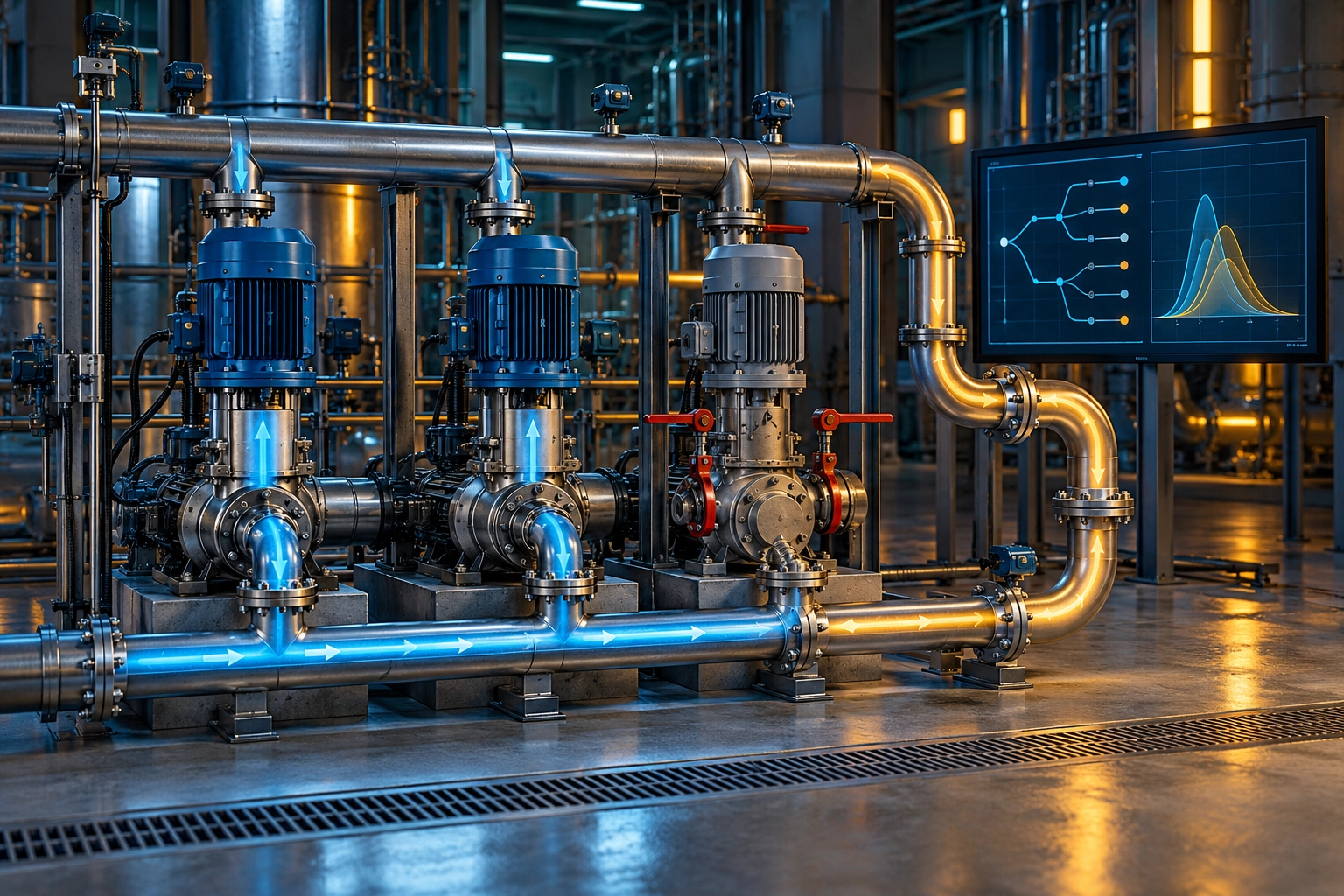
TSK-001022 · Option analysis
Centrifuge SPO, Supplier Evaluation, and Lessons-Learned Transfer
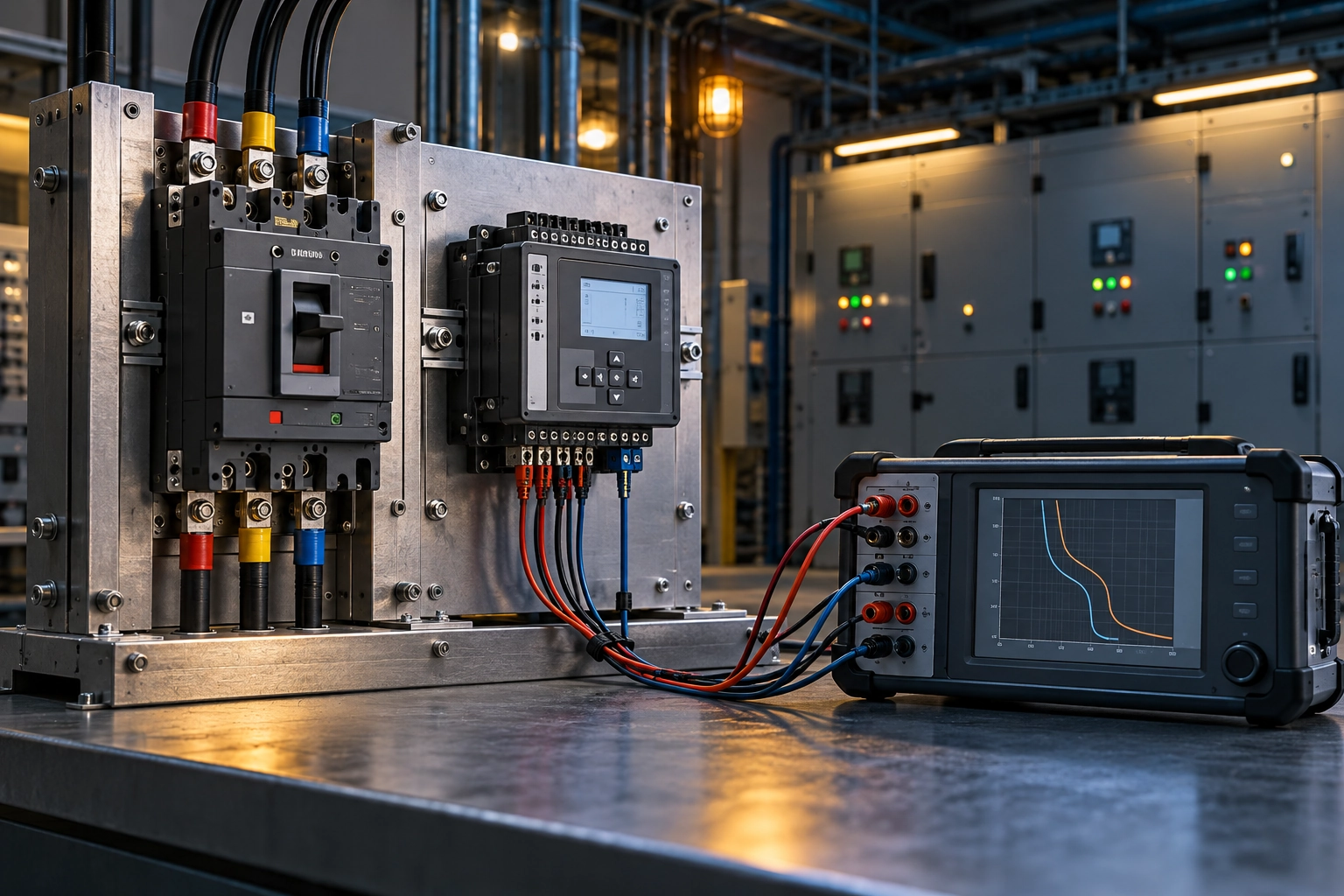
TSK-001086 · Protective-control design
Centrifuge SPO, Supplier Evaluation, and Lessons-Learned Transfer
Full lifecycle project ownership
Direct Work
Converted centrifuge trials and operating lessons into supplier-selection goals, AFE and specification plans, and cross-site controls, maintenance and wastewater questions.
Owned the full project lifecycle: capital planning and prioritization, need definition, feasibility and scope development, engineering and AFE justification, procurement and vendor coordination, construction sequencing and field oversight, commissioning, turnover, and post-startup support. Connected operating requirements with technical scope, funding decisions, execution readiness, and the needs of operations and maintenance.
Project Team Contribution
Team Contribution
Other plants supplied operating, maintenance, filtration-cost and disposal feedback for cross-site comparison.
Supplier Evidence and Technical Reference
Supplier Reference
Centrifuge suppliers supplied service, controls, recalibration and feasibility responses; future control changes and machine retention remained decision items.
SMART targets: supplier evaluation by June 30, 2025; AFE approval by September 30, 2025; specifications, procurement and installation planning by December 15, 2025; SPO due February 28, 2026.
Proposed using centrifuge supplier and centrifuge supplier installations as future long-term comparisons of cost, service and performance, subject to equipment retention/return and AFE decisions. The message requested a decision; it does not establish both installations or later performance.
Distinguished high-clarity wine duty from vinegar polishing and membrane recirculation. One comparison reported about 4–8 NTU wine at 10–12 GPM from 700–800 NTU rice/cider feed on a system nominally quoted at 30 GPM; another reported a similar operating range. Other comparison notes used 0–10 NTU as an ideal wine range and discussed intolerance above 20 NTU. Apple/rice streams represented about 80% of the referenced production mix. These product and fermentation differences guided cross-site trial interpretation and supplier sizing.
Investigated an approximately 10 GPM product loss through an air-operated valve and distinguished meter sensitivity from PLC interpretation of the loss as normal outfeed. Compared adding alarms/interlocks, preventive inspection, limit/proximity feedback, an integrated-position valve and a fail-closed valve with revised logic. Requested supplier feasibility and programming pricing before treating the protection as implemented.
Used plant-reported filtration costs to compare alternatives:1500 USD was described as typical for a 6000-gallon vinegar batch, while some batches had cost 6000 USD. The notes contrasted batch duration and ceramic operation across 6000- and 60000-gallon runs; they did not establish a new annual savings amount.
Surveyed which plants use DE/media treatment for wine, DE treatment for vinegar, cartridge filtration for apple-cider vinegar and centrifuges for each duty. Distinguished upstream wine clarification from downstream vinegar polishing and treated color/carbon removal separately when evaluating a common separation platform.
Tracked supplier and plant actions for Ethernet access, OEM assistance with NTU scaling/recalibration, critical-alarm shutdown logic and service quotations. Assigned follow-up did not itself establish closure of the control changes.
Evaluated settling followed by repeat centrifugation and automatic recirculation for improved clarity, foam control and product recovery. Compared hermetic design and oxygen-pickup concerns while keeping recirculation proposals separate from demonstrated production improvements.
Collected feedback on separation tuning, routine attention to sound and process condition, satisfaction with the existing machine and willingness to buy it again. Used the observations to compare operating practices and support needs without attributing cross-site reliability differences to a single cause.
Compared reports from separate facilities of clogged solids pumps, dirty level sensors, overheated plastic auger housings and damaged motors against operating practices. The review covered dry-running stator wear, long-sweep piping, sensor cleaning, water-filter care, wash cycles and a watchdog that would stop the machine on critical conditions. One report described annual filter replacement, monthly sensor wiping, six-month housing replacement, caustic cleaning and freshwater rinses. Divergent views on unattended operation and service responsibility prompted explicit safe-standby requirements; no universal operating procedure was adopted from one site. A separate report described 2% caustic cleaning without exceeding three production batches between caustic cycles. A 60–180 second watchdog interval was raised for evaluation without a finalized setting.
Evaluated common equipment platforms for shared spare parts, operator cross-training and more consistent formula transfer between plants, while recognizing that common obsolete equipment can create a simultaneous multi-site support problem. Labeler spare-part availability across four bottling lines illustrated that tradeoff.
Compared solids collection and drain disposal against each plant’s wastewater permissions. The comparison facility’s handling allowance did not establish permission at other plants, so waste routing and pumpable-versus-collected solids were included in trial and installation planning.