TSK-000063 · Method
Preventive-Maintenance and CIP Follow-Up Requirements
Explore the capability, case, and equipment connections for this activity.
Activity Detail
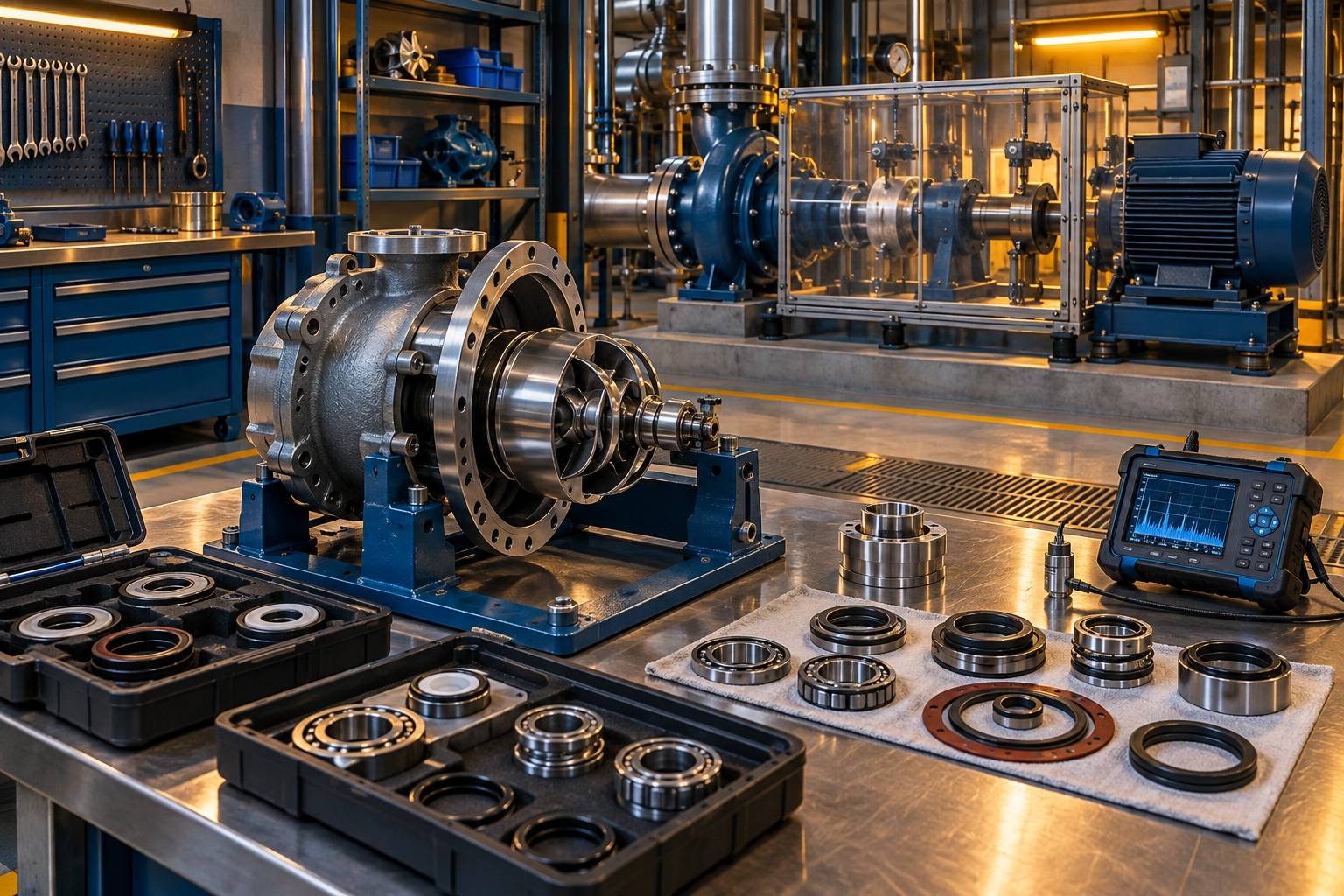
Used the system audit and SOP updates to define PM routines, CIP logging, tri-clamp inspection, gasket replacement, air-system checks, UV/soft-water recommendations, and filtration supplier gearbox-repair and washdown-cover requests.
Case Context
Ceramic-Filter SOP, Preventive-Maintenance and CIP Audit ↗Project Context
PRJ-A-010 · Ceramic Crossflow Filter System + Ion Exchange Trial ↗Capabilities
- Audit Cleaning Procedures and Operator UnderstandingRecorded application
Why these connect
The source model links this activity to the capability.
- Coordinate Repairs, Spares and Production RecoveryRecorded application
Why these connect
The source model links this activity to the capability.
- Inspect Sanitary Connections and Equipment ConditionRecorded application
Why these connect
The source model links this activity to the capability.
- Plan Cleanable Storage and RecirculationRecorded application
Why these connect
The source model links this activity to the capability.
- Record Filtration and Cleaning Operating EvidenceRecorded application
Why these connect
The source model links this activity to the capability.
- Review Panel Protection and VentilationRecorded application
Why these connect
The source model links this activity to the capability.
- Set Preventive and Condition-Based Maintenance IntervalsRecorded application
Why these connect
The source model links this activity to the capability.
- Complete Chemical-Routing and Spill-Response ProceduresApplication relevance
Why these connect
Application question: Can inspection, chemical handling and operator practices sustain reliable cleaning? The selected activity supplies a concrete operating, design or decision context in which to complete chemical-routing and spill-response procedures.
- Connect Monitoring to Corrective ActionApplication relevance
Why these connect
Application question: Can improvement decisions be tied to stable measures and sustained controls? The selected activity supplies a concrete operating, design or decision context in which to connect monitoring to corrective action.
- Coordinate Asset Records and Location HierarchiesApplication relevance
Why these connect
Application question: Can an asset and its lifecycle records be reconciled to the physical installation? The selected activity supplies a concrete operating, design or decision context in which to coordinate asset records and location hierarchies.
- Coordinate Filtration Repairs and Temporary ReplacementsApplication relevance
Why these connect
Application question: Which demand, fouling, cleaning and routing constraints determine filtration capacity? The selected activity supplies a concrete operating, design or decision context in which to coordinate filtration repairs and temporary replacements.
- Diagnose Filtration Fouling and Equipment FaultsApplication relevance
Why these connect
Application question: Which demand, fouling, cleaning and routing constraints determine filtration capacity? The selected activity supplies a concrete operating, design or decision context in which to diagnose filtration fouling and equipment faults.
Show 3 more connections
- Distinguish Cleaning Modes and Sequence RequirementsApplication relevance
Why these connect
Application question: Are cleaning states, chemistry, flow and release logic mutually consistent? The selected activity supplies a concrete operating, design or decision context in which to distinguish cleaning modes and sequence requirements.
- Interpret Chemical Cleaning and Verification SequencesApplication relevance
Why these connect
Application question: Do filtration and cleaning transitions implement the required flow and release conditions? The selected activity supplies a concrete operating, design or decision context in which to interpret chemical cleaning and verification sequences.
- Reconcile Chemical Demand and Wastewater HandlingApplication relevance
Why these connect
Application question: Can inspection, chemical handling and operator practices sustain reliable cleaning? The selected activity supplies a concrete operating, design or decision context in which to reconcile chemical demand and wastewater handling.
Systems & Equipment
All Portfolio Connections
All portfolio connections (29)
- Ceramic Filtration, Membranes, and Polishing — Application Review Review artifact
- CIP Audits, Chemical Management, and Sanitation Sustainment — Application Review Review artifact
- CIP Engineering and Cleaning-Sequence Control — Application Review Review artifact
- Filtration Sequence and Control-Architecture Interpretation — Application Review Review artifact
- Fixed Assets, EAM, Capitalization, and Disposal — Application Review Review artifact
- Lean Six Sigma, Quality Systems, and Governance Maturity — Application Review Review artifact
- Reliability, Maintenance, and Operational Support — Application Review Review artifact
- Ventilation, Control Rooms, and Equipment Protection — Application Review Review artifact
- Water, RO, Ozone, and Reuse — Application Review Review artifact
- Audit Cleaning Procedures and Operator Understanding Recorded application
- Complete Chemical-Routing and Spill-Response Procedures Application relevance
- Connect Monitoring to Corrective Action Application relevance
- Coordinate Asset Records and Location Hierarchies Application relevance
- Coordinate Filtration Repairs and Temporary Replacements Application relevance
- Coordinate Repairs, Spares and Production Recovery Recorded application
- Diagnose Filtration Fouling and Equipment Faults Application relevance
- Distinguish Cleaning Modes and Sequence Requirements Application relevance
- Inspect Sanitary Connections and Equipment Condition Recorded application
- Interpret Chemical Cleaning and Verification Sequences Application relevance
- Plan Cleanable Storage and Recirculation Recorded application
- Reconcile Chemical Demand and Wastewater Handling Application relevance
- Record Filtration and Cleaning Operating Evidence Recorded application
- Review Panel Protection and Ventilation Recorded application
- Set Preventive and Condition-Based Maintenance Intervals Recorded application
- Sanitary-System Audit and Corrective Maintenance Shared case
- Preventive-Maintenance and CIP Follow-Up Requirements ↗ Existing portfolio connection
- CIP and Sanitation ↗ Existing portfolio connection
- Ceramic Crossflow Filter System + Ion Exchange Trial Existing portfolio connection
- Ceramic Membrane Ceramic Filter SOP and PM Audit Existing portfolio connection
Project Ownership and Delivery Context
Owned the full project lifecycle: capital planning and prioritization, need definition, feasibility and scope development, engineering and AFE justification, procurement and vendor coordination, construction sequencing and field oversight, commissioning, turnover, and post-startup support. Connected operating requirements with technical scope, funding decisions, execution readiness, and the needs of operations and maintenance.
Compared filtration options against demand and lifecycle requirements, integrated CIP and instrumentation with dedicated electrical feeds, and developed clean-water-flux tracking and maintenance follow-up. Ion-exchange testing extended the investigation into product clarity and quality, while modular expansion planning connected the equipment choice with future operating demand.
Related Analysis and Application Artifacts
- Ceramic Filtration, Membranes, and Polishing — Application ReviewCapability application review
- CIP Audits, Chemical Management, and Sanitation Sustainment — Application ReviewCapability application review
- CIP Engineering and Cleaning-Sequence Control — Application ReviewCapability application review
- Filtration Sequence and Control-Architecture Interpretation — Application ReviewCapability application review
- Fixed Assets, EAM, Capitalization, and Disposal — Application ReviewCapability application review
- Lean Six Sigma, Quality Systems, and Governance Maturity — Application ReviewCapability application review
- Reliability, Maintenance, and Operational Support — Application ReviewCapability application review
- Ventilation, Control Rooms, and Equipment Protection — Application ReviewCapability application review
- Water, RO, Ozone, and Reuse — Application ReviewCapability application review