Capital Strategy and Business Alignment
Translate Growth Forecasts, Customer Demand, Operating Constraints, and Asset Condition into Capital Priorities
Engineering practice and documented application
 APOLLO AUTOMATIONJAMES WARREN · ENGINEERING & PROJECT LEADERSHIP
PRJ-A-010 · Food and beverage manufacturer
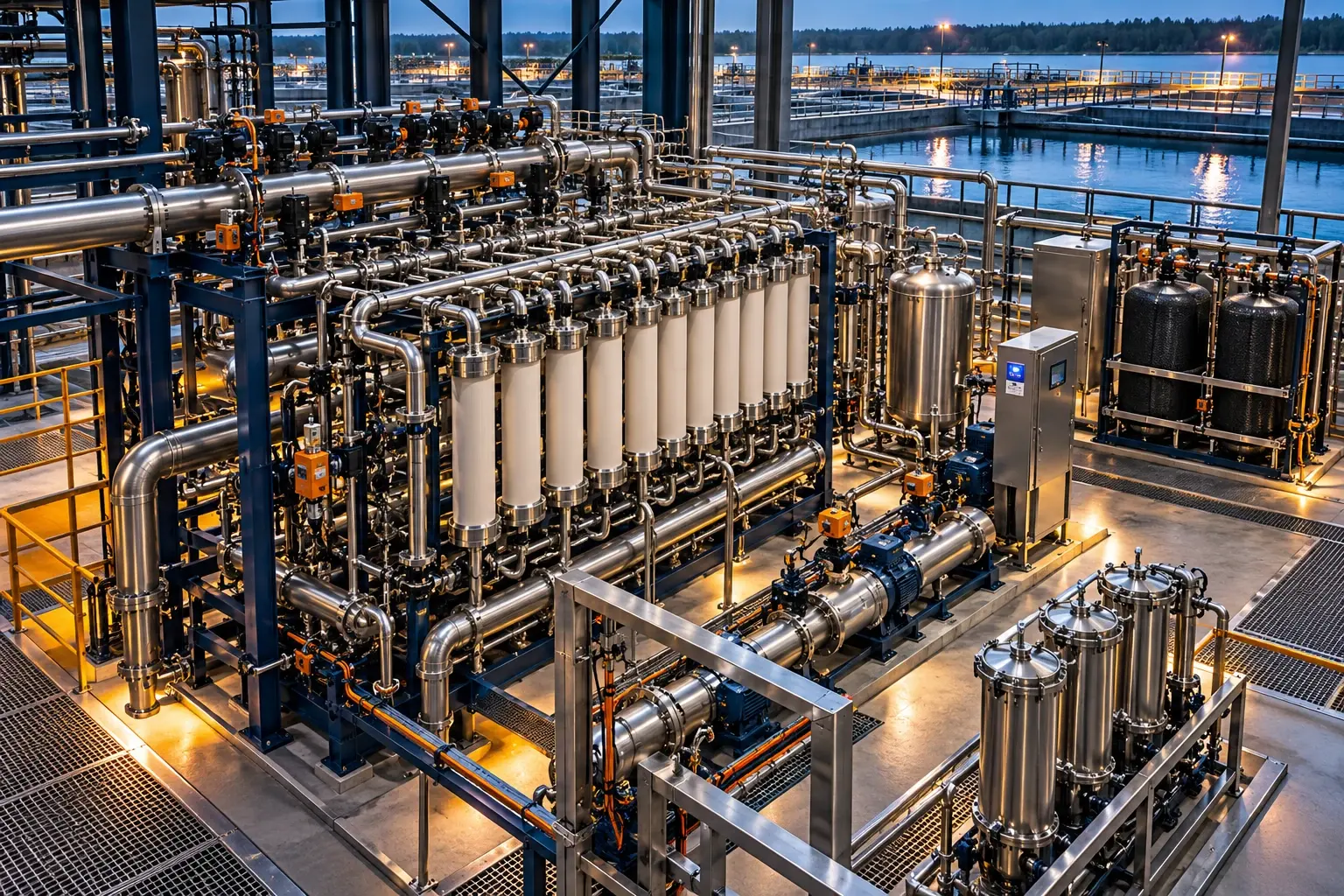
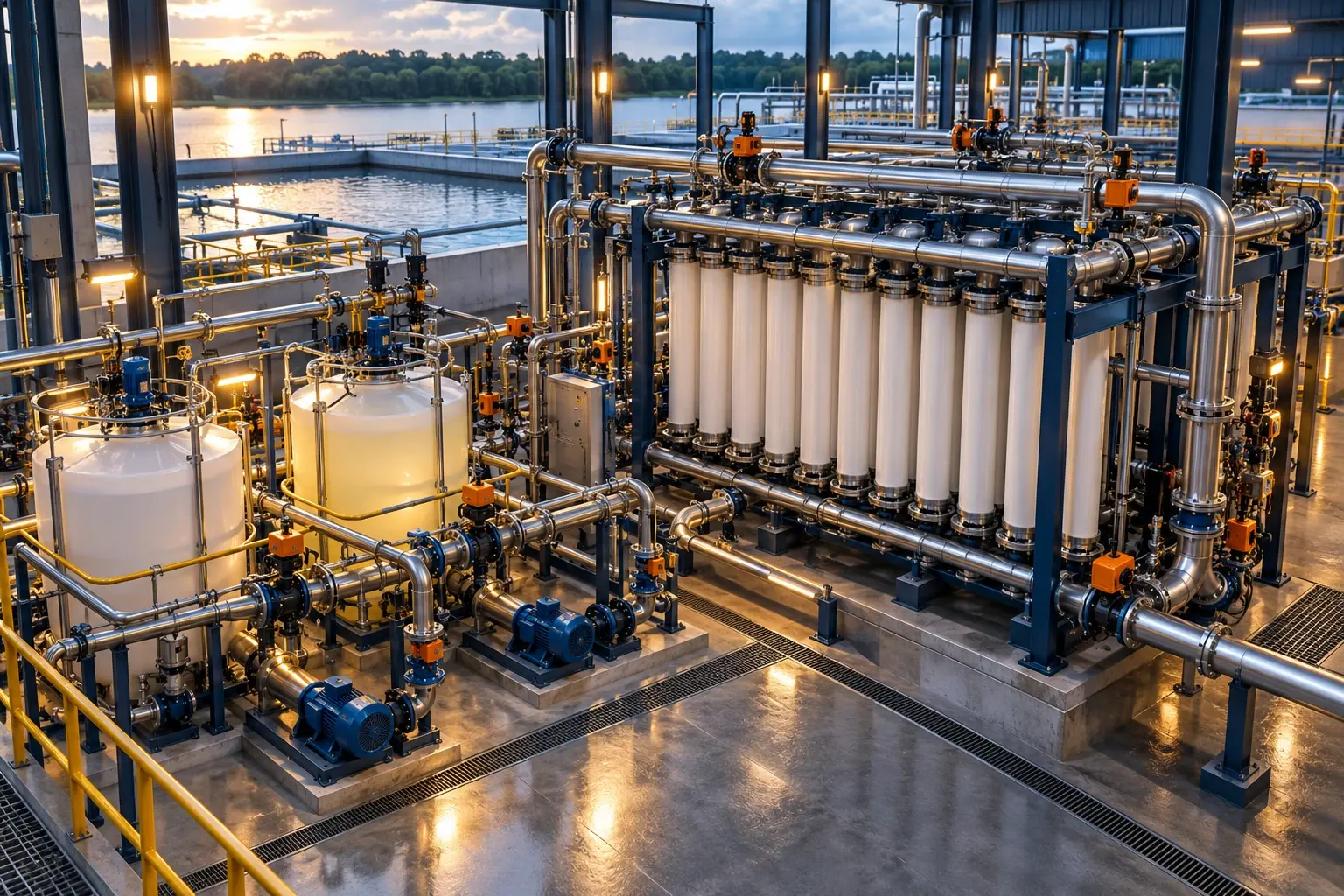
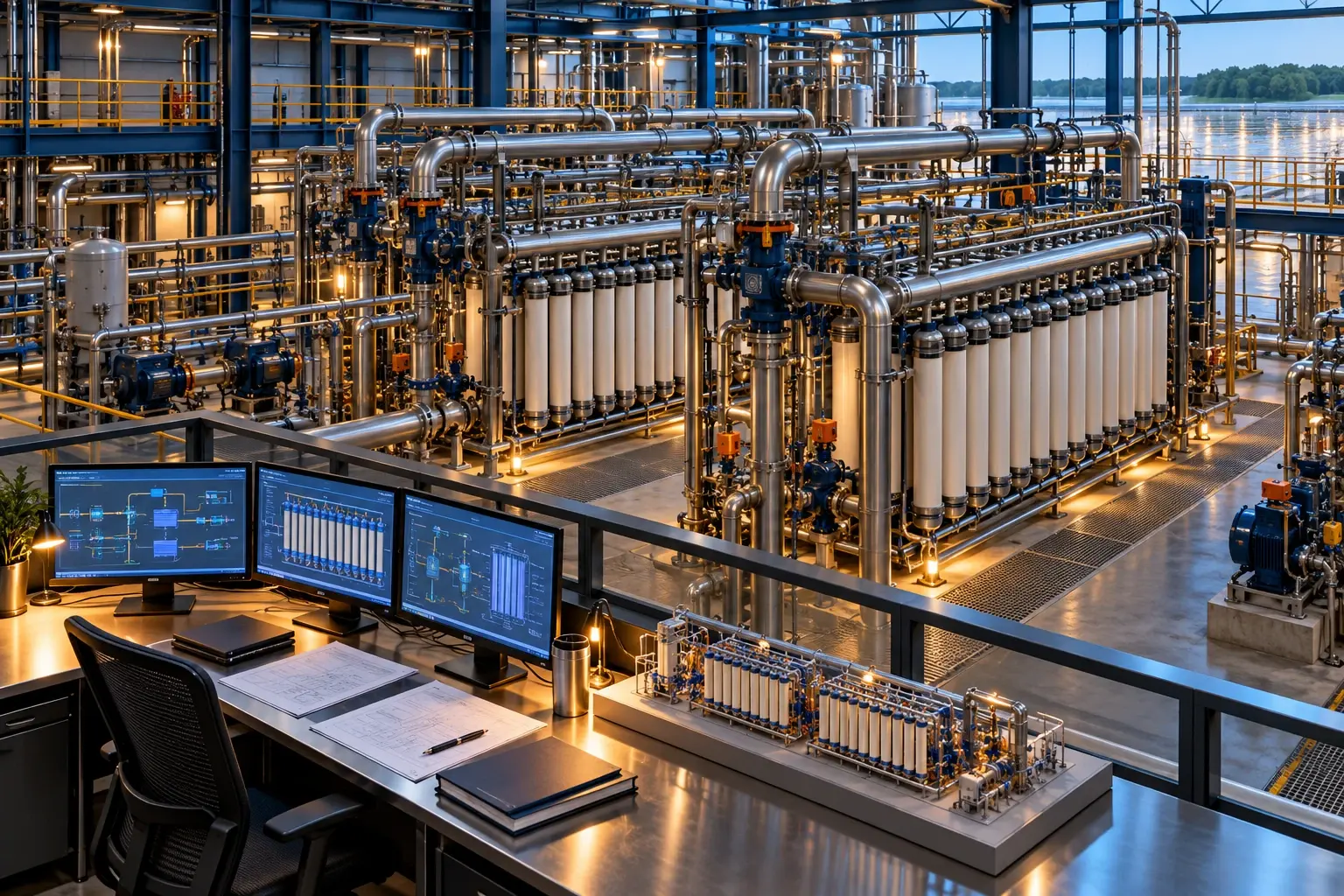
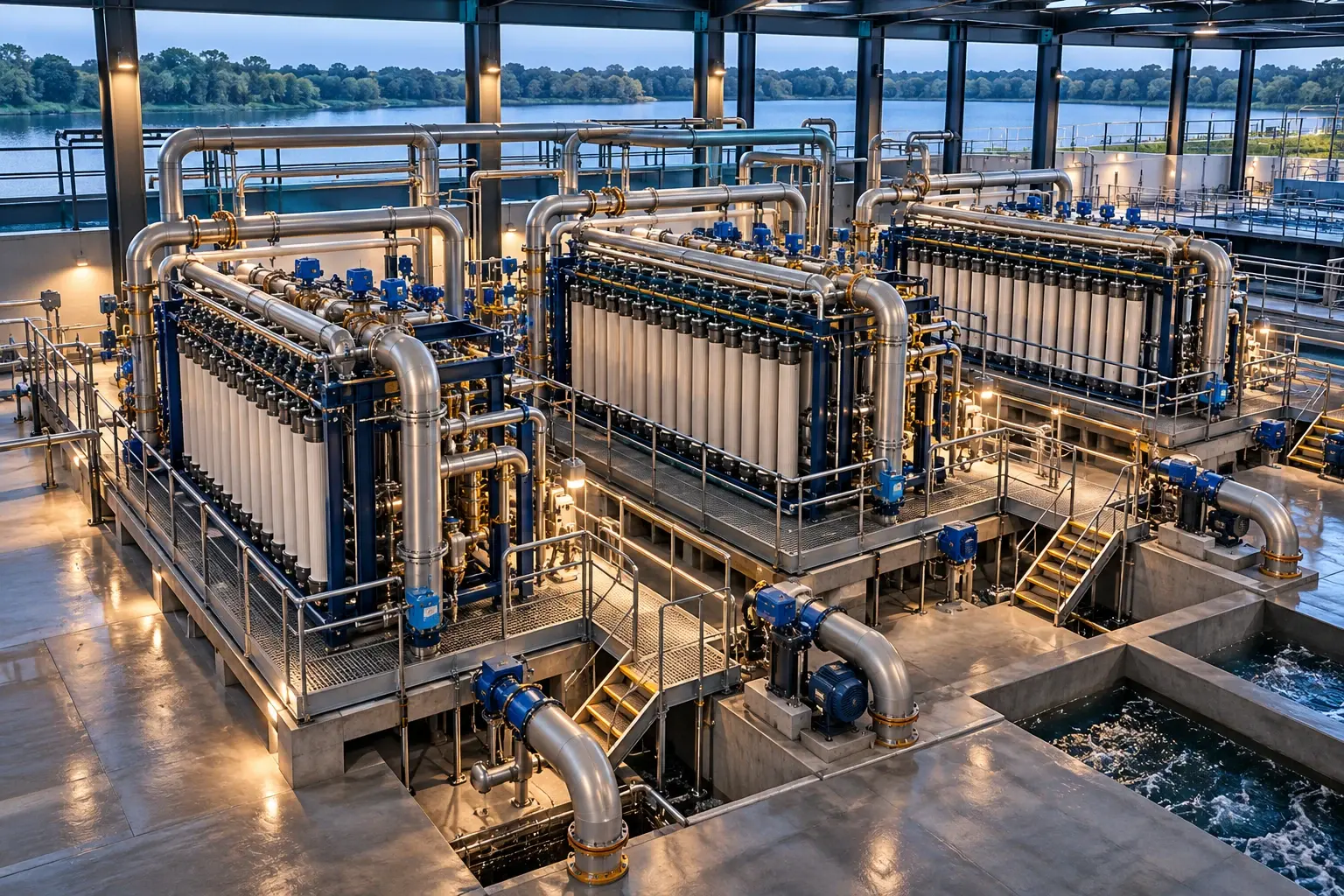
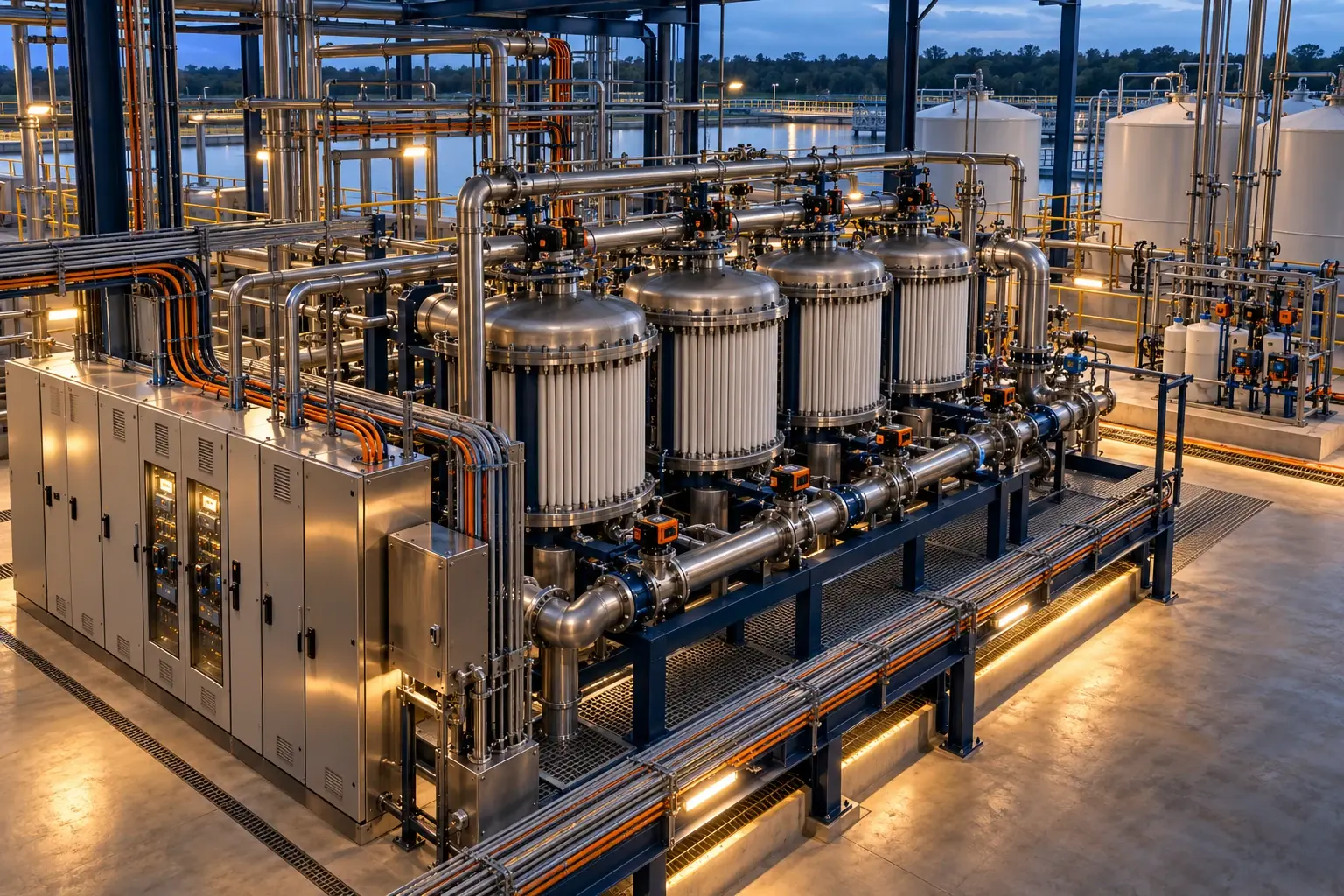
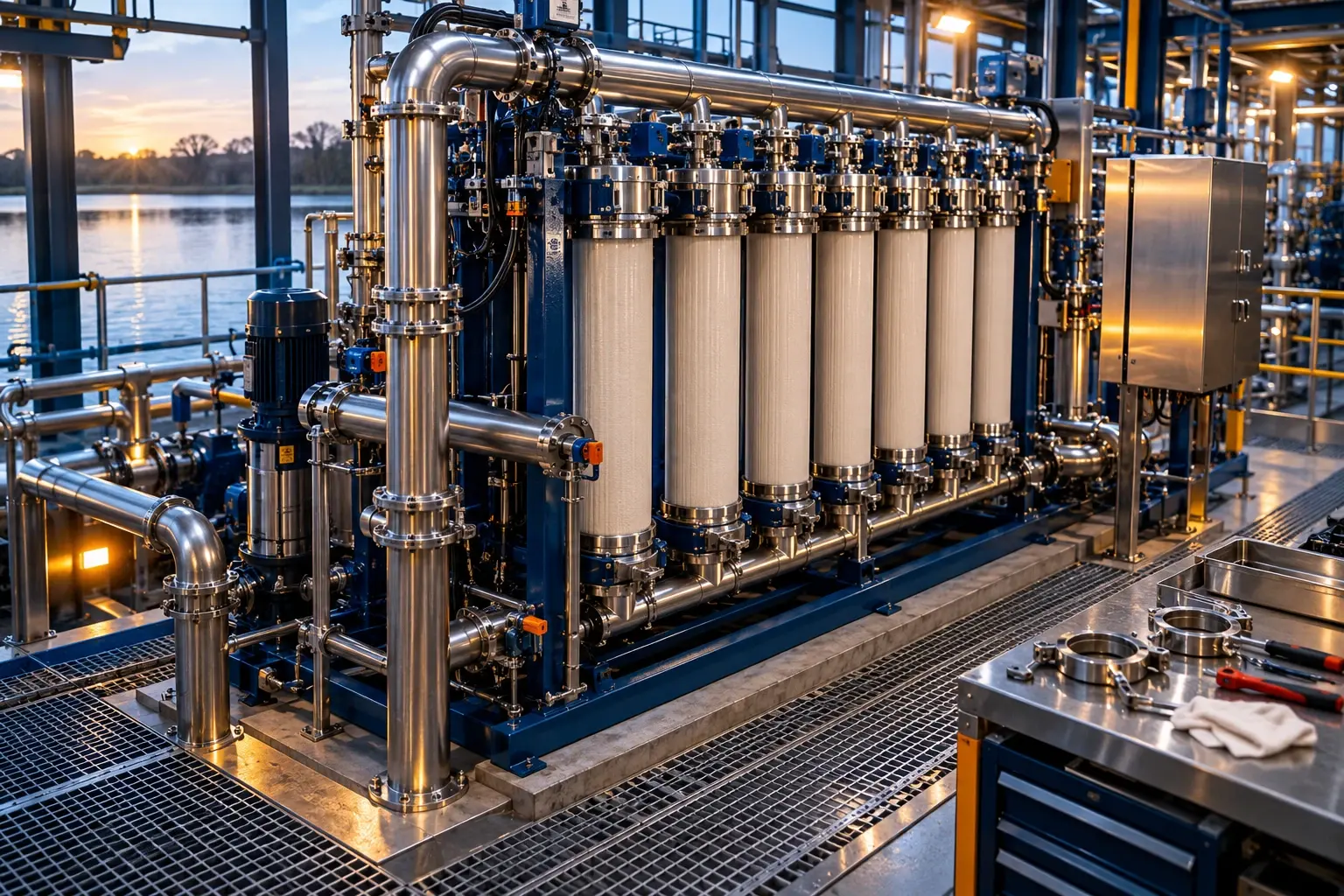
Owned the full lifecycle of this project, connecting capital planning, engineering, delivery and operating readiness. Filtration performance depended on the entire cleaning and product-flow cycle. Filter selection, sanitary routing, automatic valves and cleaning effectiveness determined both usable capacity and the operating burden on the plant.
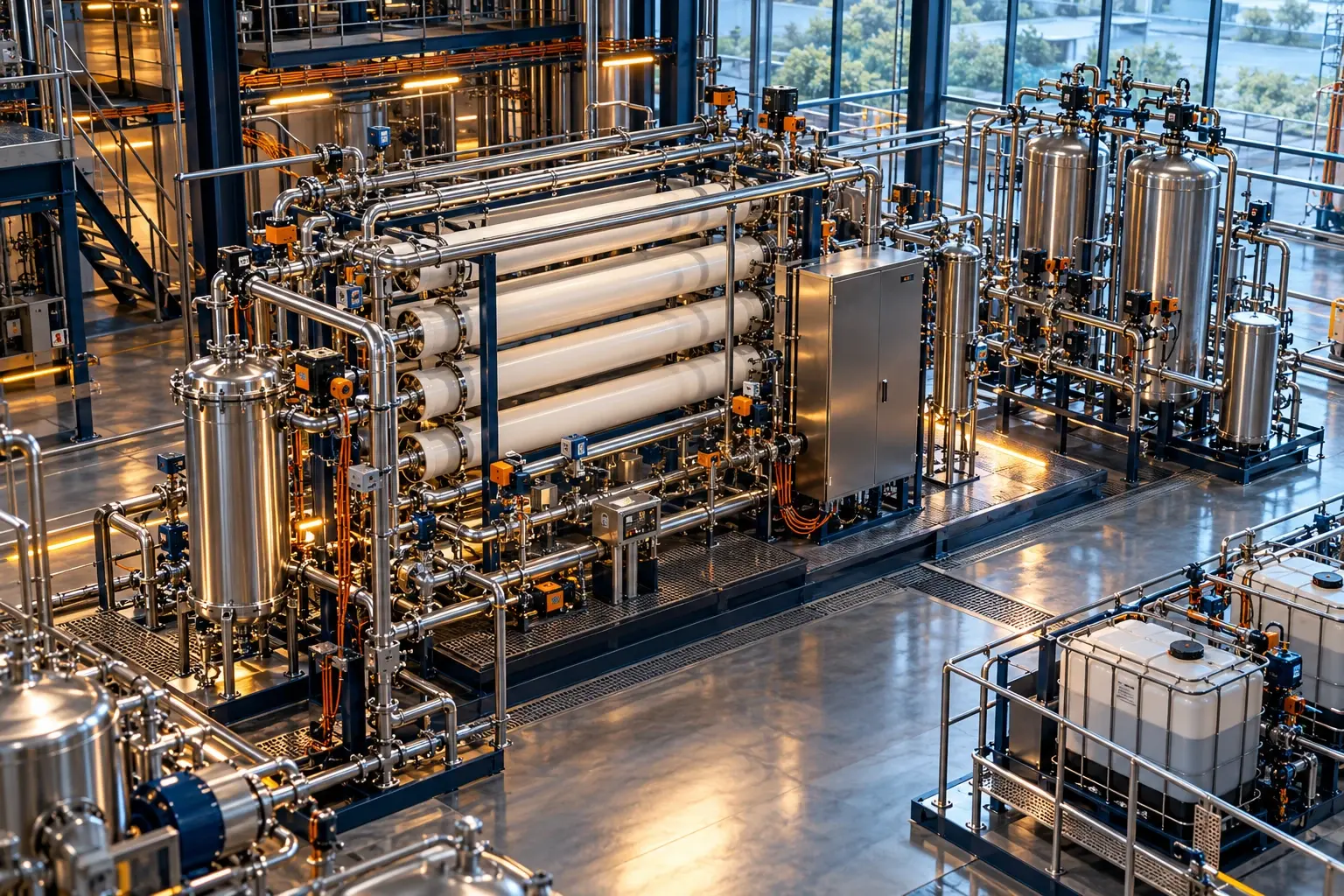
Workstream: Wine Clarification and Vinegar Polishing Modernization
Filtration performance depended on the entire cleaning and product-flow cycle. Filter selection, sanitary routing, automatic valves and cleaning effectiveness determined both usable capacity and the operating burden on the plant.
Compared filtration options against demand and lifecycle requirements, integrated CIP and instrumentation with dedicated electrical feeds, and developed clean-water-flux tracking and maintenance follow-up. Ion-exchange testing extended the investigation into product clarity and quality, while modular expansion planning connected the equipment choice with future operating demand.
Reduced operating expense by $229K per year by eliminating consumables and extending CIP intervals.
CIP and Process Clarification
Full lifecycle project ownership
Owned the full project lifecycle: capital planning and prioritization, need definition, feasibility and scope development, engineering and AFE justification, procurement and vendor coordination, construction sequencing and field oversight, commissioning, turnover, and post-startup support. Connected operating requirements with technical scope, funding decisions, execution readiness, and the needs of operations and maintenance.
Capital Strategy and Business Alignment
Engineering practice and documented application
Project Lifecycle, FEL, and Execution Models
Engineering practice and documented application
Action
Applies capabilities
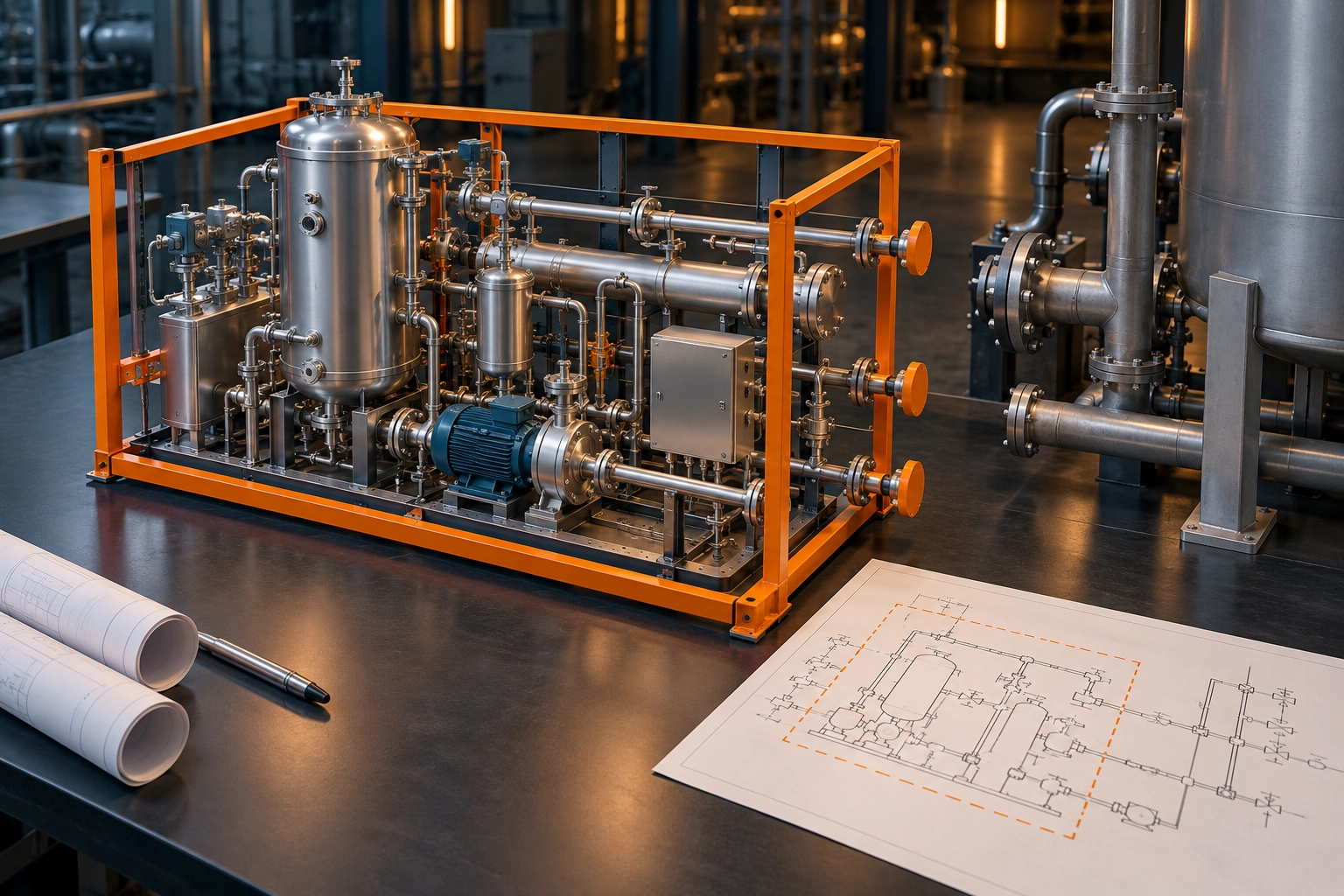
Lifecycle Artifacts: Front-End and Design
Engineering practice and documented application
Lifecycle Artifacts: Front-End and Design
Engineering practice and documented application
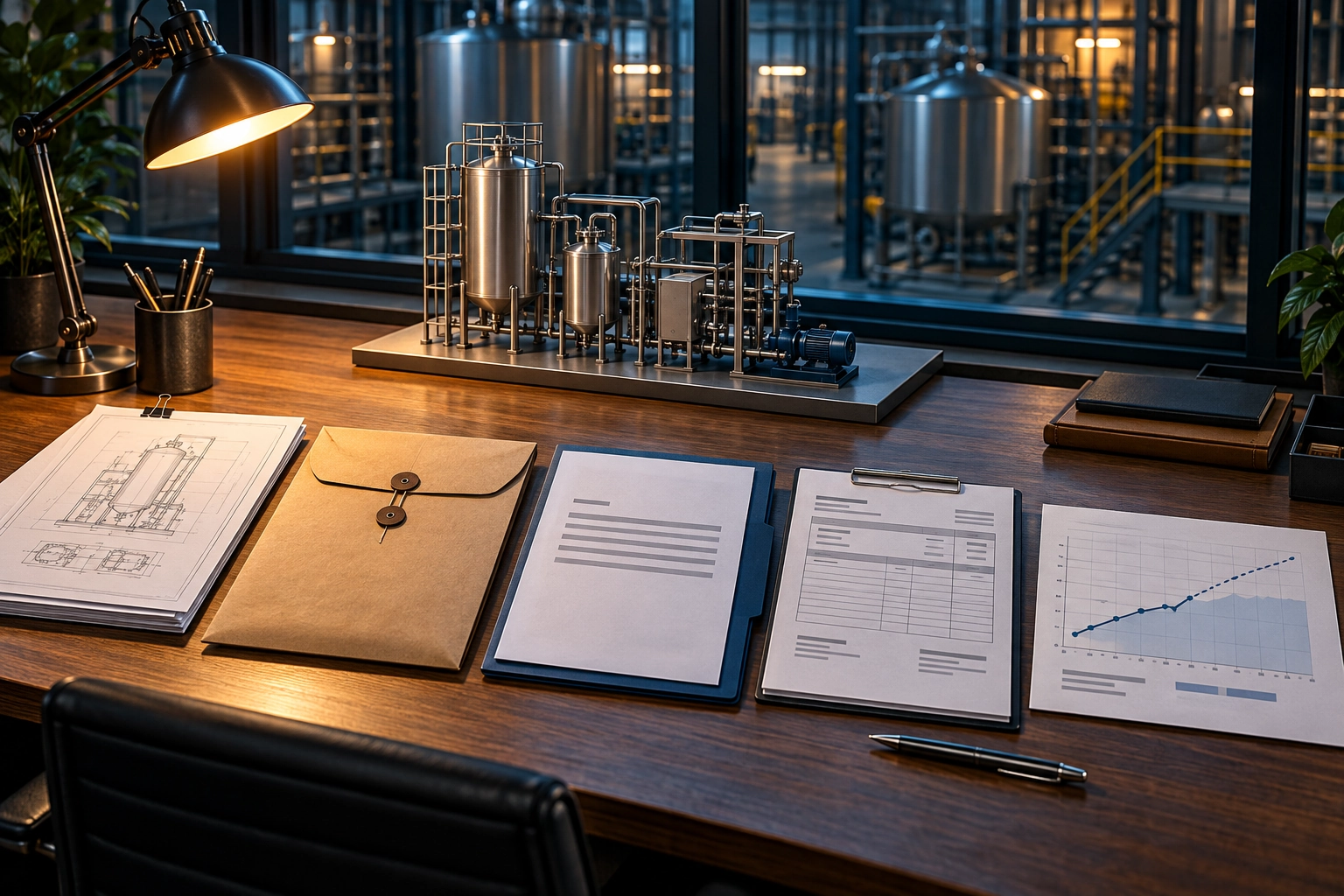
Estimating, Financial Control, and Expense Traceability
Engineering practice and documented application
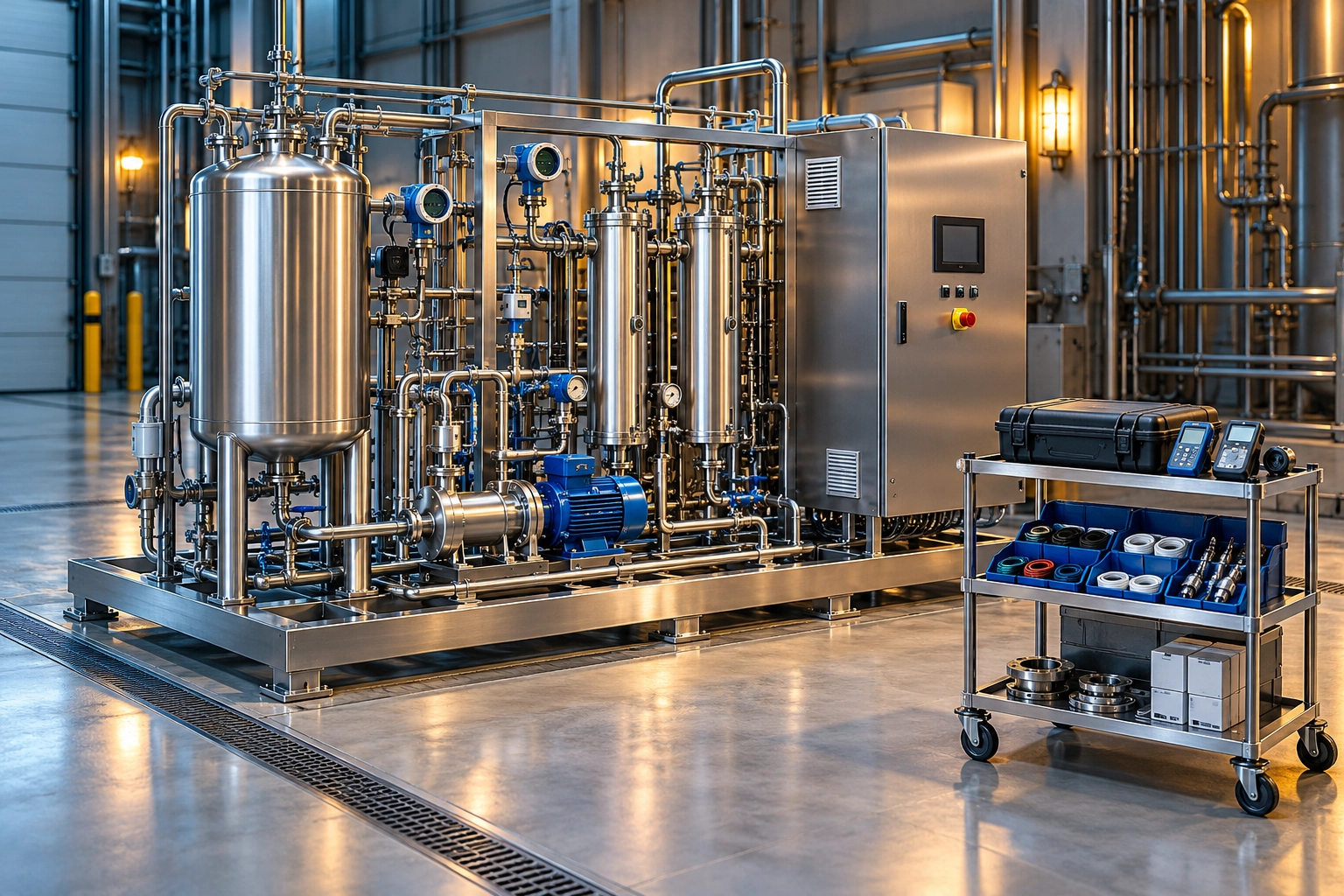
Procurement, Contracts, and Supplier Coordination
Engineering practice and documented application
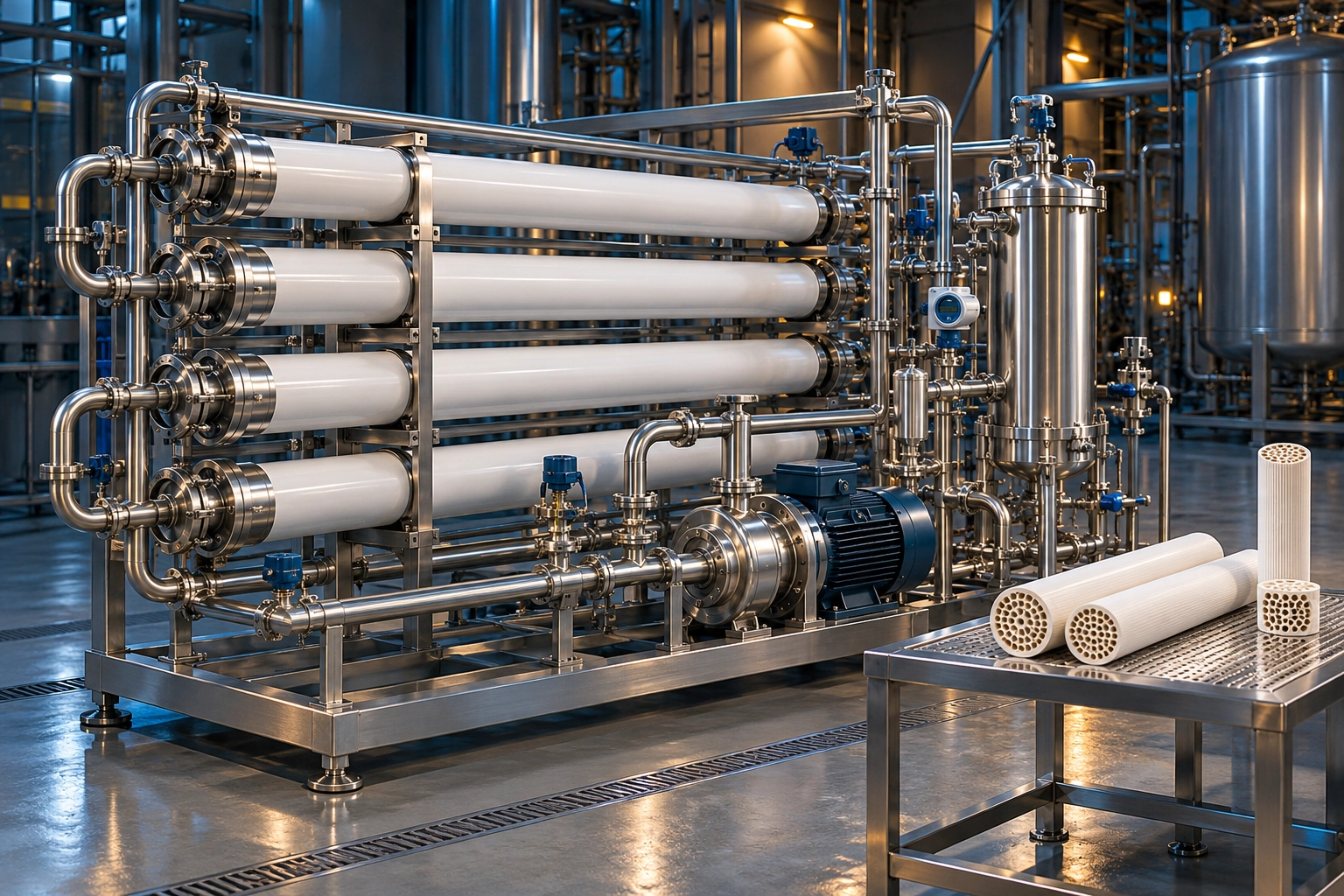
TSK-000039 · Method
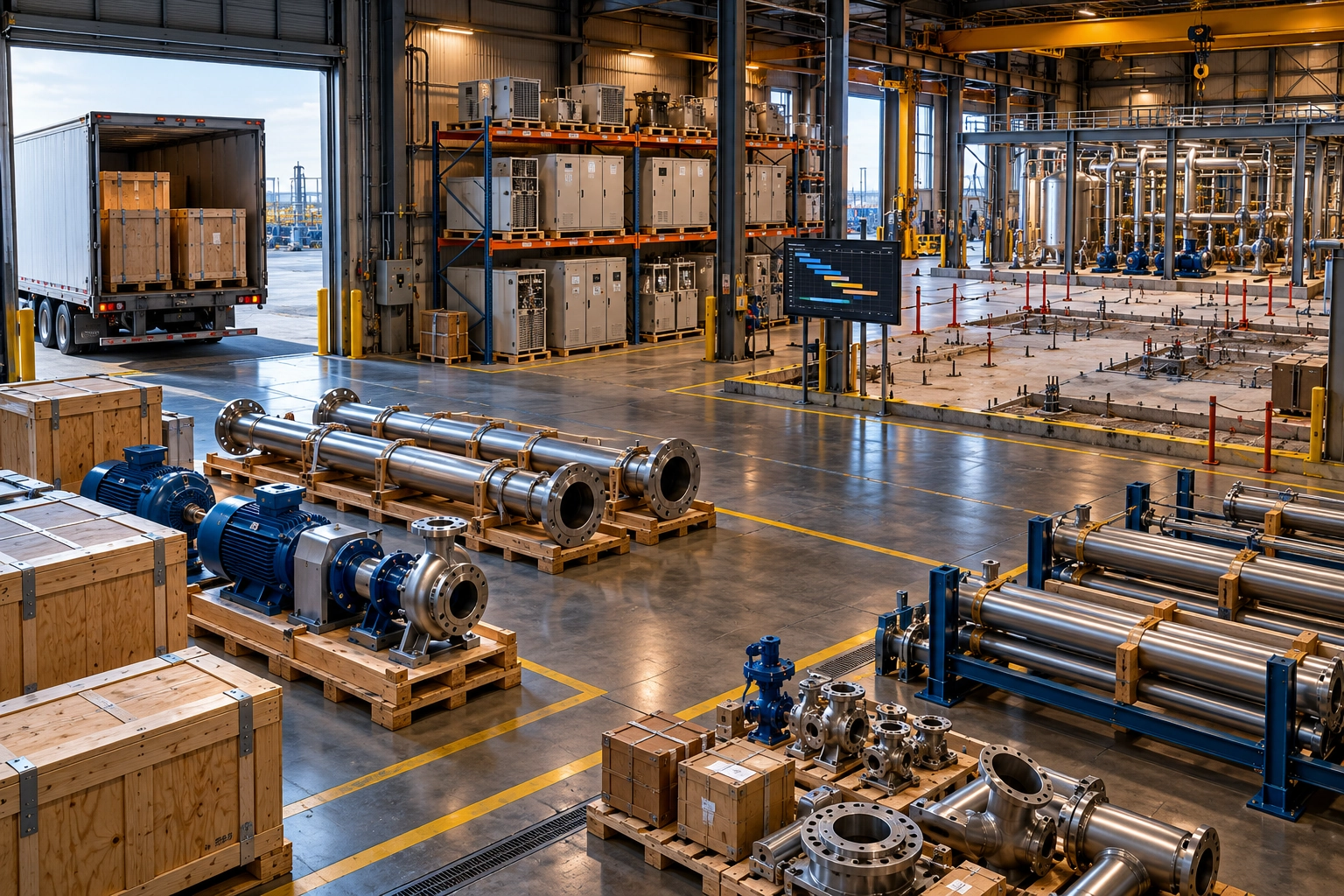
Ceramic Crossflow Option Comparison and AFE Clarification
Design parameter · Vendor test proposal
Applies to: Coordinated and reviewed filtration supplier's laboratory cleanability study, using the vendor's neutralization, temperature and particulate findings to inform a production-validation decision
Proposed input — Proposed concentrate sample volume
Estimating, Financial Control, and Expense Traceability
Engineering practice and documented application
Risk, Uncertainty, and Decision Support
Engineering practice and documented application
Risk, Uncertainty, and Decision Support
Engineering practice and documented application
TSK-000039 · Method
Ceramic Crossflow Option Comparison and AFE Clarification
TSK-000856 · Action
Ceramic Crossflow Filter System + Ion Exchange Trial
Recorded applicationScope or inventory quantity · Analysis scope
Applies to: Developed exploratory bed-volume, column, pump, batch and resin calculations; identified formula-error cells for correction before final sizing
Exploratory sizing — Sizing workbook sheets — Exploratory sizing
Lean Six Sigma, Quality Systems, and Governance Maturity
Engineering practice and documented application
Lean Six Sigma, Quality Systems, and Governance Maturity
Engineering practice and documented application
Lean Six Sigma, Quality Systems, and Governance Maturity
Engineering practice and documented application
Lean Six Sigma, Quality Systems, and Governance Maturity
Engineering practice and documented application
Data Analytics, BI, and Operational Reporting
Engineering practice and documented application
Data Analytics, BI, and Operational Reporting
Engineering practice and documented application
Data Analytics, BI, and Operational Reporting
Engineering practice and documented application
Data Analytics, BI, and Operational Reporting
Engineering practice and documented application
TSK-000036 · Method
Filtration Demand and Capacity Modeling
TSK-000858 · Action
Ceramic Crossflow Filter System + Ion Exchange Trial
Recorded applicationOwned capital planning and the full delivery lifecycle. The cards connect the applicable responsibilities with the recorded work.
Capital Strategy and Business Alignment
Engineering practice and documented application
Project Lifecycle, FEL, and Execution Models
Engineering practice and documented application
Estimating, Financial Control, and Expense Traceability
Engineering practice and documented application
Procurement, Contracts, and Supplier Coordination
Engineering practice and documented application
Investment Economics and Lifecycle Analysis
Engineering practice and documented application
Investment Economics and Lifecycle Analysis
Engineering practice and documented application
Investment Economics and Lifecycle Analysis
Engineering practice and documented application
Investment Economics and Lifecycle Analysis
Engineering practice and documented application
Investment Economics and Lifecycle Analysis
Engineering practice and documented application
Investment Economics and Lifecycle Analysis
Academic preparation and analytical method
Risk, Uncertainty, and Decision Support
Engineering practice and documented application
Risk, Uncertainty, and Decision Support
Engineering practice and documented application
Risk, Uncertainty, and Decision Support
Engineering practice and documented application
TSK-000038 · Method
Ceramic Filtration Cost-per-Gallon and NPV Model
TSK-000039 · Method
Ceramic Crossflow Option Comparison and AFE Clarification
TSK-000042 · Method
Ceramic Filtration Sustainability and Operator Exposure Reduction
TSK-000043 · Method
Ceramic Filtration Labor-Cost Reduction
TSK-000044 · Method
Ceramic Filtration Modular Expansion Strategy
TSK-000856 · Action
Ceramic Crossflow Filter System + Ion Exchange Trial
Recorded applicationTSK-000963 · Academic analytical method
Scope or inventory quantity · Analysis scope
Applies to: Developed exploratory bed-volume, column, pump, batch and resin calculations; identified formula-error cells for correction before final sizing
Exploratory sizing — Sizing workbook sheets — Exploratory sizing
Statistical Quality, Measurement Systems, and Sampling
Academic preparation and analytical method
Statistical Quality, Measurement Systems, and Sampling
Academic preparation and analytical method
Statistical Quality, Measurement Systems, and Sampling
Academic preparation and analytical method
Statistical Quality, Measurement Systems, and Sampling
Academic preparation and analytical method
Statistical Quality, Measurement Systems, and Sampling
Academic preparation and analytical method
TSK-000965 · Academic analytical method
TSK-000966 · Academic analytical method
TSK-000968 · Academic analytical method
Optimization and Operations Research
Engineering practice and documented application
Optimization and Operations Research
Academic preparation and analytical method
Forecasting, Inventory, Supply Chain, and Logistics
Academic preparation and analytical method
Forecasting, Inventory, Supply Chain, and Logistics
Academic preparation and analytical method
Forecasting, Inventory, Supply Chain, and Logistics
Academic preparation and analytical method
Forecasting, Inventory, Supply Chain, and Logistics
Engineering practice and documented application
TSK-000979 · Academic analytical method
TSK-000980 · Academic analytical method
Stochastic Models and Uncertainty Analytics
Academic preparation and analytical method
Stochastic Models and Uncertainty Analytics
Academic preparation and analytical method
Stochastic Models and Uncertainty Analytics
Academic preparation and analytical method
Stochastic Models and Uncertainty Analytics
Academic preparation and analytical method
Stochastic Models and Uncertainty Analytics
Academic preparation and analytical method
TSK-000984 · Academic analytical method
TSK-000985 · Academic analytical method
TSK-000986 · Academic analytical method
DOE, Regression, and Empirical Statistical Modeling
Academic preparation and analytical method
DOE, Regression, and Empirical Statistical Modeling
Academic preparation and analytical method
DOE, Regression, and Empirical Statistical Modeling
Academic preparation and analytical method
DOE, Regression, and Empirical Statistical Modeling
Academic preparation and analytical method
DOE, Regression, and Empirical Statistical Modeling
Academic preparation and analytical method
DOE, Regression, and Empirical Statistical Modeling
Academic preparation and analytical method
DOE, Regression, and Empirical Statistical Modeling
Academic preparation and analytical method
DOE, Regression, and Empirical Statistical Modeling
Academic preparation and analytical method
DOE, Regression, and Empirical Statistical Modeling
Engineering practice and documented application
TSK-000969 · Academic analytical method
TSK-000970 · Academic analytical method
TSK-000971 · Academic analytical method
TSK-000972 · Academic analytical method
TSK-000973 · Academic analytical method
TSK-000974 · Academic analytical method
TSK-000975 · Academic analytical method
DOE, Regression, and Empirical Statistical Modeling
Academic preparation and analytical method
DOE, Regression, and Empirical Statistical Modeling
Academic preparation and analytical method
DOE, Regression, and Empirical Statistical Modeling
Academic preparation and analytical method
DOE, Regression, and Empirical Statistical Modeling
Academic preparation and analytical method
DOE, Regression, and Empirical Statistical Modeling
Academic preparation and analytical method
DOE, Regression, and Empirical Statistical Modeling
Academic preparation and analytical method
DOE, Regression, and Empirical Statistical Modeling
Academic preparation and analytical method
DOE, Regression, and Empirical Statistical Modeling
Academic preparation and analytical method
DOE, Regression, and Empirical Statistical Modeling
Engineering practice and documented application
Data Analytics, BI, and Operational Reporting
Engineering practice and documented application
Data Analytics, BI, and Operational Reporting
Engineering practice and documented application
Data Analytics, BI, and Operational Reporting
Engineering practice and documented application
Data Analytics, BI, and Operational Reporting
Engineering practice and documented application
Data Analytics, BI, and Operational Reporting
Engineering practice and documented application
Data Analytics, BI, and Operational Reporting
Engineering practice and documented application
TSK-000036 · Method
Filtration Demand and Capacity Modeling
TSK-000969 · Academic analytical method
TSK-000970 · Academic analytical method
TSK-000971 · Academic analytical method
TSK-000972 · Academic analytical method
TSK-000973 · Academic analytical method
TSK-000974 · Academic analytical method
TSK-000975 · Academic analytical method
Industrial Engineering, Methods, and Work Measurement
Engineering practice and documented application
Industrial Engineering, Methods, and Work Measurement
Engineering practice and documented application
Industrial Engineering, Methods, and Work Measurement
Engineering practice and documented application
Industrial Engineering, Methods, and Work Measurement
Engineering practice and documented application
Lean Six Sigma, Quality Systems, and Governance Maturity
Engineering practice and documented application
Lean Six Sigma, Quality Systems, and Governance Maturity
Engineering practice and documented application
Lean Six Sigma, Quality Systems, and Governance Maturity
Engineering practice and documented application
Lean Six Sigma, Quality Systems, and Governance Maturity
Engineering practice and documented application
Lean Six Sigma, Quality Systems, and Governance Maturity
Engineering practice and documented application
Lean Six Sigma, Quality Systems, and Governance Maturity
Engineering practice and documented application
Lean Six Sigma, Quality Systems, and Governance Maturity
Engineering practice and documented application
TSK-000858 · Action
Ceramic Crossflow Filter System + Ion Exchange Trial
Recorded applicationInvestment Economics and Lifecycle Analysis
Engineering practice and documented application
Investment Economics and Lifecycle Analysis
Engineering practice and documented application
Investment Economics and Lifecycle Analysis
Engineering practice and documented application
Investment Economics and Lifecycle Analysis
Engineering practice and documented application
Investment Economics and Lifecycle Analysis
Engineering practice and documented application
Investment Economics and Lifecycle Analysis
Academic preparation and analytical method
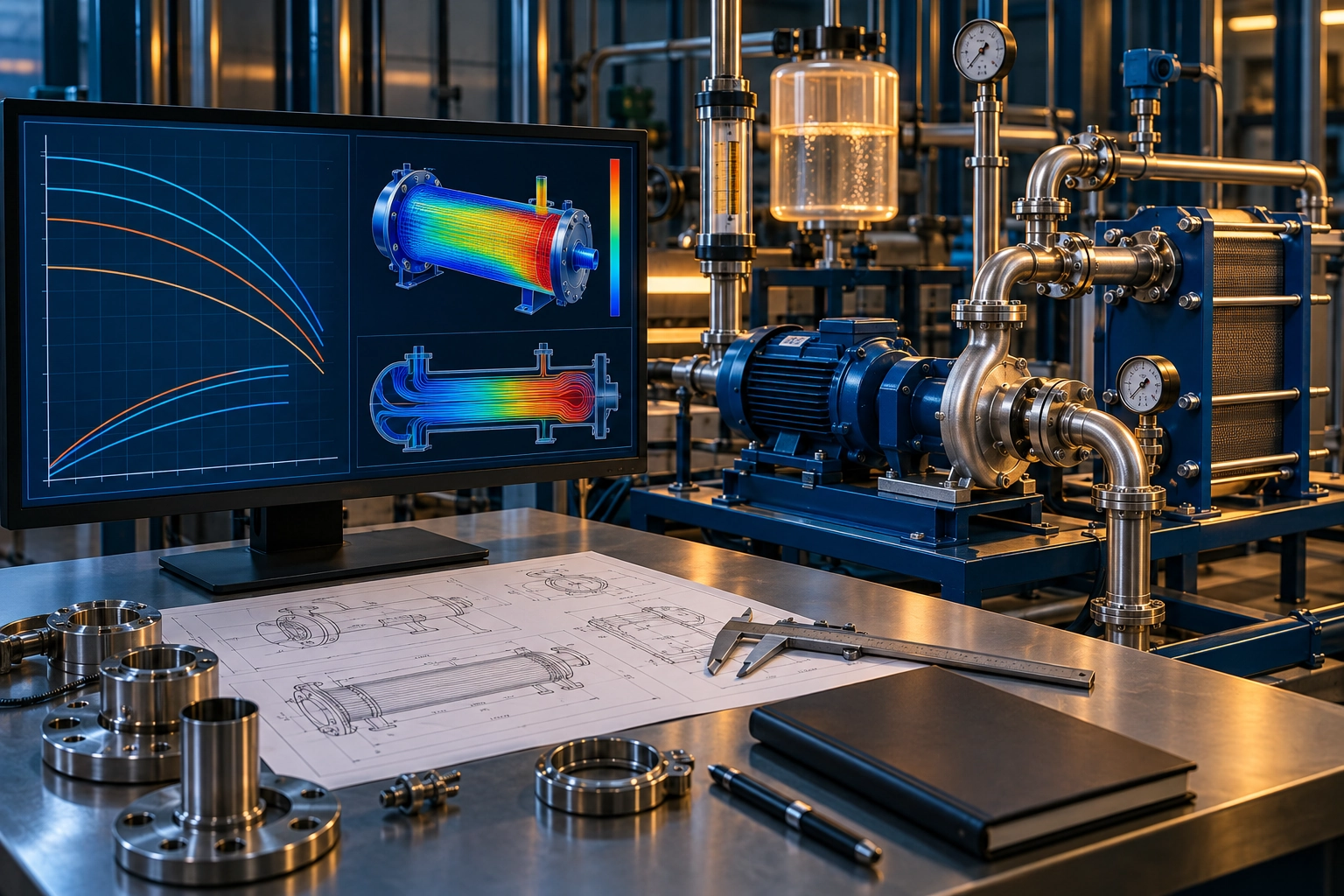
Thermal/Hydraulic Analysis and Engineering-Calculation Review
Engineering practice and documented application
Thermal/Hydraulic Analysis and Engineering-Calculation Review
Engineering practice and documented application
Thermal/Hydraulic Analysis and Engineering-Calculation Review
Engineering practice and documented application
TSK-000038 · Method
Ceramic Filtration Cost-per-Gallon and NPV Model
TSK-000039 · Method
Ceramic Crossflow Option Comparison and AFE Clarification
TSK-000042 · Method
Ceramic Filtration Sustainability and Operator Exposure Reduction
TSK-000043 · Method
Ceramic Filtration Labor-Cost Reduction
TSK-000044 · Method
Ceramic Filtration Modular Expansion Strategy
TSK-000856 · Action
Ceramic Crossflow Filter System + Ion Exchange Trial
Recorded applicationTSK-000963 · Academic analytical method
Scope or inventory quantity · Analysis scope
Applies to: Developed exploratory bed-volume, column, pump, batch and resin calculations; identified formula-error cells for correction before final sizing
Exploratory sizing — Sizing workbook sheets — Exploratory sizing
Data Analytics, BI, and Operational Reporting
Engineering practice and documented application
Data Analytics, BI, and Operational Reporting
Engineering practice and documented application
Data Analytics, BI, and Operational Reporting
Engineering practice and documented application
Data Analytics, BI, and Operational Reporting
Engineering practice and documented application
Data Analytics, BI, and Operational Reporting
Engineering practice and documented application
Data Analytics, BI, and Operational Reporting
Engineering practice and documented application
TSK-000036 · Method
Filtration Demand and Capacity Modeling
Industrial Engineering, Methods, and Work Measurement
Engineering practice and documented application
Industrial Engineering, Methods, and Work Measurement
Engineering practice and documented application
Industrial Engineering, Methods, and Work Measurement
Engineering practice and documented application
Industrial Engineering, Methods, and Work Measurement
Engineering practice and documented application
Optimization and Operations Research
Engineering practice and documented application
Optimization and Operations Research
Academic preparation and analytical method
Data Analytics, BI, and Operational Reporting
Engineering practice and documented application
Data Analytics, BI, and Operational Reporting
Engineering practice and documented application
Data Analytics, BI, and Operational Reporting
Engineering practice and documented application
Data Analytics, BI, and Operational Reporting
Engineering practice and documented application
Data Analytics, BI, and Operational Reporting
Engineering practice and documented application
Data Analytics, BI, and Operational Reporting
Engineering practice and documented application
TSK-000036 · Method
Filtration Demand and Capacity Modeling
Ceramic Filtration, Membranes, and Polishing
Engineering practice and documented application
Ceramic Filtration, Membranes, and Polishing
Engineering practice and documented application
Ceramic Filtration, Membranes, and Polishing
Engineering practice and documented application
Ceramic Filtration, Membranes, and Polishing
Engineering practice and documented application
Ceramic Filtration, Membranes, and Polishing
Engineering practice and documented application
Ceramic Filtration, Membranes, and Polishing
Engineering practice and documented application
Ceramic Filtration, Membranes, and Polishing
Engineering practice and documented application
Ceramic Filtration, Membranes, and Polishing
Engineering practice and documented application
Ceramic Filtration, Membranes, and Polishing
Engineering practice and documented application
Filtration Sequence and Control-Architecture Interpretation
Engineering practice and documented application
Filtration Sequence and Control-Architecture Interpretation
Engineering practice and documented application
Filtration Sequence and Control-Architecture Interpretation
Engineering practice and documented application
Filtration Sequence and Control-Architecture Interpretation
Engineering practice and documented application
Filtration Sequence and Control-Architecture Interpretation
Engineering practice and documented application
Filtration Sequence and Control-Architecture Interpretation
Engineering practice and documented application
Filtration Sequence and Control-Architecture Interpretation
Engineering practice and documented application
Ceramic Filtration, Membranes, and Polishing
Engineering practice and documented application
Ceramic Filtration, Membranes, and Polishing
Engineering practice and documented application
Ceramic Filtration, Membranes, and Polishing
Engineering practice and documented application
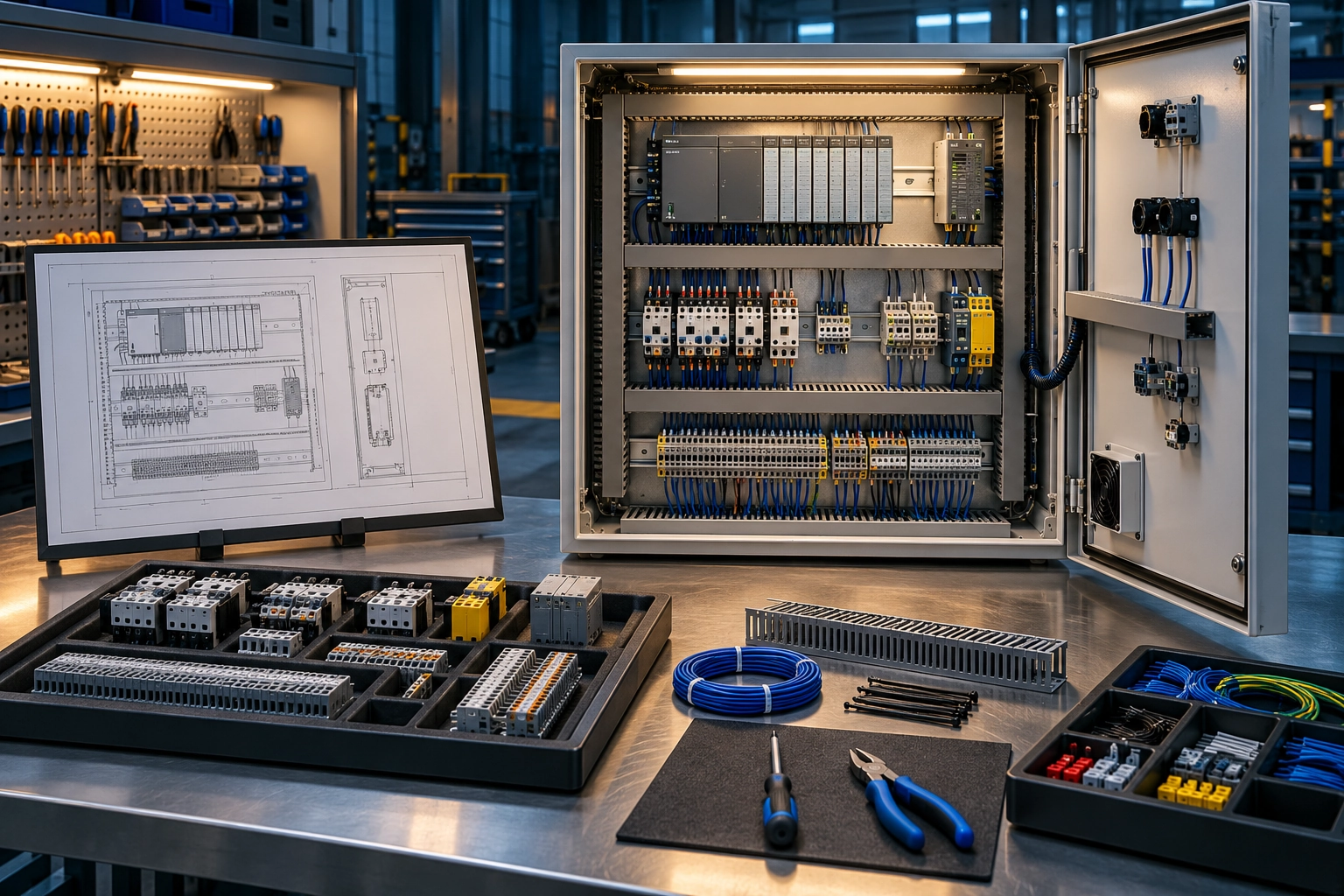
TSK-000035 · Method
Ceramic Membrane Ceramic-Crossflow System Integration
TSK-000036 · Method
Filtration Demand and Capacity Modeling
TSK-000038 · Method
Ceramic Filtration Cost-per-Gallon and NPV Model
TSK-000039 · Method
Ceramic Crossflow Option Comparison and AFE Clarification
TSK-000040 · Method
Carbon-Treated Vinegar Prefilter and Fouling Prevention
Application context. Are cleaning states, chemistry, flow and release logic mutually consistent?
TSK-000042 · Method
Ceramic Filtration Sustainability and Operator Exposure Reduction
TSK-000044 · Method
Ceramic Filtration Modular Expansion Strategy
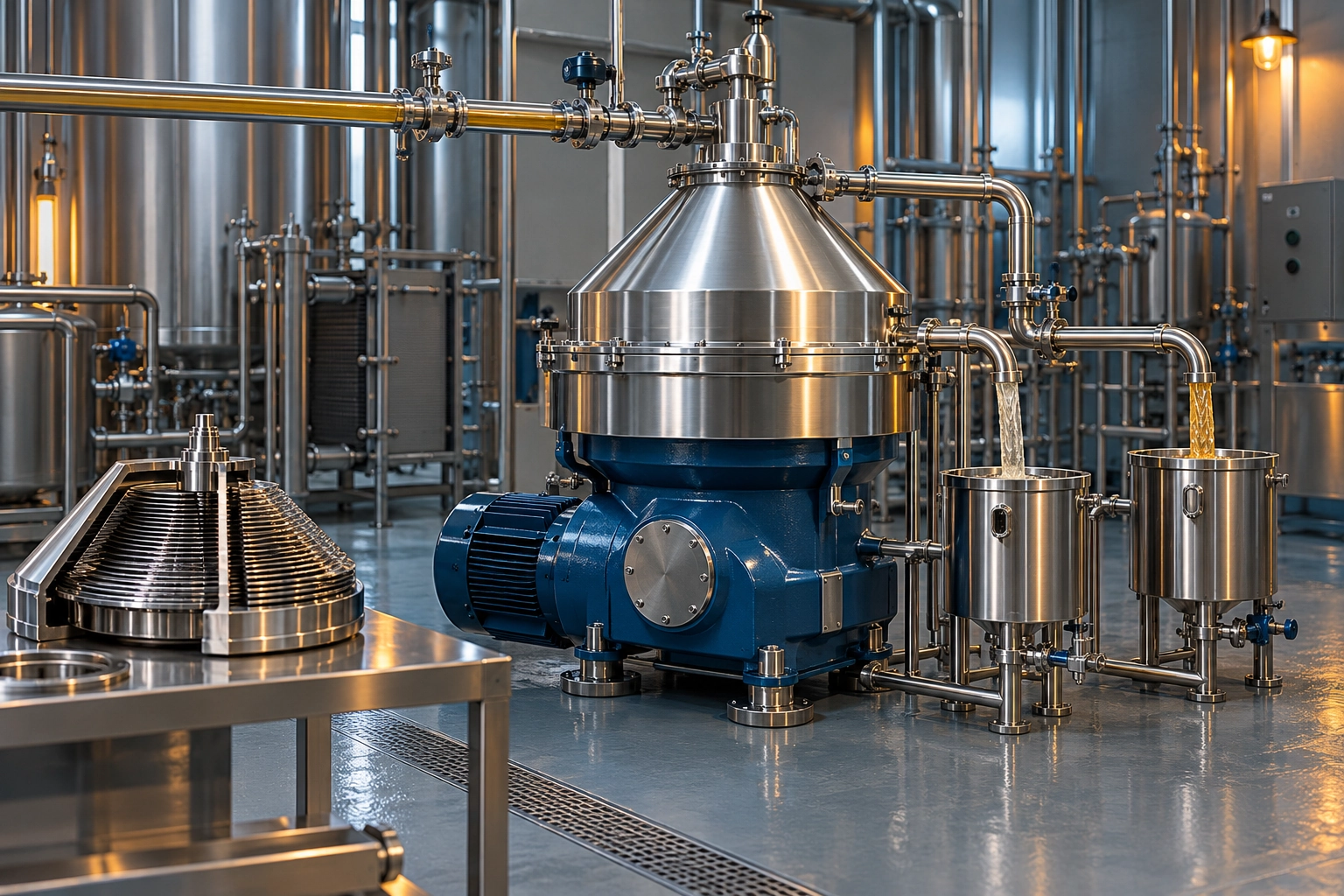
TSK-000086 · Technical context
Ceramic Crossflow Filter System + Ion Exchange Trial
TSK-000856 · Action
Ceramic Crossflow Filter System + Ion Exchange Trial
Recorded applicationBaseline · Vendor laboratory baseline
Applies to: Reviewed the vendor filterability study as a design baseline for ceramic filtration: membrane flux, pore size, clean-water-flux recovery after CIP and filtrate turbidity
study, 2018 — after one CIP — Clean-water-flux recovery in the filtration supplier vendor study.
Observation · Field observation
Applies to: Captured a complete ceramic-CIP waste stream, organized repeated multi-point sampling, and coordinated the wastewater receiver, internal stakeholders, filtration supplier and laboratories
Ceramic-CIP flush — CIP flush volume — Ceramic-CIP flush
Operating control · Receiver criterion
Applies to: Developed temporary containment and dilution measures and evaluated permanent alternatives against receiving-facility hydraulic, pH and sodium criteria
Receiving facility — Wastewater flow — Receiving facility
TSK-001011 · Action
Ceramic Crossflow Filter System + Ion Exchange Trial
Observation · Bench observation
Applies to: Compared the bench-test acidity, transmittance, color and turbidity results to evaluate decolorization and product effects
WDV — Before treatment — Acidity — WDV — Before treatment
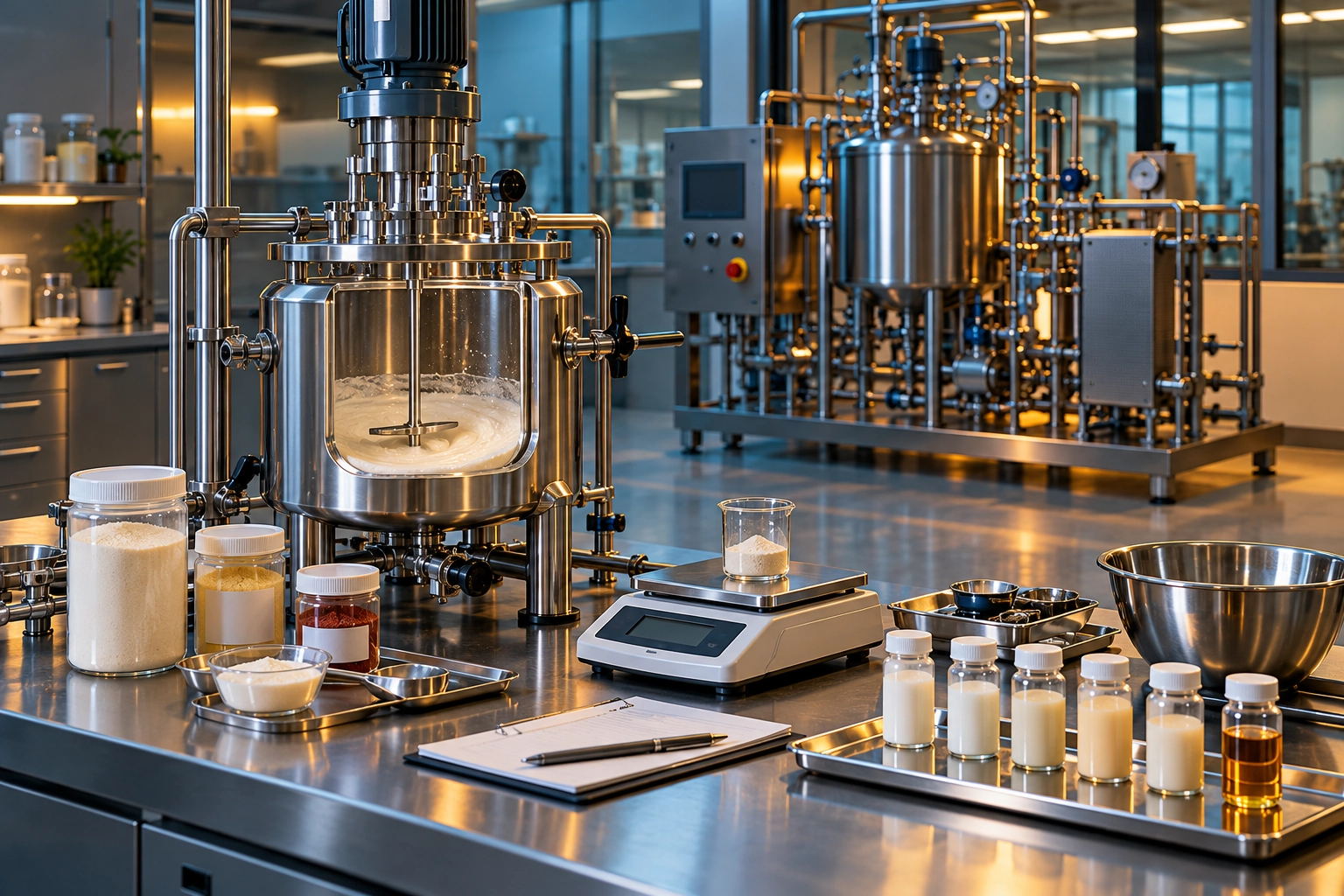
TSK-001013 · Study design
Ceramic Crossflow Filter System + Ion Exchange Trial
Application context. Which formulation factors change functionality and manufacturing compatibility?
Scope or inventory quantity · Analysis scope
Applies to: Developed exploratory bed-volume, column, pump, batch and resin calculations; identified formula-error cells for correction before final sizing
Exploratory sizing — Sizing workbook sheets — Exploratory sizing
TSK-001015 · Control
Ceramic Crossflow Filter System + Ion Exchange Trial
PLC, HMI, SCADA, Drives, and Process Automation
Engineering practice and documented application
PLC, HMI, SCADA, Drives, and Process Automation
Engineering practice and documented application
OT Physical Architecture, Fiber, and Power Resilience
Engineering practice and documented application
TSK-000043 · Method
Ceramic Filtration Labor-Cost Reduction
TSK-000046 · Action
Ceramic Filter Electrical and Controls Coordination
TSK-000047 · Method
Ceramic Filter Electrical and Controls Coordination
Water, RO, Ozone, and Reuse
Engineering practice and documented application
Wastewater, Environmental Compliance, and VOC Control
Engineering practice and documented application
Wastewater, Environmental Compliance, and VOC Control
Engineering practice and documented application
Wastewater, Environmental Compliance, and VOC Control
Engineering practice and documented application
TSK-000063 · Method
Ceramic-Filter SOP, Preventive-Maintenance and CIP Audit
Observation · Field observation
Applies to: Captured a complete ceramic-CIP waste stream, organized repeated multi-point sampling, and coordinated the wastewater receiver, internal stakeholders, filtration supplier and laboratories
Ceramic-CIP flush — CIP flush volume — Ceramic-CIP flush
Operating control · Receiver criterion
Applies to: Developed temporary containment and dilution measures and evaluated permanent alternatives against receiving-facility hydraulic, pH and sodium criteria
Receiving facility — Wastewater flow — Receiving facility
Nitrogen, Bulk Storage, Loadout, and Batch Transfer
Engineering practice and documented application
TSK-000041 · Method
Automated Infeed / Permeate Manifold and Vinegar Path Segregation
Instrumentation, Measurement, and Standards
Engineering practice and documented application
Instrumentation, Measurement, and Standards
Engineering practice and documented application
Instrumentation, Measurement, and Standards
Engineering practice and documented application
TSK-000035 · Method
Ceramic Membrane Ceramic-Crossflow System Integration
TSK-000046 · Action
Ceramic Filter Electrical and Controls Coordination
TSK-000047 · Method
Ceramic Filter Electrical and Controls Coordination
TSK-000857 · Action
Ceramic Crossflow Filter System + Ion Exchange Trial
Recorded applicationElectrical Distribution Design and Installation Packages
Engineering practice and documented application
TSK-000035 · Method
Ceramic Membrane Ceramic-Crossflow System Integration
TSK-000046 · Action
Ceramic Filter Electrical and Controls Coordination
TSK-000047 · Method
Ceramic Filter Electrical and Controls Coordination
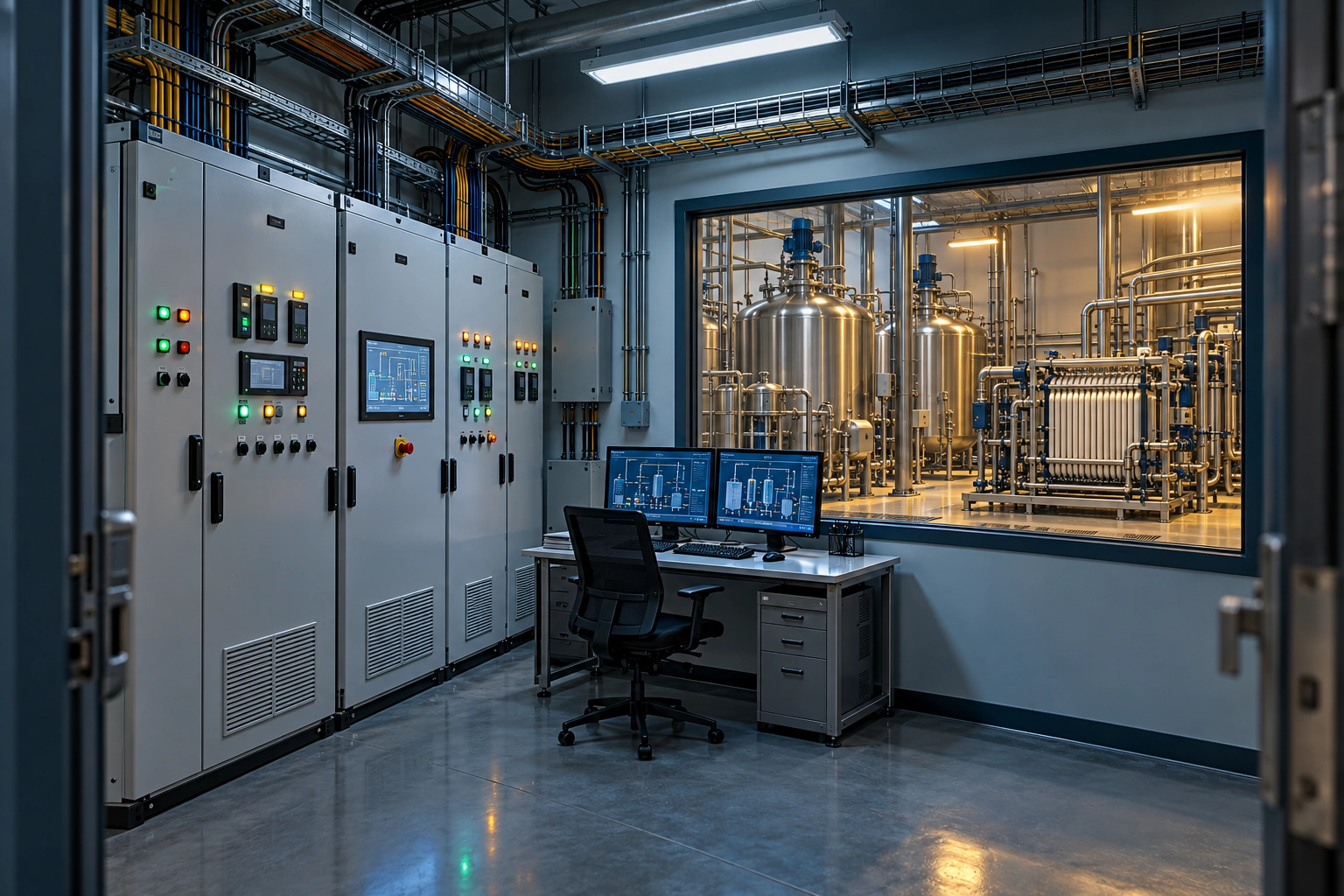
Ventilation, Control Rooms, and Equipment Protection
Engineering practice and documented application
TSK-000063 · Method
Ceramic-Filter SOP, Preventive-Maintenance and CIP Audit
Nitrogen, Bulk Storage, Loadout, and Batch Transfer
Engineering practice and documented application
TSK-000041 · Method
Automated Infeed / Permeate Manifold and Vinegar Path Segregation
Product Applications, Formulation, and R&D
Engineering practice and documented application
Hygienic Design, Sanitary Systems, and Aseptic Bulk Handling
Engineering practice and documented application
Hygienic Design, Sanitary Systems, and Aseptic Bulk Handling
Engineering practice and documented application
CIP Engineering and Cleaning-Sequence Control
Engineering practice and documented application
CIP Engineering and Cleaning-Sequence Control
Engineering practice and documented application
CIP Engineering and Cleaning-Sequence Control
Engineering practice and documented application
CIP Engineering and Cleaning-Sequence Control
Engineering practice and documented application
CIP Engineering and Cleaning-Sequence Control
Engineering practice and documented application
CIP Engineering and Cleaning-Sequence Control
Engineering practice and documented application
CIP Engineering and Cleaning-Sequence Control
Engineering practice and documented application
CIP Audits, Chemical Management, and Sanitation Sustainment
Engineering practice and documented application
CIP Audits, Chemical Management, and Sanitation Sustainment
Engineering practice and documented application
CIP Audits, Chemical Management, and Sanitation Sustainment
Engineering practice and documented application
CIP Audits, Chemical Management, and Sanitation Sustainment
Engineering practice and documented application
CIP Audits, Chemical Management, and Sanitation Sustainment
Engineering practice and documented application
CIP Audits, Chemical Management, and Sanitation Sustainment
Engineering practice and documented application
TSK-000035 · Method
Ceramic Membrane Ceramic-Crossflow System Integration
TSK-000037 · Method
Ceramic Filter CIP Interface Engineering
Application context. Can product-contact paths be cleaned, segregated and operated within their hygienic scope?
TSK-000039 · Method
Ceramic Crossflow Option Comparison and AFE Clarification
TSK-000041 · Method
Automated Infeed / Permeate Manifold and Vinegar Path Segregation
TSK-000042 · Method
Ceramic Filtration Sustainability and Operator Exposure Reduction
TSK-000043 · Method
Ceramic Filtration Labor-Cost Reduction
TSK-000046 · Action
Ceramic Filter Electrical and Controls Coordination
TSK-000047 · Method
Ceramic Filter Electrical and Controls Coordination
TSK-000062 · Action
Ceramic-Filter SOP, Preventive-Maintenance and CIP Audit
Application context. Do flow, pressure, materials and connection details satisfy the process duty?
TSK-000063 · Method
Ceramic-Filter SOP, Preventive-Maintenance and CIP Audit
TSK-000086 · Technical context
Ceramic Crossflow Filter System + Ion Exchange Trial
TSK-000857 · Action
Ceramic Crossflow Filter System + Ion Exchange Trial
Recorded applicationBaseline · Vendor laboratory baseline
Applies to: Reviewed the vendor filterability study as a design baseline for ceramic filtration: membrane flux, pore size, clean-water-flux recovery after CIP and filtrate turbidity
study, 2018 — after one CIP — Clean-water-flux recovery in the filtration supplier vendor study.
Separation work connected centrifuges, ceramic filtration, ion-exchange testing, sanitary flow paths and CIP. Evaluated capacity, product quality, cleaning, consumables and recovery, then coordinated utilities, controls, supplier interfaces and operator requirements. The system perspective linked separation performance with downstream production and wastewater effects.
Ceramic Filtration, Membranes, and Polishing
Engineering practice and documented application
Ceramic Filtration, Membranes, and Polishing
Engineering practice and documented application
Ceramic Filtration, Membranes, and Polishing
Engineering practice and documented application
Ceramic Filtration, Membranes, and Polishing
Engineering practice and documented application
Ceramic Filtration, Membranes, and Polishing
Engineering practice and documented application
Ceramic Filtration, Membranes, and Polishing
Engineering practice and documented application
Ceramic Filtration, Membranes, and Polishing
Engineering practice and documented application
Ceramic Filtration, Membranes, and Polishing
Engineering practice and documented application
Ceramic Filtration, Membranes, and Polishing
Engineering practice and documented application
Ceramic Filtration, Membranes, and Polishing
Engineering practice and documented application
Method
Applies capabilities
Action
Applies capabilities
Engineering analysis
Applies capabilities
Coordinated pumps, valves, instruments, automated CIP, product routing, controls, acceptance testing, and operator handoff for ceramic crossflow filtration; About $229,000/year OPEX reduction; estimated 5,850 lb/year solid-waste reduction
Coordinated ion-exchange decolorization evaluation within the vinegar-polishing workstream, including bench-method review and a proposed supplier pilot before any production decision.
PRJ-A-010 | Ceramic Crossflow Filter System and Ion Exchange Trial | classification ASEPTIC_OR_HYGIENIC_PRODUCT_PROCESSING
Coordinated ion-exchange evaluation for decolorization within the broader vinegar-polishing workstream.
Successful trial coordination recorded.
Compare annualized consumables, CIP frequency, waste quantities and filtrate quality with the earlier filtration process.
Delivery / Execution.
Capital authorization, supplier and stakeholder coordination, QA/QC, commissioning planning and technical turnover documentation.
Ceramic polishing and loadout. Downstream polishing supports the WDV/wine-vinegar production and truck-loading sequence.
TSK-000035 · Method
Ceramic Membrane Ceramic-Crossflow System Integration
TSK-000036 · Method
Filtration Demand and Capacity Modeling
TSK-000037 · Method
Ceramic Filter CIP Interface Engineering
TSK-000038 · Method
Ceramic Filtration Cost-per-Gallon and NPV Model
TSK-000039 · Method
Ceramic Crossflow Option Comparison and AFE Clarification
TSK-000040 · Method
Carbon-Treated Vinegar Prefilter and Fouling Prevention
TSK-000041 · Method
Automated Infeed / Permeate Manifold and Vinegar Path Segregation
TSK-000042 · Method
Ceramic Filtration Sustainability and Operator Exposure Reduction
TSK-000043 · Method
Ceramic Filtration Labor-Cost Reduction
TSK-000044 · Method
Ceramic Filtration Modular Expansion Strategy
TSK-000046 · Action
Ceramic Filter Electrical and Controls Coordination
TSK-000047 · Method
Ceramic Filter Electrical and Controls Coordination
TSK-000062 · Action
Ceramic-Filter SOP, Preventive-Maintenance and CIP Audit
TSK-000063 · Method
Ceramic-Filter SOP, Preventive-Maintenance and CIP Audit
TSK-000856 · Action
Ceramic Crossflow Filter System + Ion Exchange Trial
TSK-000857 · Action
Ceramic Crossflow Filter System + Ion Exchange Trial
TSK-000858 · Action
Ceramic Crossflow Filter System + Ion Exchange Trial
TSK-000086 · Technical context
Ceramic Crossflow Filter System + Ion Exchange Trial
TSK-001006 · Action
Ceramic Filter CIP Interface Engineering
TSK-001007 · Vendor laboratory method
Ceramic Filter CIP Interface Engineering
TSK-001008 · Vendor study context
Ceramic Membrane Ceramic-Crossflow System Integration
TSK-001009 · Action
Ceramic Filter CIP Interface Engineering
TSK-001010 · Action
Ceramic Filter CIP Interface Engineering
TSK-001011 · Action
Ceramic Crossflow Filter System + Ion Exchange Trial
TSK-001012 · Action
Ceramic Crossflow Filter System + Ion Exchange Trial
TSK-001013 · Study design
Ceramic Crossflow Filter System + Ion Exchange Trial
TSK-001014 · Engineering analysis
Ceramic Crossflow Filter System + Ion Exchange Trial
TSK-001015 · Control
Ceramic Crossflow Filter System + Ion Exchange Trial
Workstream Portfolio Rollup
18,317,000 USD
Wine Clarification and Vinegar Polishing Modernization
Recorded workstream portfolio reference. This is the workstream-level value and is not a project expenditure or a new total of reassigned projects.
| Measure or outcome | Value or result | Meaning and operating scope |
|---|---|---|
| Operating Measure | approximately 90 % | Baseline Vendor laboratory baseline Applies to: Reviewed the vendor filterability study as a design baseline for ceramic filtration: membrane flux, pore size, clean-water-flux recovery after CIP and filtrate turbidity study, 2018 — after one CIP — Clean-water-flux recovery in the filtration supplier vendor study. |
| Turbidity | 0.26 to 0.39 NTU | Baseline Vendor laboratory baseline Applies to: Reviewed the vendor filterability study as a design baseline for ceramic filtration: membrane flux, pore size, clean-water-flux recovery after CIP and filtrate turbidity study, 2018 — filtrate — Filtrate turbidity in the filtration supplier vendor study. |
| Ceramic-crossflow operating-expense reduction | Approximately $229,000/year per documented implementation | Eleven documented implementations: $2,519,000/year combined. The related $65,286/year labor reduction is excluded from the combined total to avoid overlap. |
| Recorded outcome | Recorded approximately $229k/year in operating-expense reduction. | Ceramic Crossflow Filter System + Ion Exchange Trial |
| Recorded outcome | CIP interface engineering recorded more than 50% longer run time between cleaning cycles. Approximately 90% flux recovery and less than 0.4 NTU turbidity describe the separate 2018 laboratory baseline. | Ceramic Crossflow Filter System + Ion Exchange Trial |
| Recorded outcome | The cost study identified $65k/year in labor reduction and an estimated 5,850 lb/year less landfill waste; these are components of the same system, not additional portfolio-wide totals. | Ceramic Crossflow Filter System + Ion Exchange Trial |
| Recorded outcome | A 50% modular expansion route and future capital deferral were planning alternatives. | Ceramic Crossflow Filter System + Ion Exchange Trial |
CASE-017 · Engineering case
Led engineering integration of an automated ceramic-crossflow platform that replaced legacy disposable-media and hollow-fiber filtration.
Read the Case ↗CASE-018 · Engineering case
Used filtration-demand modeling to justify ceramic crossflow capacity before the plant outgrew legacy filtration.
Read the Case ↗CASE-019 · Engineering case
Coordinated CIP automation to restore membrane performance while reducing manual cleaning and downtime.
Read the Case ↗CASE-020 · Engineering case
Built the capital case by comparing ceramic crossflow with continued replacement of legacy filtration components and recurring media costs.
Read the Case ↗CASE-021 · Engineering case
Defended ceramic crossflow investment by clarifying Option 1 vs. Option 2 operating-cost, membrane-life, and process-risk assumptions.
Read the Case ↗CASE-022 · Engineering case
Protected ceramic membrane performance by adding a 250 micrometer prefilter sock for carbon-treated vinegar paths.
Read the Case ↗CASE-023 · Engineering case
Reduced contamination and yield-loss risk by segregating vinegar paths through automated manifolds and CIP valves.
Read the Case ↗CASE-024 · Engineering case
Reduced disposable filtration waste and operator exposure by eliminating recurring media handling and intra-batch filter swaps.
Read the Case ↗CASE-025 · Engineering case
Coordinated filtration and CIP automation that reduced annual filtration labor cost.
Read the Case ↗CASE-026 · Engineering case
Designed ceramic filtration with modular expansion and failover capacity instead of a one-time fixed installation.
Read the Case ↗CASE-028 · Engineering case
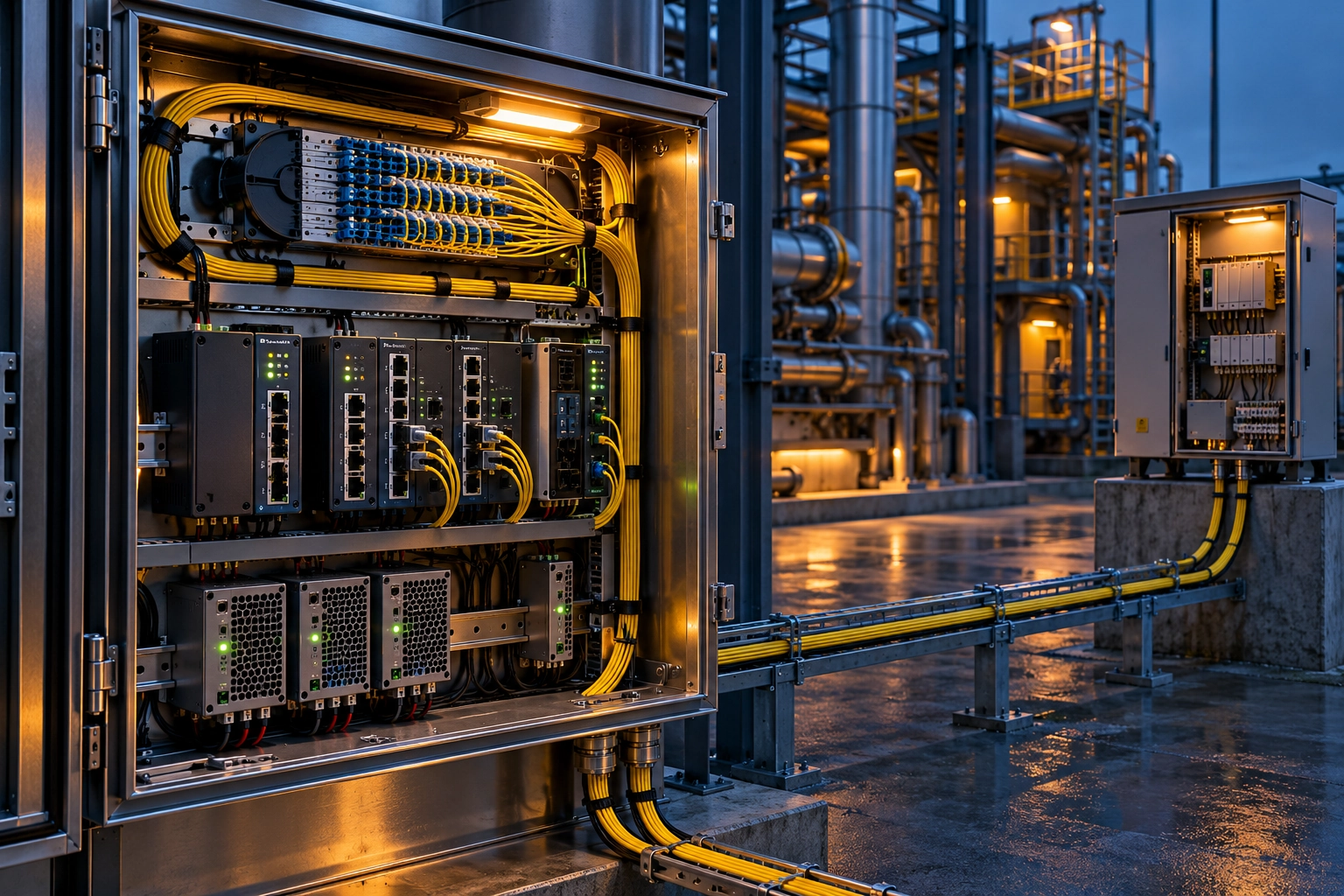
Coordinated ceramic filtration into plant electrical and OT controls infrastructure with dedicated feeds, Ethernet connectivity, tank sensing, valve control, and CIP automation.
Read the Case ↗CASE-037 · Engineering case
Converted ceramic filter reliability issues into a structured SOP, PM, CIP logging, and maintenance-control audit.
Read the Case ↗CASE-043 · Engineering case
Integrated ceramic crossflow filtration with automated cleaning, plant utilities and electrical/control interfaces. Ion-exchange evaluation remains a separate trial component.
Read the Case ↗Related facility implementations are part of this project. Their operating conditions, equipment and interfaces are considered within the same project lifecycle.