CASE-061 · Engineering case

Line 1 Pasteurizer Repair Option Study

Built a repair option study to restore Line 1 pasteurizer steam shutoff, thermal control, and reliability.

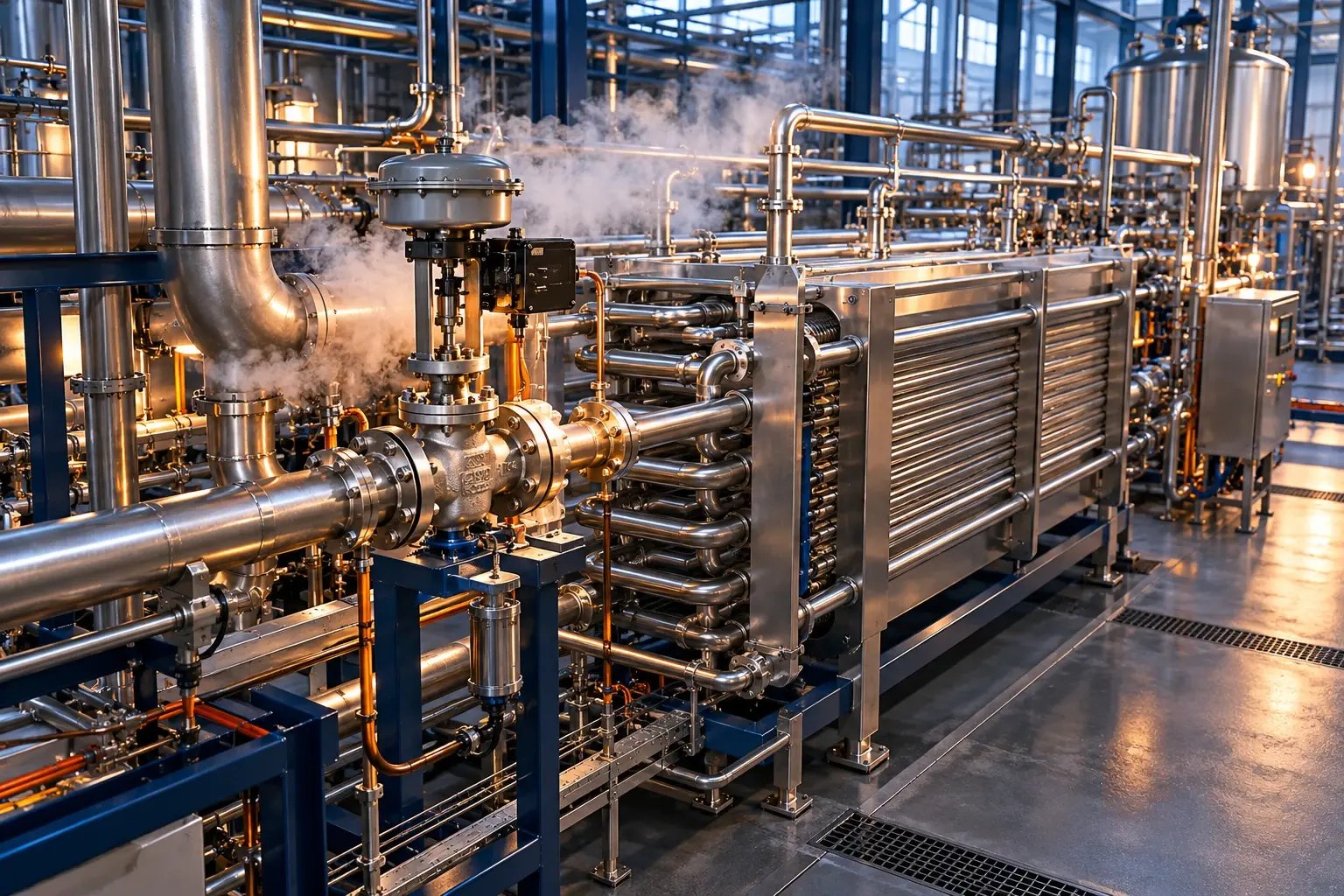
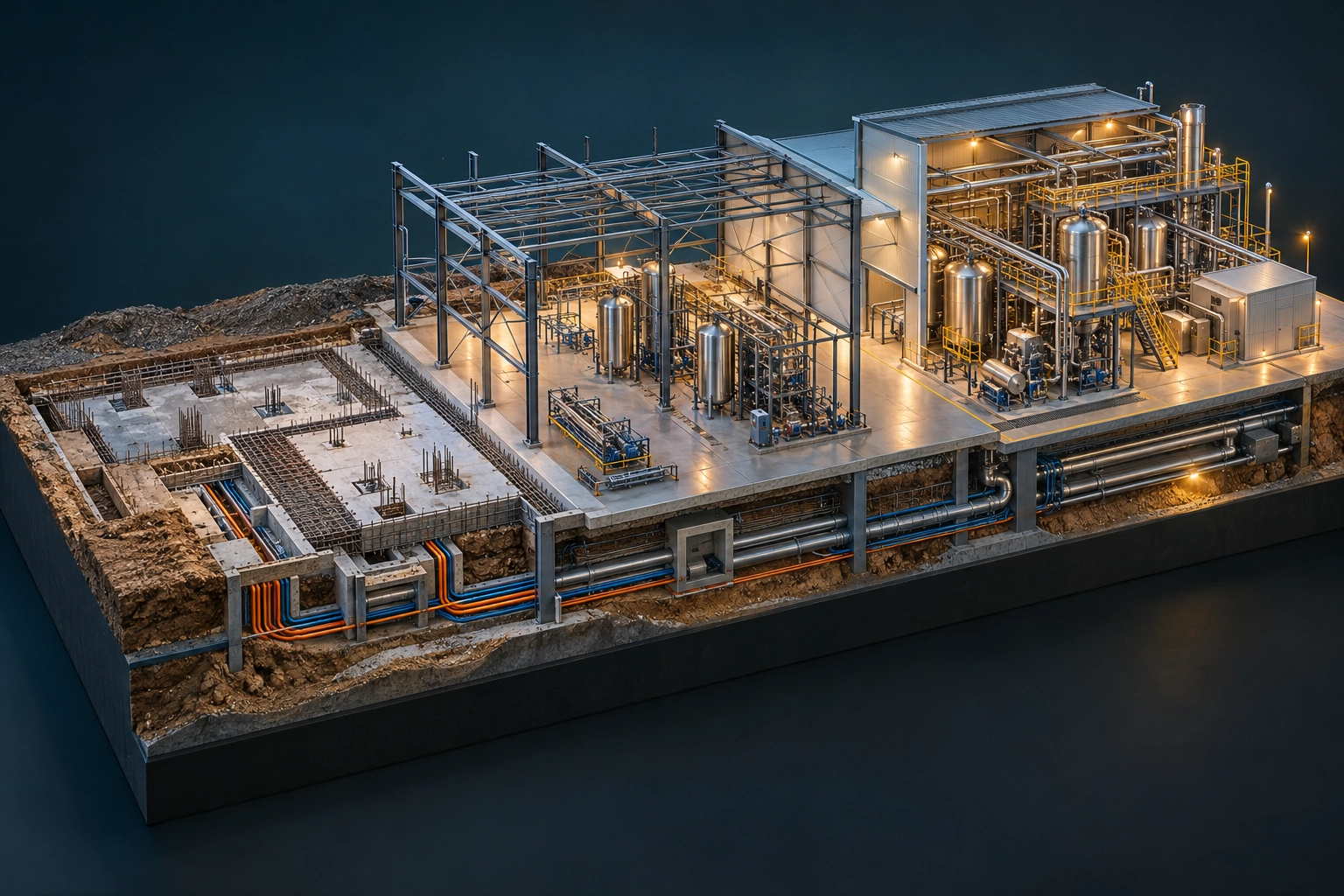
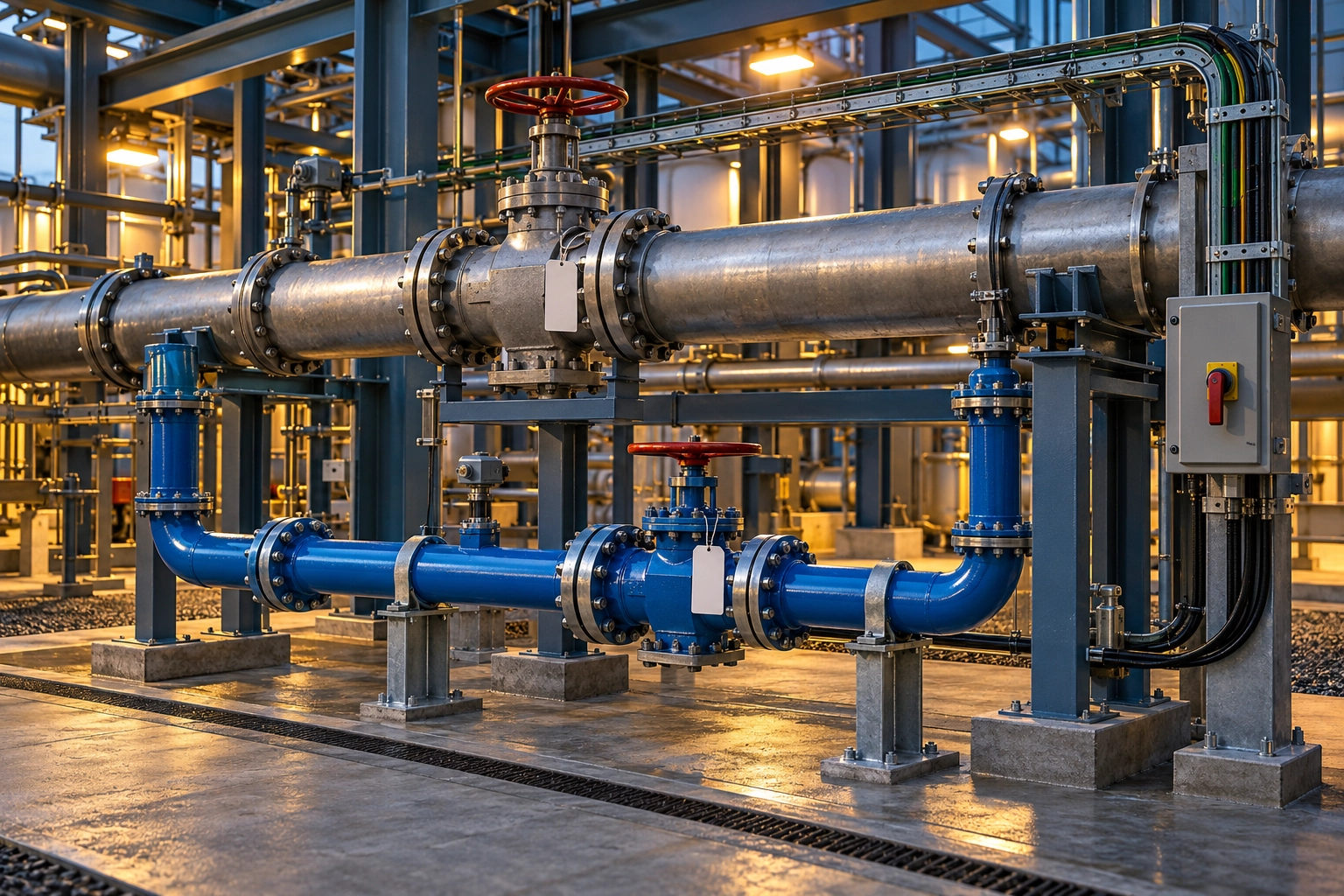
Conceptual engineering visualization: Line 1 Pasteurizer Repair Option Study
Conceptual engineering visualization · AI generated

Why the Work Mattered

Purpose and Operating Need

The selected scope needed to address the root failure mode, not only the cheapest visible component, because an FCV-only rebuild or bypass loop could leave repeat overheating risk in place.

Engineering Approach

Engineering Approach

Preferred Option 1 is full valve replacement and system coordination with coordinated cost planning; Alternatives were FCV rebuild only and bypass loop; Scope includes three valves, two Class VI shutoff valves and one Class IV FCV, piping rework, UDC coordination, commissioning, and verification of steam shutdown logic.

Outcome & Engineering Context

Outcome and Context

Compared repair alternatives and selected a valve-replacement and system-integration approach to restore steam shutoff and thermal control.

Workstream Results & Impact

Workstream Portfolio Rollup

28,095,000 USD

Production and Packaging Modernization

Recorded workstream portfolio reference. This is the workstream-level value and is not a project expenditure or a new total of reassigned projects.

Measures & Operating Detail

MeasureValueType & meaningAttribution & operating context
Stated Contingency Rate4 percentEstimate
Draft estimate rate

Applies to: Line 1 Pasteurizer Repair Option Study

2025 repair AFE — The draft labels its $1,800 allowance as 4%; component arithmetic is not silently recomputed.

Engineering scope and design basis

Defined the selected repair scope to address overheating risk, recurring pump/seal failures, manual intervention, energy waste, unplanned downtime, equipment-damage exposure, and lost-production exposure.

Selected a pasteurizer repair approach intended to reduce overheating and failure risk, using a $40,000-$50,000 preferred scope and the stated $20K+ equipment-damage and $100Kannual lost-production exposures, with full valve replacement, controls coordination, and commissioning preferred over partial repair options.

preferred option; equipment-damage exposure; annual lost-production exposure.

Completed the option study and selected full repair; the scope specified replacement of steam control/shutoff valves, UDC control coordination, commissioning, and verification of steam shutdown logic. The sustainability rationale was to reduce energy waste, CO2 impact, and repeated pump/seal replacement waste through tighter steam control.

Actions, Methods & Controls

ACTIVITIES IN CONTEXT

Additional Technical Detail

Roles & contributions
  • Project Ownership

    Full lifecycle project ownership

    Owned the full project lifecycle: capital planning and prioritization, need definition, feasibility and scope development, engineering and AFE justification, procurement and vendor coordination, construction sequencing and field oversight, commissioning, turnover, and post-startup support. Connected operating requirements with technical scope, funding decisions, execution readiness, and the needs of operations and maintenance.

Workstream context
Additional technical detail
Explore 15 detail records
  • Selected option

    Preferred Option 1 is full valve replacement and system coordination with coordinated cost planning.

  • Alternatives considered

    Alternatives were FCV rebuild only and bypass loop.

  • Sanitary and aseptic: Alternatives

    Option 1: full valve replacement and system reintegration using two Class VI shutoff valves, one Class IV flow-control valve, piping, UDC integration, commissioning, and steam-shutdown logic.

  • Sanitary and aseptic: Alternatives

    Option 1 expected to prevent pump/seal failures and downtime, avoid an estimated $20,000 or more in damage and $100,000 or more in lost production annually, eliminate manual overnight steam shutoff, and improve stability; risk characterized as moderate.

  • Sanitary and aseptic: Alternatives

    Option 2: rebuild failed FCV only, swap spare, and retune UDC; characterized as quick but high risk if the FCV was not the root cause.

  • Sanitary and aseptic: Alternatives

    Option 3: bypass loop with secondary isolation valve and logic; characterized as moderate-high risk because the exchanger might still overheat and system complexity would increase.

  • Sanitary and aseptic: Cost breakdown

    Hot Water Loop Mechanical, mechanical contractor.

  • Sanitary and aseptic: Cost breakdown

    Steam Line Mechanical, mechanical contractor.

  • Sanitary and aseptic: Cost breakdown

    Rush valve shipping, controls integrator.

  • Sanitary and aseptic: Cost breakdown

    Startup/commissioning, controls integrator.

  • Sanitary and aseptic: Cost breakdown

    PM and engineering, controls integrator.

  • Sanitary and aseptic: Cost breakdown

    Contingency 4 percent.

  • Sanitary and aseptic: Cost breakdown

    Existing TCV rebuild/spare, controls integrator.

  • Sanitary and aseptic: Cost breakdown

    Condensate shutoff valve.

  • Sanitary and aseptic: Cost breakdown

    Steam shutoff valve.

All portfolio connections
Project ownership and delivery context

Owned the full project lifecycle: capital planning and prioritization, need definition, feasibility and scope development, engineering and AFE justification, procurement and vendor coordination, construction sequencing and field oversight, commissioning, turnover, and post-startup support. Connected operating requirements with technical scope, funding decisions, execution readiness, and the needs of operations and maintenance.

Investigated valve alternatives, defined the repair boundary with operations and maintenance, and led the steam-control repair. Commissioning checks included steam shutdown behavior, connecting valve selection and control response to dependable pasteurizer operation.
Related analysis and application artifacts
Connected collections

WHAT COMES NEXT

Complex Challenge?
Let’s Work Through It.

Engineering leadership, capital projects, and independent consulting.

Start a conversation ↗