TSK-000829 · Action
Led the Retrofit of 44 Filler Valves and Coordinated Product-Return Capacity
Line 1 Filler and Conveyor Upgrade
Project: Line 1 Filler and Conveyor Upgrade
 APOLLO AUTOMATIONJAMES WARREN · ENGINEERING & PROJECT LEADERSHIP
CASE-146 · Workstream overview
An overview of the related projects, technical interfaces and outcomes within this workstream.
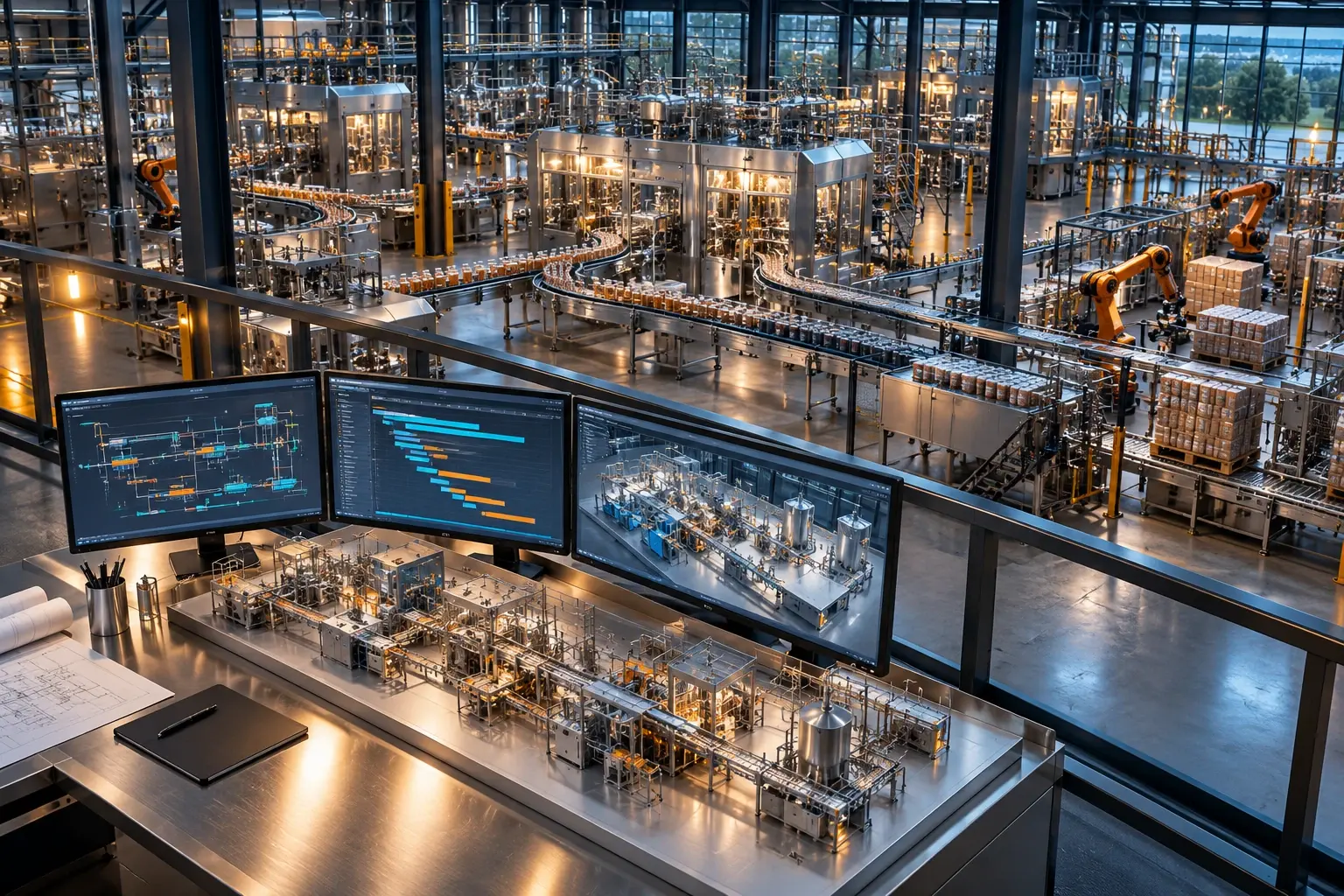
Packaging capacity depends on coordinated equipment, sanitary design, thermal control, utilities, material flow, changeover readiness and operator requirements.
Led the filler-valve and product-return retrofit; developed pasteurizer and hot-water-set rebuild scope; evaluated and coordinated the Line 1 steam-valve repair; coordinated the 28 mm PCO bottle-mold and handling/capper changes; and engineered bottling-line layouts, equipment, utilities, sanitary infrastructure, warehouse flow, electrical controls and budgets. Used SKU-throughput evidence, lead-time planning, quality-risk assessment, FIFO, takt, OEE and root-cause analysis to connect capacity changes with operating requirements.
The recorded projects include approximately 35–71% SKU-specific filler-throughput improvement, mixer-bottle product-continuity protection, pasteurizer repair and rebuild work, and the engineered 225–550 BPM capacity range for the bottling expansion. Results, design ranges and business-case figures remain with their individual projects.
Improved throughput by approximately 35–71 percent across SKUs through hygienic filler-valve retrofits and added product-return capacity.
Modeled a 15 percent OEE improvement and approximately $135,000 per year in labor-cost reduction through line balance.
Reduced changeover duration by 45 percent through capacity analysis, selective redesign and fewer required line changeovers.
Protected approximately $2,000,000 in sales and 30,000 cases through mixer-bottle conversion and packaged-product continuity. This is protected sales value, separate from operating savings.
Designed packaging capacity around end-of-line automation, labor modeling, conveyors, spirals and automated packing. The large-format line design supports approximately 225–550 BPM with coordinated utilities and controls.
Developed kosher CIP capability and product flexibility within the packaging scope. Reduced contamination exposure through sanitary design and a dedicated return tank.
Restored pasteurizer thermal stability, regulatory compliance and dependable steam control through the hot-water, automation and valve work. Validated shutdown response during commissioning.
Managed mold and change-part lead times, runout exposure, inbound and outbound logistics, warehouse interfaces, transportation rates and shipment planning to support continuity and operational efficiency.
| Measure | Value | Type & meaning | Attribution & operating context |
|---|---|---|---|
| Workstream Portfolio Rollup | 28,095,000 USD | Historical/Reference Value Portfolio rollup | Applies to: Production and Packaging Modernization Portfolio financial architecture — Production and Packaging Modernization: workstream portfolio rollup. Separate financial basis; not additive to the total employer portfolio. |
| Workstream Detailed-Project Value | 21,201,000 USD | Historical/Reference Value Detailed-project value | Applies to: Production and Packaging Modernization Portfolio financial architecture — Production and Packaging Modernization: workstream detailed-project value. Separate financial basis; not additive to the total employer portfolio. |
| Workstream Existing-Project Value | 6,894,000 USD | Historical/Reference Value Existing-project value | Applies to: Production and Packaging Modernization Portfolio financial architecture — Production and Packaging Modernization: workstream existing-project value. Separate financial basis; not additive to the total employer portfolio. |
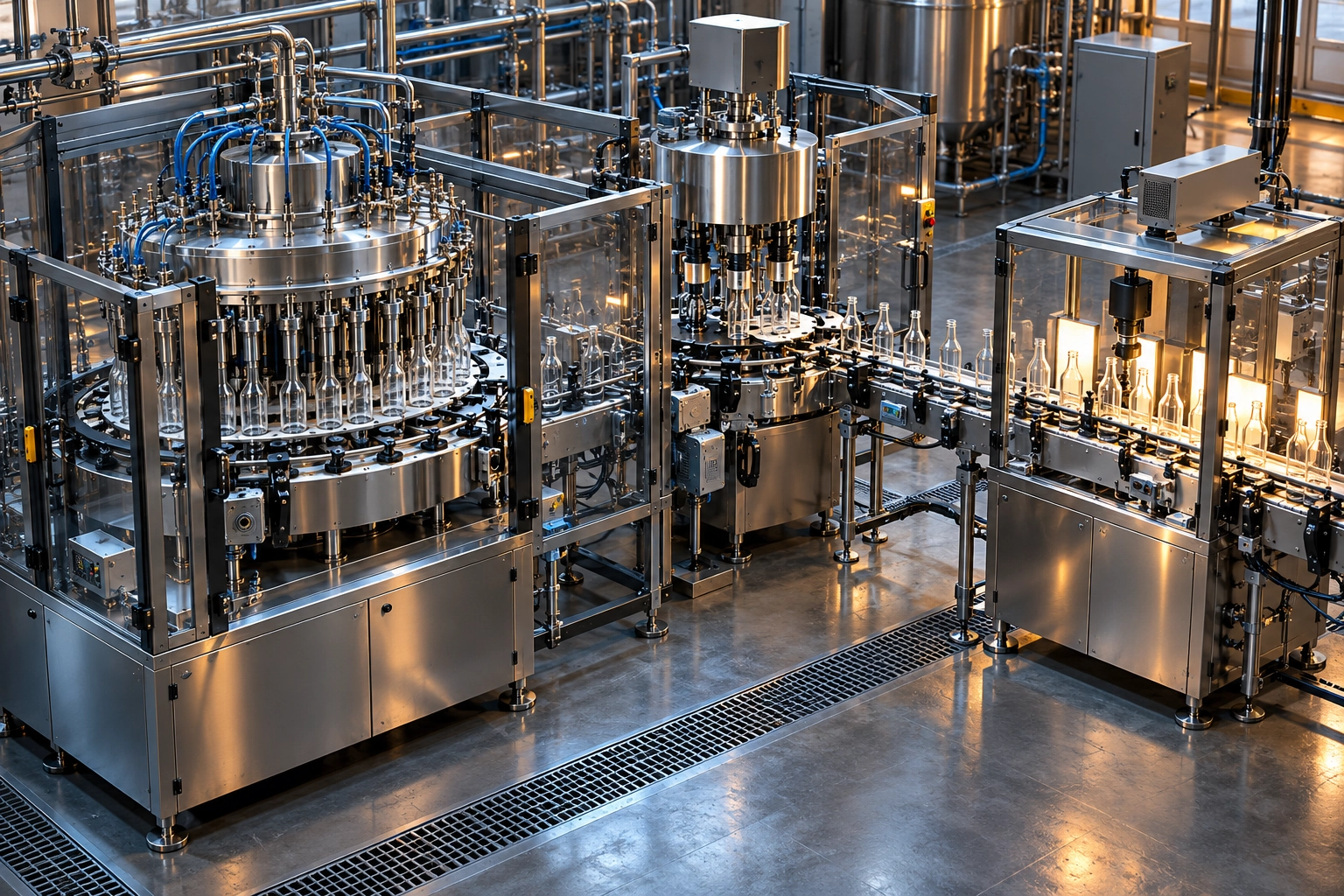
Coordinated the hygienic filler-valve, dedicated return-tank/pump and conveyor retrofit to improve throughput.
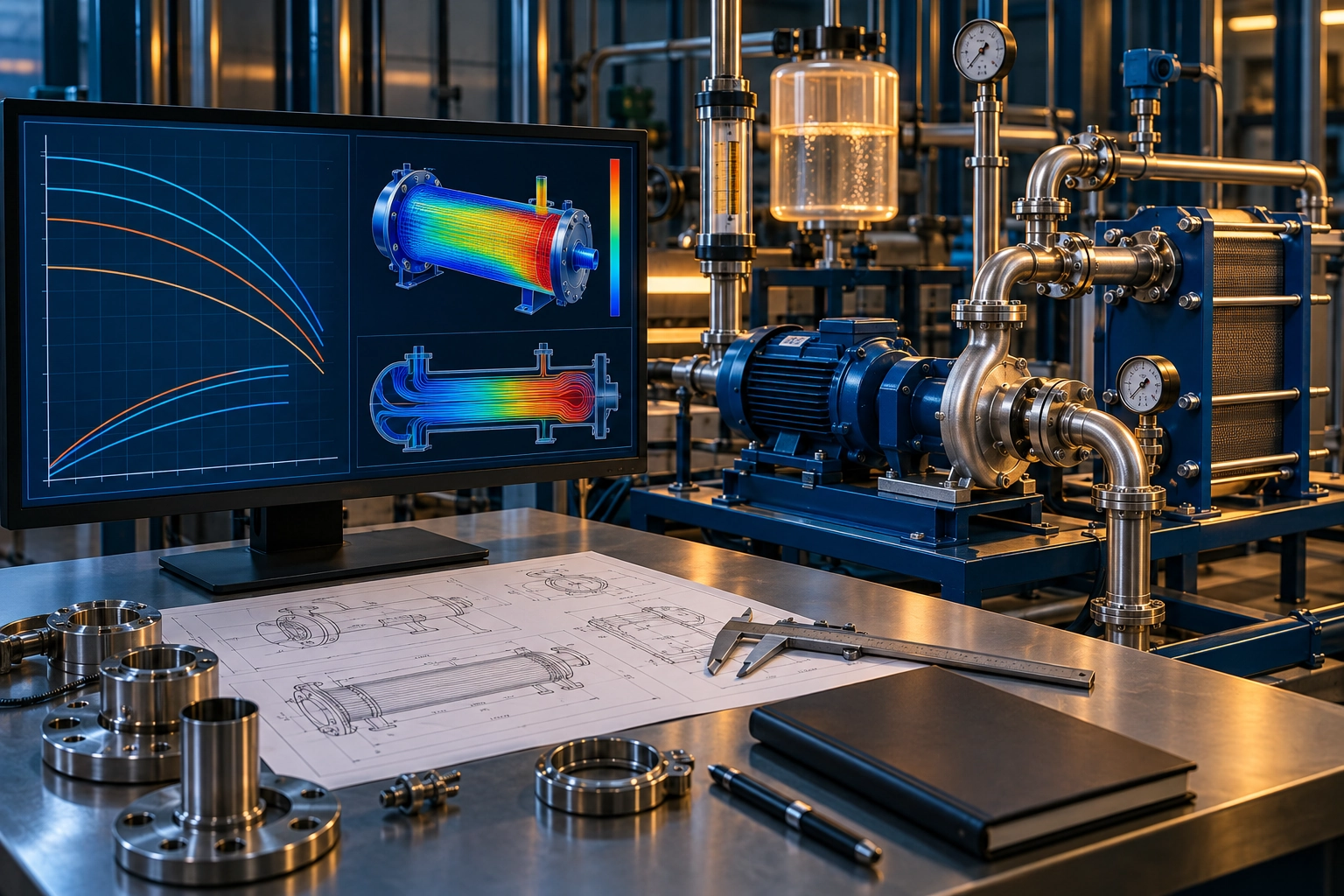
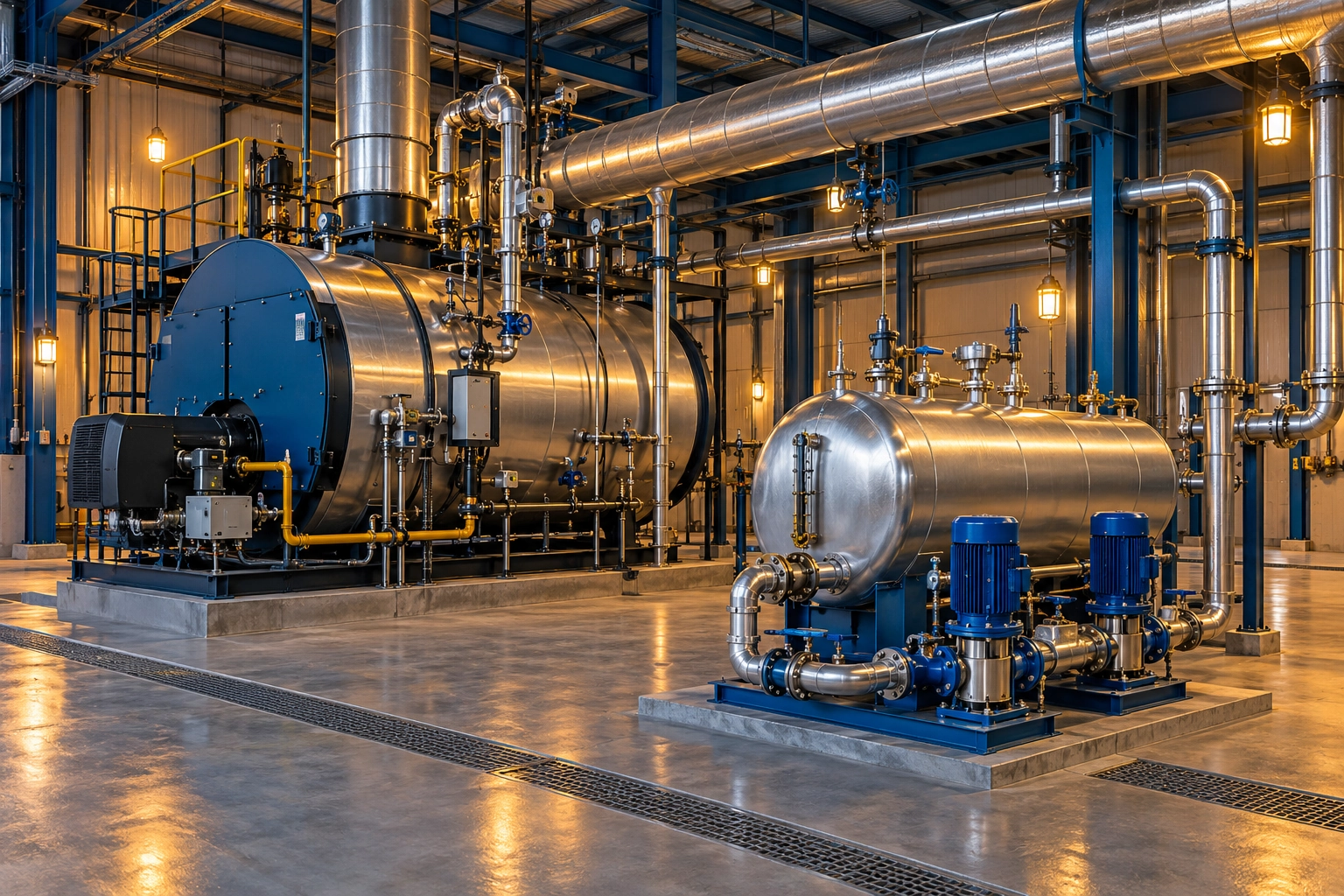
Developed the design for a full pasteurizer and hot-water-set rebuild with automated control and kosher CIP capability.
Replacement of key steam control and isolation valves and rework of associated piping to restore reliable pasteurizer thermal control. Scope included (2) Class VI shutoff valves and (1) Class IV flow control valve, coordination to the UDC temperature control system, commissioning support, and verification of steam shutdown logic to prevent overheating conditions.
Convert Line 1 750 ml and 1 L mixer bottle formats to a 28 mm PCO neck finish due to supplier discontinuation of the current ROPP preform. Scope includes new bottle mold ordering, change parts for pick station and neck handling geometry, update of capper-related change parts, and coordination across Procurement, R&D, and Operations to maintain packaged product supply.
Engineered design for comprehensive bottling and packaging system upgrade across Lines 1 and 2, including reflow of product to provide a high-speed bottling system for 64oz and 128oz formats, redesigned conveyors, case packing, palletizing, and end-of-line automation. The project coordinated utility and process tie-ins, civil and electrical upgrades, labor modeling, and safety circuits to expand capacity, improve OEE, and reduce manual handling.
Analyzed the financial impact of routing changes, shipment-volume shifts, and operational adjustments.
Defined lead-time and runout risk controls, including 8 to 10 weeks for mold delivery and 10 to 14 weeks for change-part delivery, with identified bottle availability runout windows in early September 2024 (or January 2025 for the 1 L bottle).
Directed inbound and outbound logistics, transportation, warehouse operations, and logistics quality-management activities.
Enable kosher CIP capability to expand customer and product flexibility.
Planned conveyors, spirals, and automated packing to improve OEE and reduce manual handling.
Modeled a 15 percent OEE improvement and approximately $135K/year labor-cost reduction through line balancing.
Improved throughput between approximately 35 and 71 percent across SKUs by retrofitting hygienic filler valves and adding return capacity.
Increase overall packaging capacity with end-of-line automation and labor modeling to offload Line 1 constraints.
Used capacity analysis and operations optimization to identify bottling-line constraints and redesign production capabilities; the changeover-reduction scenario projected a 45% decrease through fewer required line changeovers.
Lowered contamination risk with sanitary design changes and dedicated return tank coordination.
Managed distribution-center operations to improve cost, productivity, inventory accuracy, and on-time performance.
Negotiated transportation rates with suppliers and customers to improve supply-chain efficiency and cost performance.
Protected packaged product continuity for mixer bottle SKUs, supporting the ability to maintain approximately $2M in sales and 30,000 cases.
Recommended transportation routes, shipment frequency, and internal process improvements to improve efficiency and control cost.
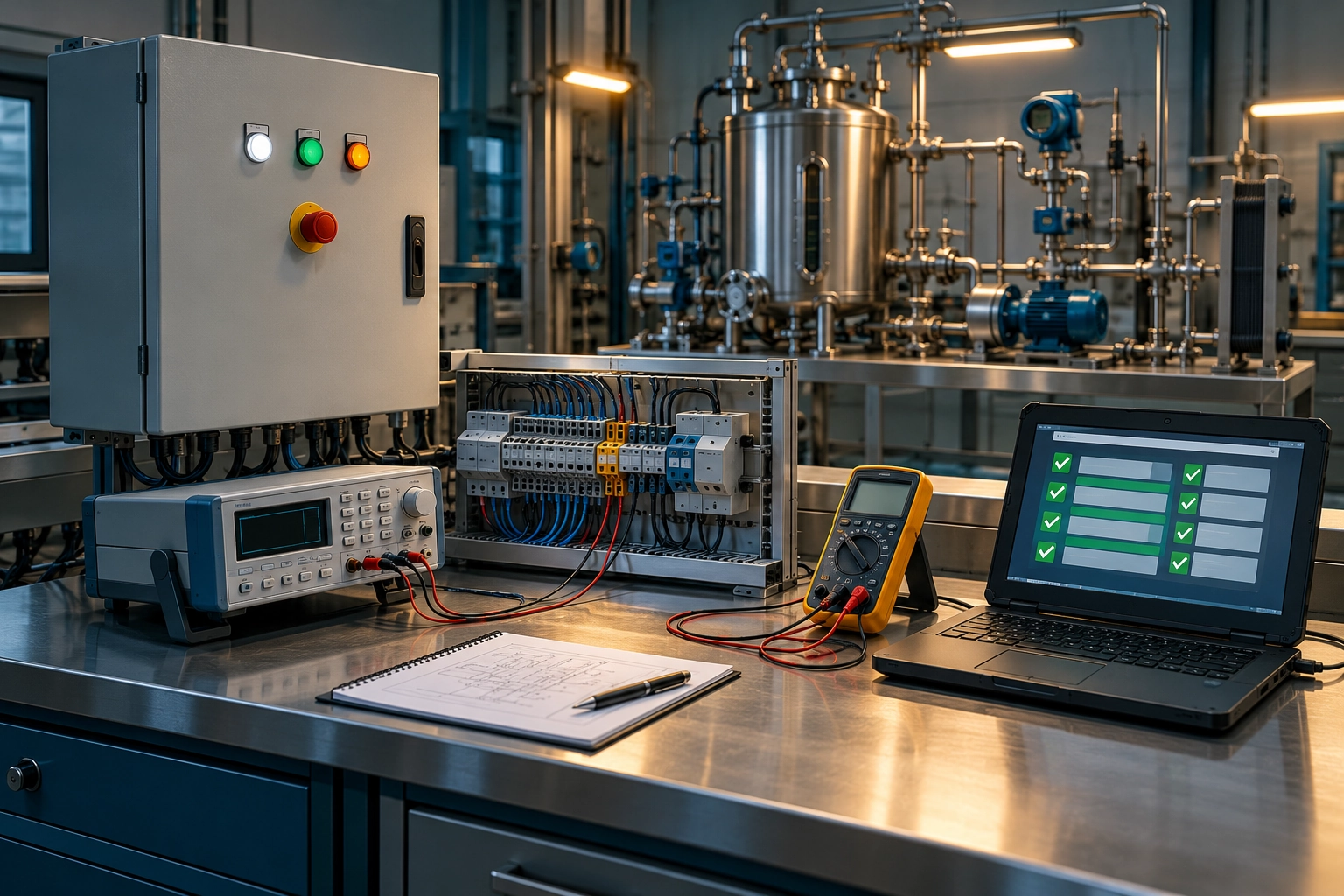
Reduced unplanned downtime risk by validating control logic and shutdown response during commissioning.
Restore regulatory compliance and thermal stability with a rebuilt hot water set and automation upgrades.
Restored dependable pasteurizer operation by re-establishing tight steam shutoff and controllable steam flow.
Scoped to deliver approximately 225-550 BPM capacity for large-format SKUs with coordinated utilities and controls.
Bottle mold sourcing and lead time management; Bottling & Packaging Systems; capper and closure change-part coordination; change-part engineering for bottle handling and neck support; CIP Automation; Electrical Power Distribution; instrumentation and controls coordination; packaging line changeover planning; Pasteurization and thermal process control; Safety Circuit Design; steam valves and piping
Capital Project Lifecycle Management; AFE Development & Budget Modeling; changeover readiness and validation planning; commissioning and verification; contractor coordination; cross-functional coordination (Procurement, R&D, Operations); Design-Build Project Coordination; Financial analysis of logistics and supply-chain changes; Multidisciplinary Coordination; Process Optimization; Rapid troubleshooting; Regulatory Compliance; routing analysis; scope development; Service-performance improvement and logistics quality management; supply continuity risk management; Transportation management; Warehouse and distribution-center operations leadership.
Production and Packaging Modernization portfolio rollup: $28.095M. The detailed-project component is $21.201M and the existing-project component is $6.894M.
TSK-000829 · Action
Line 1 Filler and Conveyor Upgrade
TSK-000832 · Action
Line 2 Pasteurizer Upgrades
TSK-000835 · Action
Line 1 Pasteurizer Repair
TSK-000838 · Action
Line 1 Mixer Bottle Conversion to 28 mm PCO
TSK-000841 · Action
Lines 1 & 2 Bottling and Packaging Lines
TSK-000842 · Action
Lines 1 & 2 Bottling and Packaging Lines
TSK-000843 · Action
Lines 1 & 2 Bottling and Packaging Lines
The engineering approach and source records describe the work for this case.
Full lifecycle project ownership
Project Leadership
Led packaging-project engineering and coordination across filler retrofit, pasteurizer repair/rebuild scope, bottle conversion and bottling expansion; applied throughput/OEE analysis, capital planning and logistics coordination.
Owned the full project lifecycle: capital planning and prioritization, need definition, feasibility and scope development, engineering and AFE justification, procurement and vendor coordination, construction sequencing and field oversight, commissioning, turnover, and post-startup support. Connected operating requirements with technical scope, funding decisions, execution readiness, and the needs of operations and maintenance.
Project coordination
Project coordination
Procurement and R&D were assigned bottle-format supply and change-part planning; Operations and maintenance were named for commissioning, testing and training coordination.