CASE-073 · Engineering case

Boiler System Overhaul and Steam / Condensate Optimization

Led the boiler, feedwater, condensate and boiler-room modernization as an integrated thermal-utility project.

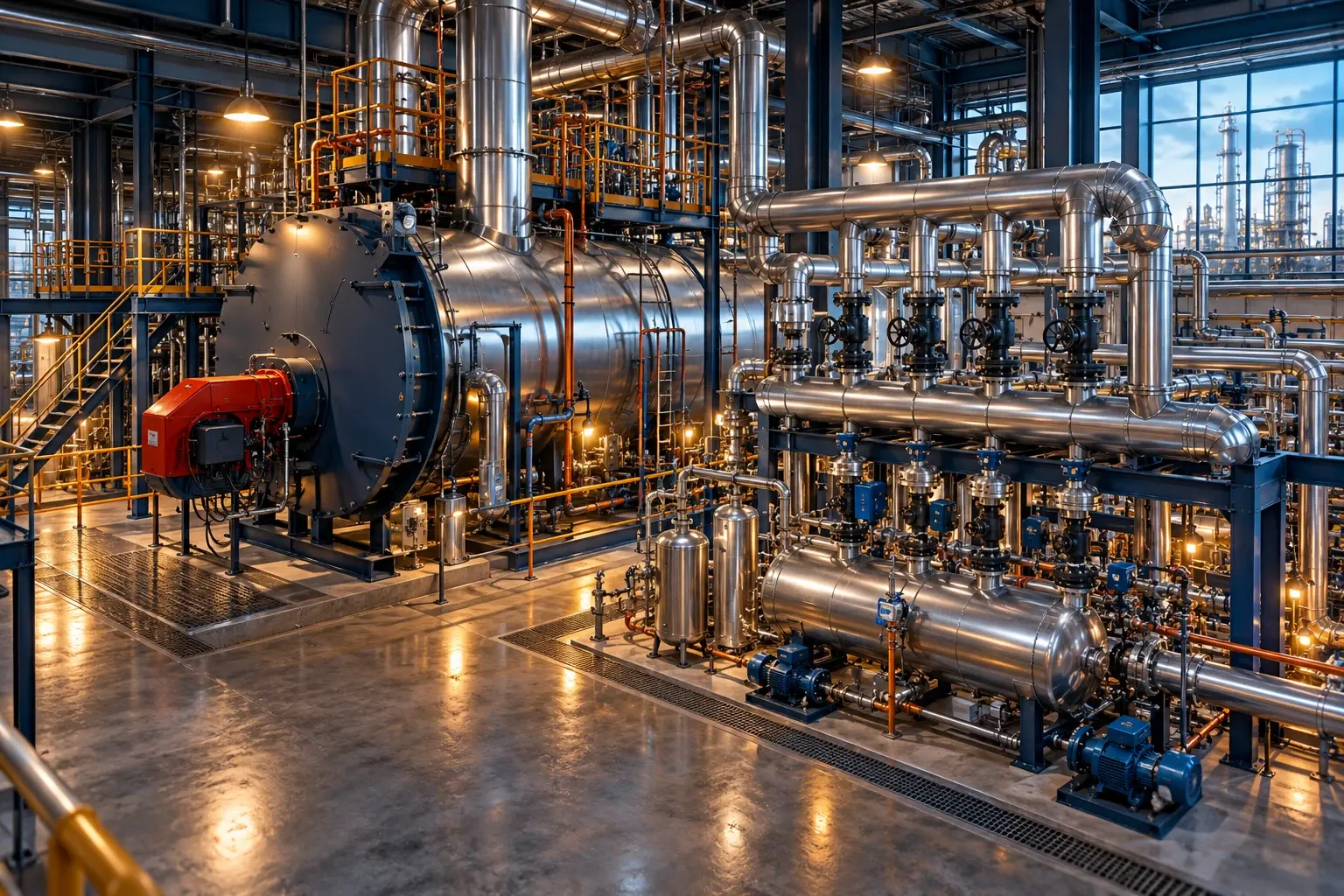
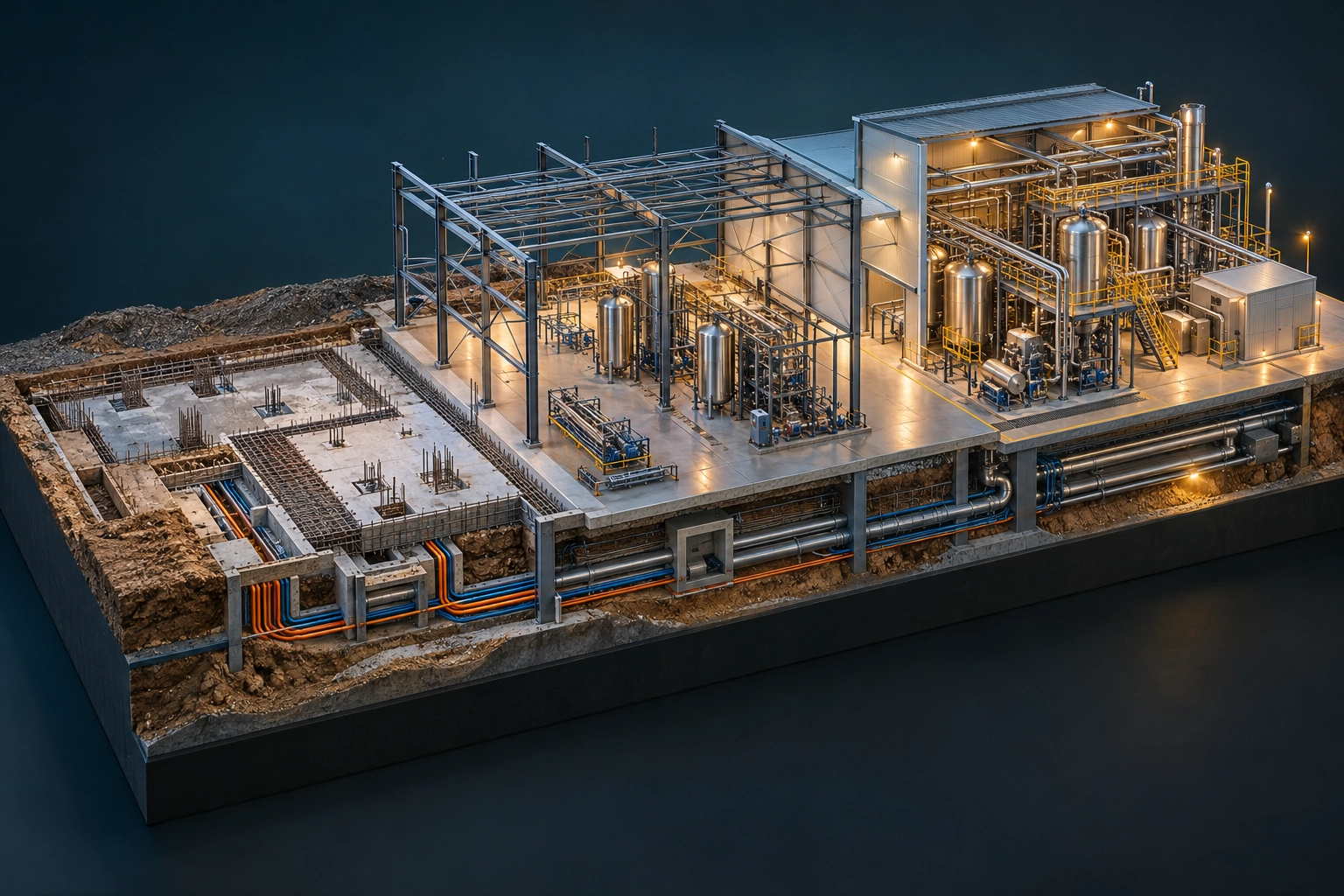
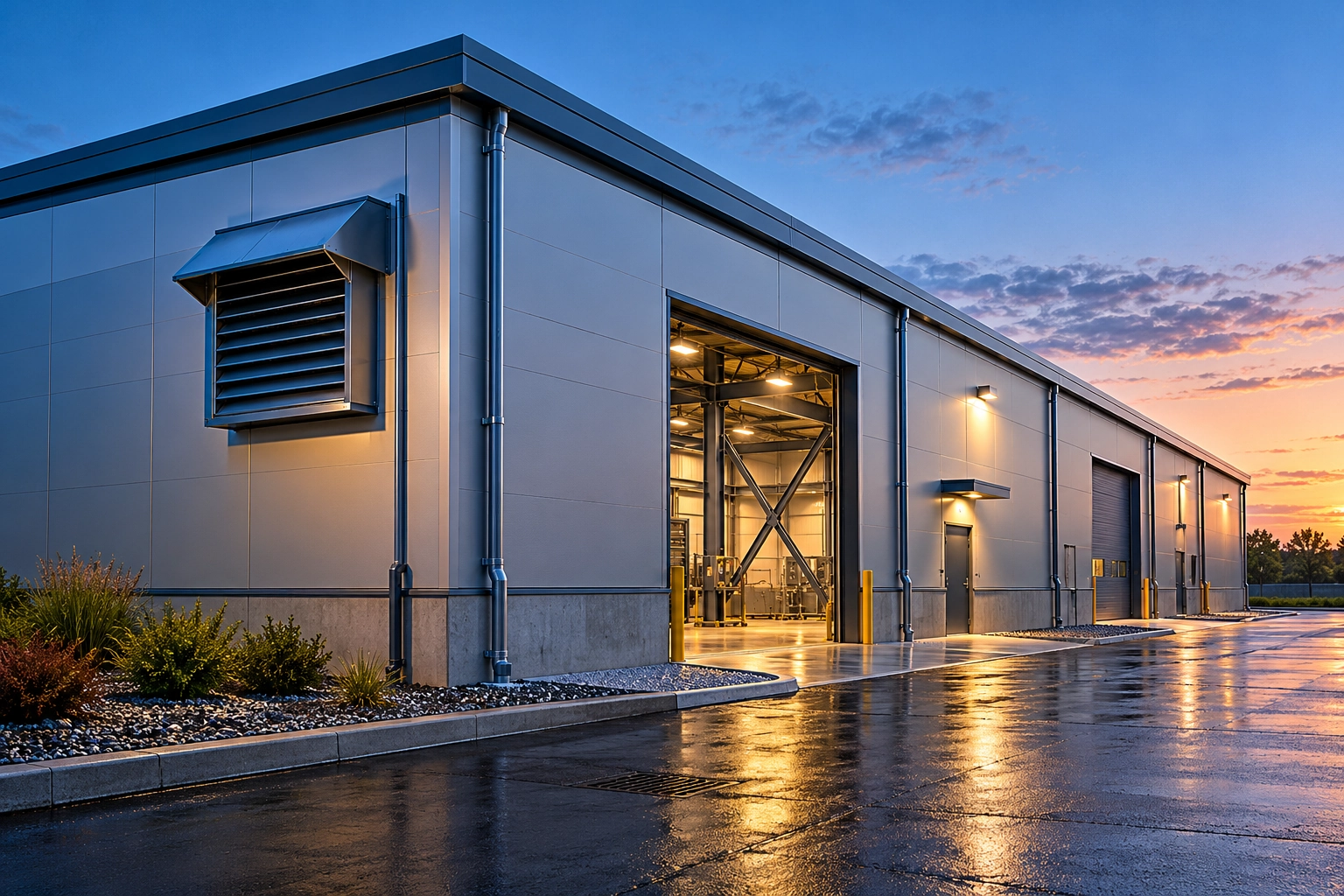
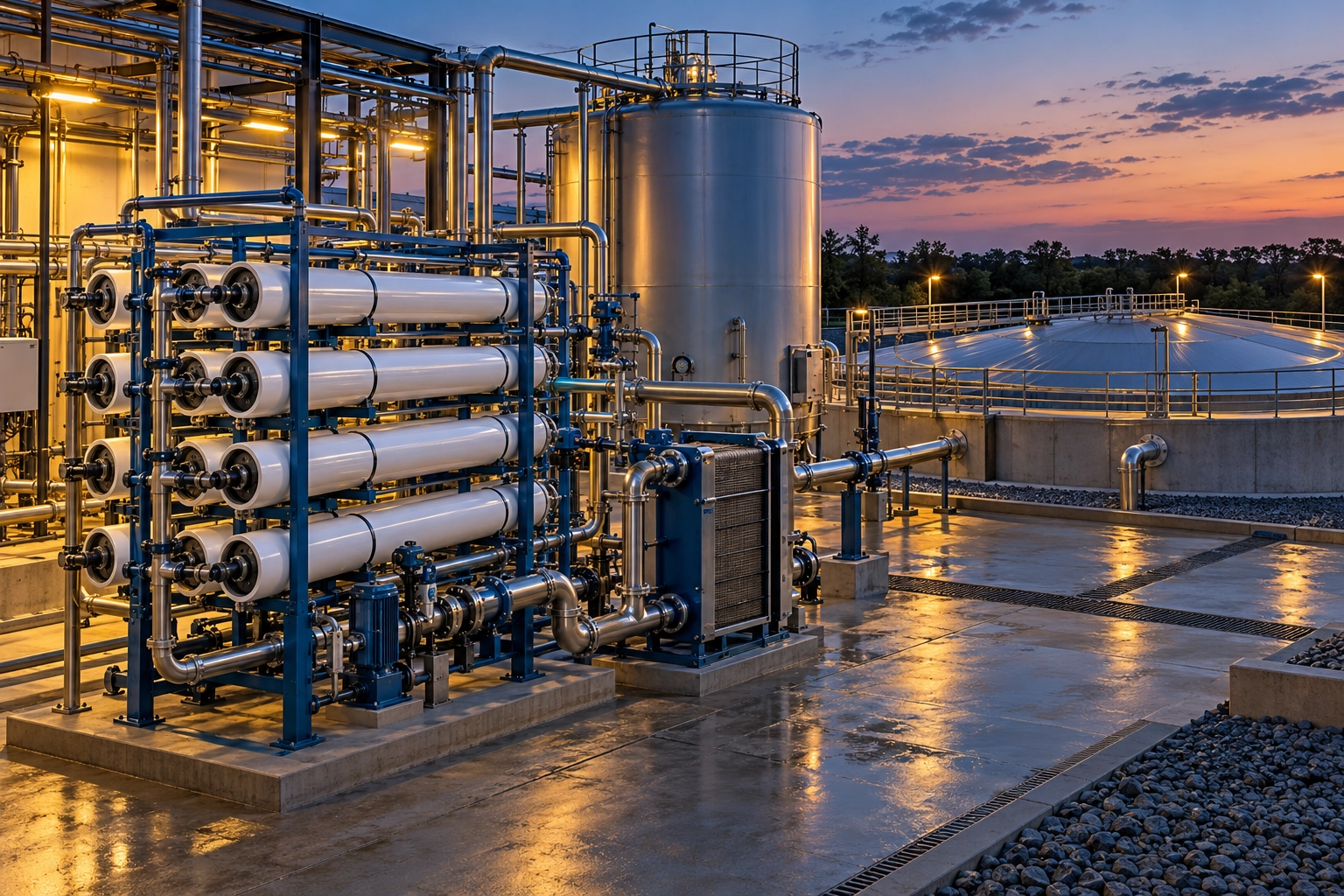
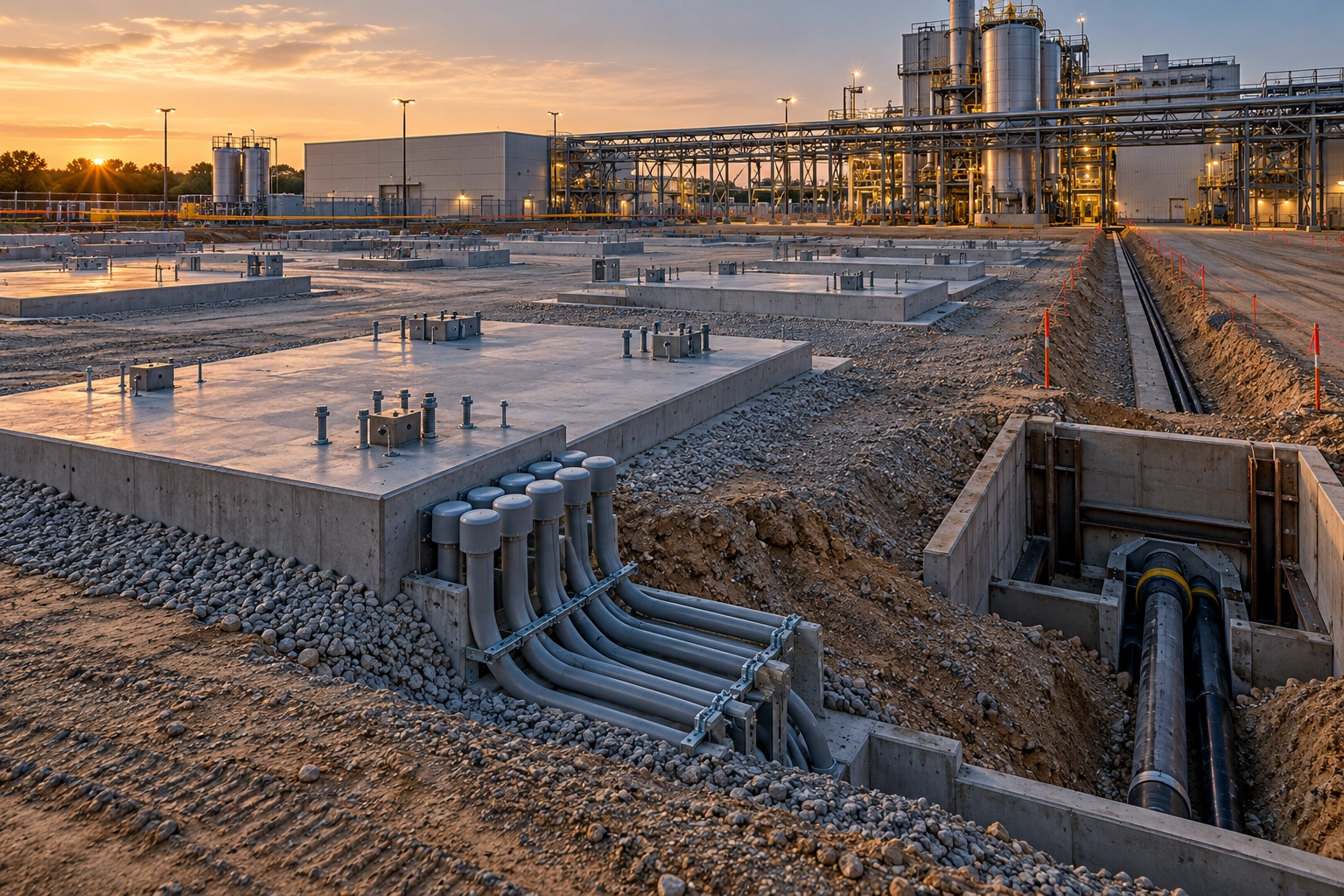
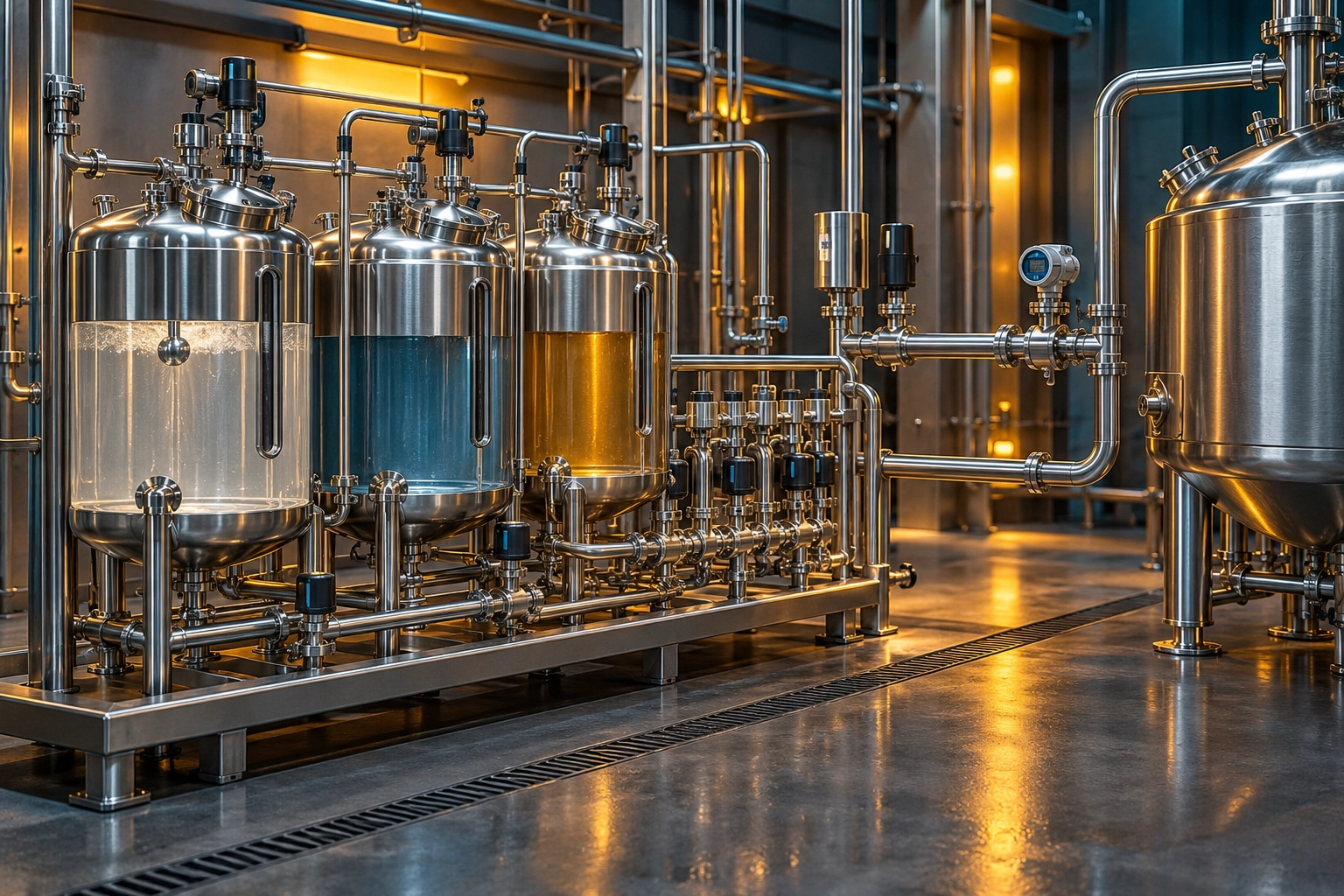
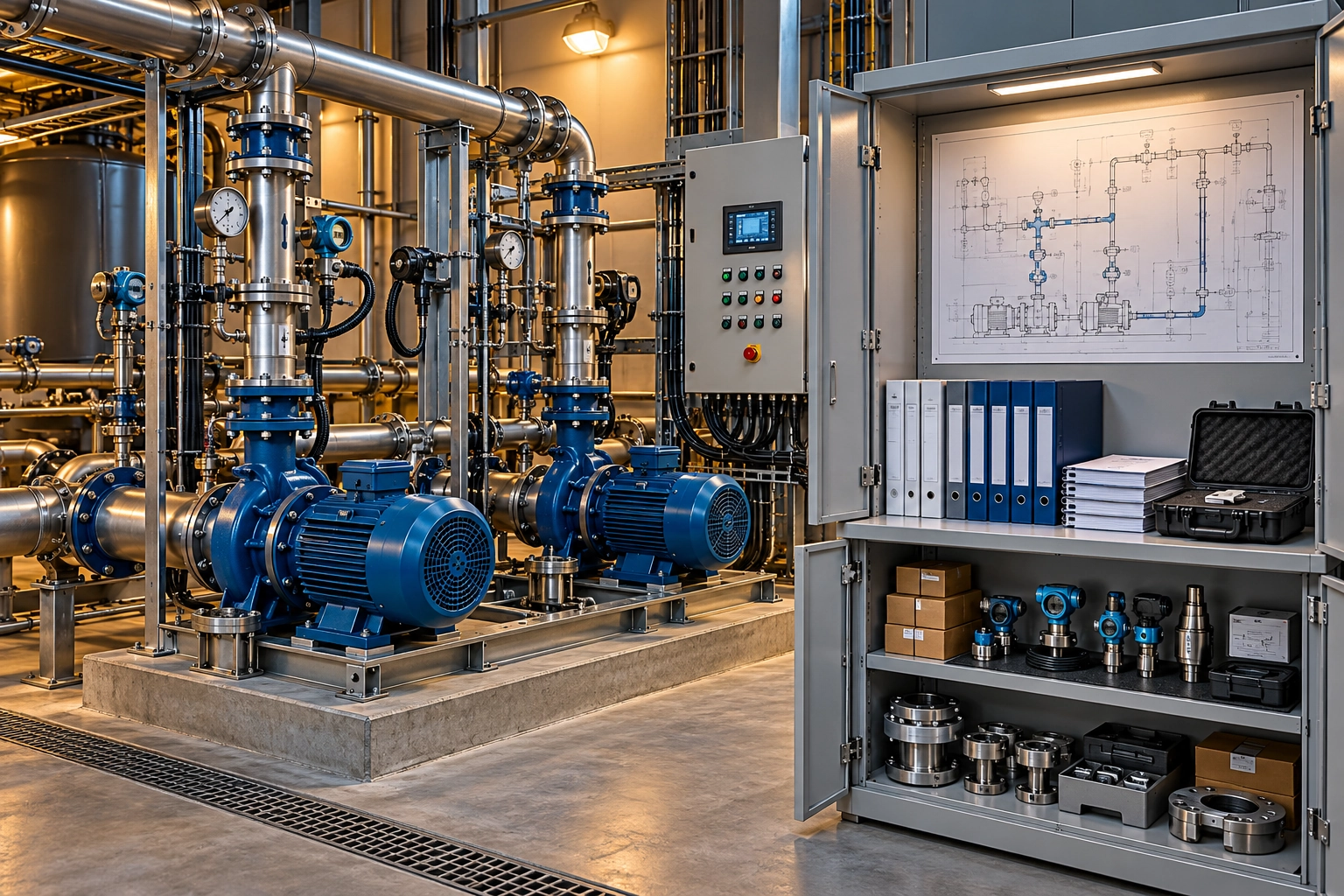
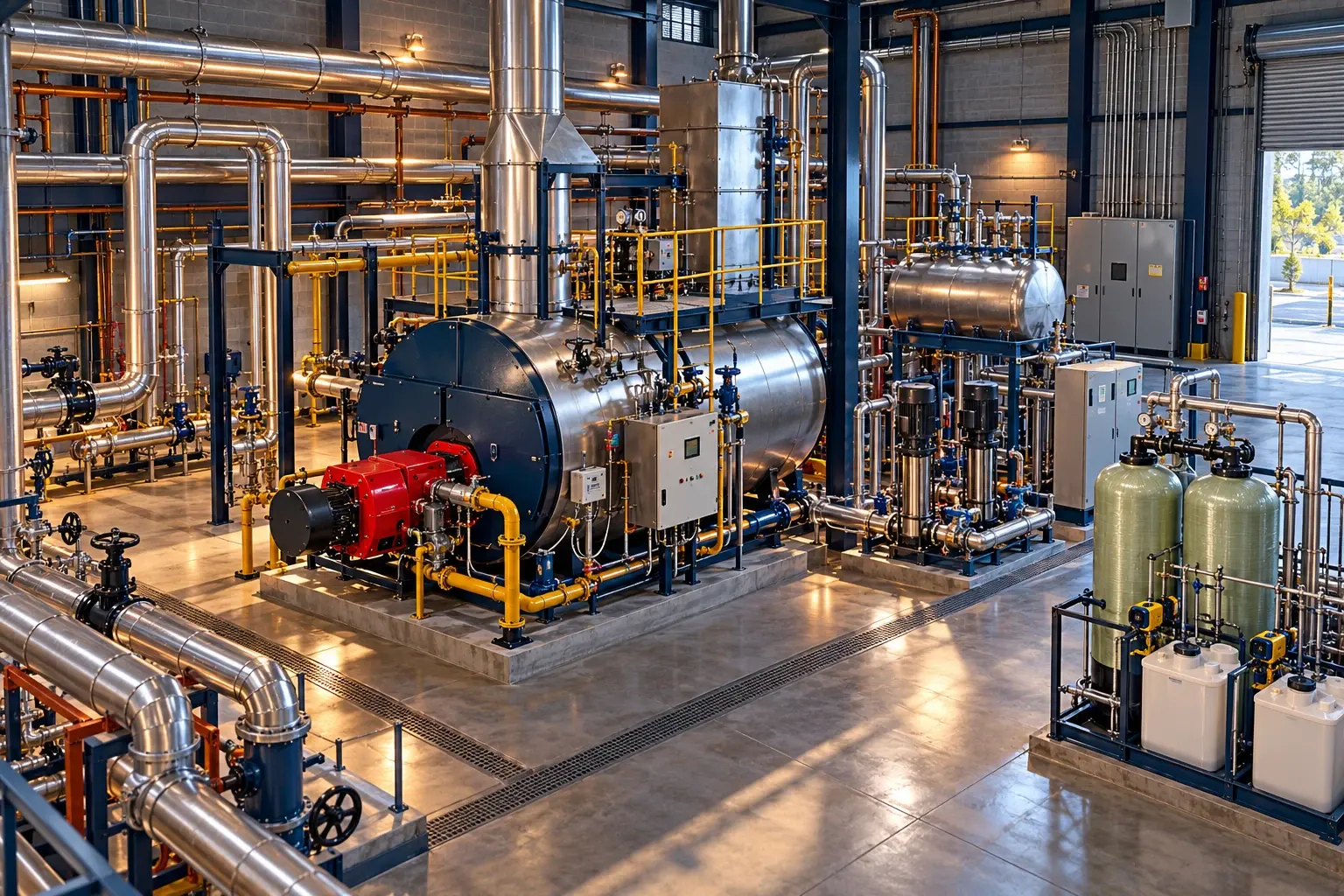
Conceptual engineering visualization: Boiler System Overhaul and Steam / Condensate Optimization
Conceptual engineering visualization · AI generated

Why the Work Mattered

Purpose and Operating Need

The boiler project required correcting generation capacity, heat recovery, feedwater quality, condensate return, steam routing, PRV/control instability, room construction, permitting, and commissioning as one system.

Engineering Approach

Engineering Approach

Coordination scope: 350 HP, 2-pass dryback firetube boiler; economizer; LMV51 BMS; CM burner; natural gas piping; flue stack; roof penetration flashing; economizer piping; insulation strategy; 350-gal stainless feedwater tank skid; dual CR5-18K pumps rated 35 GPM at 445 ft TDH, 7.5 hp; Model 10SS deaerator; level control; steam injection heater; chemical quills; solenoid makeup valve with bypass; NEMA 12 enclosure; twin FRP 160,000 grain softeners; reused chemical pumps/tanks with flow-based chemical dosing; 150 ft condensate return pipe with 36 in drop; steam trap routing corrections; 3 in steam isolation valves for disused mains; 22 ft x 28 ft x 20 ft CMU boiler room; 10 ft x 10 ft x 20 ft equipment room; 8 in 4500 PSI slab; roll-up door; R29 roof; city permitting; electrical feeds; BMS commissioning; I/O checkout; instrumentation calibration; operator training; P&IDs, PFD, instrument list, control narrative, electrical power plan, 3D scan, 29-30 week APO schedule, and A207360 schedule.

Outcome & Engineering Context

Outcome and Context

Improved steam reliability, condensate management, and boiler infrastructure; energy-performance figures retain their reported, projected, or modeled bases.

Workstream Results & Impact

Workstream Portfolio Rollup

16,297,000 USD

Steam and Boiler System Modernization

Recorded workstream portfolio reference. This is the workstream-level value and is not a project expenditure or a new total of reassigned projects.

Measures & Operating Detail

MeasureValueType & meaningAttribution & operating context
Rental Boiler Cost Avoidance15,000 USD/monthEstimate
Projected rental avoidance

Applies to: Boiler System Overhaul and Steam / Condensate Optimization

Boiler replacement business case — projected $15K/month rental avoidance

Annual Energy Savings> 11,000 USD/yearHistorical/Reference Value
Reported annual energy benefit

Applies to: Boiler System Overhaul and Steam / Condensate Optimization

Annual energy-benefit figure reported in the boiler project narrative. It is retained separately from the 1.135 MMBtu/h savings commitment, 0.5 MMBtu/h modeled benefit and projected rental avoidance.

Annual Fuel Reduction10 to 15 %Historical/Reference Value
Reported annual fuel-reduction range

Applies to: Boiler System Overhaul and Steam / Condensate Optimization

Reported 10–15% annual fuel-reduction reference in the boiler project narrative, alongside separate modeled savings and commitment values.

Boiler Efficiency79.8 %Baseline
Before heat recovery

Applies to: Boiler System Overhaul and Steam / Condensate Optimization

Baseline — Efficiency baseline before the recorded heat-recovery improvement.

Boiler Efficiency82.8 %Historical/Reference Value
Reported post-change reference

Applies to: Boiler System Overhaul and Steam / Condensate Optimization

Heat-recovery comparison — Reported 82.8% post-change efficiency in the heat-recovery comparison, paired with the 79.8% baseline.

Fuel-Savings Commitment1.135 MMBtu/hTarget
Commitment

Applies to: Boiler System Overhaul and Steam / Condensate Optimization

Recorded 1.135 MMBtu/h fuel-savings commitment; distinct from the 0.5 MMBtu/h modeled value.

Modeled Fuel Savings0.5 MMBtu/hScenario or Model Result
Modeled benefit

Applies to: Boiler System Overhaul and Steam / Condensate Optimization

Modeled 0.5 MMBtu/h fuel savings; not interchangeable with the separate 1.135 MMBtu/h commitment.

Flue Gas Temperature398 degFBaseline
Before heat recovery

Applies to: Boiler System Overhaul and Steam / Condensate Optimization

Baseline — Flue gas temperature before heat recovery.

Flue Gas Temperature285 degFHistorical/Reference Value
Reported post-change reference

Applies to: Boiler System Overhaul and Steam / Condensate Optimization

Heat-recovery comparison — Reported 285 degF post-change flue-gas temperature in the heat-recovery comparison, paired with the 398 degF baseline.

Engineering scope and design basis

Improved steam capacity, reduced rental exposure, corrected condensate failures, and strengthened BMS/control readiness; fuel-efficiency improvement remains a reported performance reference.

Coordinated 350 HP 2-pass dryback firetube boiler; economizer; LMV51 BMS; CM burner; natural gas piping; flue stack; roof penetration flashing; economizer piping; insulation strategy; 350-gal stainless feedwater tank skid; dual CR5-18K pumps rated 35 GPM at 445 ft TDH, 7.5 hp; Model 10SS deaerator; level-control system; steam injection heater; chemical quills; solenoid makeup valve with bypass; NEMA 12 enclosure; twin FRP 160,000 grain softeners; reused chemical pumps/tanks with flow-based chemical dosing; 150 ft condensate return pipe with 36 in drop; steam trap routing corrections; 3 in steam isolation valves for disused mains; 22 ft x 28 ft x 20 ft CMU boiler room; 10 ft x 10 ft x 20 ft equipment room; 8 in 4500 PSI slab; roll-up door; R29 roof; city permitting; electrical feeds; BMS commissioning; I/O checkout; instrumentation calibration; operator training; P&IDs, PFD, instrument list, control narrative, electrical power plan, 3D scan, 29-30 week APO schedule, and A207360 schedule.

Improved thermal utility reliability, measured by $1.45M total capital, $1.2M boiler-room/equipment layer, projected $15K/month rental boiler elimination, a reported 10-15% annual fuel-reduction reference, and 1.135 MMBtu/hrfuel-savings commitment, by coordinating boiler, economizer, feedwater, deaerator, condensate, controls, building, and commissioning scope.

boiler-room/equipment layer; projected $15K/month rental avoidance; reported 10-15% annual fuel-reduction reference; 1.135 MMBtu/hr fuel-savings commitment; 0.5 MMBtu/hr modeled fuel savings; reported flue-gas values of 398 F and 285 F; reported efficiency values of 79.8% and 82.8%; reported >$11K/year energy-savings reference.

Led boiler-replacement engineering and coordinated the economizer, BMS, feedwater/deaerator skid, water softening, condensate rebuild, steam diagnostics, boiler-room construction, permits, controls testing and commissioning.
Actions, Methods & Controls

ACTIVITIES IN CONTEXT

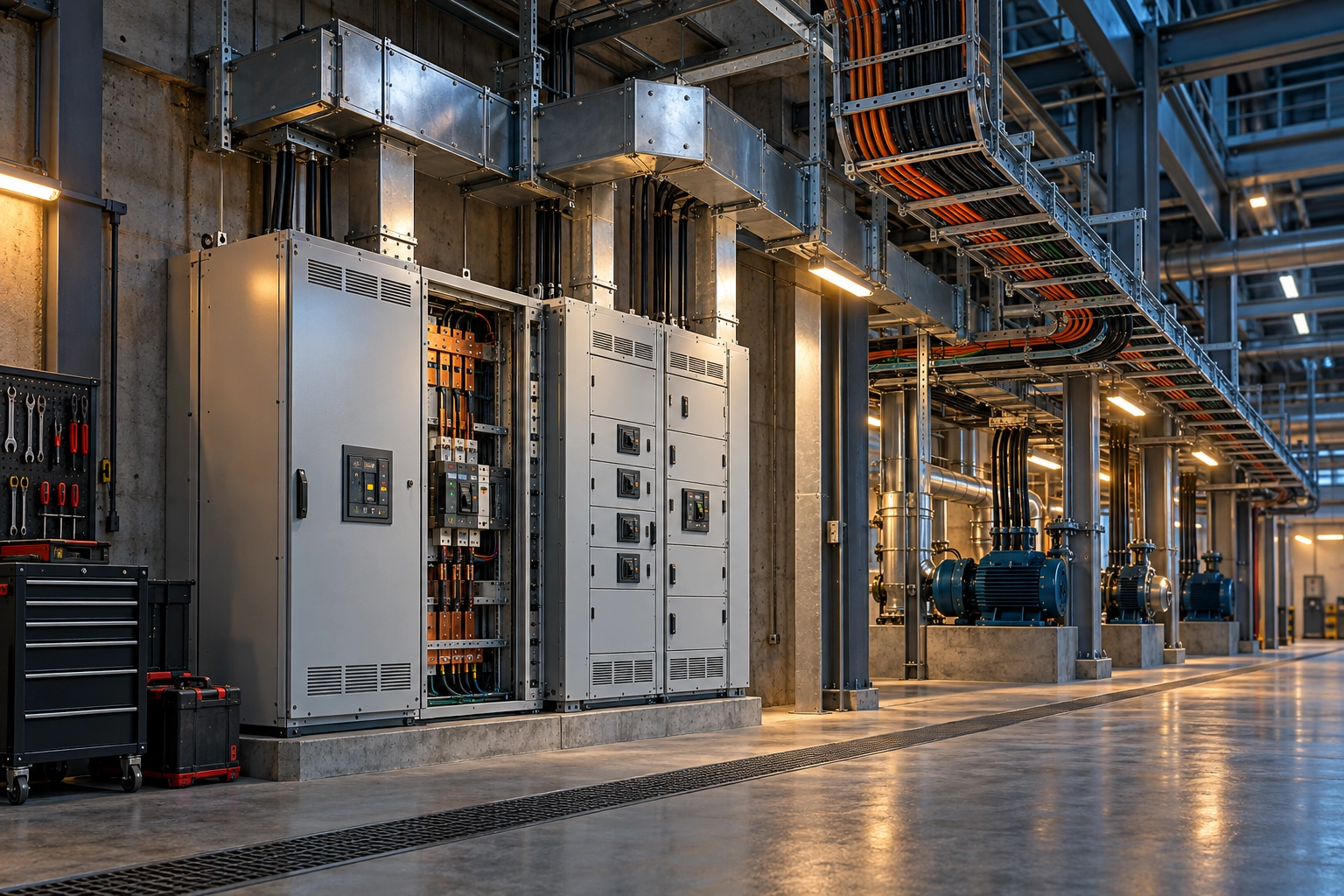
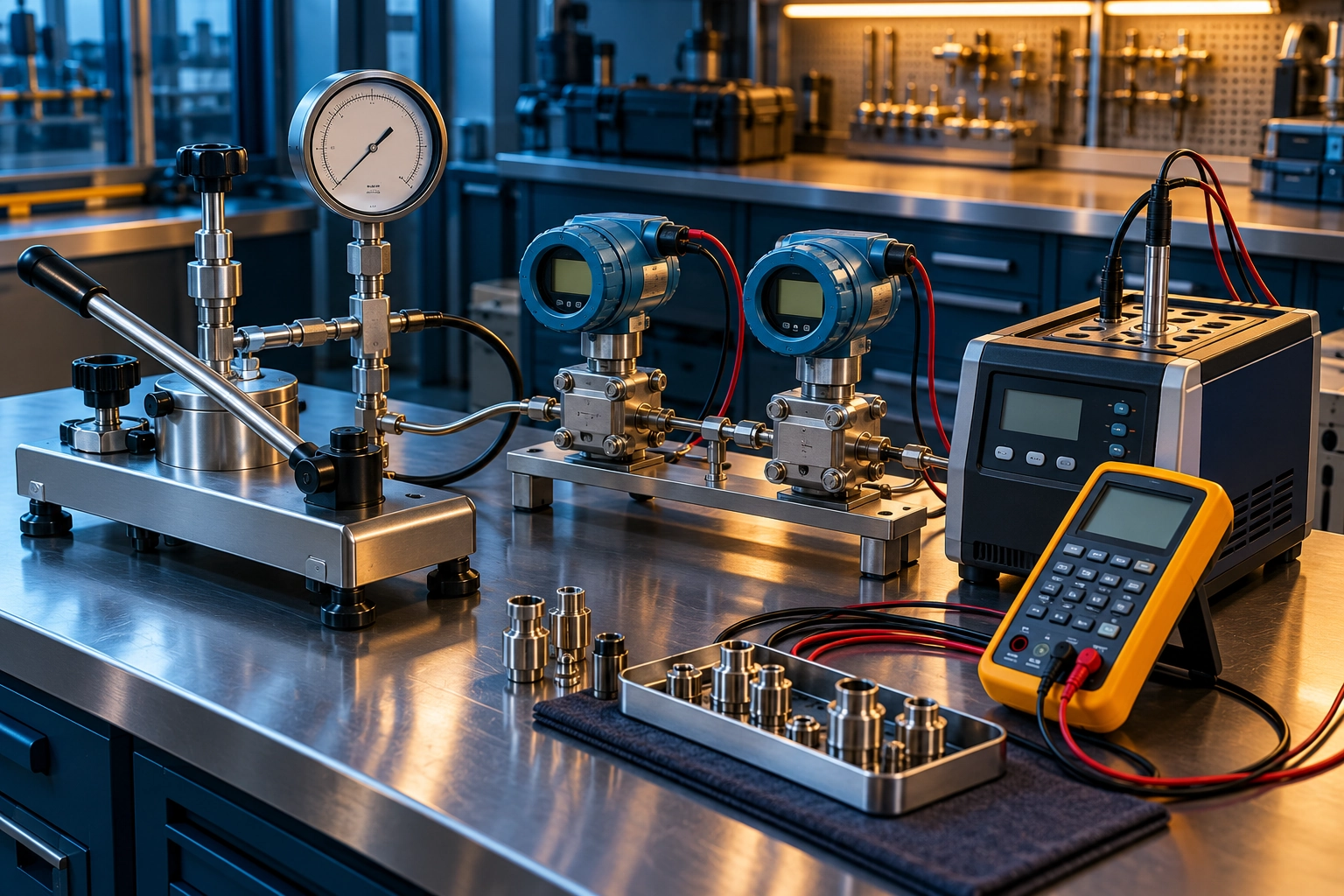
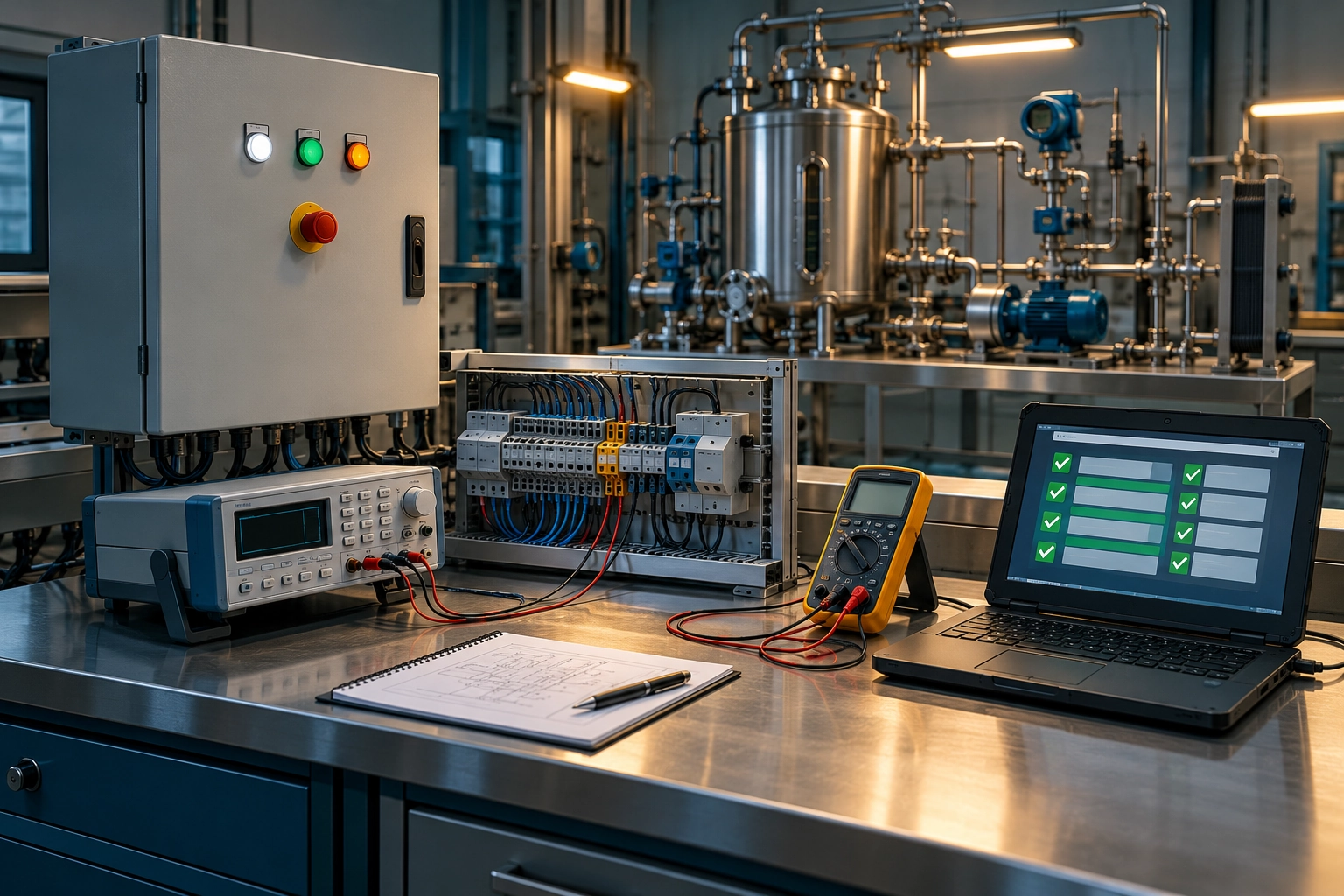
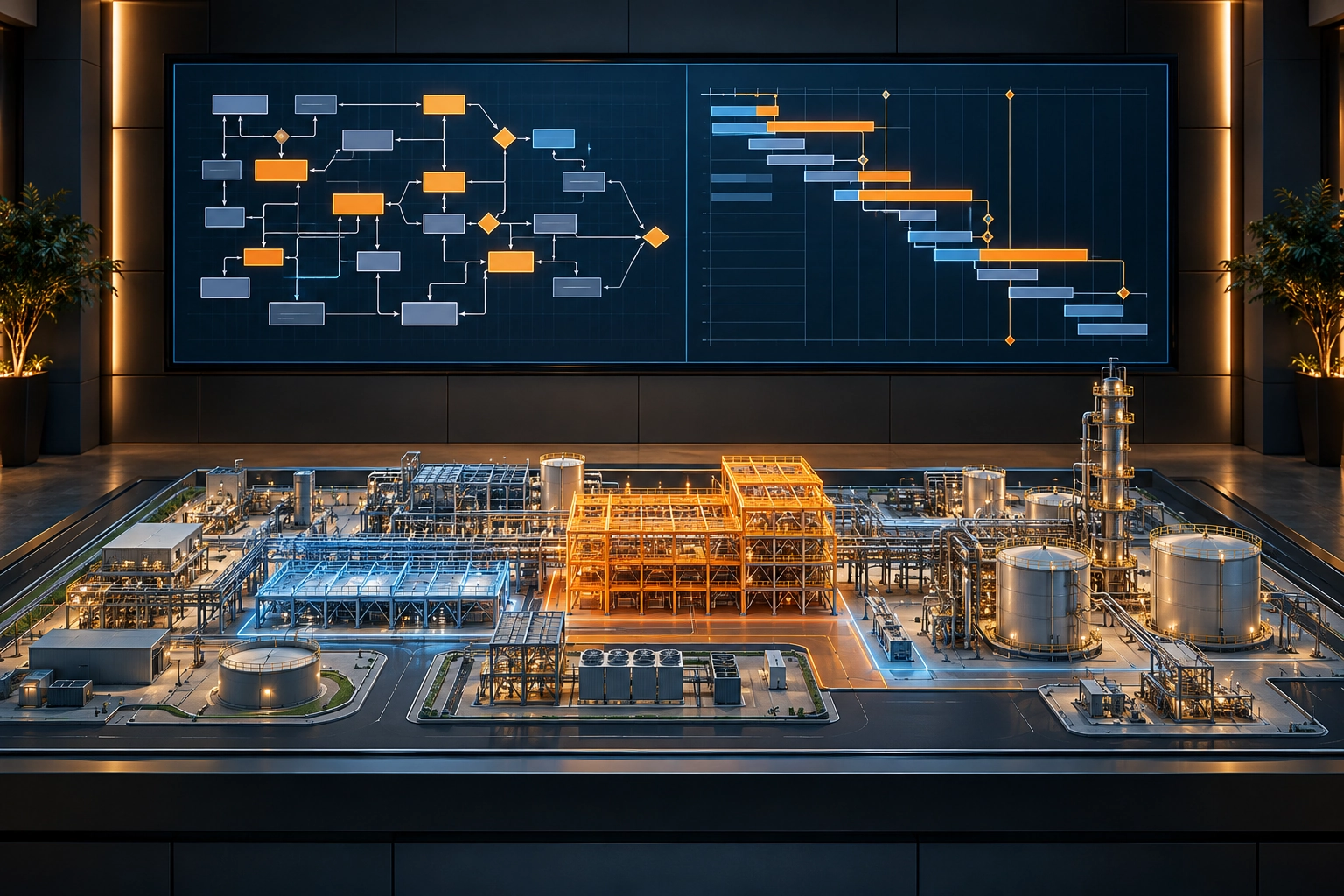
Conceptual engineering illustration: project controls

TSK-000188 · Action

P&IDs, PFD, Instrument List, Control Narrative, Electrical Power Plan, 3D Scan, 29-30 Week APO Schedule, and A207360 Schedule

Boiler System Overhaul and Steam / Condensate Optimization

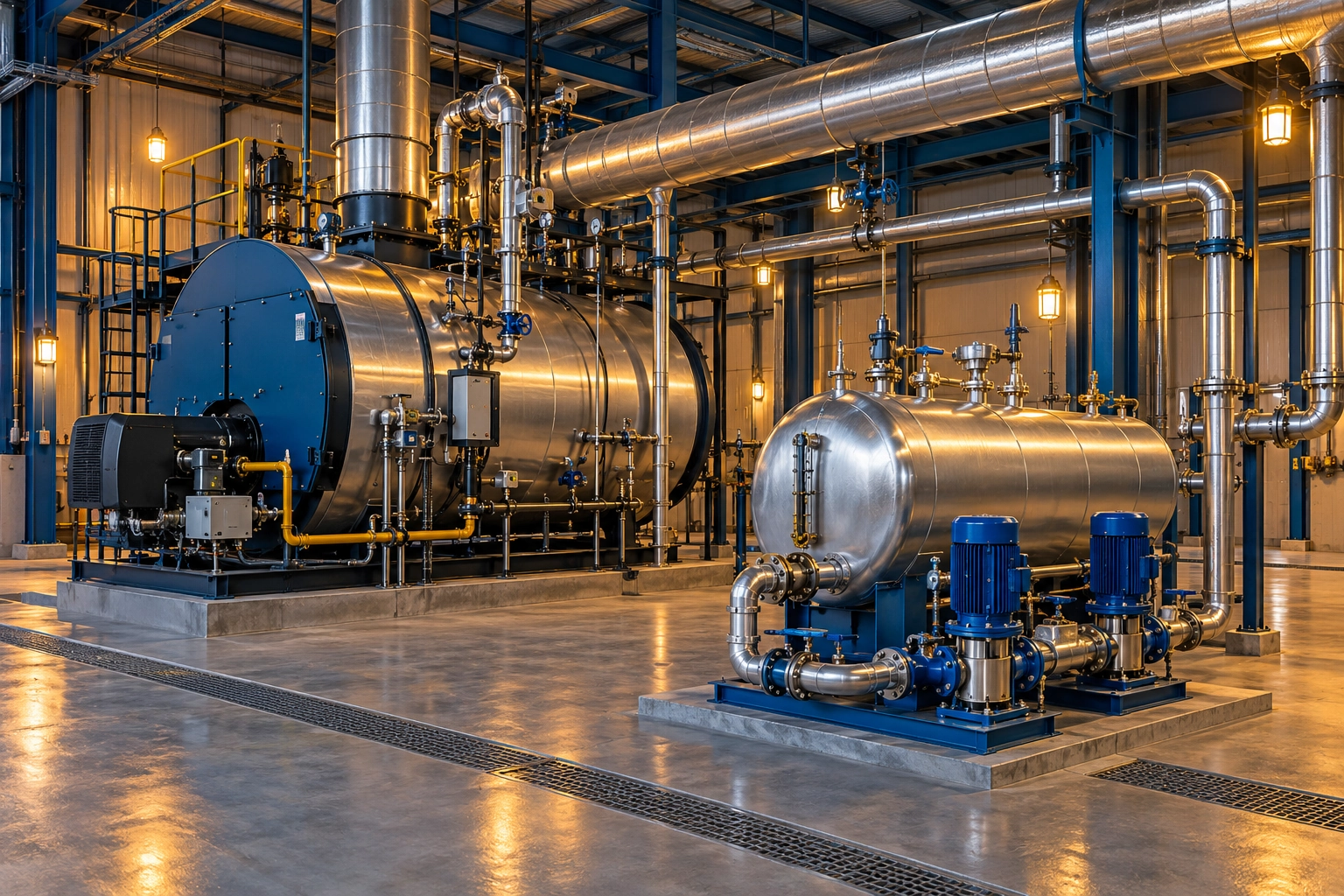
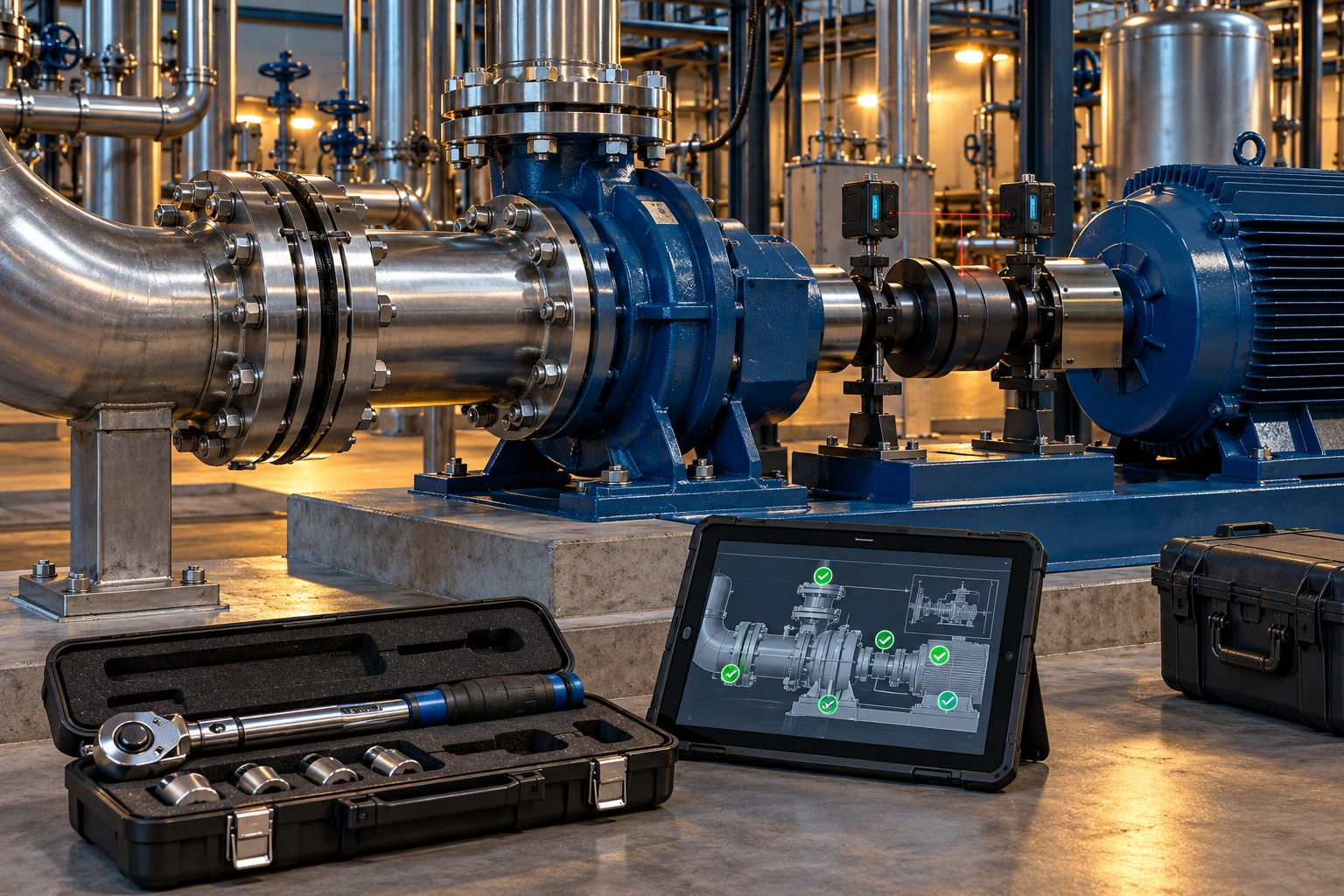
Conceptual engineering illustration: steam condensate

TSK-000189 · Method

Boiler Replacement and Supporting Utility Integration

Boiler System Overhaul and Steam / Condensate Optimization

Additional Technical Detail

Roles & contributions
  • Project Ownership

    Full lifecycle project ownership

    Owned the full project lifecycle: capital planning and prioritization, need definition, feasibility and scope development, engineering and AFE justification, procurement and vendor coordination, construction sequencing and field oversight, commissioning, turnover, and post-startup support. Connected operating requirements with technical scope, funding decisions, execution readiness, and the needs of operations and maintenance.

Workstream context
All portfolio connections
All portfolio connections (44)
Project ownership and delivery context

Owned the full project lifecycle: capital planning and prioritization, need definition, feasibility and scope development, engineering and AFE justification, procurement and vendor coordination, construction sequencing and field oversight, commissioning, turnover, and post-startup support. Connected operating requirements with technical scope, funding decisions, execution readiness, and the needs of operations and maintenance.

Coordinated boiler-room equipment, electrical and controls interfaces with steam-manifold and pressure-reduction improvements. Condensate recovery, control checkout and operating readiness were part of the same system scope. The work increased available steam capacity by about 25 percent and stabilized jacket pressure.

Related methods and applications
Related analysis and application artifacts
Connected collections

WHAT COMES NEXT

Complex Challenge?
Let’s Work Through It.

Engineering leadership, capital projects, and independent consulting.

Start a conversation ↗