CASE-054 · Engineering case

Lines 1 & 2 Warehouse Flow and Material Handling

Modeled warehouse-flow impacts so added packaging speed would not create a downstream material-handling bottleneck.

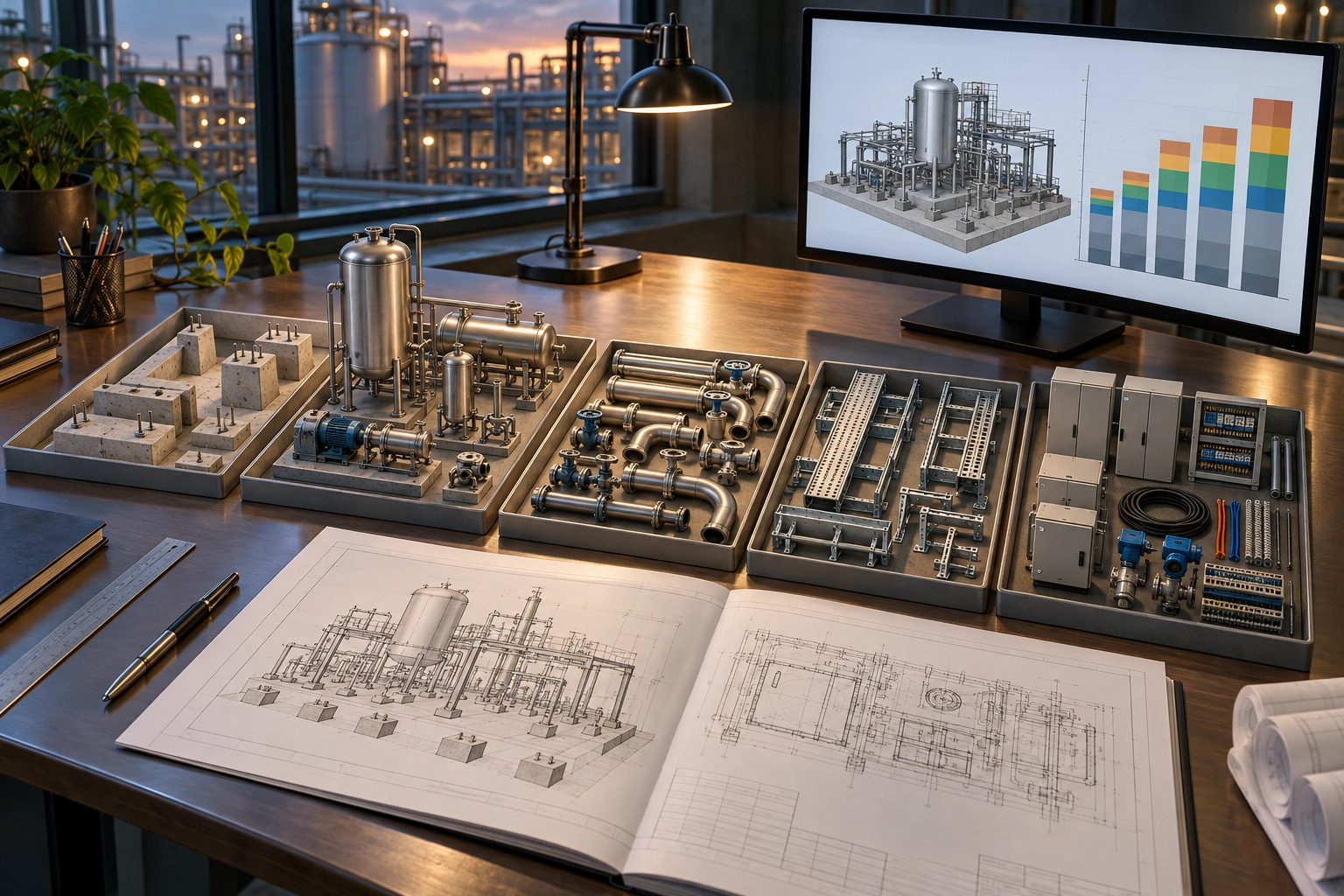
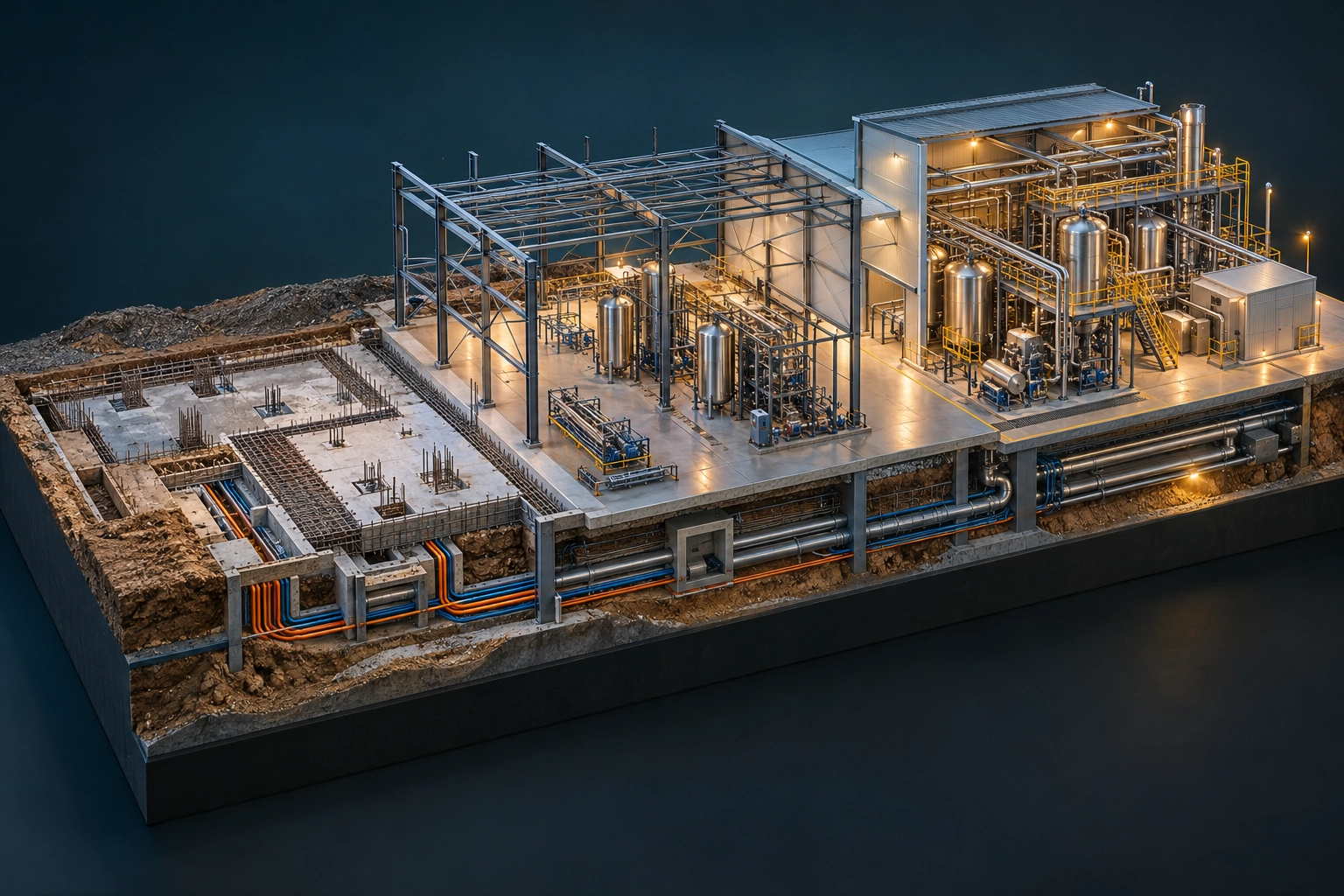
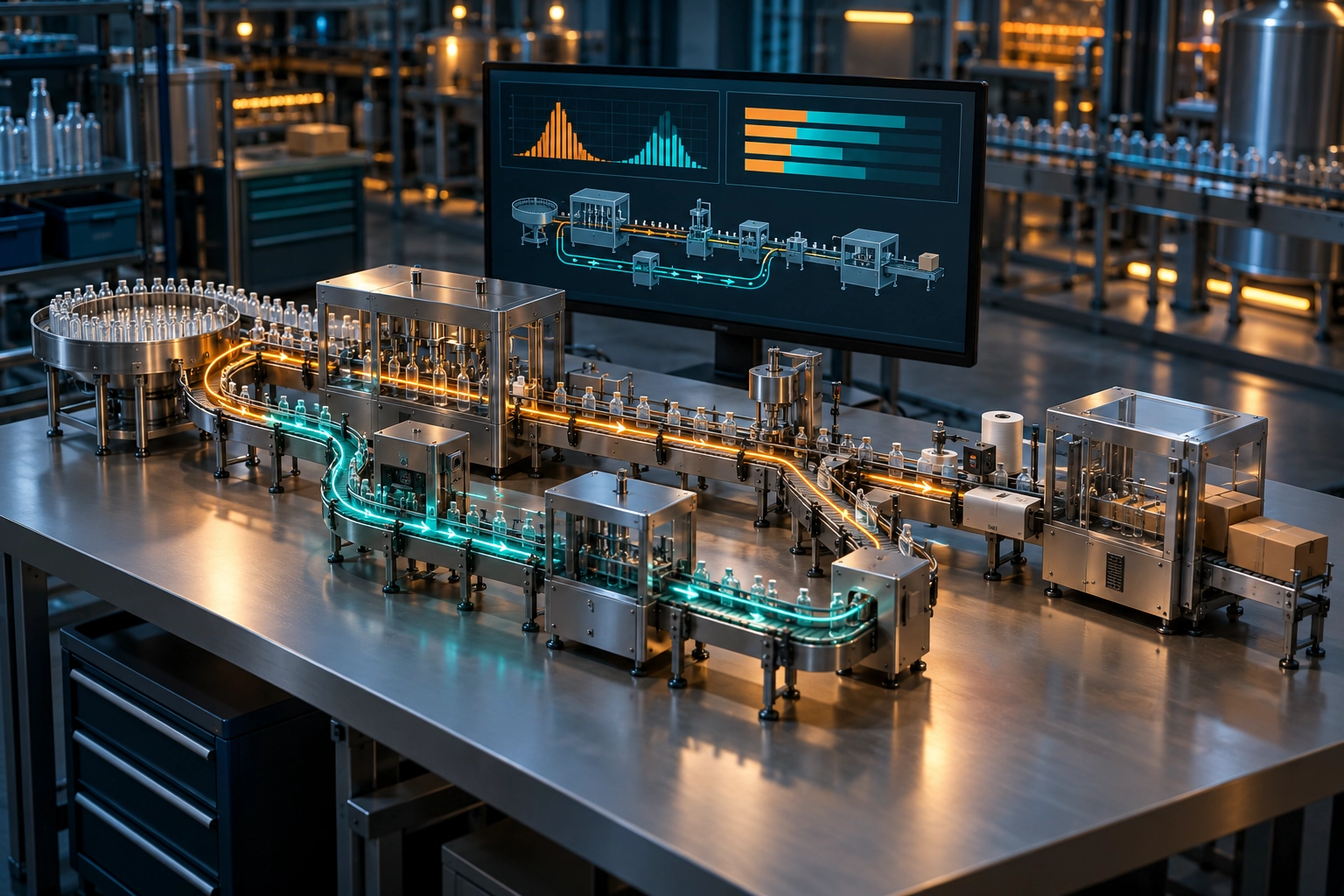
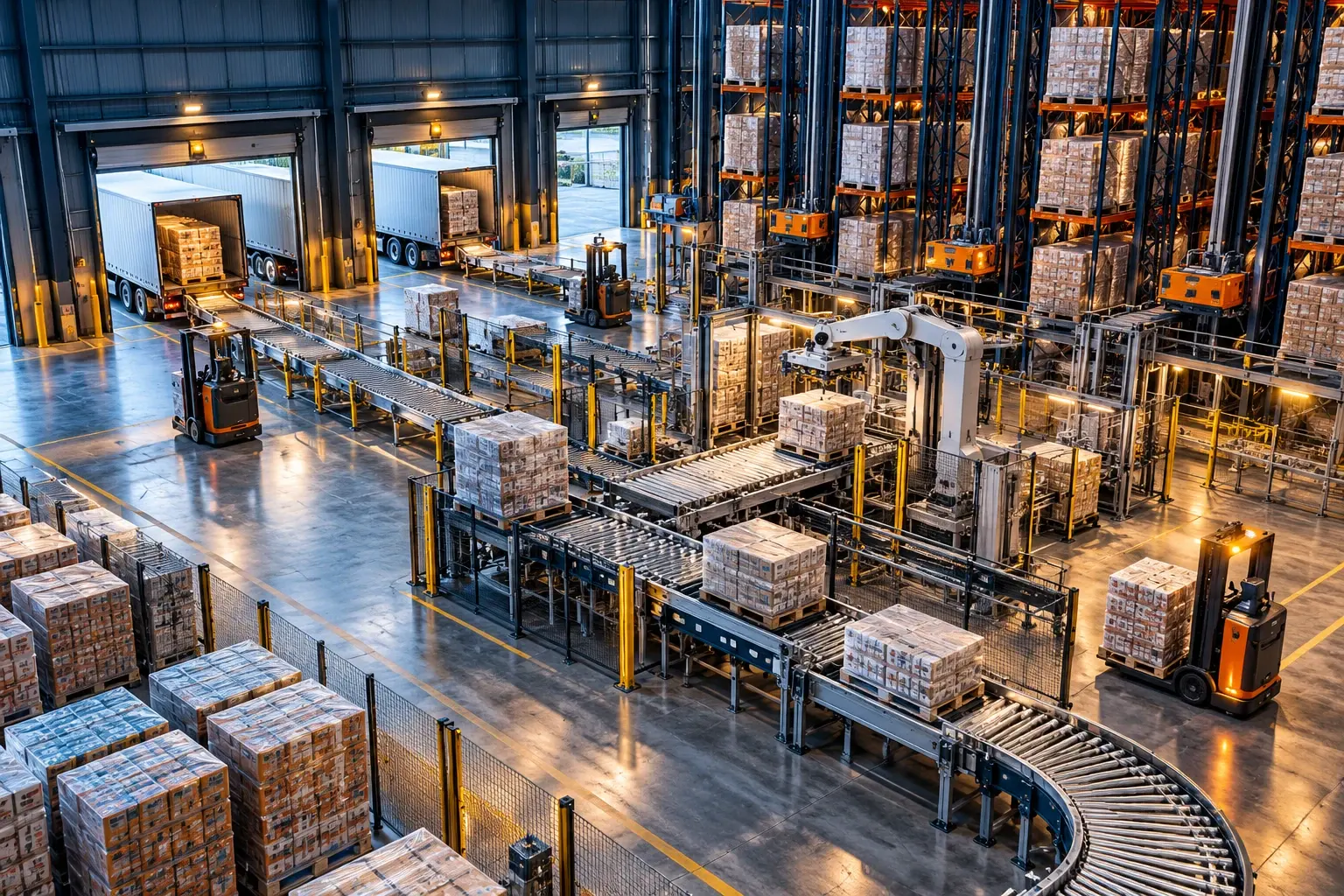
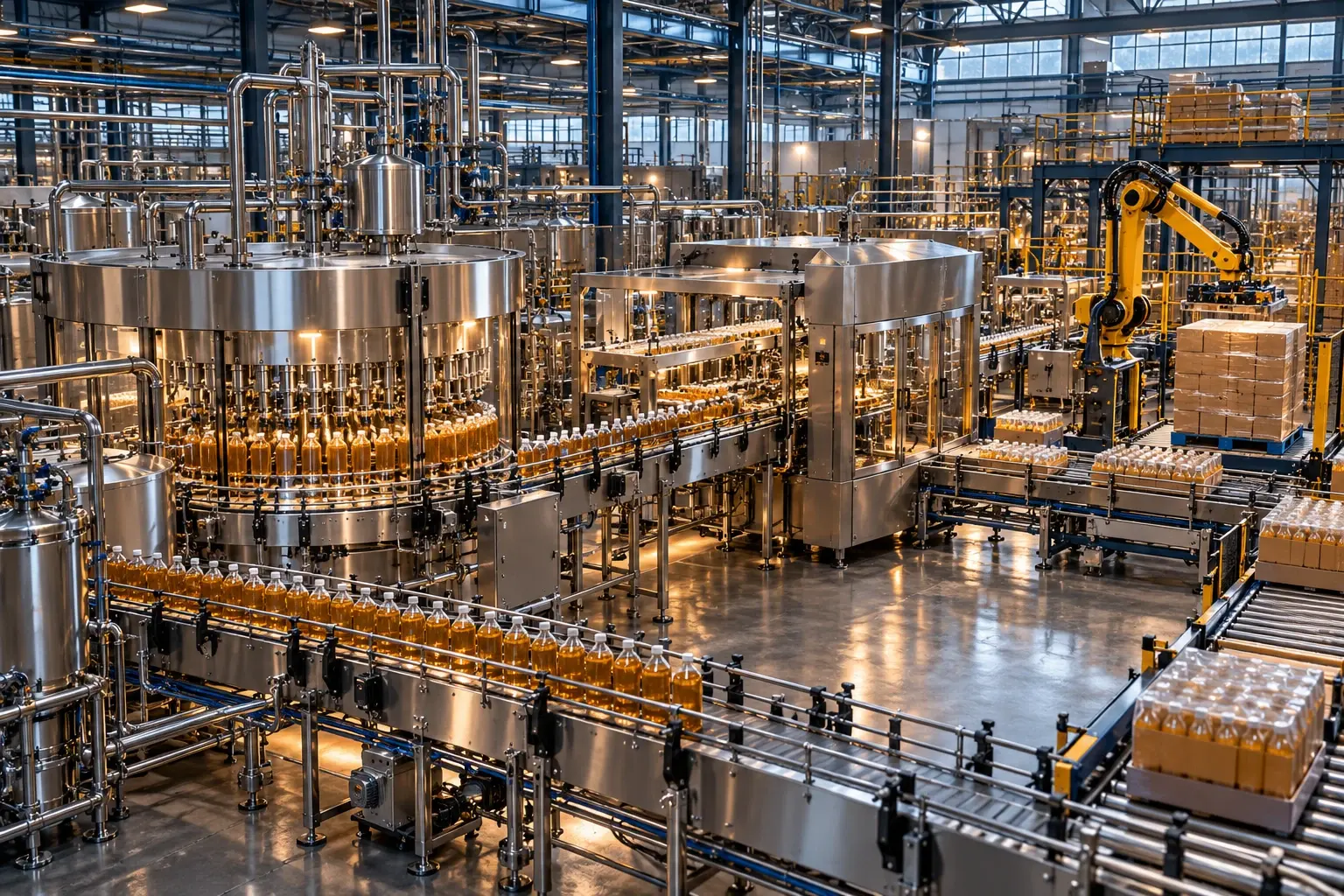
Conceptual engineering visualization: Lines 1 & 2 Warehouse Flow and Material Handling
Conceptual engineering visualization · AI generated

Why the Work Mattered

Purpose and Operating Need

Modeled warehouse-flow impacts so added packaging speed would not create a downstream material-handling bottleneck.

Engineering Approach

Engineering Approach

Modeled warehouse layout, dock doors, racking, shuttle movement, depalletizer alternatives, and floor-flow impacts.

Outcome & Engineering Context

Modeled warehouse-flow impacts so added packaging speed would not create a downstream material-handling bottleneck.

Workstream Results & Impact

Workstream Portfolio Rollup

28,095,000 USD

Production and Packaging Modernization

Recorded workstream portfolio reference. This is the workstream-level value and is not a project expenditure or a new total of reassigned projects.

Measures & Operating Detail

Engineering scope and design basis

11,500 sq ft repurposed; 85 pallets/hour projected throughput.

Actions, Methods & Controls

ACTIVITIES IN CONTEXT

Additional Technical Detail

Roles & contributions
  • Project Ownership

    Full lifecycle project ownership

    Owned the full project lifecycle: capital planning and prioritization, need definition, feasibility and scope development, engineering and AFE justification, procurement and vendor coordination, construction sequencing and field oversight, commissioning, turnover, and post-startup support. Connected operating requirements with technical scope, funding decisions, execution readiness, and the needs of operations and maintenance.

Workstream context
Additional technical detail
Explore 1 detail record
  • Risk and engineering control

    The packaging model anticipates downstream warehouse congestion. Reused space, an 85-pallet/hour flow projection and dock, rack, shuttle and handling alternatives test the design.

All portfolio connections
Project ownership and delivery context

Owned the full project lifecycle: capital planning and prioritization, need definition, feasibility and scope development, engineering and AFE justification, procurement and vendor coordination, construction sequencing and field oversight, commissioning, turnover, and post-startup support. Connected operating requirements with technical scope, funding decisions, execution readiness, and the needs of operations and maintenance.

Developed the line scope around equipment, pasteurization, utility and electrical interfaces. Used takt, FIFO, OEE and labor modeling to connect equipment choices with production demand, while construction sequencing, safety circuits and startup planning tied the design to live-plant execution.

Related methods and applications
Related analysis and application artifacts
Connected collections

WHAT COMES NEXT

Complex Challenge?
Let’s Work Through It.

Engineering leadership, capital projects, and independent consulting.

Start a conversation ↗