CASE-093 · Engineering case

Chiller Plant Electrical and BAS Coordination

Coordinated new chillers into electrical distribution and BAS monitoring to improve cooling control, staging, redundancy, and maintenance visibility.

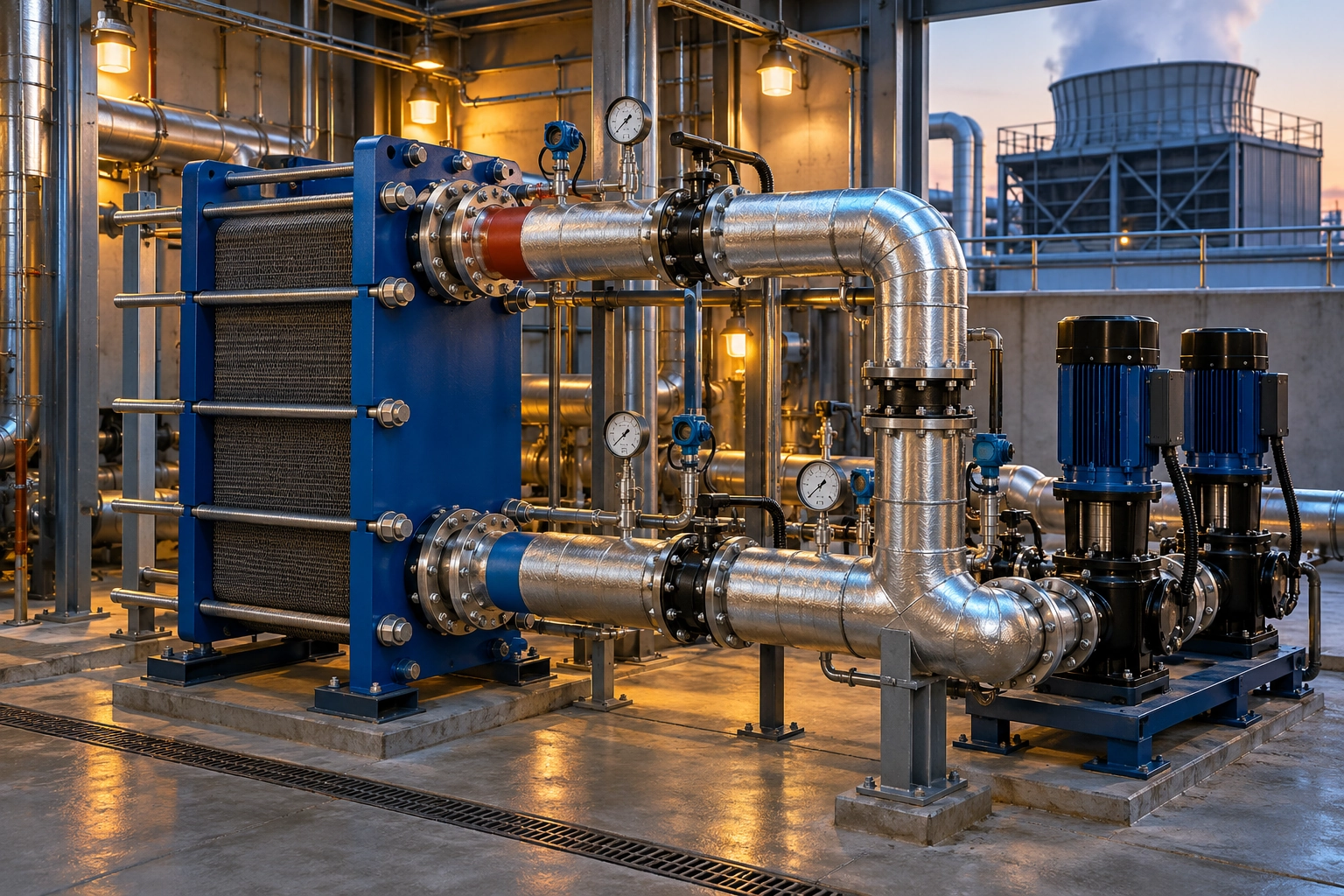
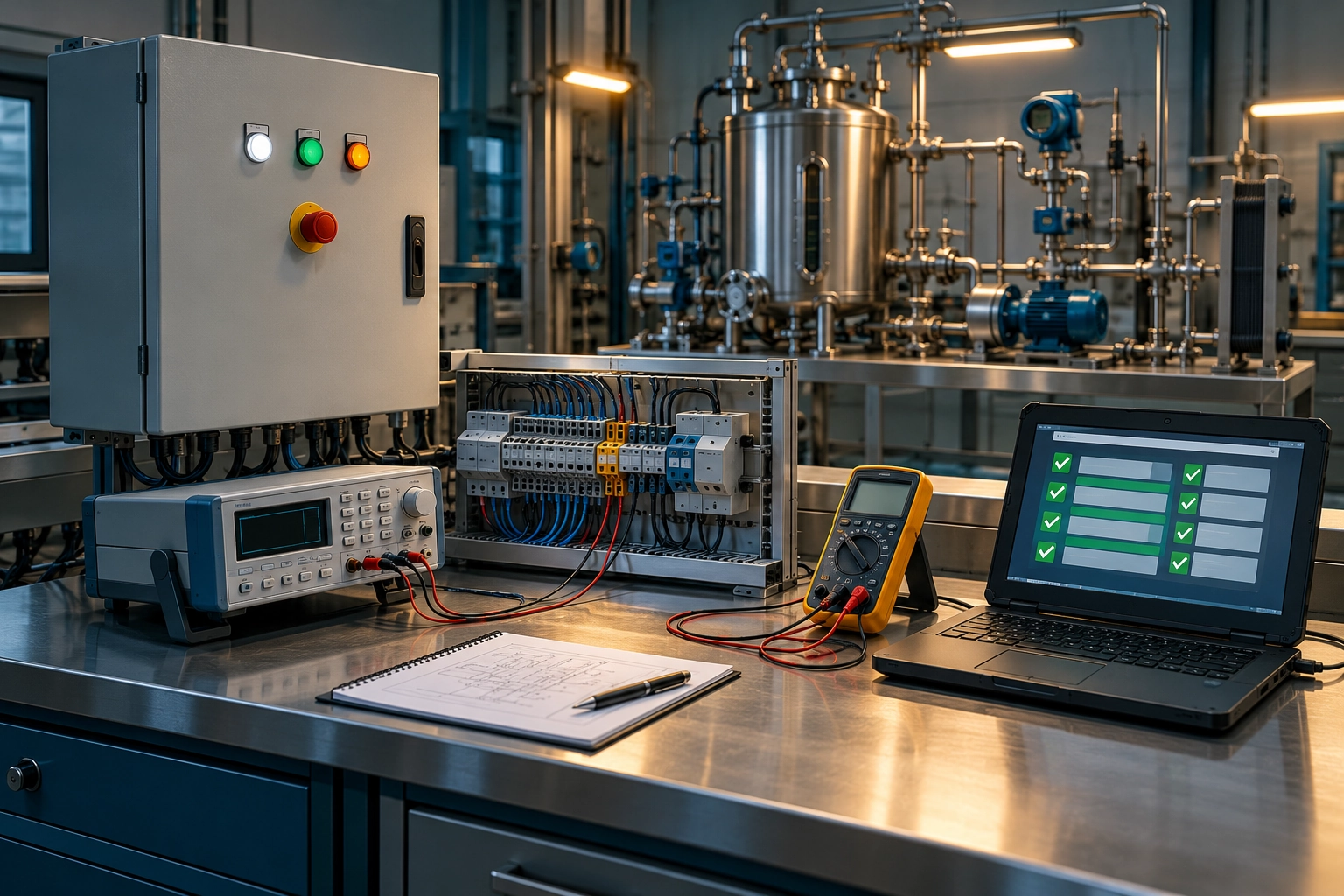
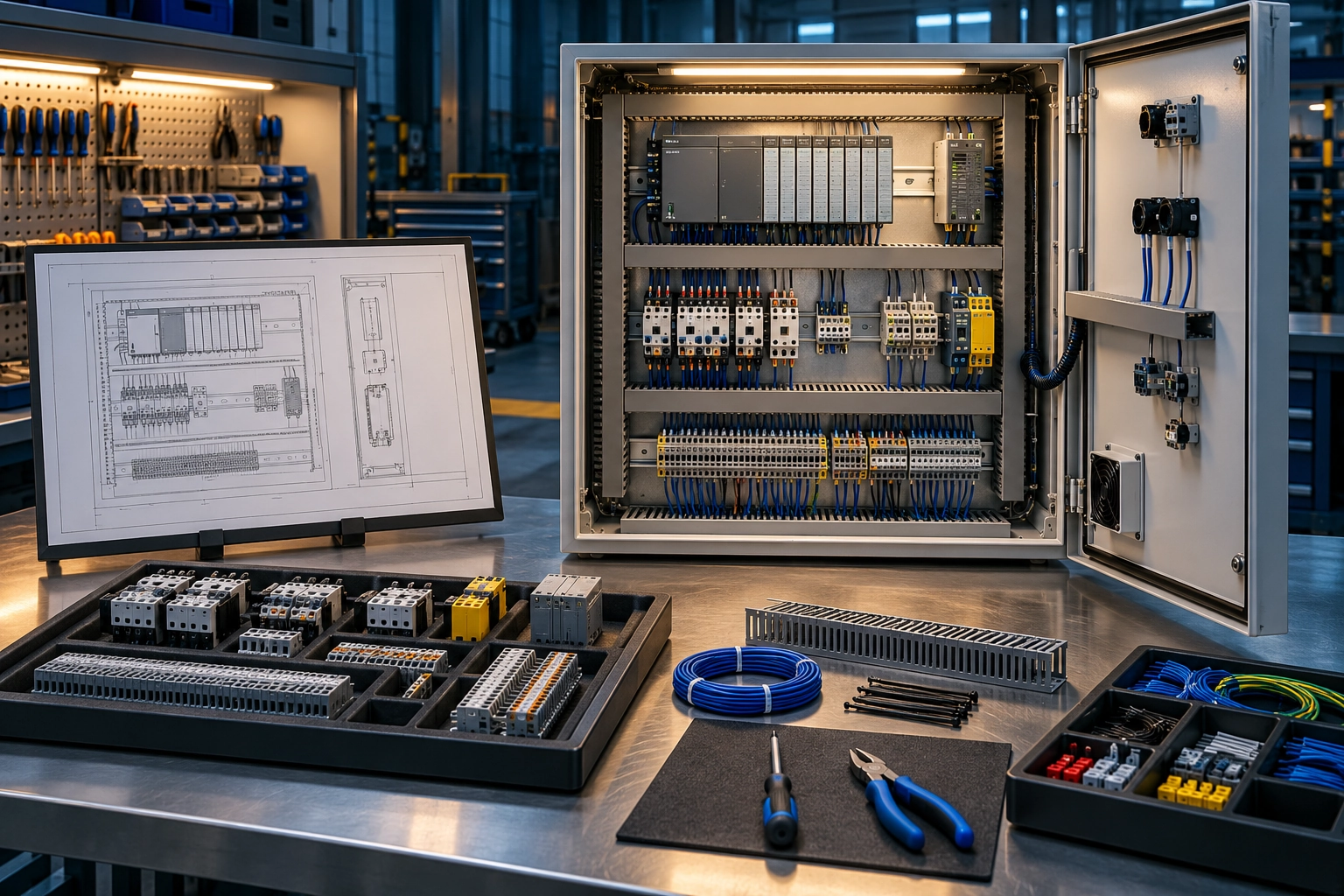
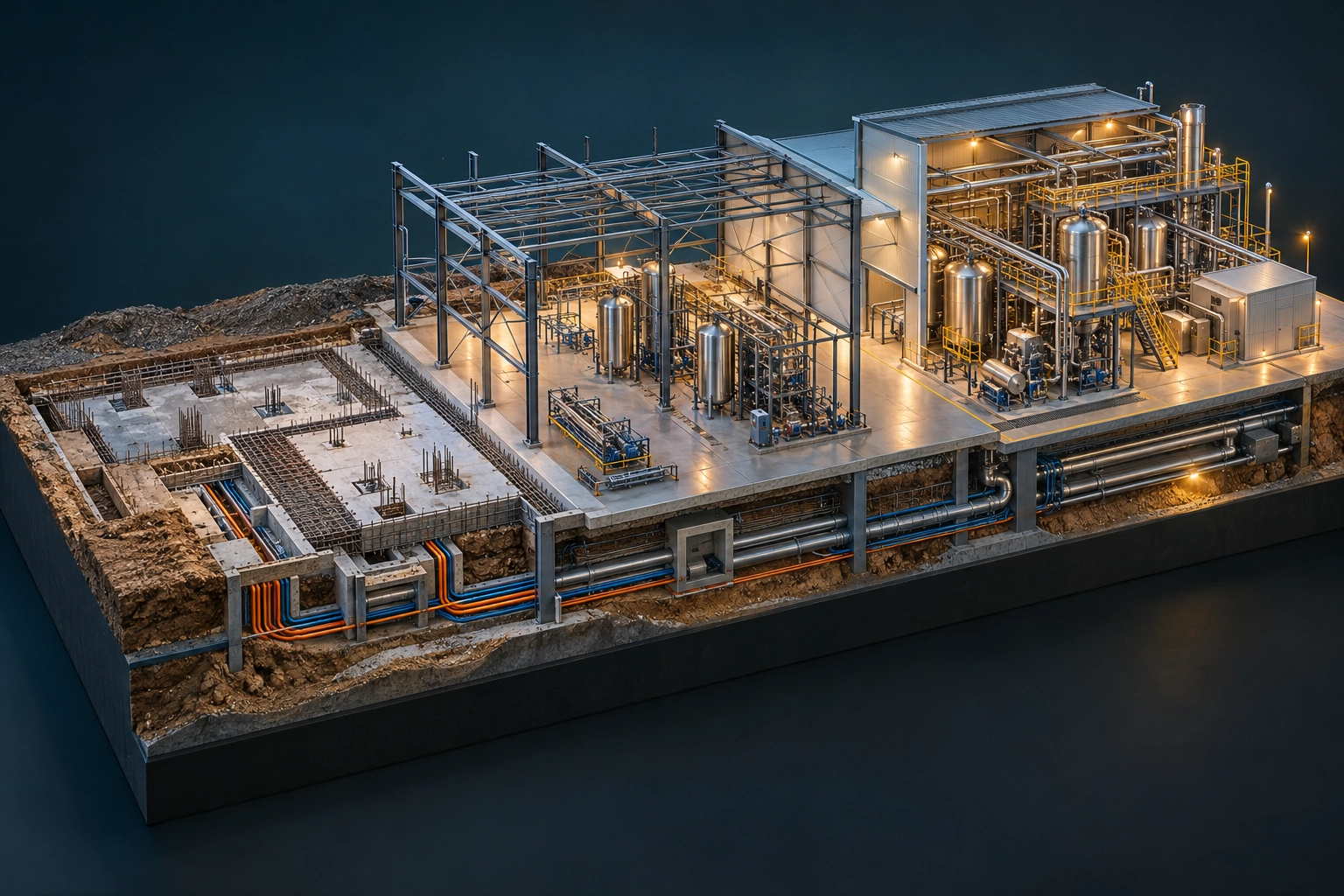
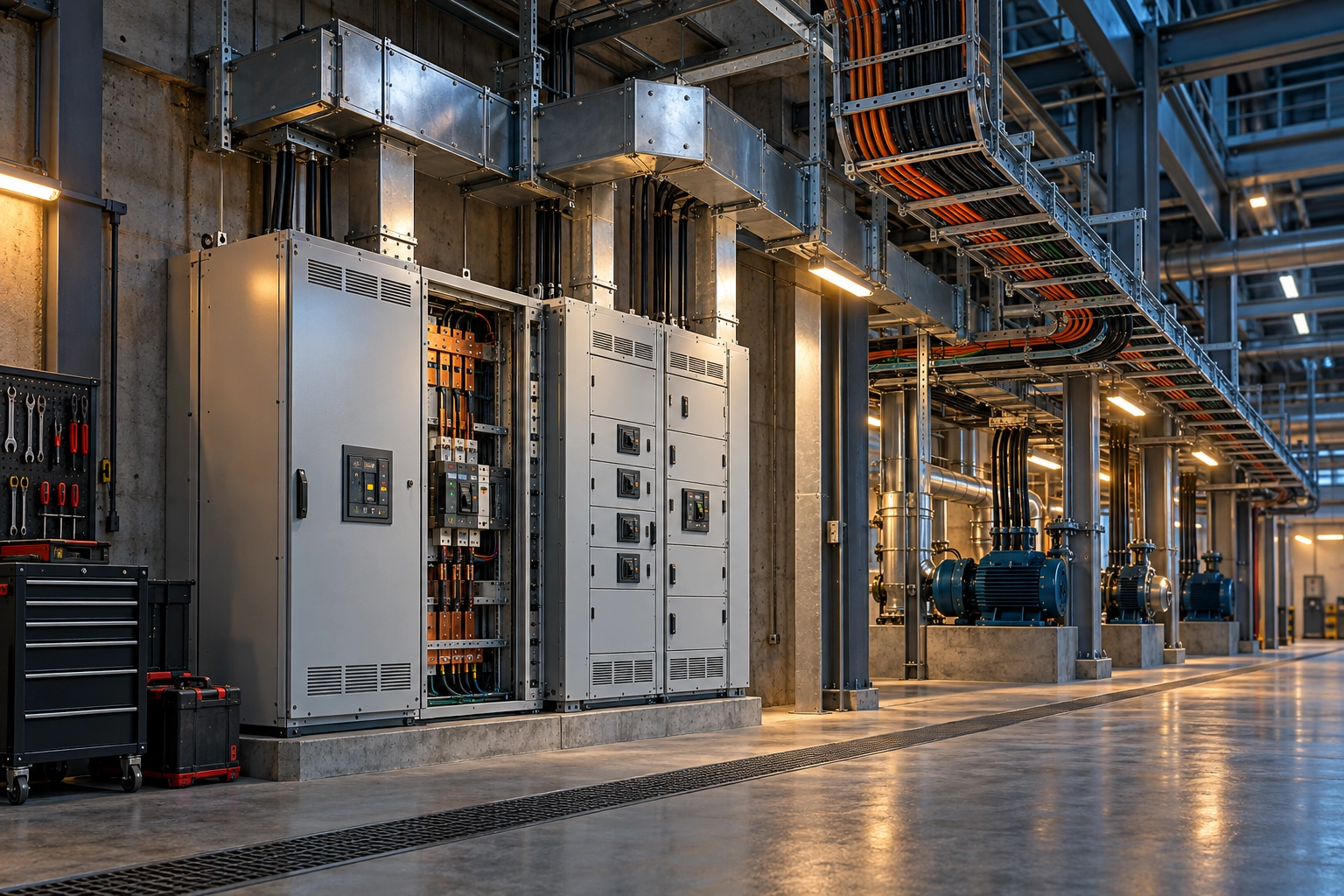
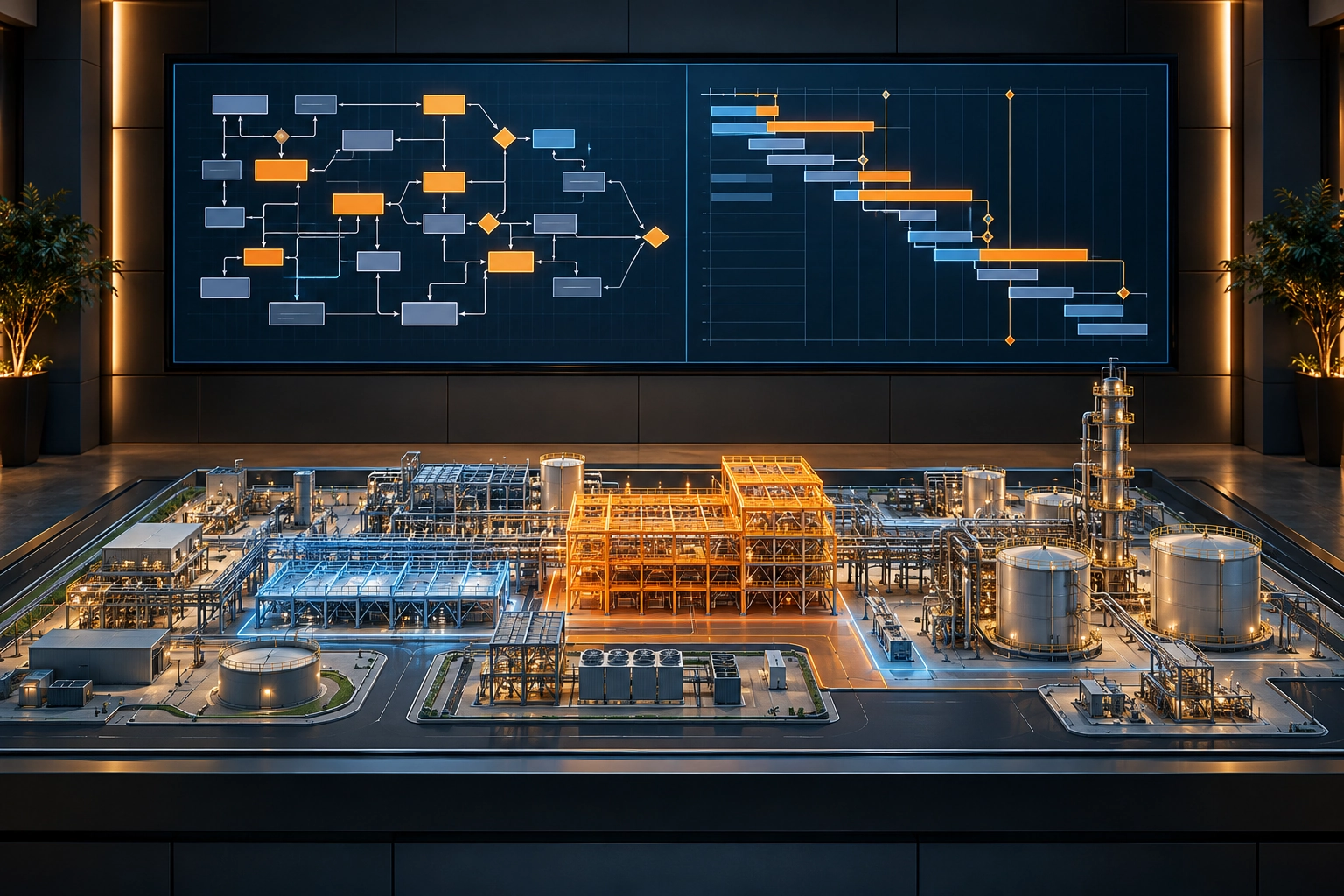
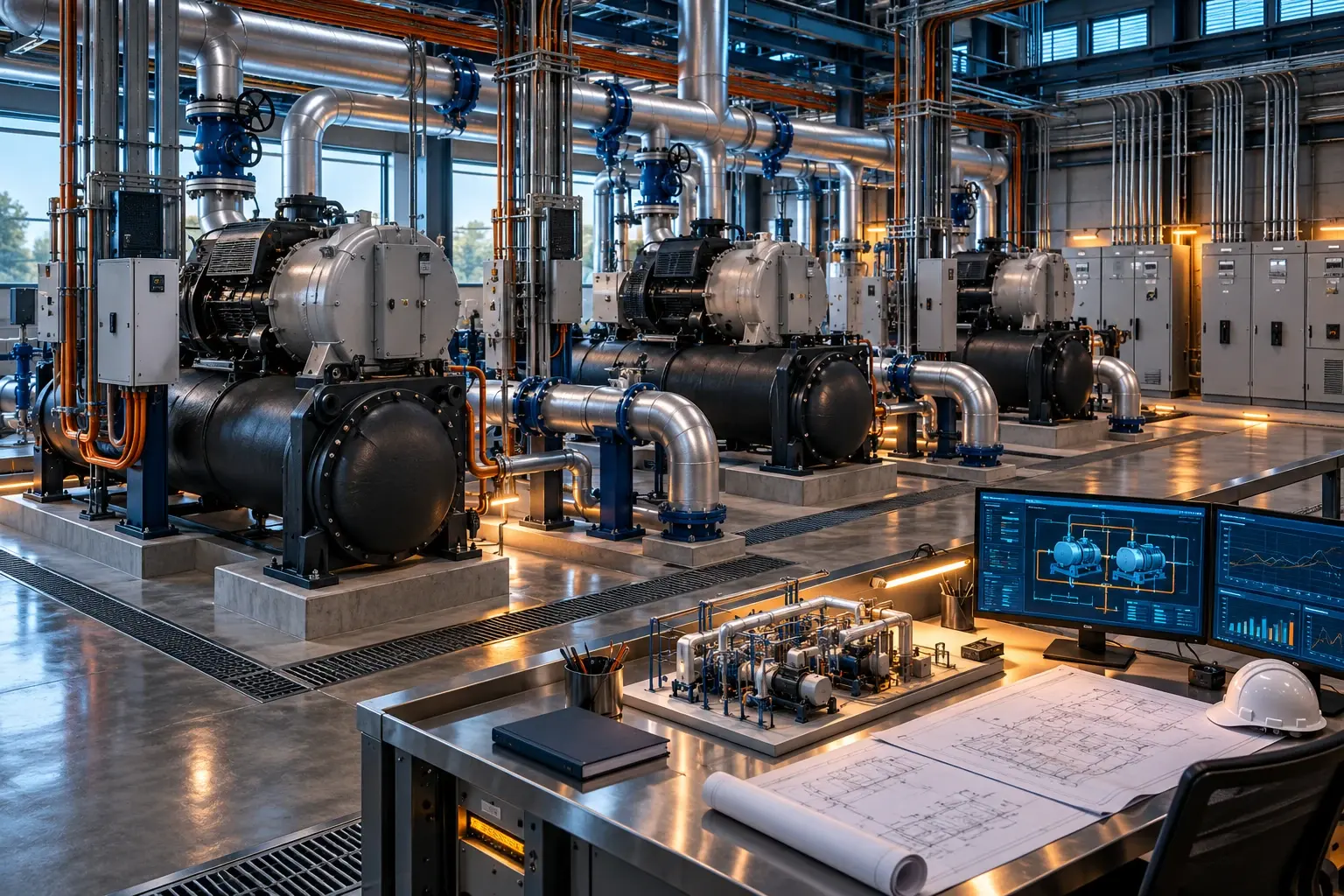
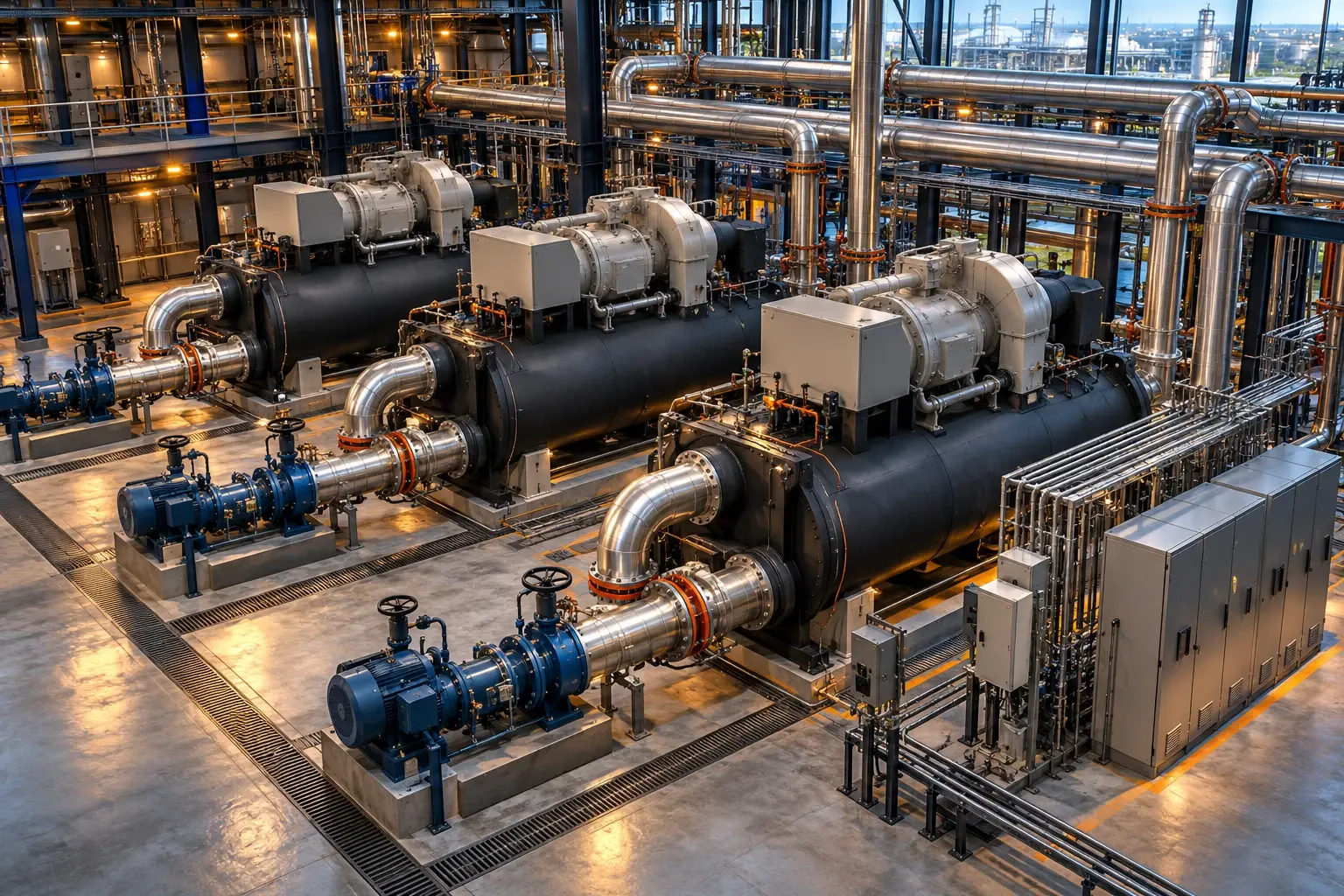
Conceptual engineering visualization: Chiller Plant Electrical and BAS Coordination
Conceptual engineering visualization · AI generated

Why the Work Mattered

Purpose and Operating Need

Added chiller capacity had to be electrically and digitally coordinated so operators could see performance, alarms, runtime, safety interlocks, and staging behavior.

Engineering Approach

Engineering Approach

Engineered conduit, VFD, disconnect, and power-distribution plans for three new 160-ton chillers; reviewed plenum-rated control wiring, 120V circuit isolation, terminal protection, BAS proposal, flowrate, temperature differential, compressor runtime, fan speeds, runtime balancing, safety interlocks, maintenance scheduling, and auto-staging logic.

Outcome & Engineering Context

Outcome and Context

Improved chiller monitoring, staging, and maintenance visibility.

Workstream Results & Impact

Workstream Portfolio Rollup

14,998,000 USD

Cooling and Utility Reliability Modernization

Recorded workstream portfolio reference. This is the workstream-level value and is not a project expenditure or a new total of reassigned projects.

Measures & Operating Detail

MeasureValueType & meaningAttribution & operating context
Planned Cooling-Capacity Visibility<= 95 percentTarget
Planning target

Applies to: Chiller Plant Electrical and BAS Coordination

BAS coordination planning — up to 95 percent plant cooling-capacity visibility as planning / source language.

Engineering scope and design basis

Improved cooling-system control, runtime balancing, alarm visibility, and maintenance planning.

Improved cooling visibility and sequencing, measured by BAS coordination for three chiller manufacturer 160-ton chillers and control logic covering flowrate, temperature differential, compressor runtime, fan speeds, runtime balancing, safety interlocks, and auto-staging, by coordinating power, controls, and BAS monitoring.

Three 160-ton chiller manufacturer chillers; BAS metrics; runtime balancing; safety interlocks; auto-staging; up to 95 percent plant cooling-capacity visibility as planning / source language.

Actions, Methods & Controls

ACTIVITIES IN CONTEXT

Additional Technical Detail

Roles & contributions
  • Project Ownership

    Full lifecycle project ownership

    Owned the full project lifecycle: capital planning and prioritization, need definition, feasibility and scope development, engineering and AFE justification, procurement and vendor coordination, construction sequencing and field oversight, commissioning, turnover, and post-startup support. Connected operating requirements with technical scope, funding decisions, execution readiness, and the needs of operations and maintenance.

Workstream context
All portfolio connections
Project ownership and delivery context

Owned the full project lifecycle: capital planning and prioritization, need definition, feasibility and scope development, engineering and AFE justification, procurement and vendor coordination, construction sequencing and field oversight, commissioning, turnover, and post-startup support. Connected operating requirements with technical scope, funding decisions, execution readiness, and the needs of operations and maintenance.

modeled demand and the roughly 78-ton peak thermal deficit, coordinated pumps and recirculation, and developed chiller staging and runtime balancing. Operating visibility and process-load monitoring connected the three 160-ton production chillers with the way the plant used cooling capacity.

Related analysis and application artifacts
Connected collections

WHAT COMES NEXT

Complex Challenge?
Let’s Work Through It.

Engineering leadership, capital projects, and independent consulting.

Start a conversation ↗