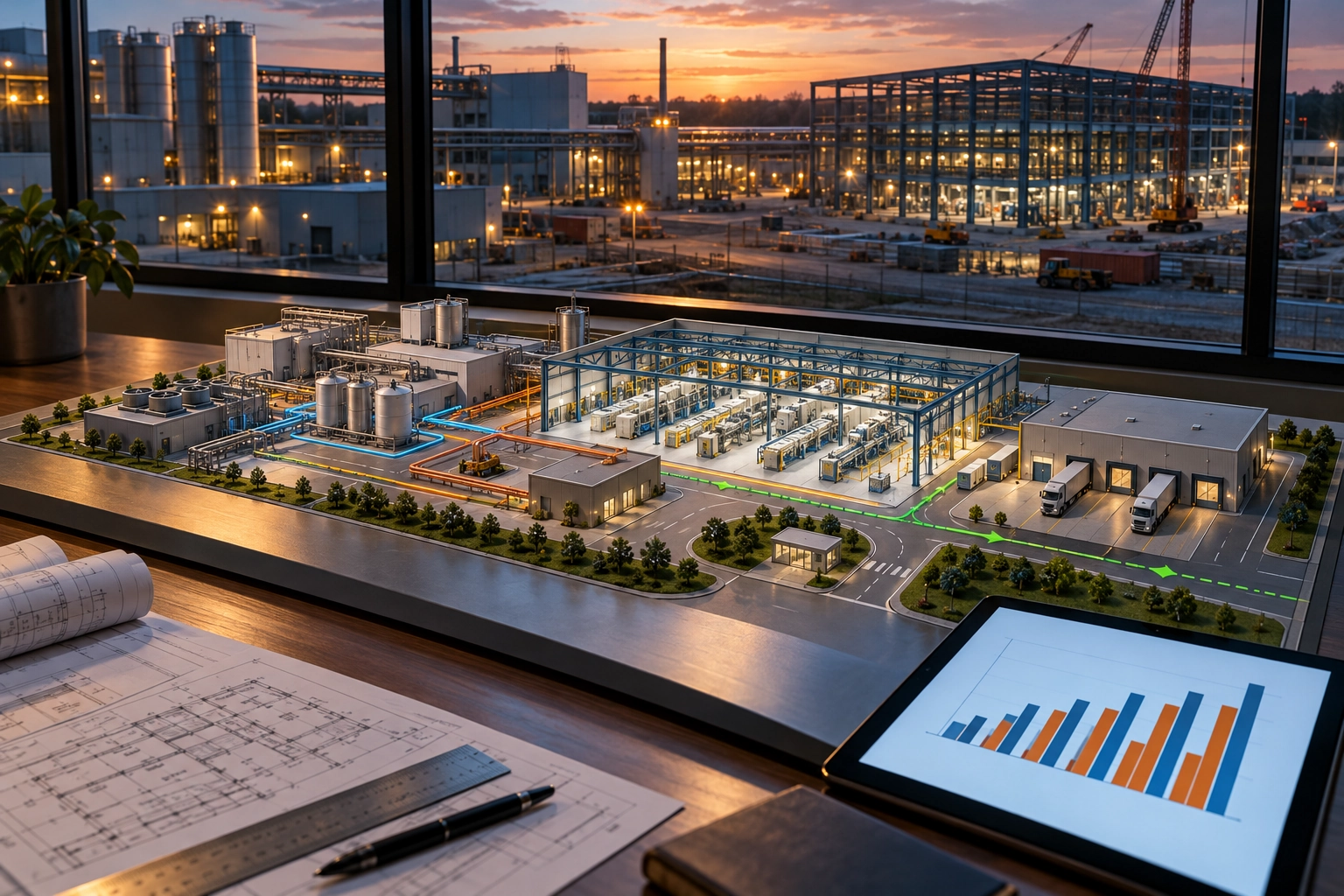
Capital Strategy and Business Alignment
Translate Growth Forecasts, Customer Demand, Operating Constraints, and Asset Condition into Capital Priorities
Engineering practice and documented application
 APOLLO AUTOMATIONJAMES WARREN · ENGINEERING & PROJECT LEADERSHIP
PRJ-A-021 · Food and beverage manufacturer
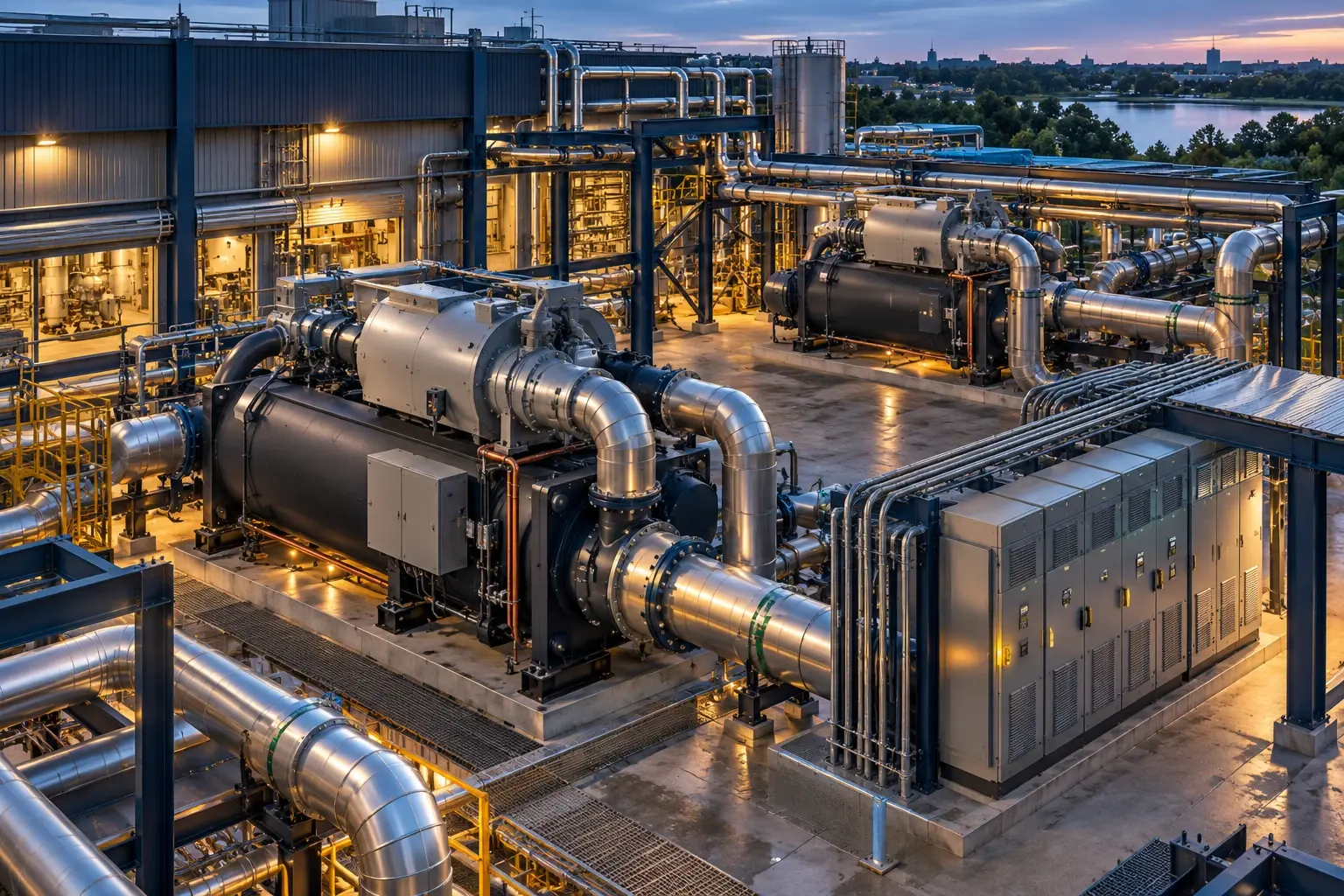
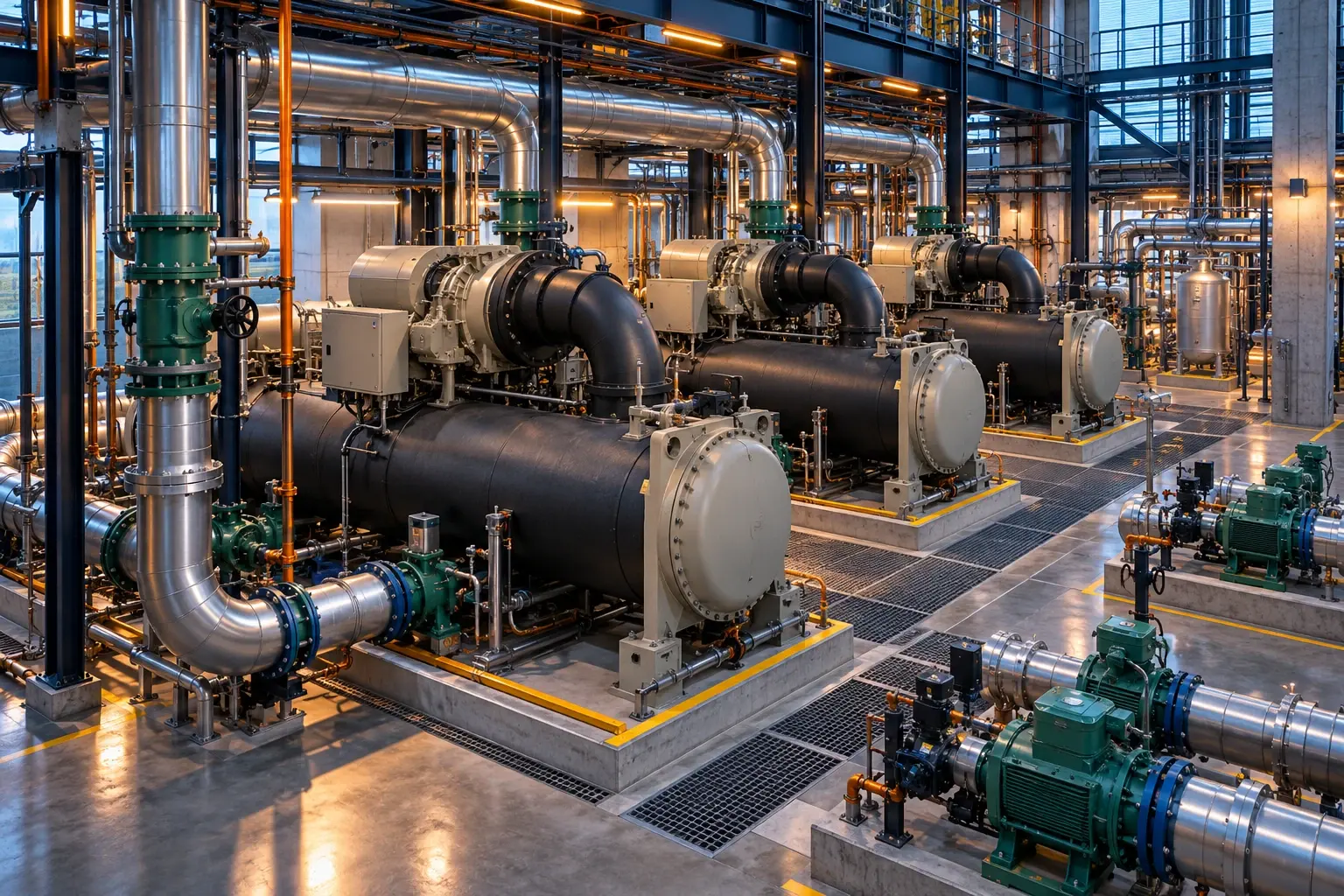
Owned the full lifecycle of this project, connecting capital planning, engineering, delivery and operating readiness. Cooling reliability depended on the relationship between process heat loads, available chiller capacity and circulation through the plant. Equipment replacement therefore had to be evaluated as part of a connected cooling network.
Workstream: Cooling and Utility Reliability Modernization
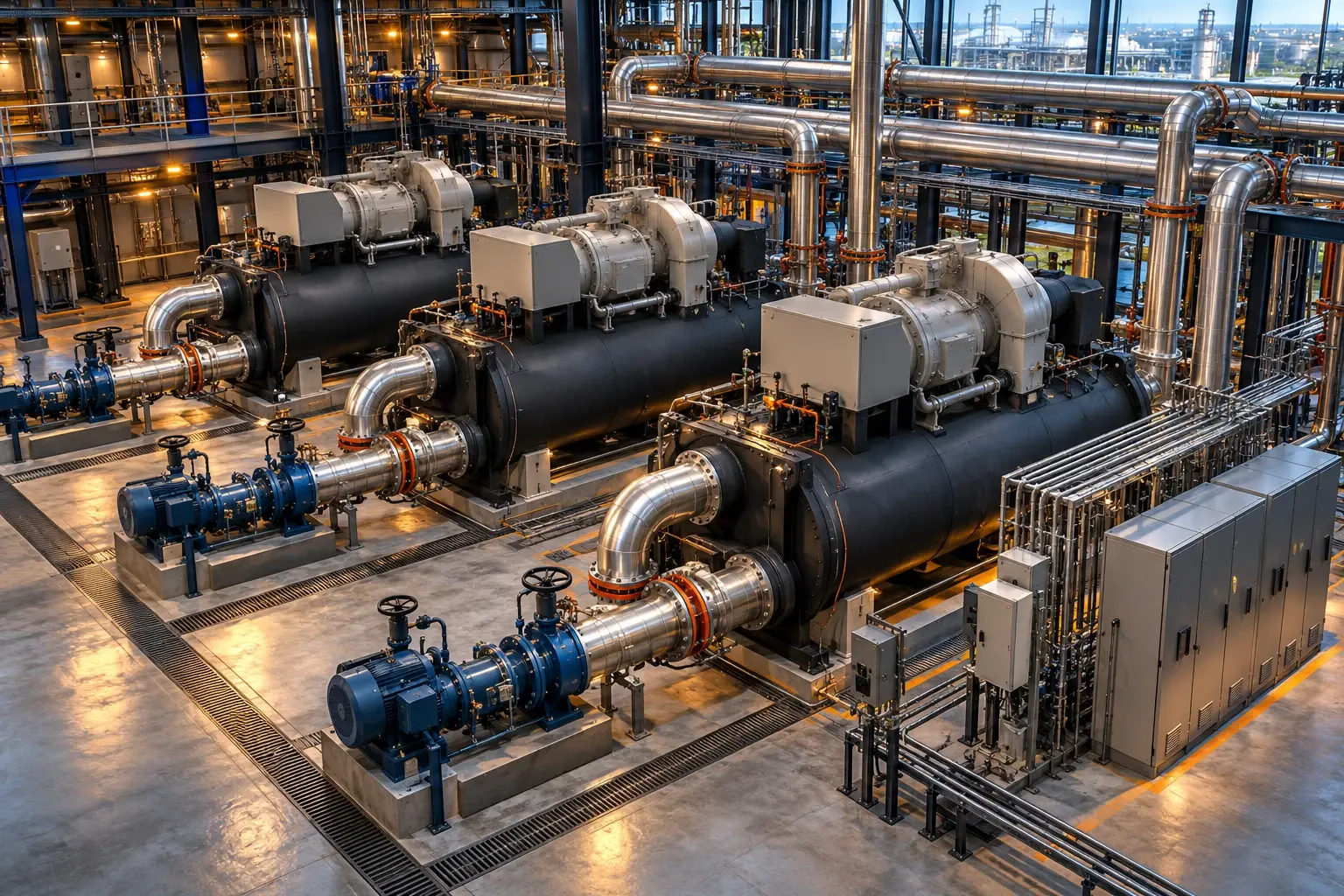
Cooling reliability depended on the relationship between process heat loads, available chiller capacity and circulation through the plant. Equipment replacement therefore had to be evaluated as part of a connected cooling network.
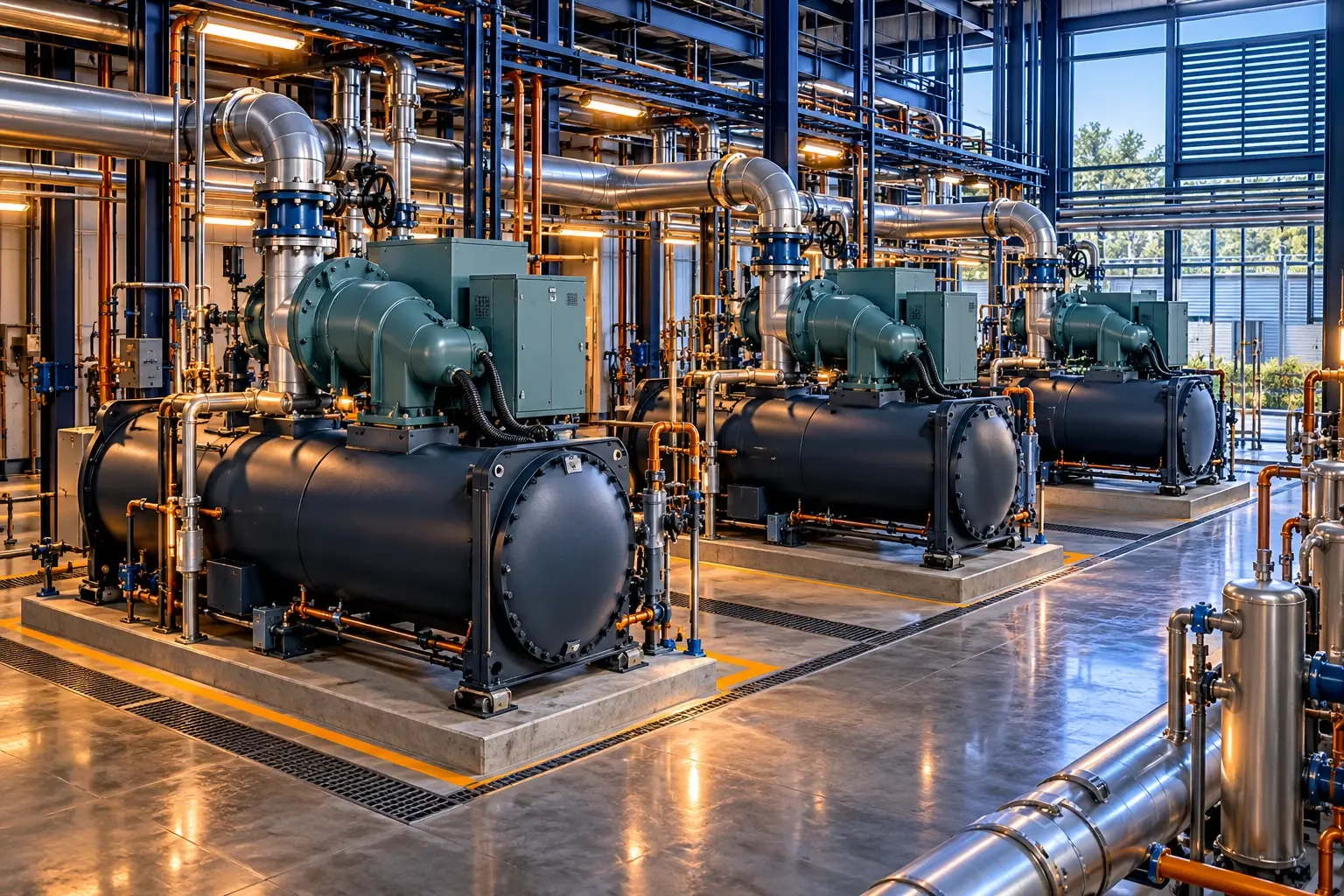
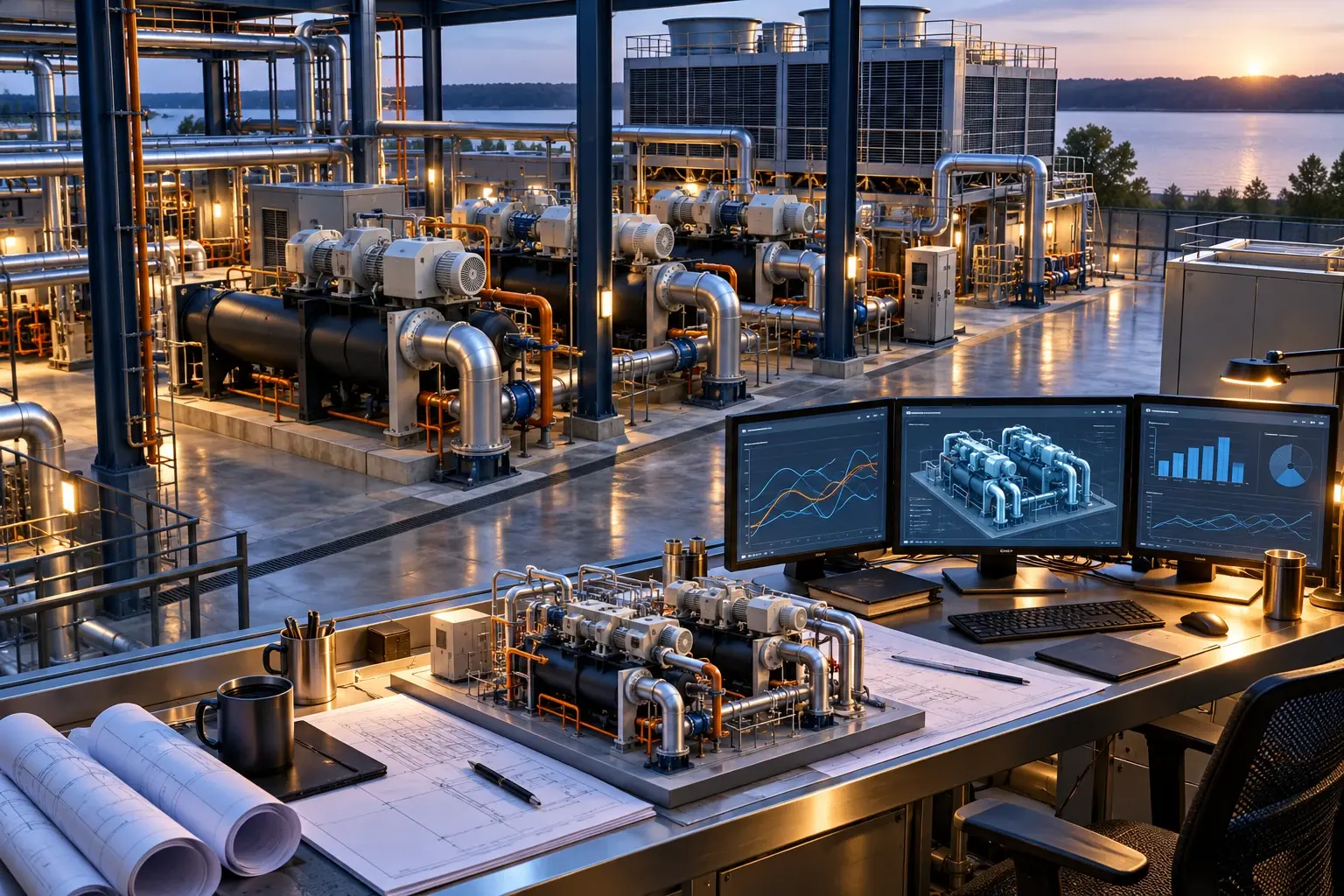
modeled demand and the roughly 78-ton peak thermal deficit, coordinated pumps and recirculation, and developed chiller staging and runtime balancing. Operating visibility and process-load monitoring connected the three 160-ton production chillers with the way the plant used cooling capacity.
Reduced compressor-failure exposure and improved cooling reliability for critical acetator and fermenter operations.
Chillers, Building Controls, Ozone Treatment and Power
Full lifecycle project ownership
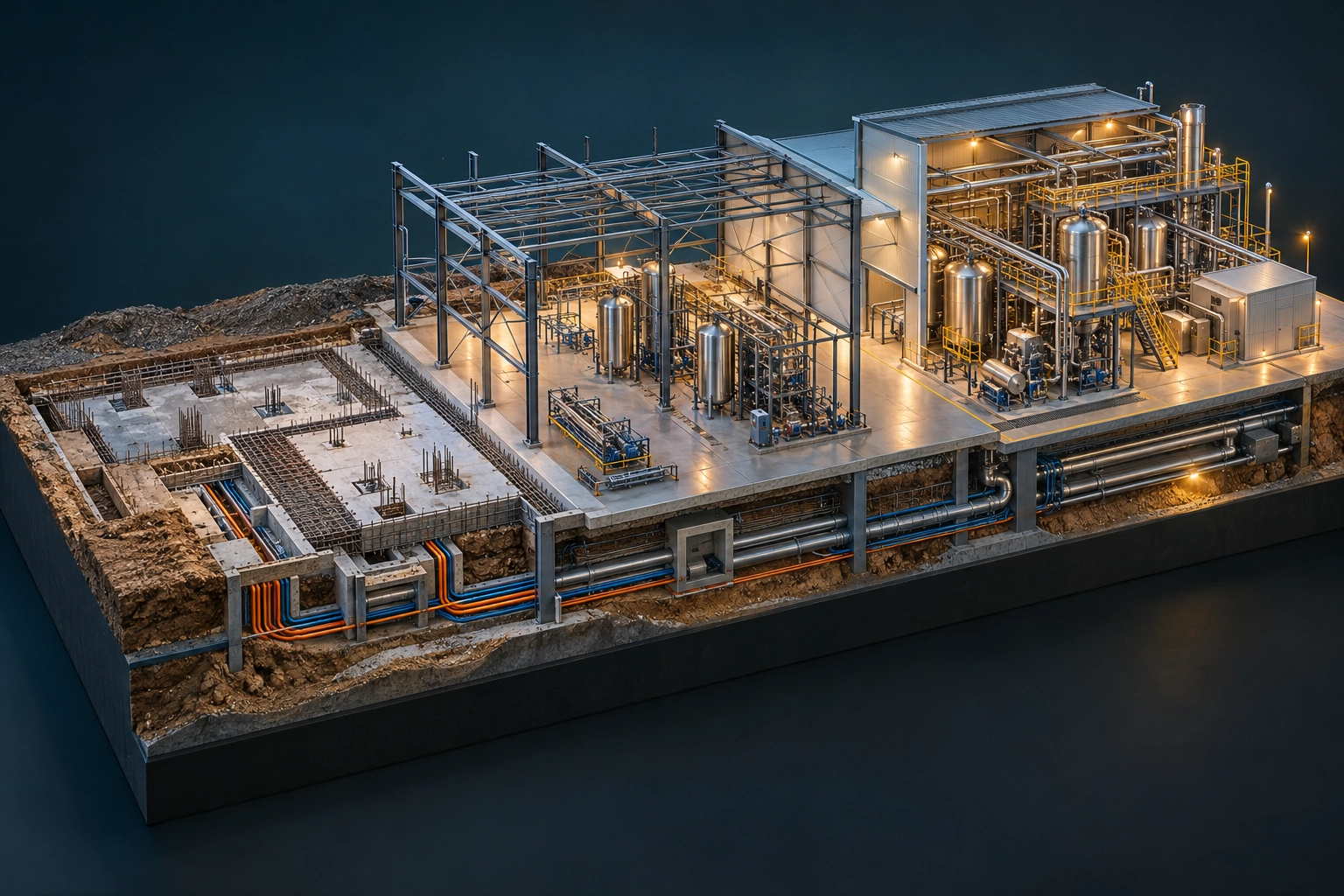
Owned the full project lifecycle: capital planning and prioritization, need definition, feasibility and scope development, engineering and AFE justification, procurement and vendor coordination, construction sequencing and field oversight, commissioning, turnover, and post-startup support. Connected operating requirements with technical scope, funding decisions, execution readiness, and the needs of operations and maintenance.
Capital Strategy and Business Alignment
Engineering practice and documented application
Project Lifecycle, FEL, and Execution Models
Engineering practice and documented application
Action
Applies capabilities
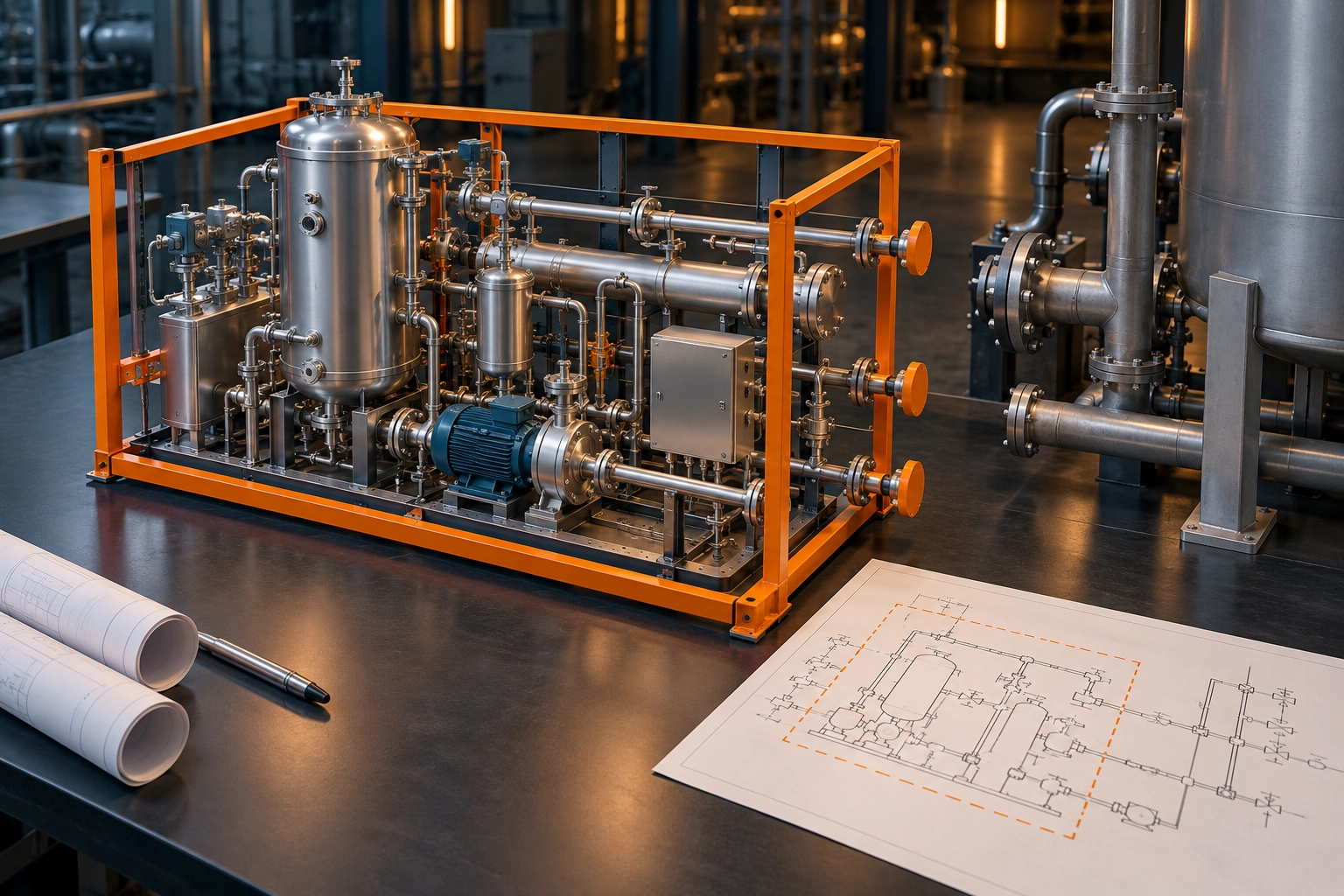
Lifecycle Artifacts: Front-End and Design
Engineering practice and documented application
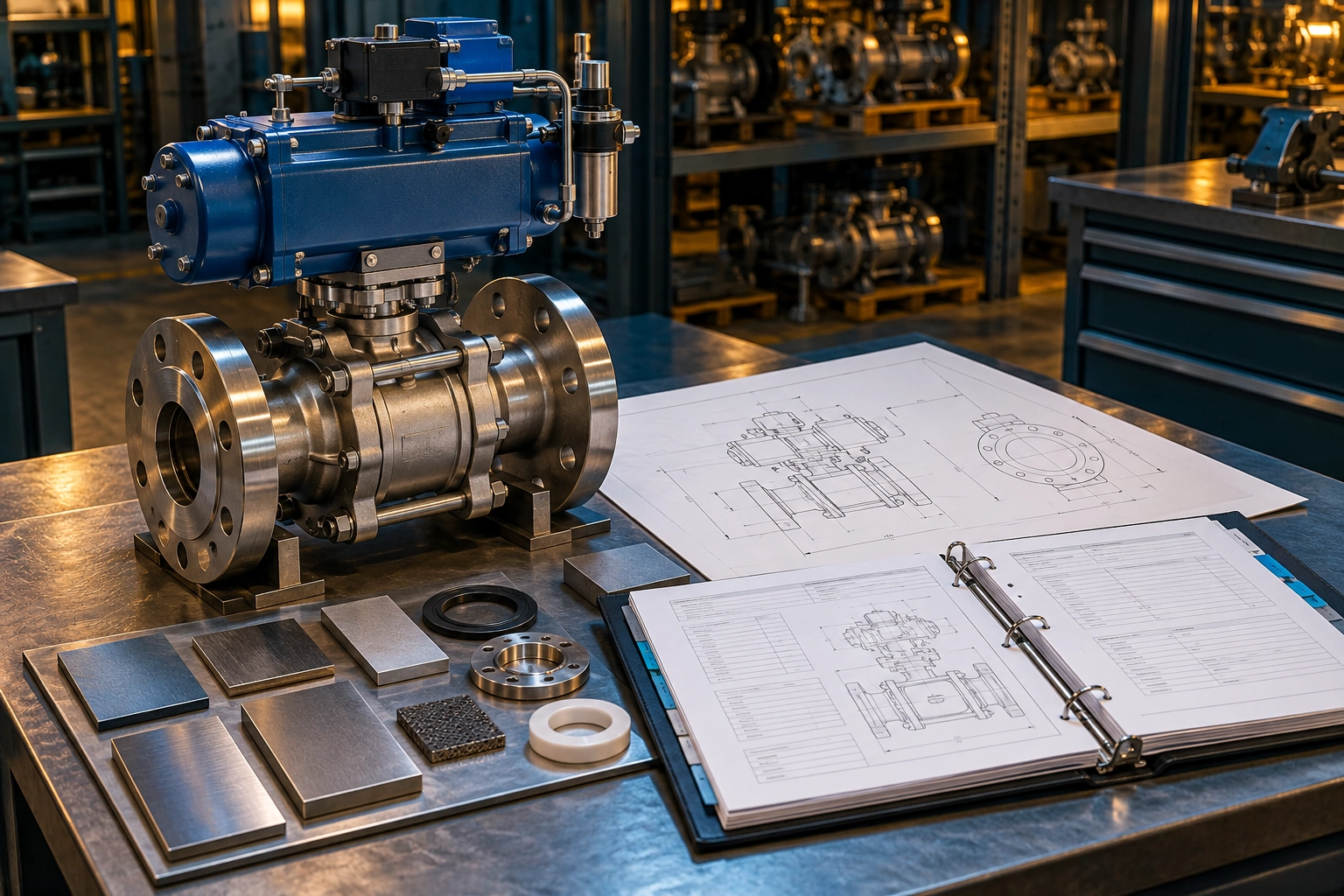
Lifecycle Artifacts: Procurement and Construction
Engineering practice and documented application
Owned capital planning and the full delivery lifecycle. The cards connect the applicable responsibilities with the recorded work.
Capital Strategy and Business Alignment
Engineering practice and documented application
Project Lifecycle, FEL, and Execution Models
Engineering practice and documented application
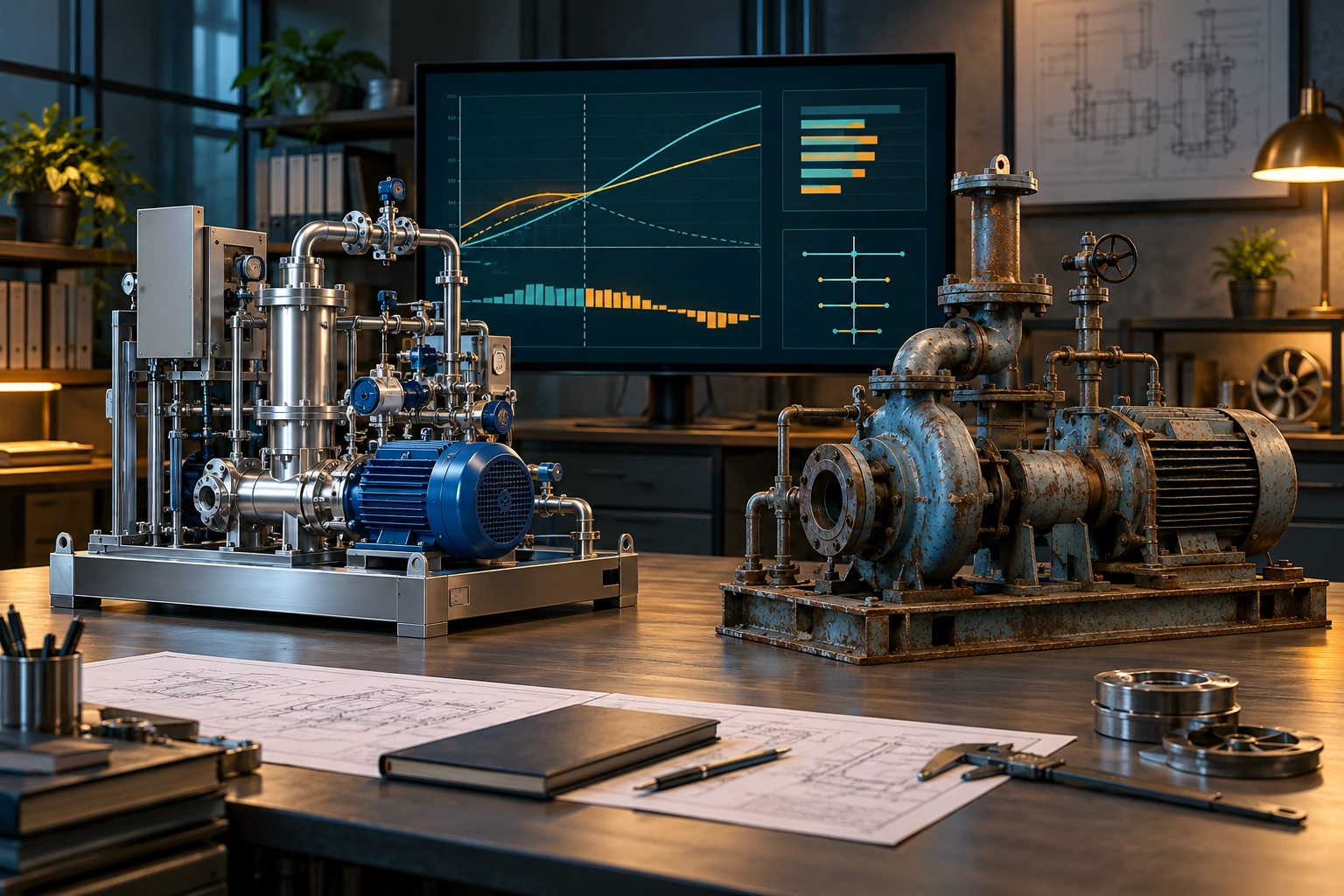
Investment Economics and Lifecycle Analysis
Engineering practice and documented application
Investment Economics and Lifecycle Analysis
Engineering practice and documented application
Investment Economics and Lifecycle Analysis
Engineering practice and documented application
Investment Economics and Lifecycle Analysis
Engineering practice and documented application
Investment Economics and Lifecycle Analysis
Engineering practice and documented application
Investment Economics and Lifecycle Analysis
Academic preparation and analytical method
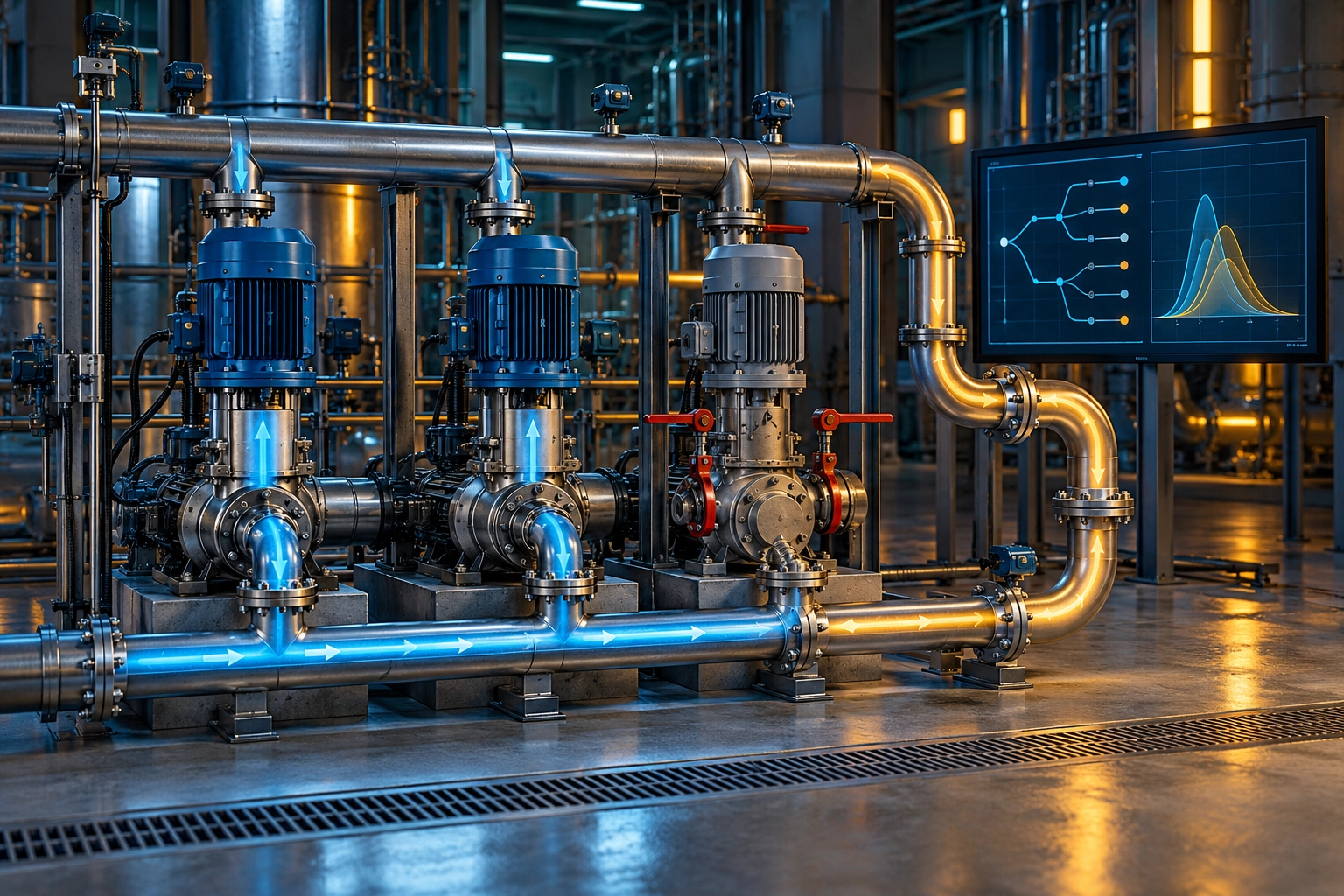
Risk, Uncertainty, and Decision Support
Engineering practice and documented application
Risk, Uncertainty, and Decision Support
Engineering practice and documented application
Risk, Uncertainty, and Decision Support
Engineering practice and documented application
Risk, Uncertainty, and Decision Support
Engineering practice and documented application
Risk, Uncertainty, and Decision Support
Engineering practice and documented application
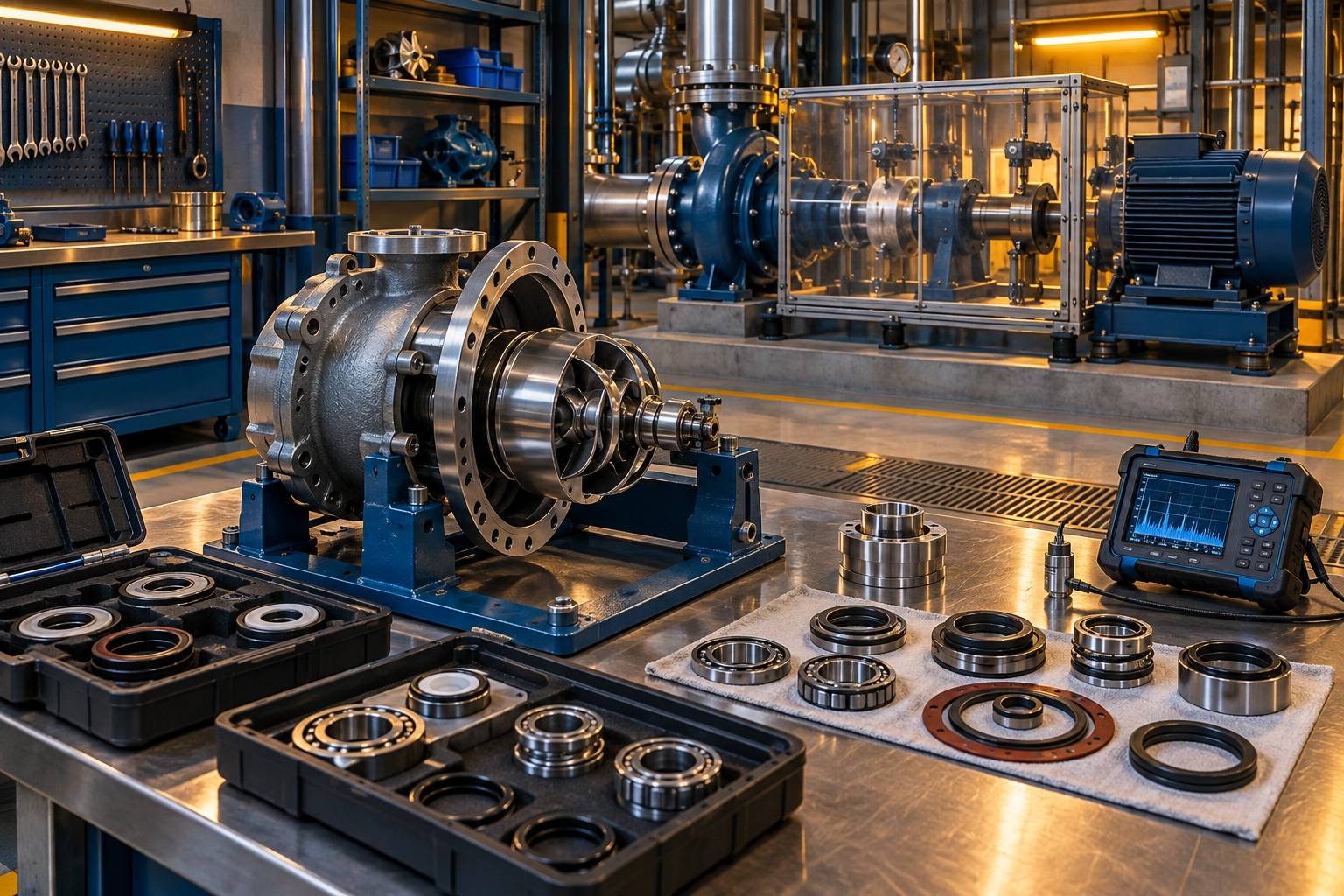
TSK-000222 · Method
Cooling Load Modeling and Thermal Deficit Analysis
Recorded applicationTSK-000226 · Method
Cooling Financial Engineering and AFE Justification
TSK-000238 · Action
Cooling Downtime-Cost and Repair-Risk Analysis
TSK-000240 · Method
Cooling Downtime-Cost and Repair-Risk Analysis
TSK-000963 · Academic analytical method
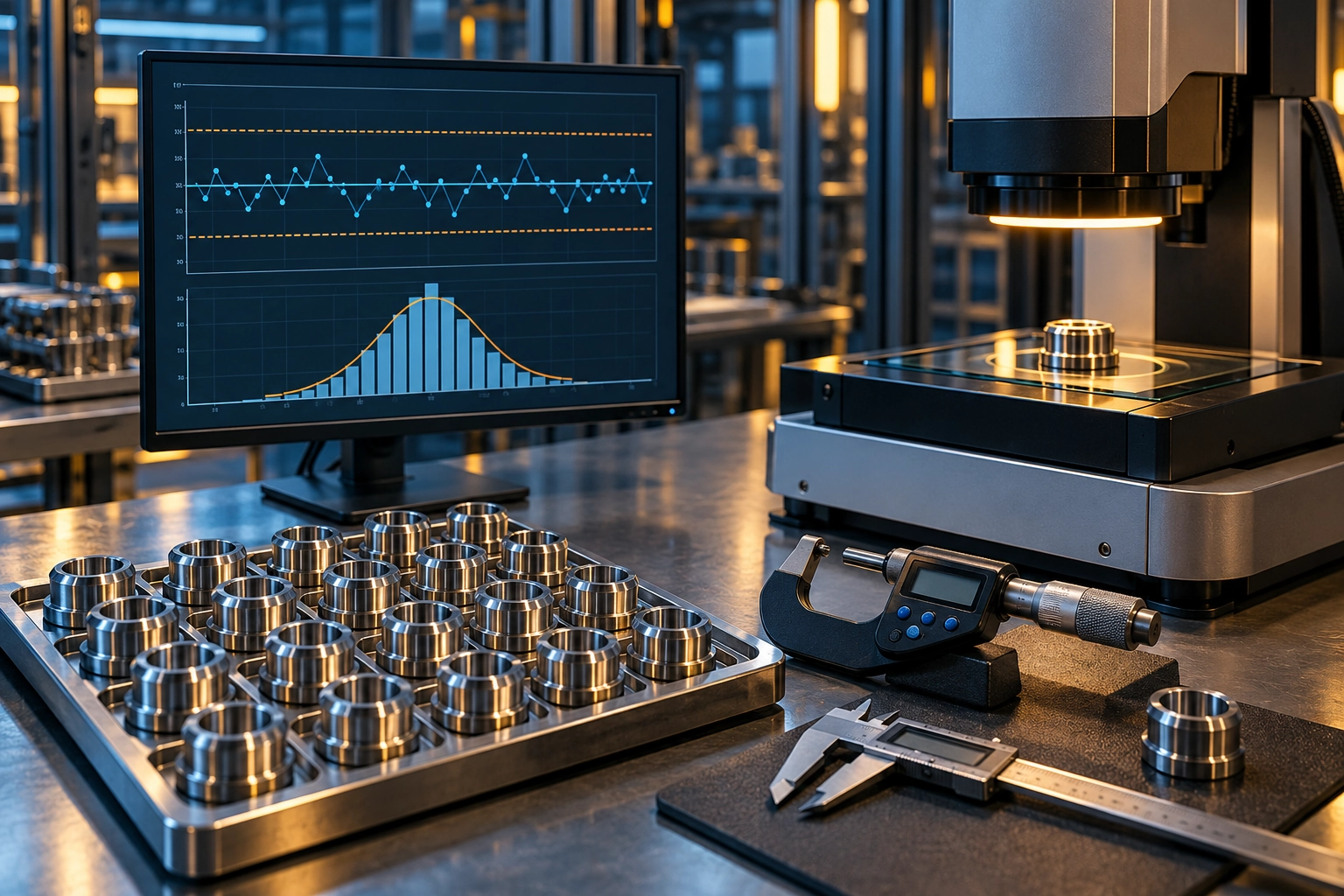
Statistical Quality, Measurement Systems, and Sampling
Academic preparation and analytical method
Statistical Quality, Measurement Systems, and Sampling
Academic preparation and analytical method
Statistical Quality, Measurement Systems, and Sampling
Academic preparation and analytical method
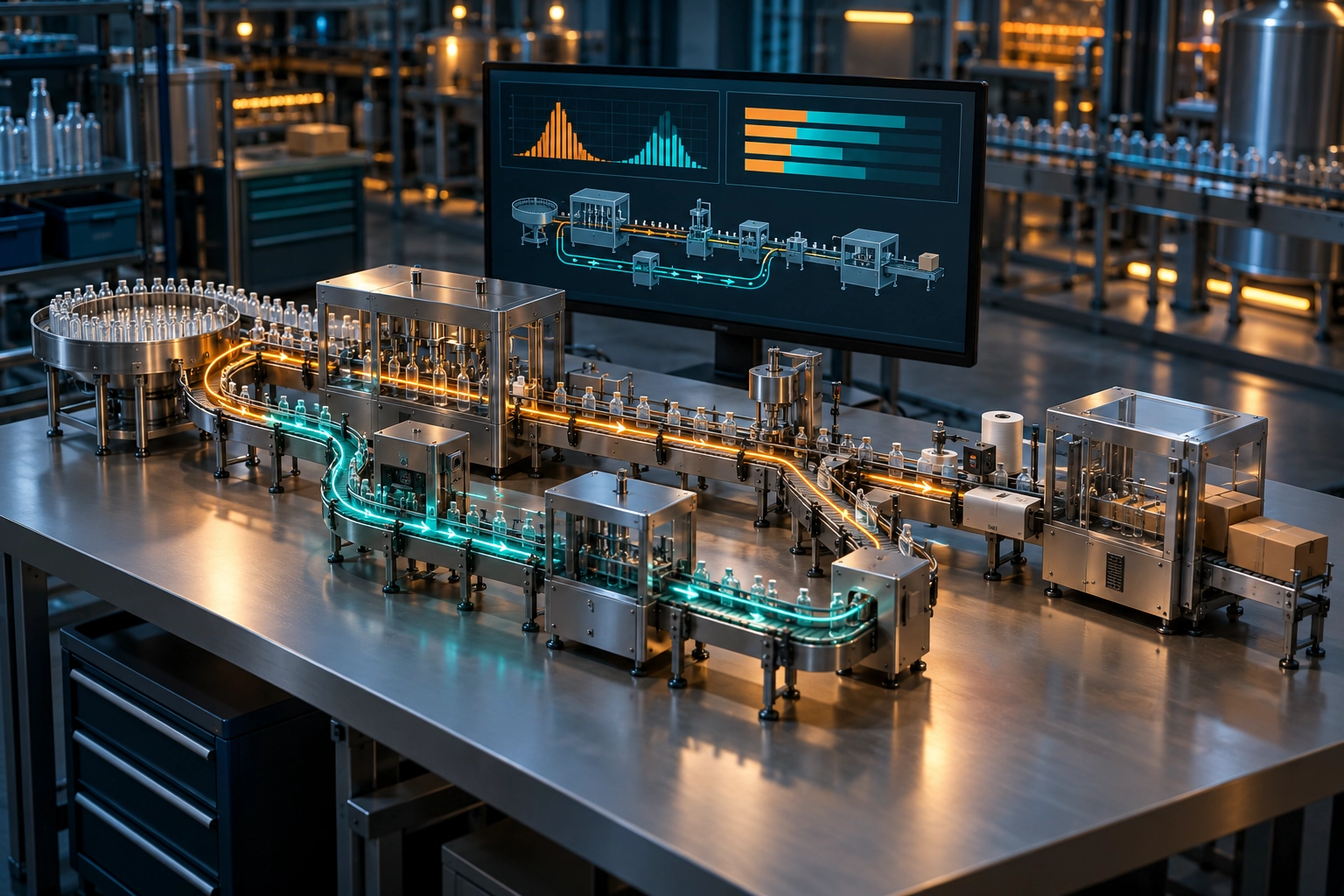
Optimization and Operations Research
Engineering practice and documented application
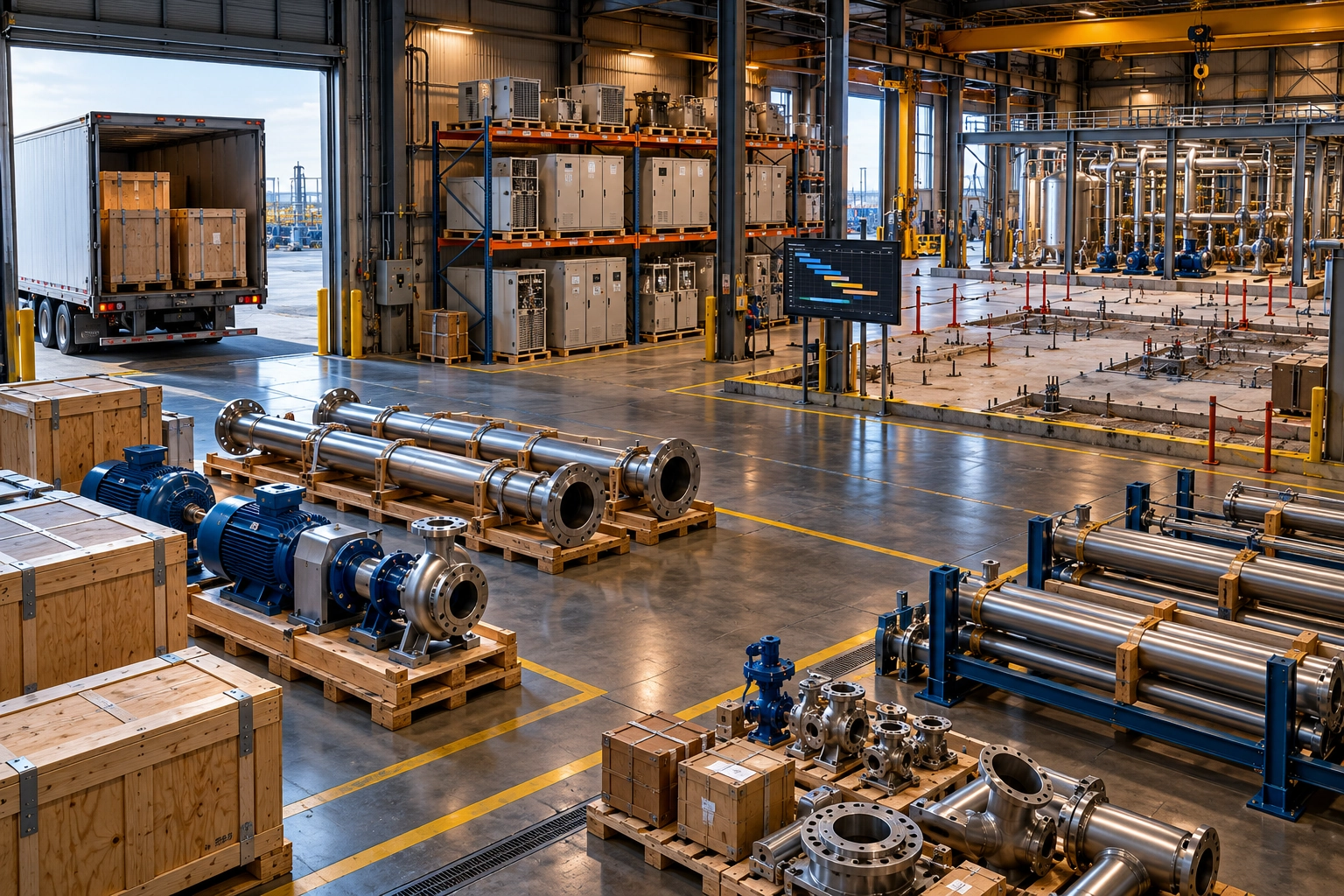
Forecasting, Inventory, Supply Chain, and Logistics
Academic preparation and analytical method
Stochastic Models and Uncertainty Analytics
Academic preparation and analytical method
Stochastic Models and Uncertainty Analytics
Academic preparation and analytical method
Stochastic Models and Uncertainty Analytics
Academic preparation and analytical method
TSK-000983 · Academic analytical method
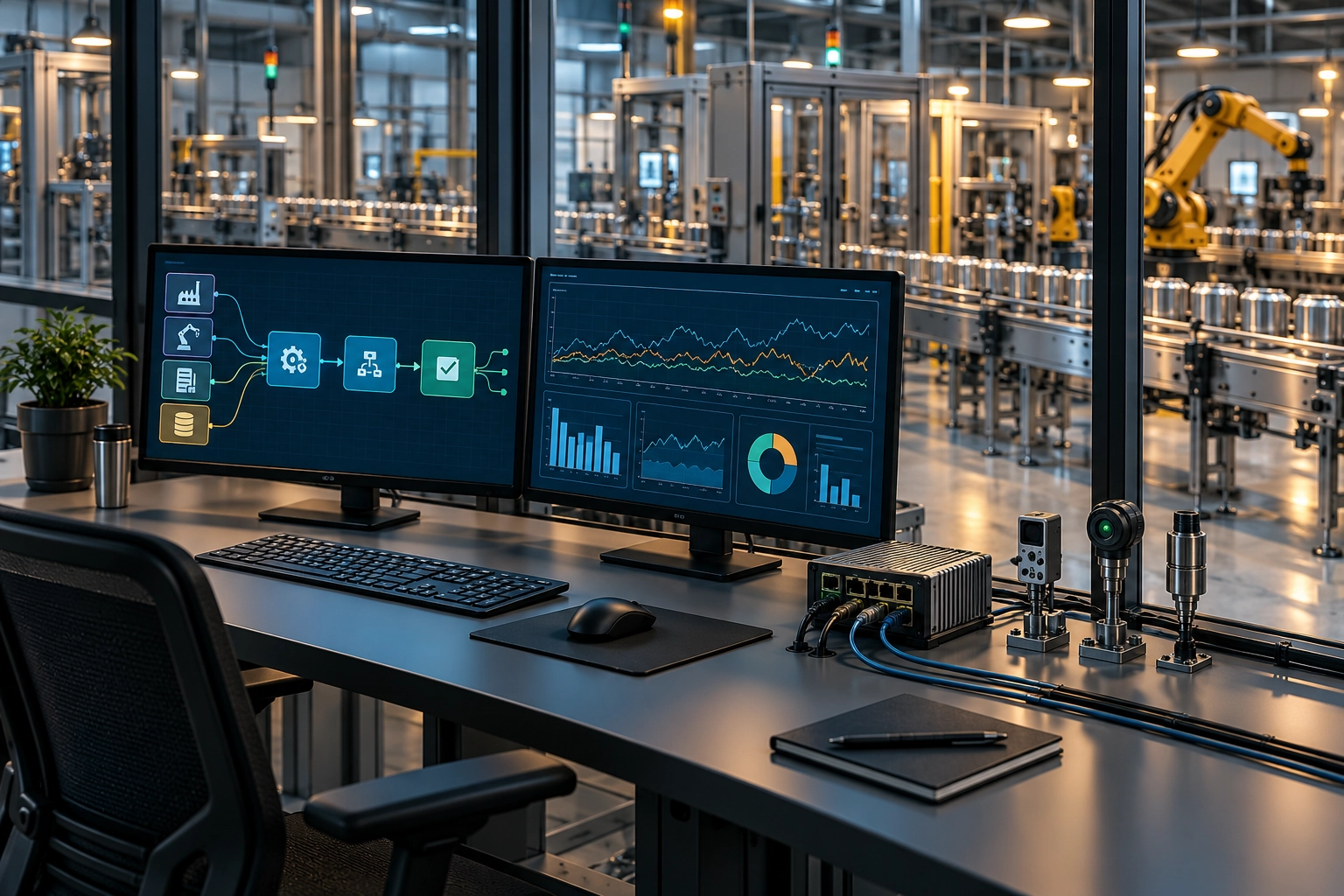
Data Analytics, BI, and Operational Reporting
Engineering practice and documented application
Data Analytics, BI, and Operational Reporting
Engineering practice and documented application
Data Analytics, BI, and Operational Reporting
Engineering practice and documented application
Lean Six Sigma, Quality Systems, and Governance Maturity
Engineering practice and documented application
Investment Economics and Lifecycle Analysis
Engineering practice and documented application
Investment Economics and Lifecycle Analysis
Engineering practice and documented application
Investment Economics and Lifecycle Analysis
Engineering practice and documented application
Investment Economics and Lifecycle Analysis
Engineering practice and documented application
Investment Economics and Lifecycle Analysis
Engineering practice and documented application
Investment Economics and Lifecycle Analysis
Academic preparation and analytical method
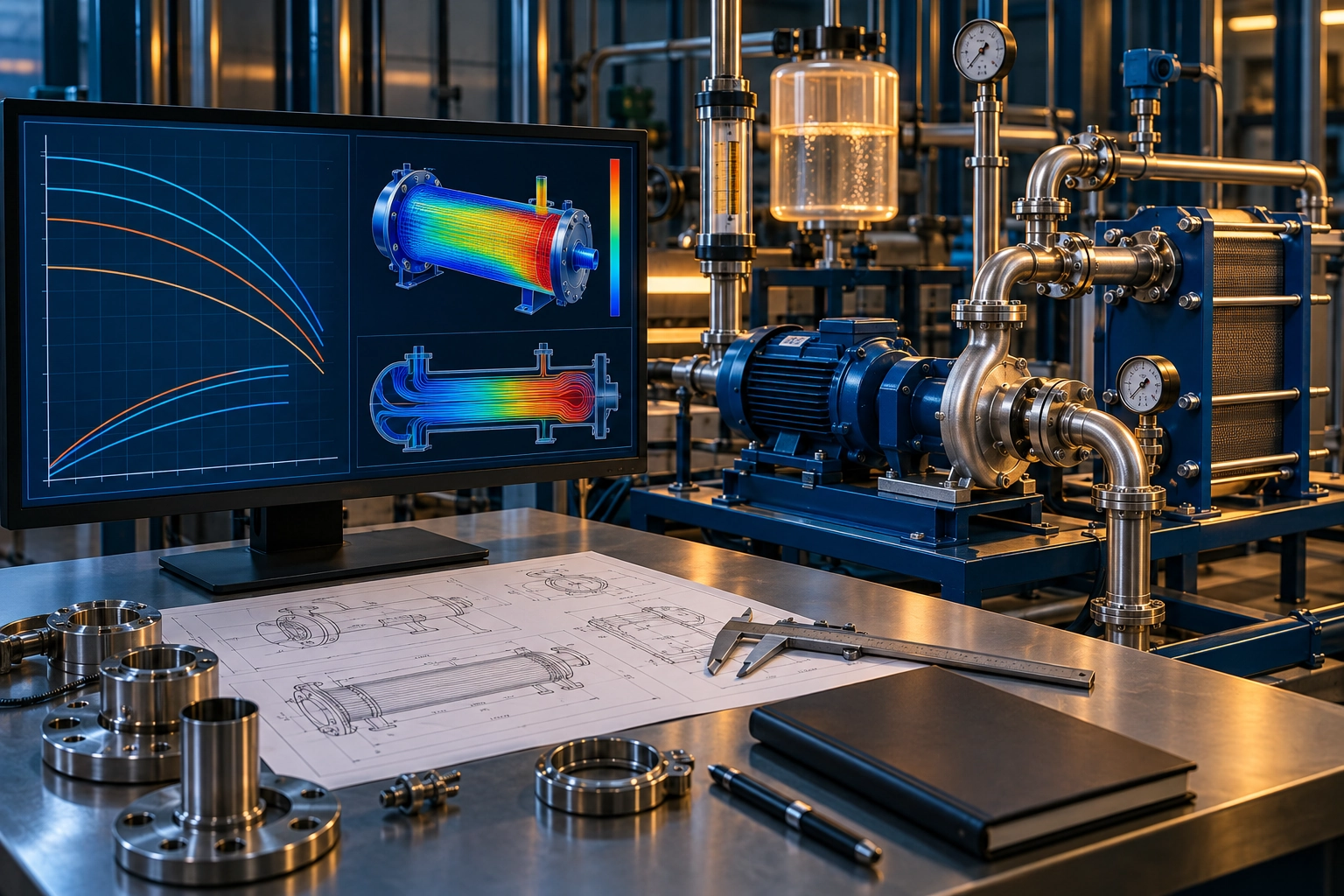
Thermal/Hydraulic Analysis and Engineering-Calculation Review
Engineering practice and documented application
Thermal/Hydraulic Analysis and Engineering-Calculation Review
Engineering practice and documented application
TSK-000222 · Method
Cooling Load Modeling and Thermal Deficit Analysis
Recorded applicationTSK-000226 · Method
Cooling Financial Engineering and AFE Justification
TSK-000238 · Action
Cooling Downtime-Cost and Repair-Risk Analysis
TSK-000240 · Method
Cooling Downtime-Cost and Repair-Risk Analysis
TSK-000963 · Academic analytical method
Data Analytics, BI, and Operational Reporting
Engineering practice and documented application
Data Analytics, BI, and Operational Reporting
Engineering practice and documented application
Data Analytics, BI, and Operational Reporting
Engineering practice and documented application
Optimization and Operations Research
Engineering practice and documented application
Data Analytics, BI, and Operational Reporting
Engineering practice and documented application
Data Analytics, BI, and Operational Reporting
Engineering practice and documented application
Data Analytics, BI, and Operational Reporting
Engineering practice and documented application
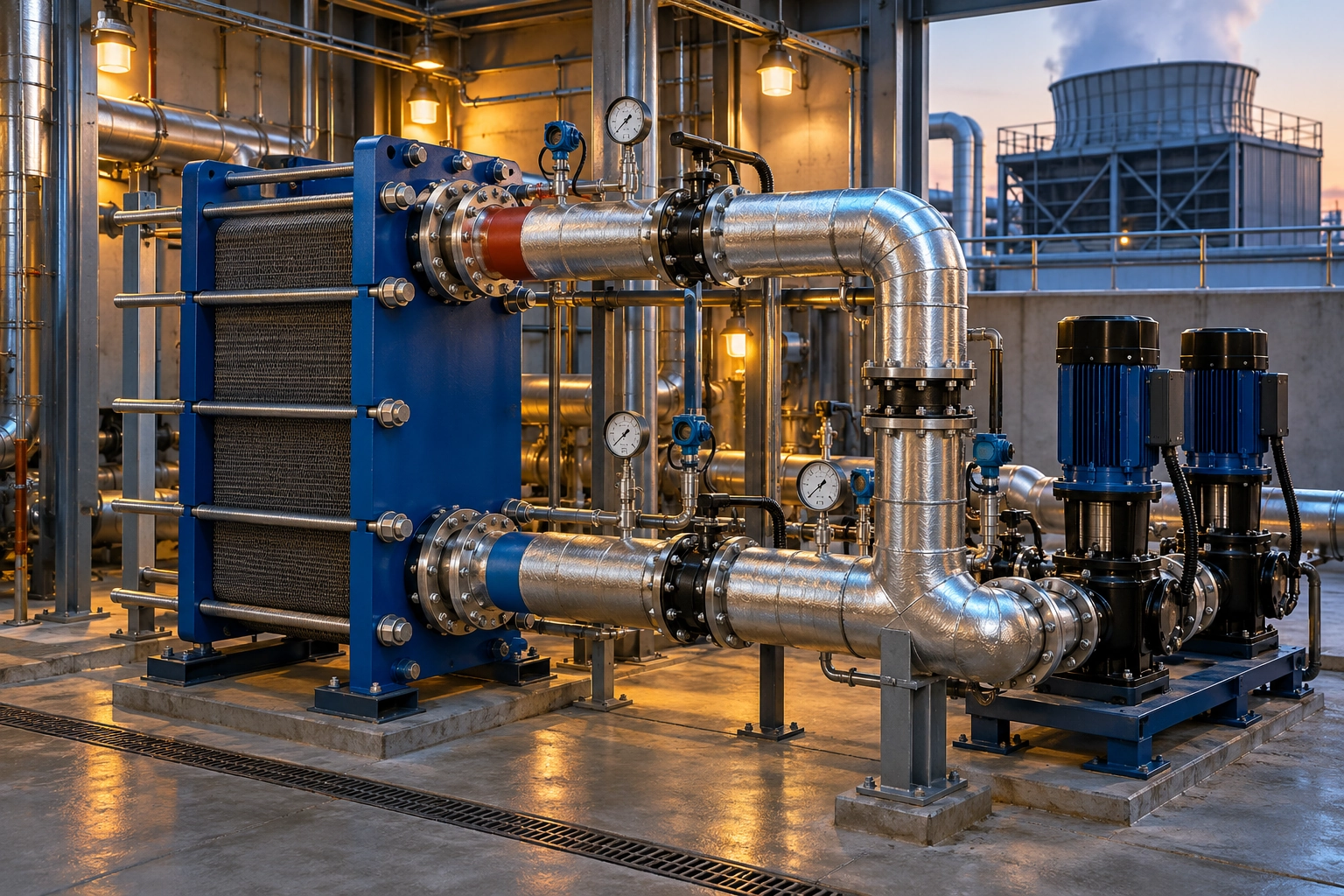
Chillers, Cooling Towers, and Process Cooling
Engineering practice and documented application
Chillers, Cooling Towers, and Process Cooling
Engineering practice and documented application
Chillers, Cooling Towers, and Process Cooling
Engineering practice and documented application
Chillers, Cooling Towers, and Process Cooling
Engineering practice and documented application
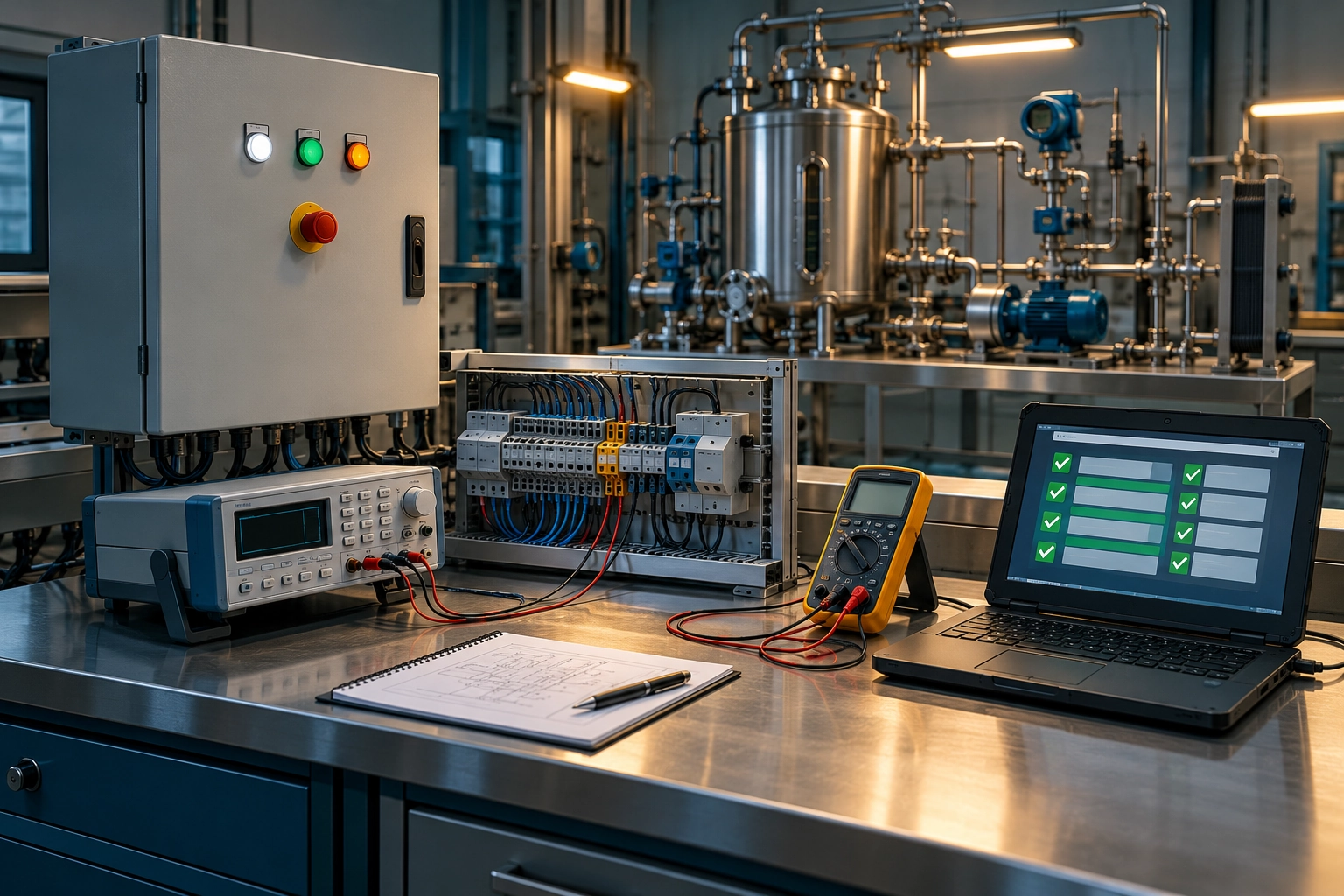
BAS, Utility Automation, and Alarm Systems
Engineering practice and documented application
BAS, Utility Automation, and Alarm Systems
Engineering practice and documented application
BAS, Utility Automation, and Alarm Systems
Engineering practice and documented application
BAS, Utility Automation, and Alarm Systems
Engineering practice and documented application
TSK-000218 · Method
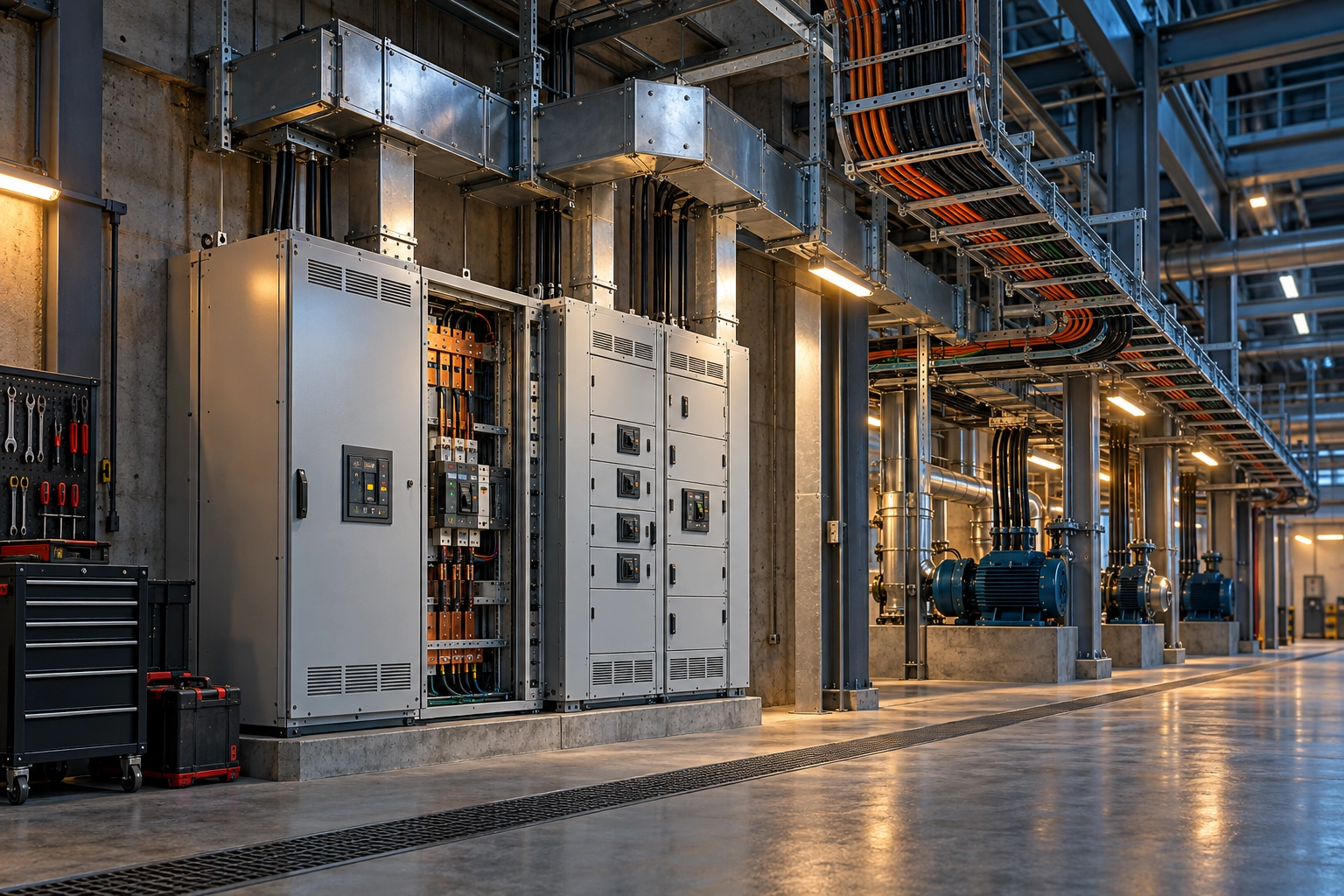
3X 160-Ton Chiller Production Cooling Upgrade
TSK-000221 · Method
Total Cooling Capacity Modernization
Recorded applicationTSK-000222 · Method
Cooling Load Modeling and Thermal Deficit Analysis
Recorded application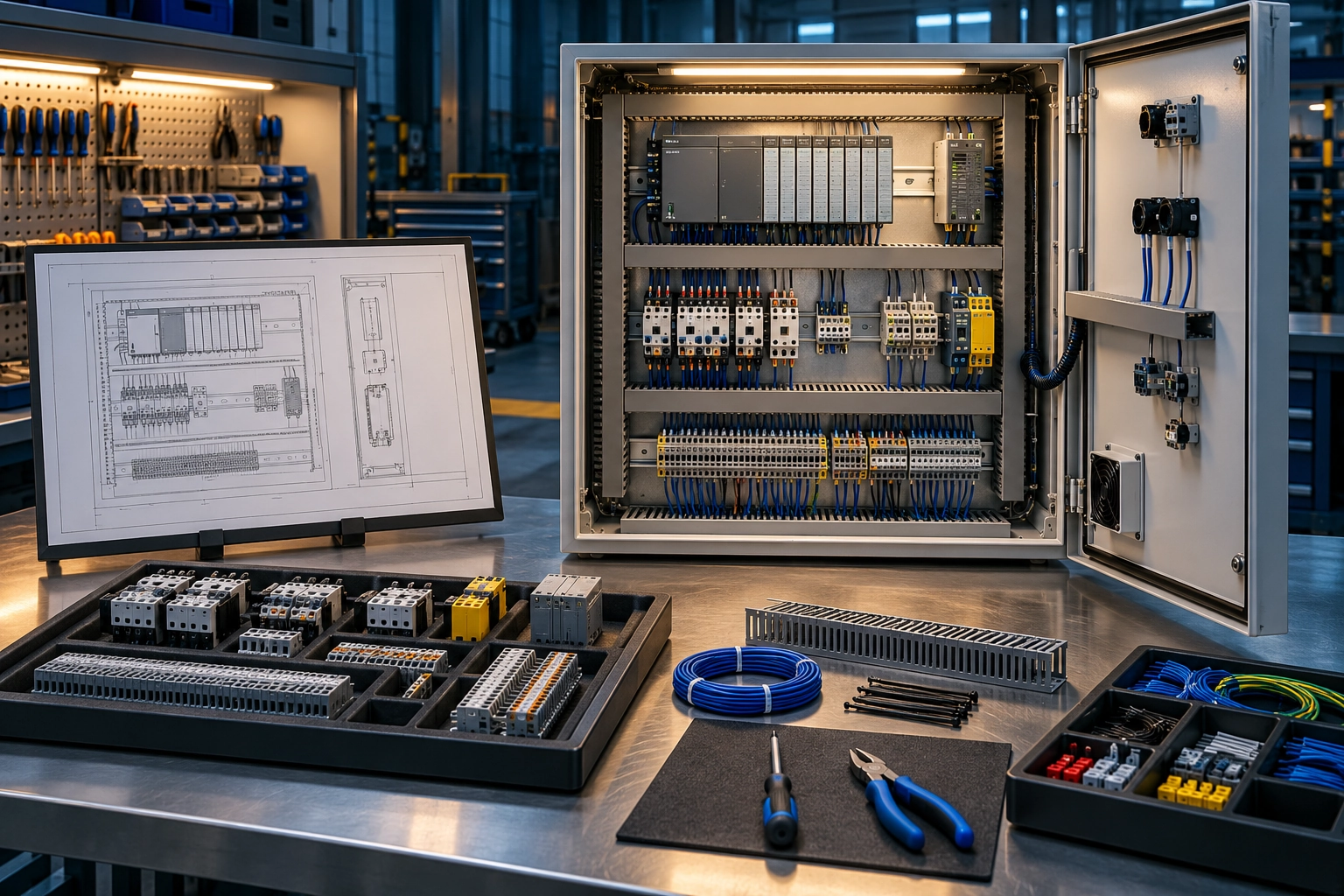
TSK-000224 · Method
Building Automation BAS Monitoring
TSK-000226 · Method
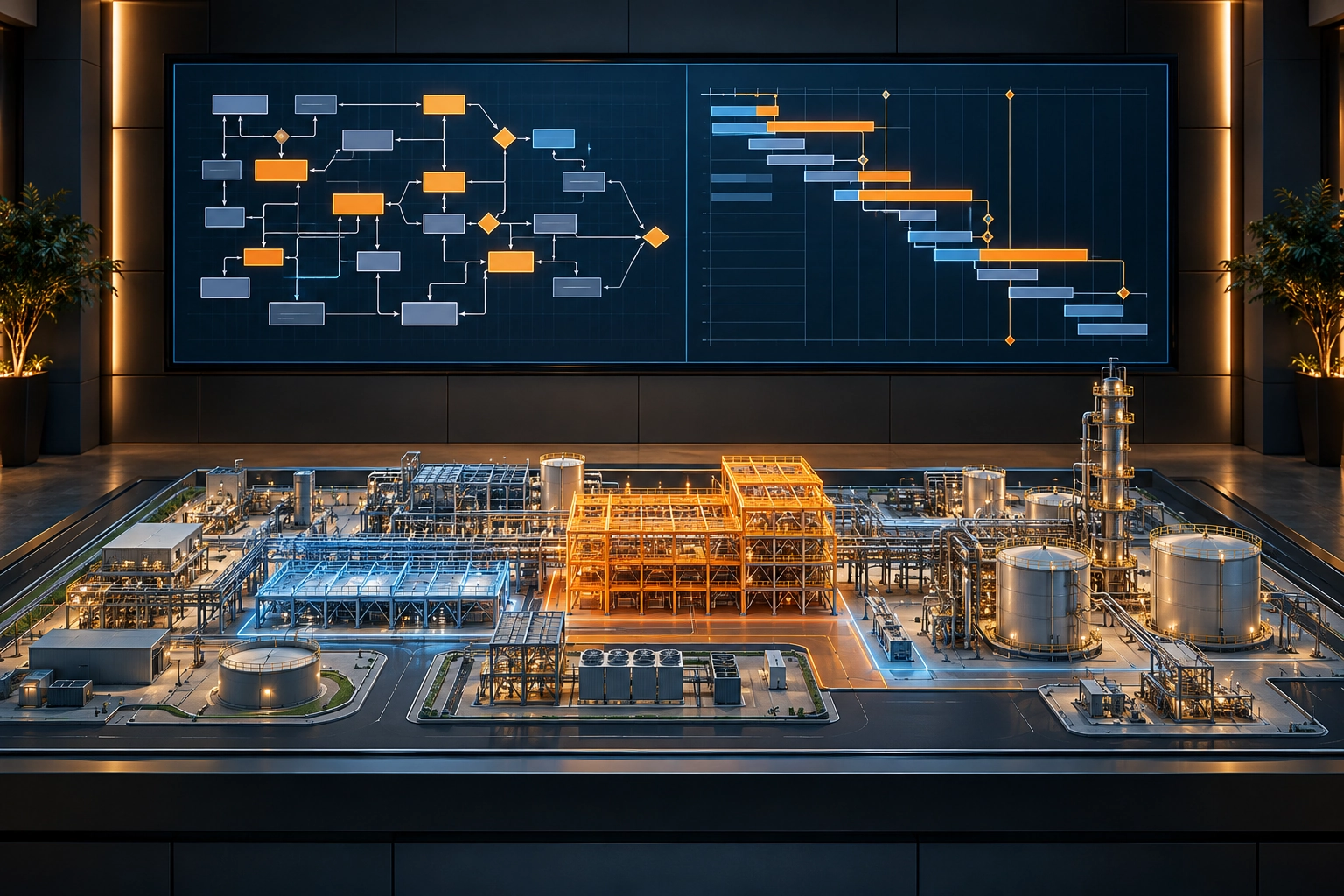
Cooling Financial Engineering and AFE Justification
TSK-000234 · Action
Chiller Plant Electrical and BAS Coordination
TSK-000235 · Method
Chiller Plant Electrical and BAS Coordination
TSK-000238 · Action
Cooling Downtime-Cost and Repair-Risk Analysis
TSK-000240 · Method
Cooling Downtime-Cost and Repair-Risk Analysis
TSK-000243 · Technical context
Production-Cooling Upgrade with Three 160-Ton Chillers
TSK-000889 · Action
Production-Cooling Upgrade with Three 160-Ton Chillers
Recorded applicationTSK-000890 · Action
Production-Cooling Upgrade with Three 160-Ton Chillers
Recorded applicationTSK-000891 · Action
Production-Cooling Upgrade with Three 160-Ton Chillers
Recorded application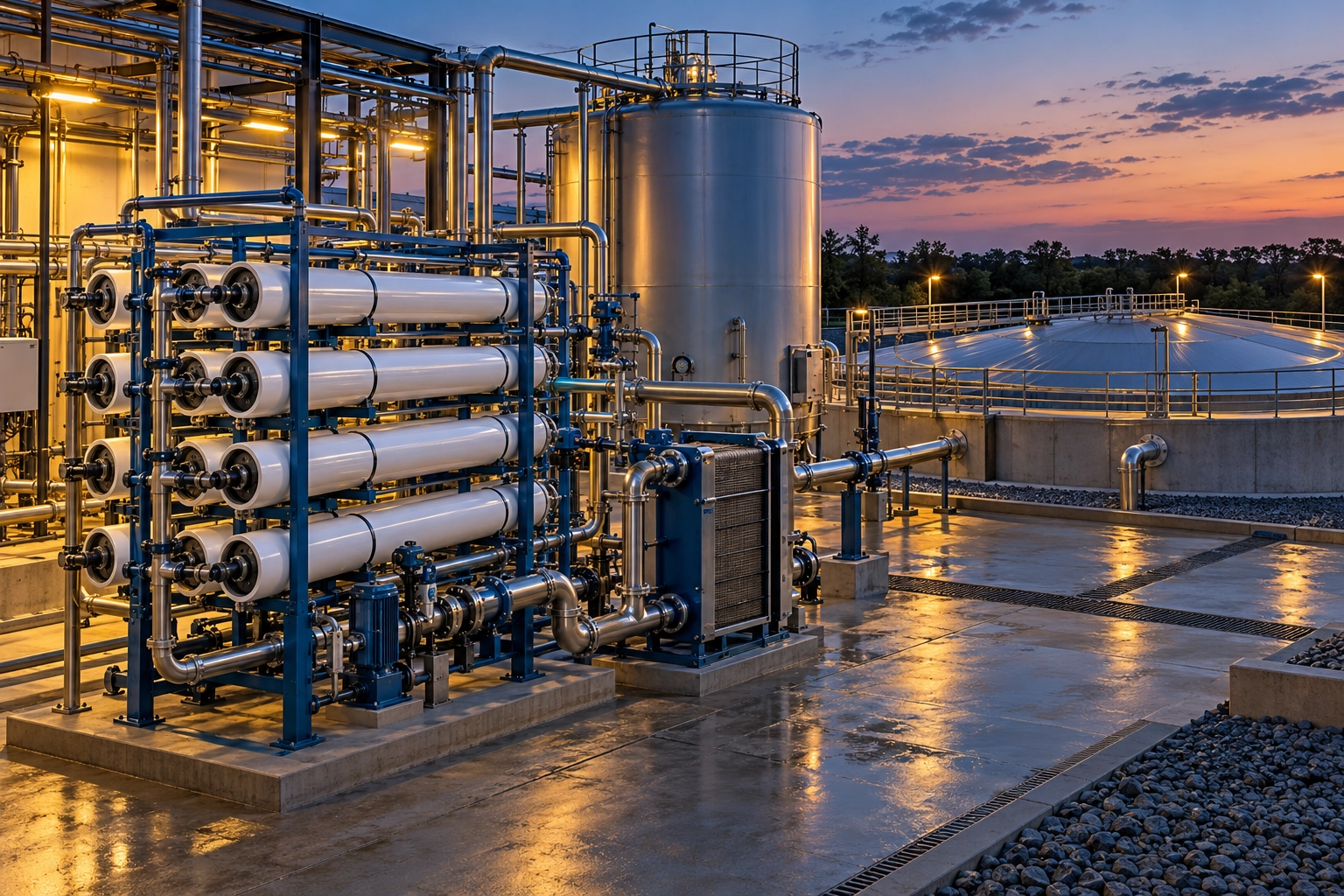
Water, RO, Ozone, and Reuse
Engineering practice and documented application
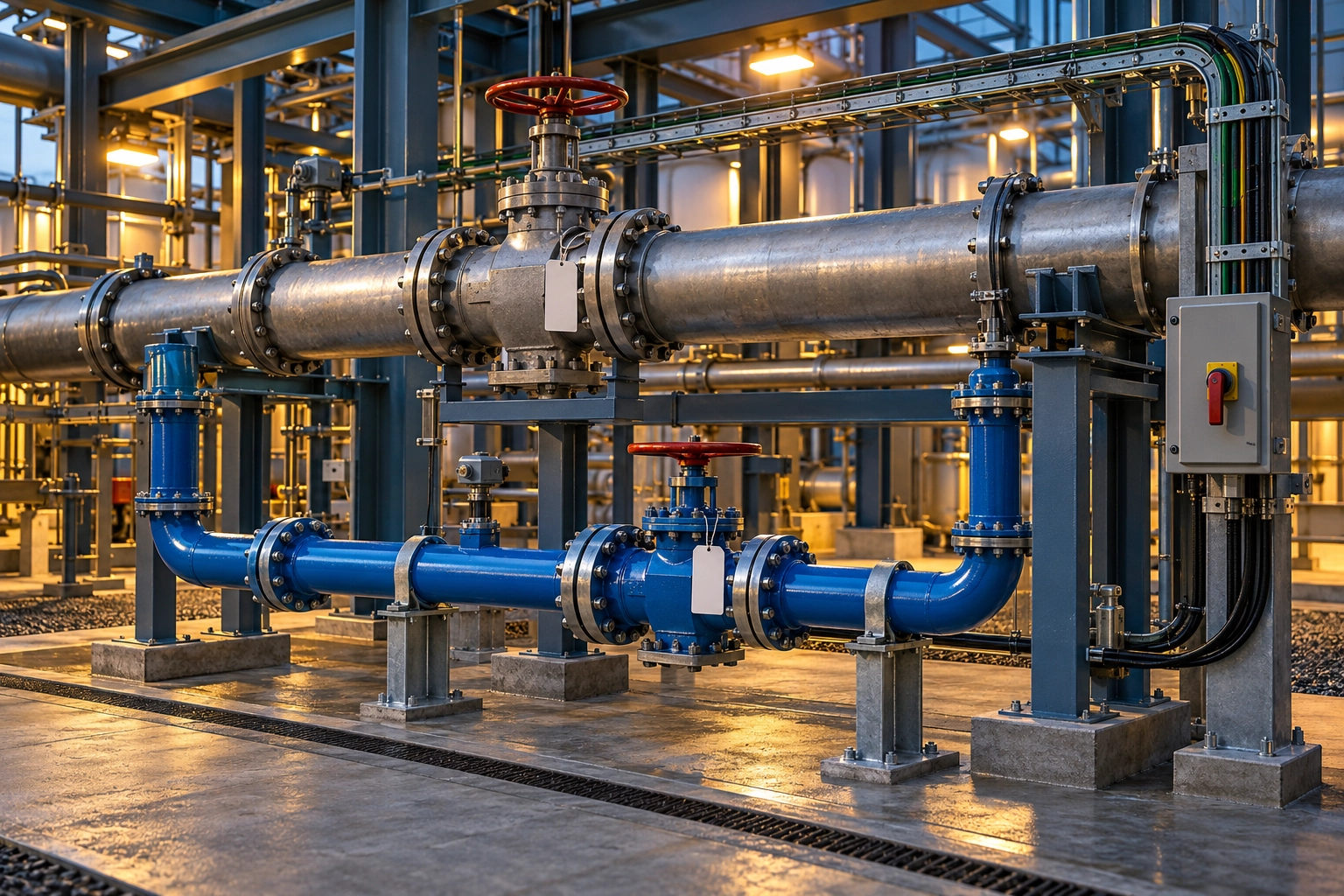
TSK-000225 · Method
Ozone Cooling-Water Treatment Retrofit
TSK-000243 · Technical context
Production-Cooling Upgrade with Three 160-Ton Chillers
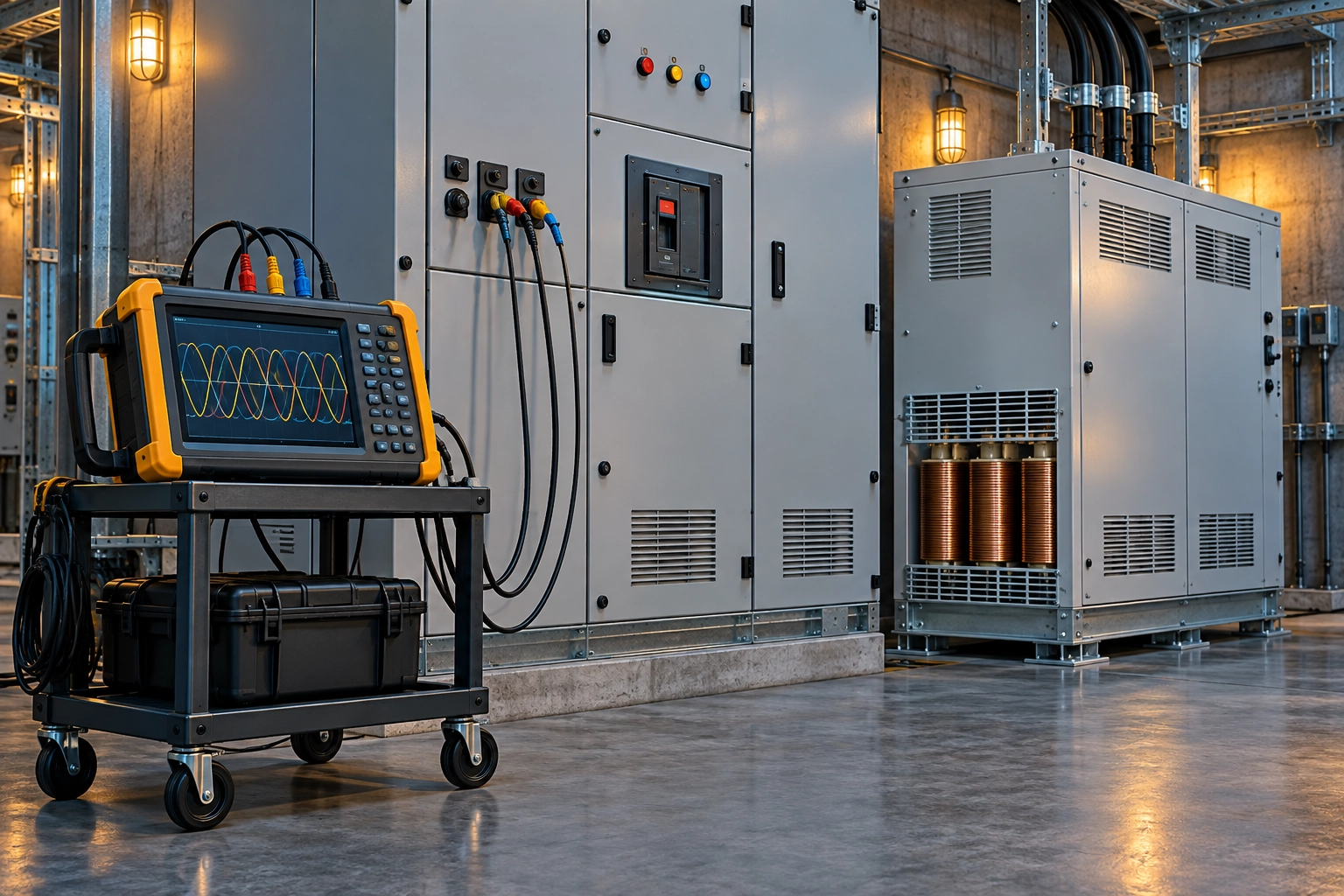
Electrical Utility Service, Power Quality, and Resilience
Engineering practice and documented application
Electrical Distribution Design and Installation Packages
Engineering practice and documented application
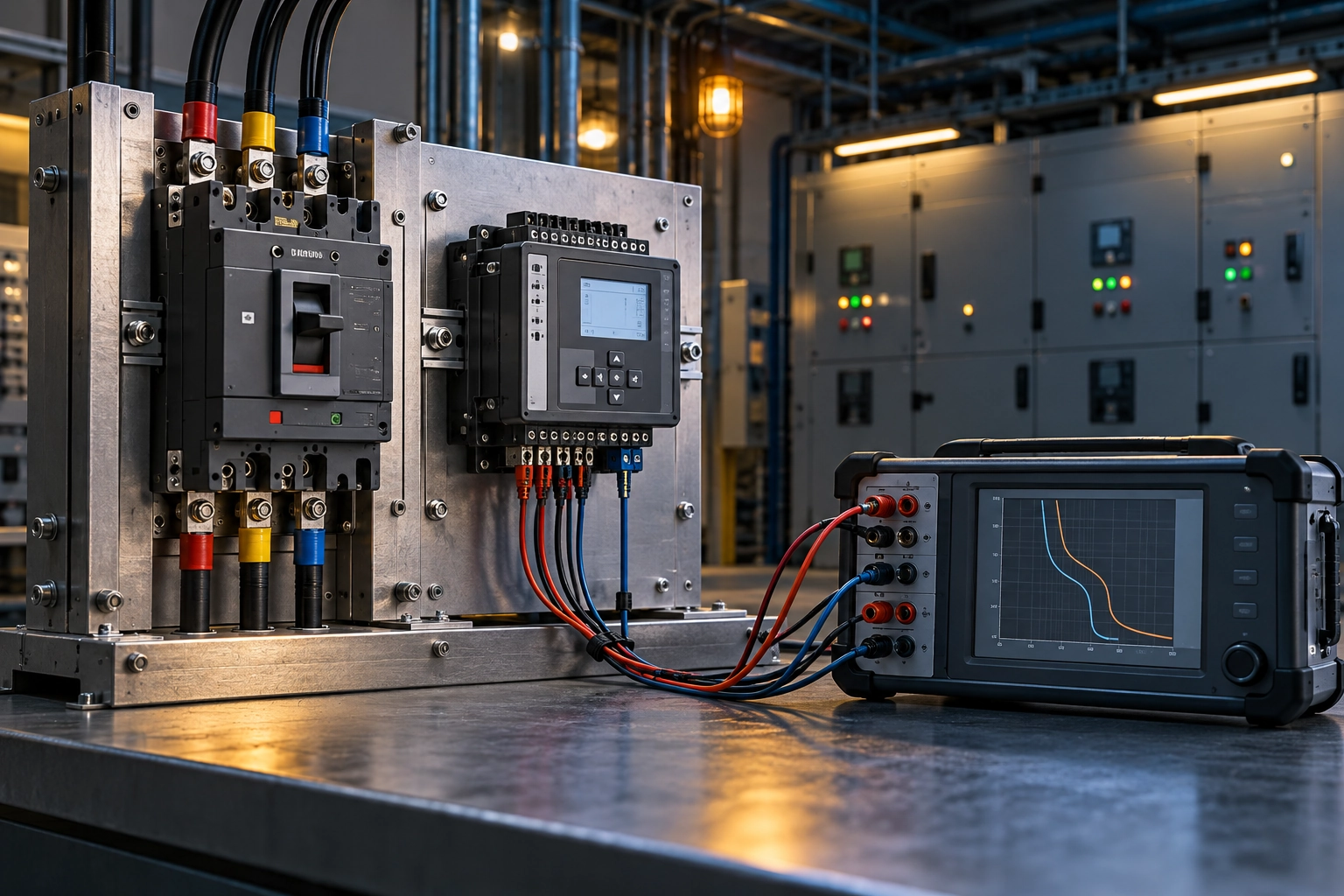
Electrical Testing, Standby Power, and Energization
Engineering practice and documented application
TSK-000219 · Method
3X 160-Ton Chiller Production Cooling Upgrade
TSK-000221 · Method
Total Cooling Capacity Modernization
Recorded applicationTSK-000233 · Action
Chiller Plant Electrical and BAS Coordination
TSK-000235 · Method
Chiller Plant Electrical and BAS Coordination
TSK-000243 · Technical context
Production-Cooling Upgrade with Three 160-Ton Chillers
BAS, Utility Automation, and Alarm Systems
Engineering practice and documented application
BAS, Utility Automation, and Alarm Systems
Engineering practice and documented application
BAS, Utility Automation, and Alarm Systems
Engineering practice and documented application
BAS, Utility Automation, and Alarm Systems
Engineering practice and documented application
TSK-000224 · Method
Building Automation BAS Monitoring
TSK-000234 · Action
Chiller Plant Electrical and BAS Coordination
TSK-000235 · Method
Chiller Plant Electrical and BAS Coordination
TSK-000243 · Technical context
Production-Cooling Upgrade with Three 160-Ton Chillers
TSK-000890 · Action
Production-Cooling Upgrade with Three 160-Ton Chillers
Recorded applicationTSK-000891 · Action
Production-Cooling Upgrade with Three 160-Ton Chillers
Recorded applicationCooling ownership covered chillers, towers, pumps, circulation, heat exchangers and water treatment. Load and hydraulic analysis informed equipment and loop design, while VFDs, BAS and PLC interfaces connected performance with operating visibility. Installation sequencing and verification aligned the utility changes with process demand.
Chillers, Cooling Towers, and Process Cooling
Engineering practice and documented application
Chillers, Cooling Towers, and Process Cooling
Engineering practice and documented application
Chillers, Cooling Towers, and Process Cooling
Engineering practice and documented application
Chillers, Cooling Towers, and Process Cooling
Engineering practice and documented application
BAS, Utility Automation, and Alarm Systems
Engineering practice and documented application
BAS, Utility Automation, and Alarm Systems
Engineering practice and documented application
BAS, Utility Automation, and Alarm Systems
Engineering practice and documented application
BAS, Utility Automation, and Alarm Systems
Engineering practice and documented application
Method
Applies capabilities
Action
Applies capabilities
Action
Applies capabilities
Three 160-ton chillers plus separate 250-ton backup, pumps, towers, BAS, water treatment and electrical work; Closed roughly 78-ton cooling shortfall; about $118,000/year OPEX reduction
Review maintenance cost, energy use, cooling loads, supply/return temperatures and failure or rental exposure over twelve months to evaluate the replacement workstream.
Utilities / Reliability.
Capital authorization, cutover sequencing, QA/QC, commissioning planning and risk-register review.
TSK-000218 · Method
3X 160-Ton Chiller Production Cooling Upgrade
TSK-000219 · Method
3X 160-Ton Chiller Production Cooling Upgrade
TSK-000224 · Method
Building Automation BAS Monitoring
TSK-000225 · Method
Ozone Cooling-Water Treatment Retrofit
TSK-000226 · Method
Cooling Financial Engineering and AFE Justification
TSK-000233 · Action
Chiller Plant Electrical and BAS Coordination
TSK-000234 · Action
Chiller Plant Electrical and BAS Coordination
TSK-000235 · Method
Chiller Plant Electrical and BAS Coordination
TSK-000238 · Action
Cooling Downtime-Cost and Repair-Risk Analysis
TSK-000240 · Method
Cooling Downtime-Cost and Repair-Risk Analysis
TSK-000243 · Technical context
Production-Cooling Upgrade with Three 160-Ton Chillers
TSK-000889 · Action
Production-Cooling Upgrade with Three 160-Ton Chillers
TSK-000890 · Action
Production-Cooling Upgrade with Three 160-Ton Chillers
TSK-000891 · Action
Production-Cooling Upgrade with Three 160-Ton Chillers
Workstream Portfolio Rollup
14,998,000 USD
Cooling and Utility Reliability Modernization
Recorded workstream portfolio reference. This is the workstream-level value and is not a project expenditure or a new total of reassigned projects.
| Measure or outcome | Value or result | Meaning and operating scope |
|---|---|---|
| Cooling operating-expense reduction | Approximately $118,000/year | Replacement of failed chillers and cooling-loop improvements. |
| Ozone-treatment savings | Projected $26,500/year | Projected treatment benefit with a 10-year payback. |
| Recorded outcome | Added approximately 200 tons of net production-cooling capacity. | Production-Cooling Upgrade with Three 160-Ton Chillers |
| Recorded outcome | The source records approximately 15% energy reduction at individual chiller feeder monitoring points. | Production-Cooling Upgrade with Three 160-Ton Chillers |
| Recorded outcome | Cooling-project evidence records about $118k/year of OPEX reduction across the named production and standby cooling projects; it is not counted again as a separate portfolio-wide total. | Production-Cooling Upgrade with Three 160-Ton Chillers |
CASE-079 · Engineering case
Led the production-cooling upgrade replacing two 110-ton chillers and one 60-ton chiller with three 160-ton chillers.
Read the Case ↗CASE-081 · Engineering case
Expanded the cooling platform by +450 tons net capacity across production and backup cooling projects.
Read the Case ↗CASE-082 · Engineering case
Modernized production cooling with three 160-ton chillers and coordinated piping, controls, electrical and BAS interfaces.
Read the Case ↗CASE-084 · Engineering case
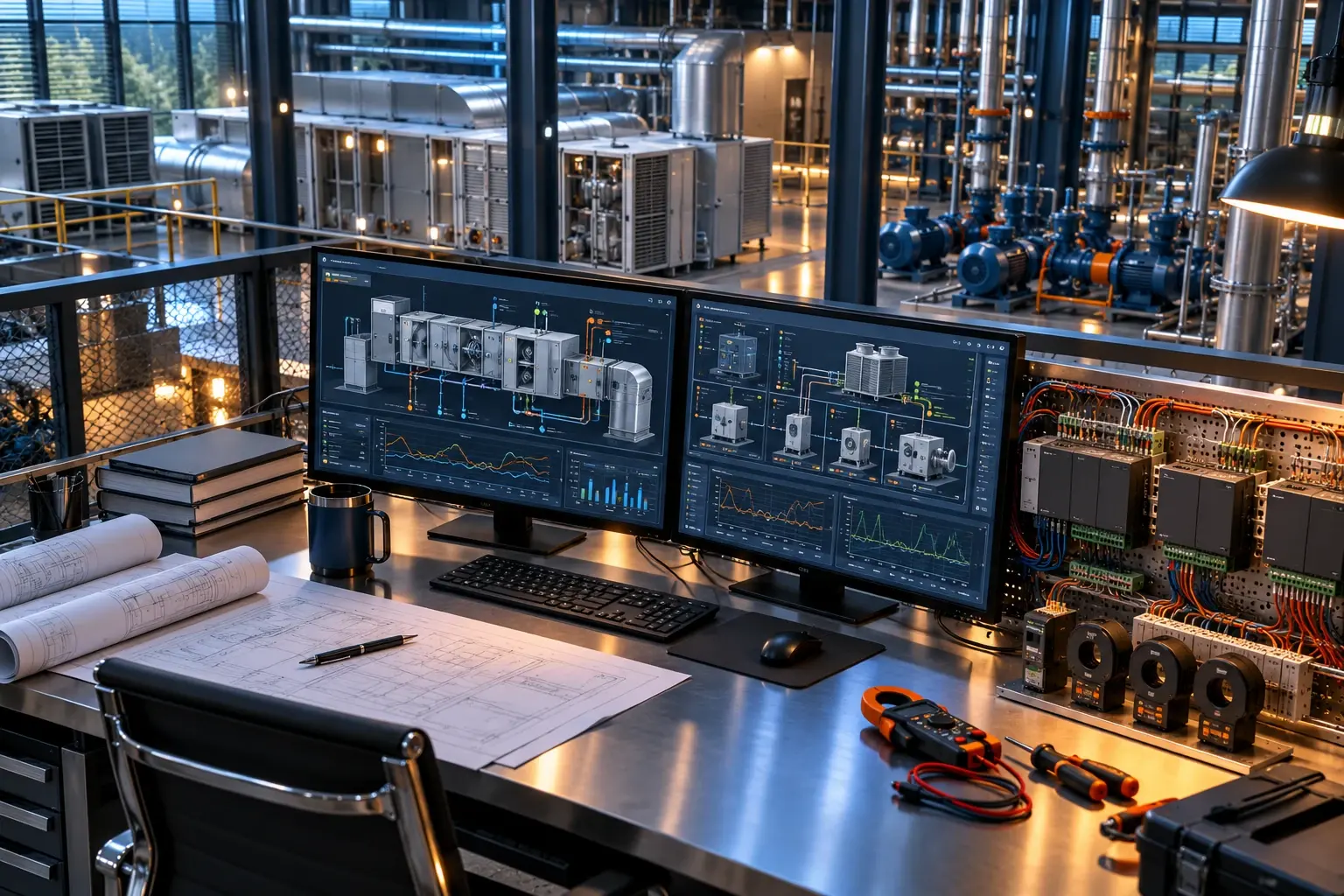
Added BAS visibility while preserving OEM chiller-control independence.
Read the Case ↗CASE-085 · Engineering case
Replaced chemical-based cooling-water treatment with an engineered ozone-treatment system.
Read the Case ↗CASE-086 · Engineering case
Built the capital case by showing the true cost of failed chiller infrastructure.
Read the Case ↗CASE-093 · Engineering case
Coordinated new chillers into electrical distribution and BAS monitoring to improve cooling control, staging, redundancy, and maintenance visibility.
Read the Case ↗CASE-095 · Engineering case
Modernized production cooling with three 160-ton chillers and coordinated piping, controls, electrical and BAS interfaces.
Read the Case ↗CASE-098 · Engineering case
Modernized production cooling with three 160-ton chillers and coordinated piping, controls, electrical and BAS interfaces.
Read the Case ↗Related facility implementations are part of this project. Their operating conditions, equipment and interfaces are considered within the same project lifecycle.