CASE-028 · Engineering case

Ceramic Filter Electrical and Controls Coordination

Coordinated ceramic filtration into plant electrical and OT controls infrastructure with dedicated feeds, Ethernet connectivity, tank sensing, valve control, and CIP automation.

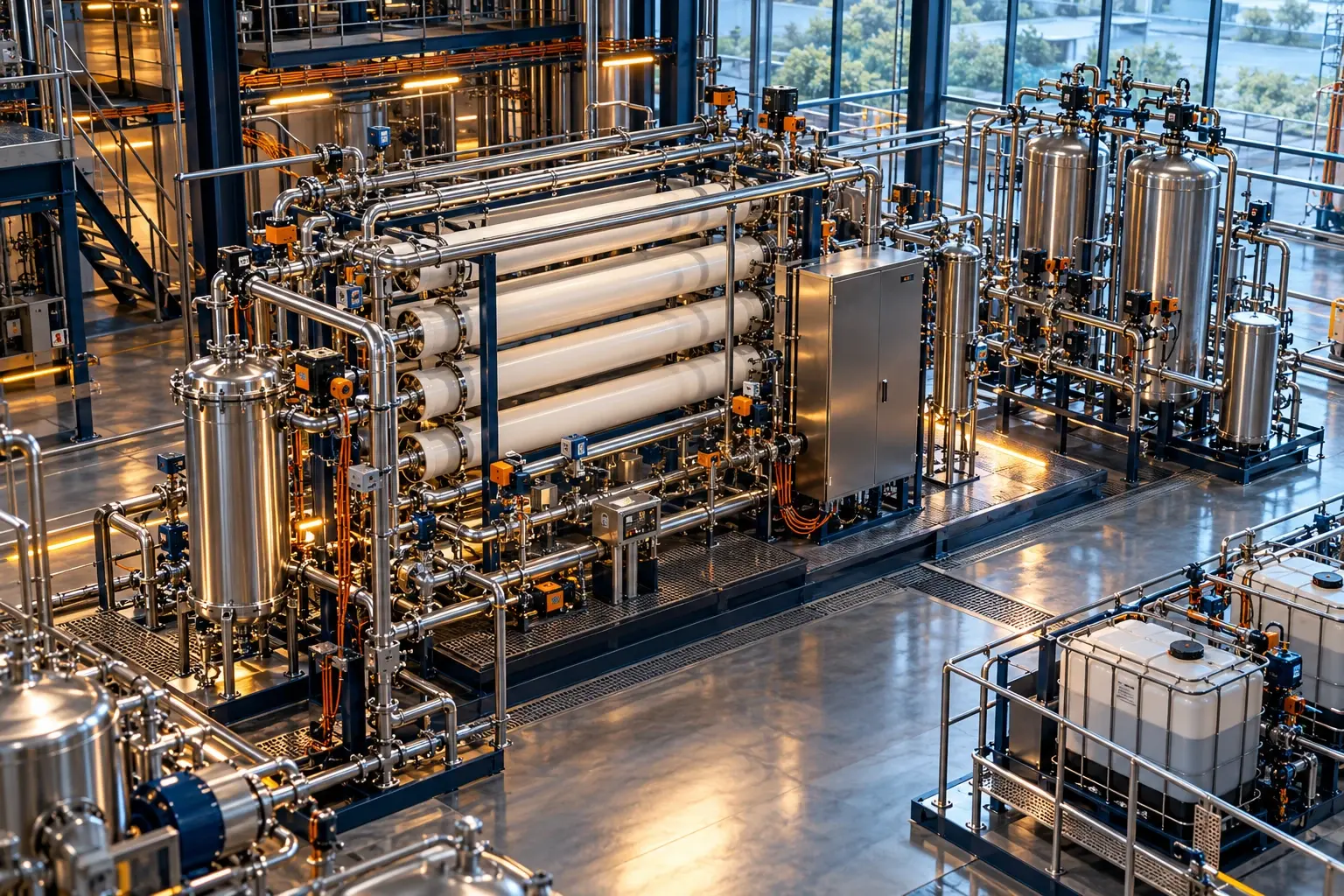
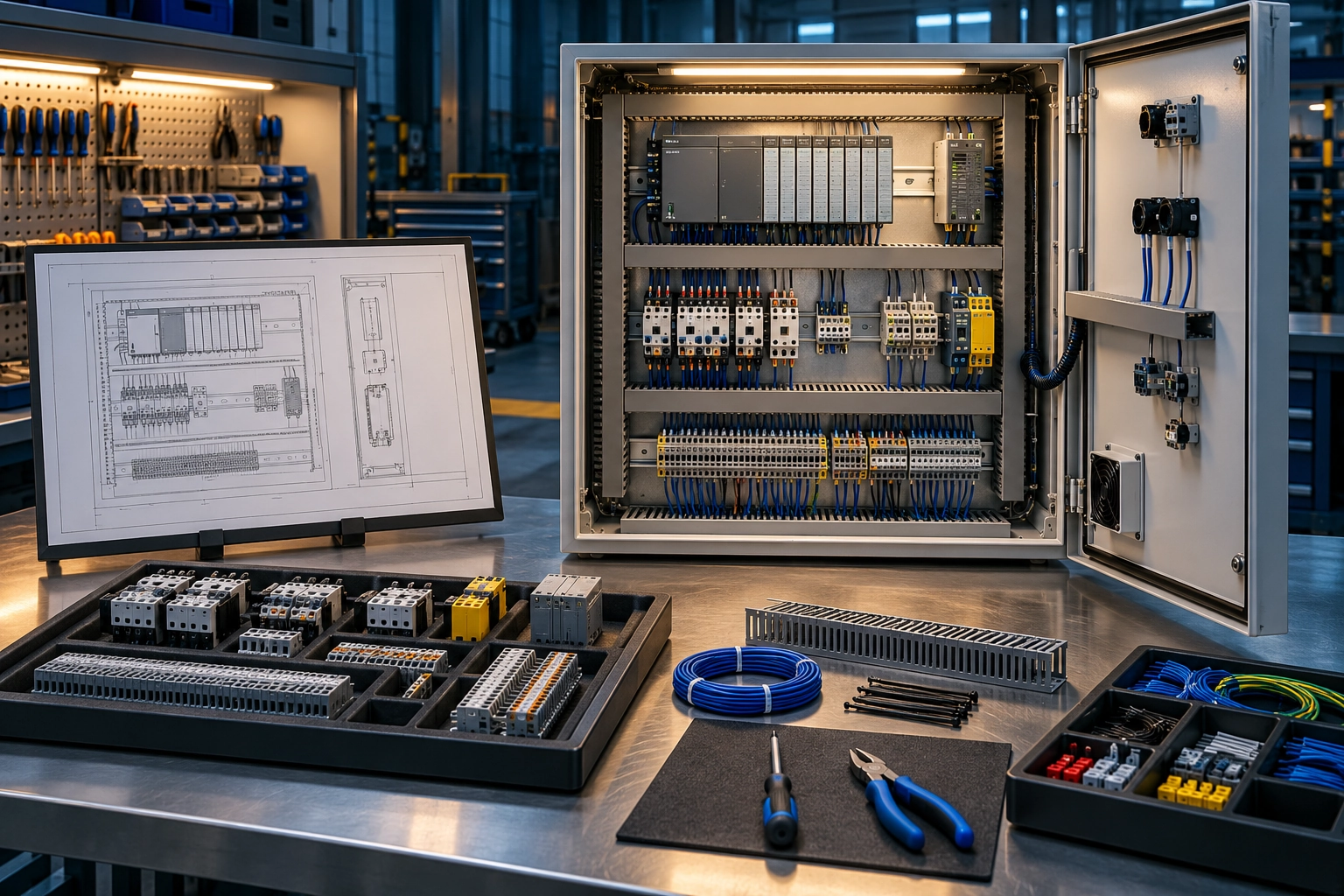
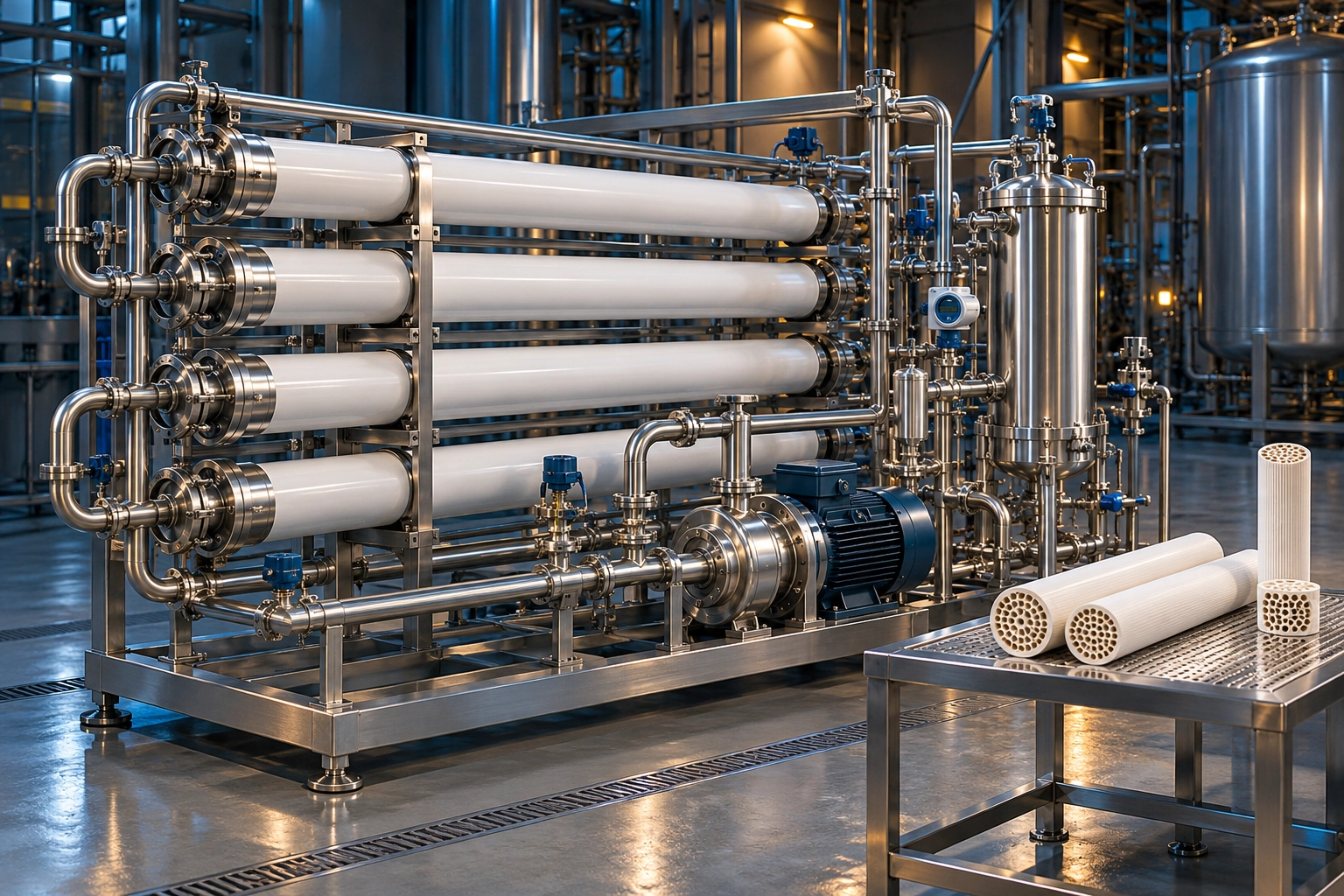
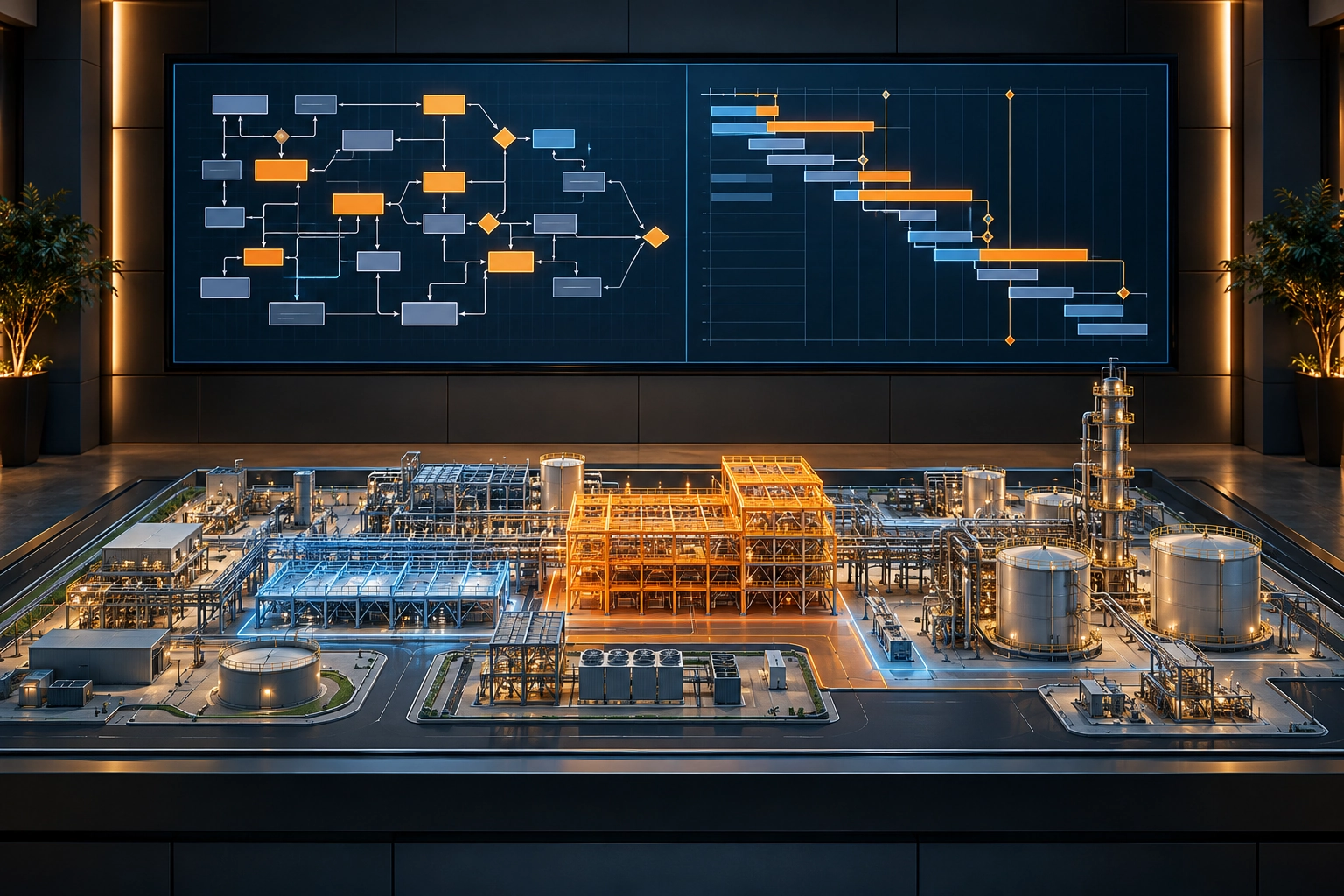
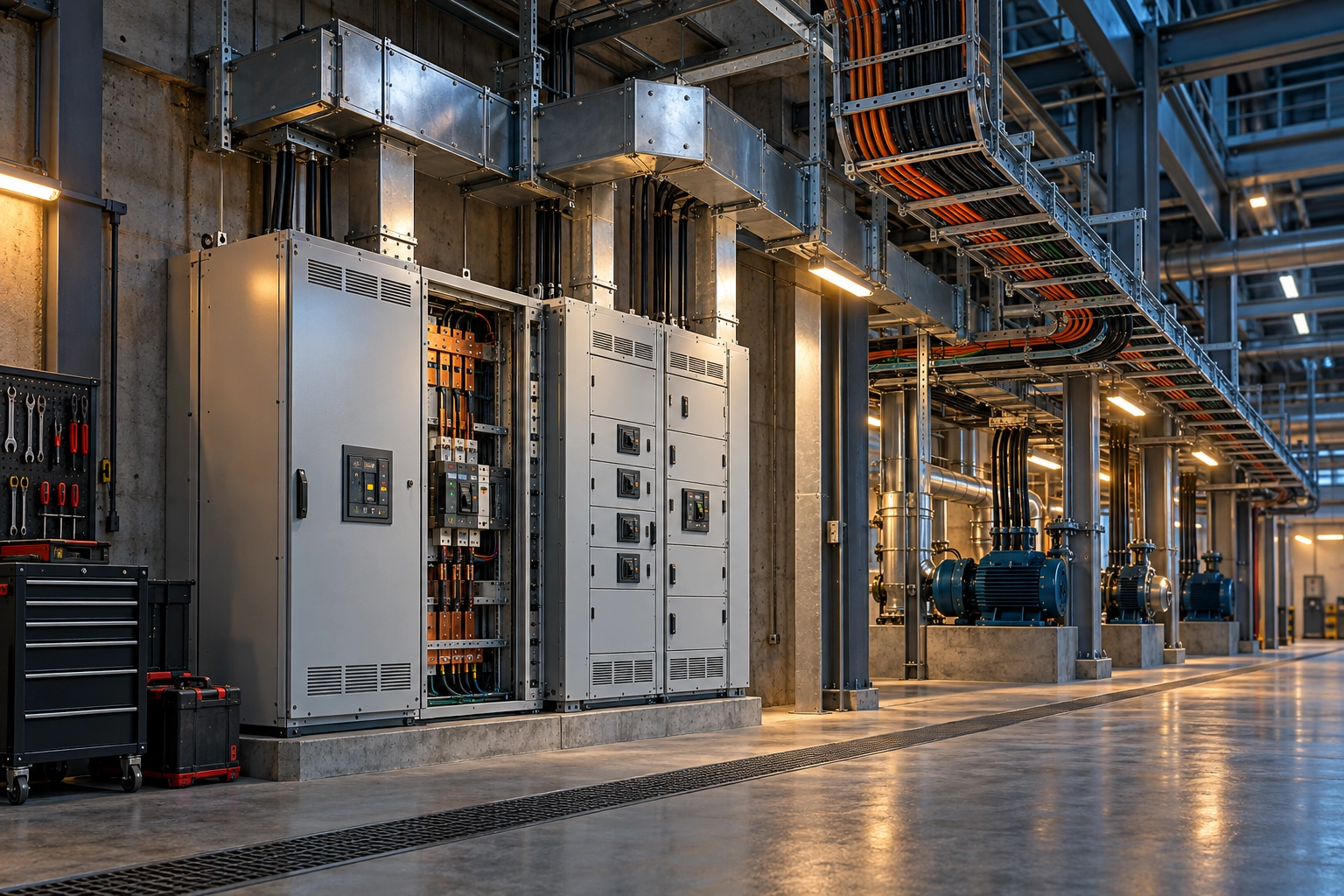
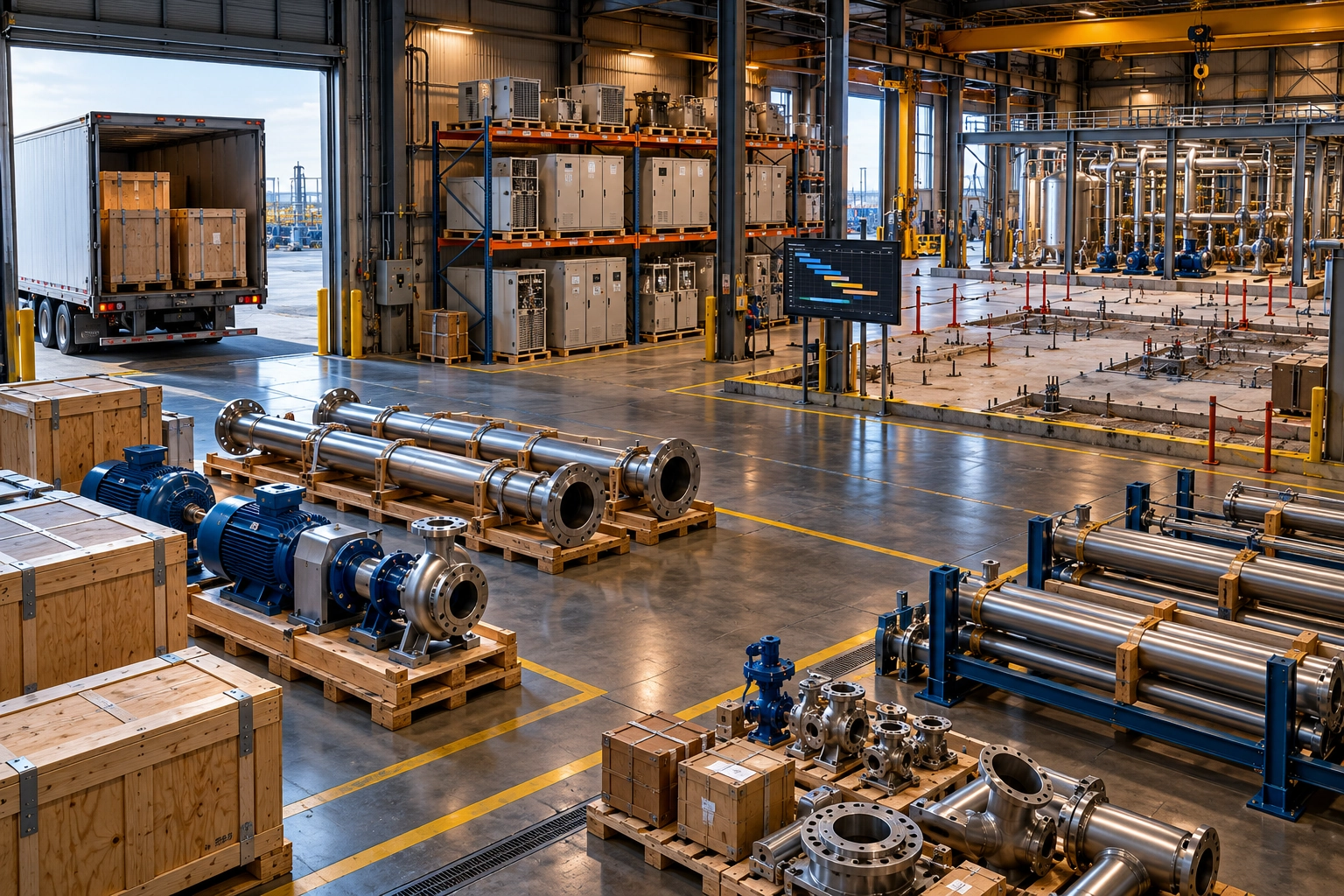
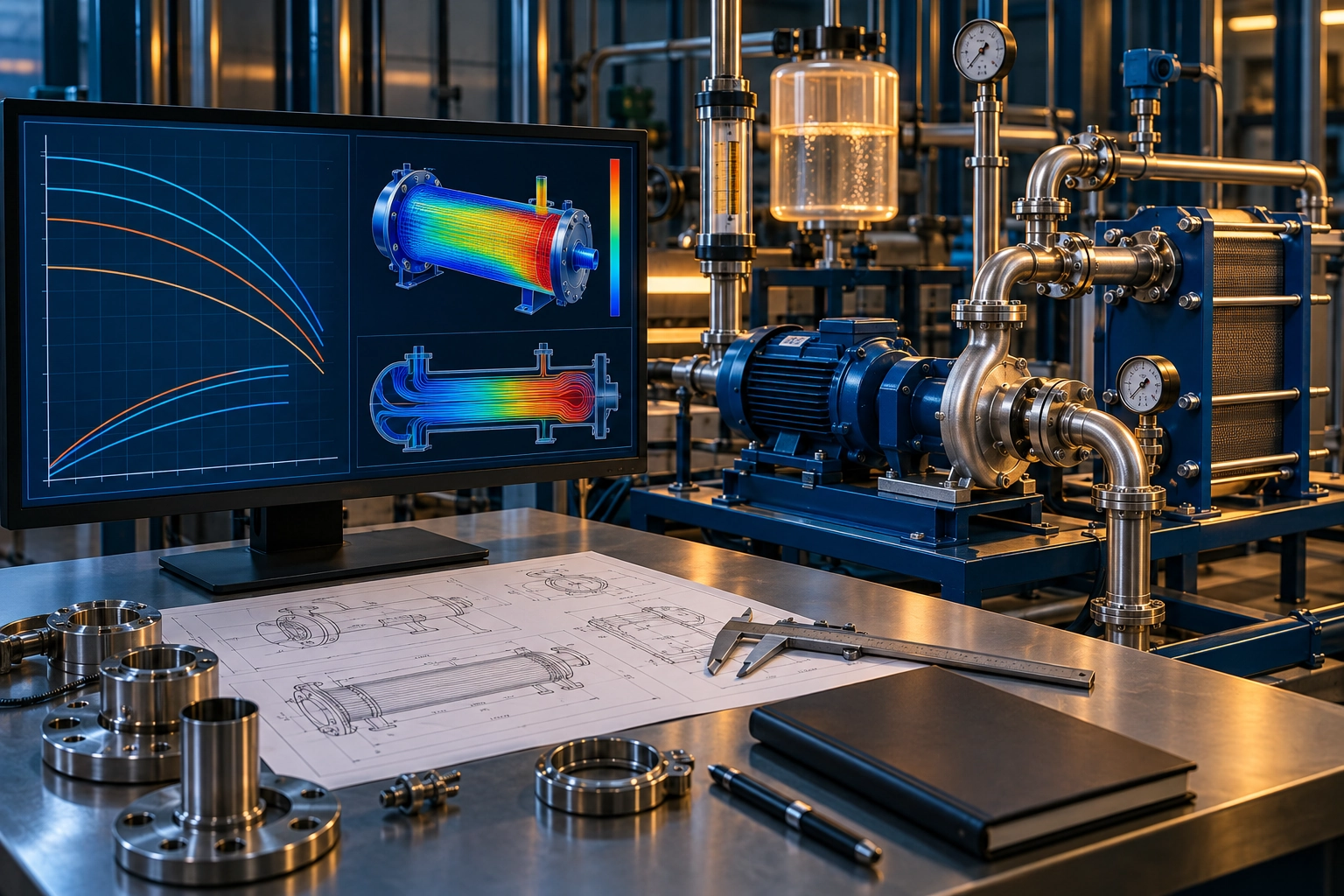
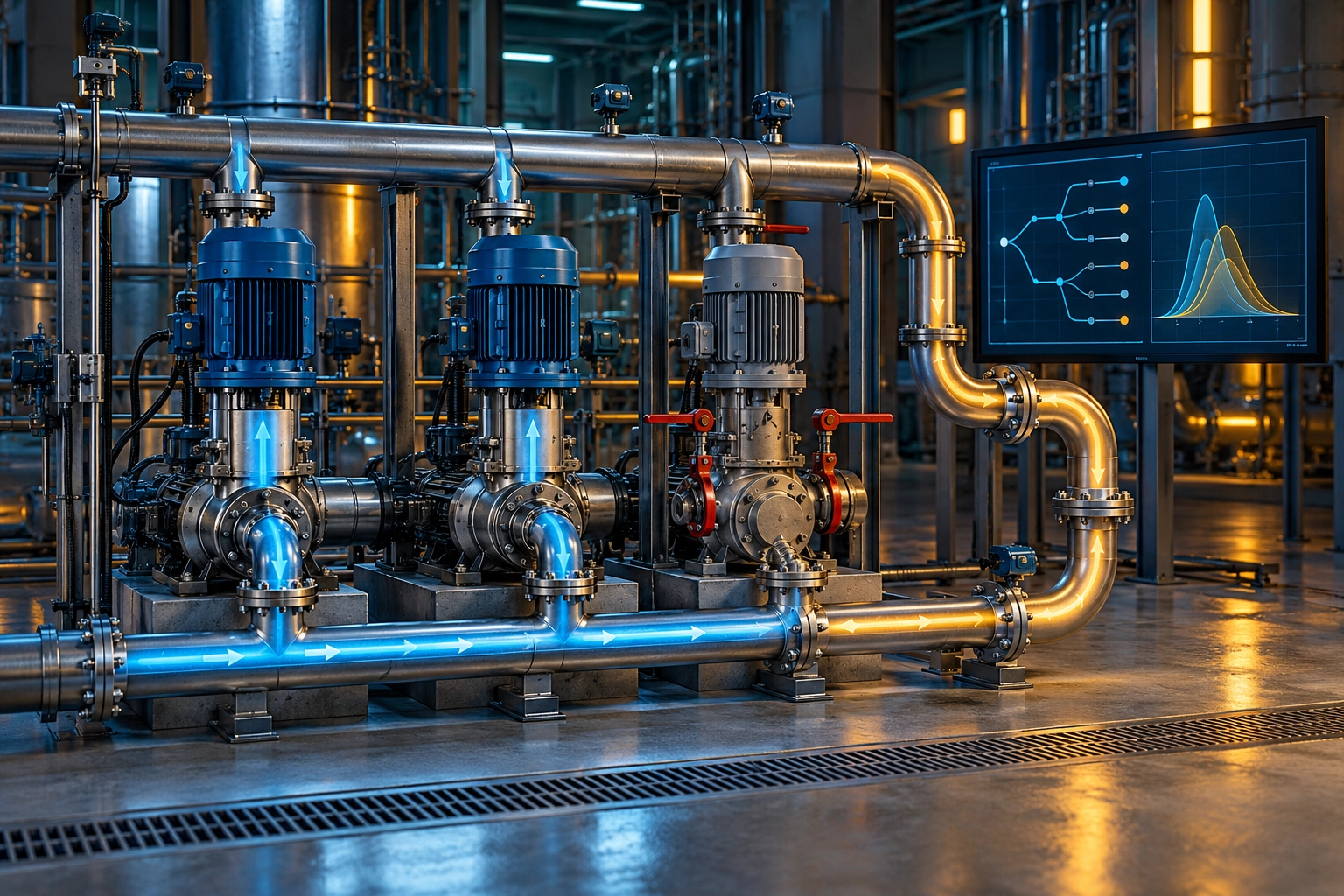
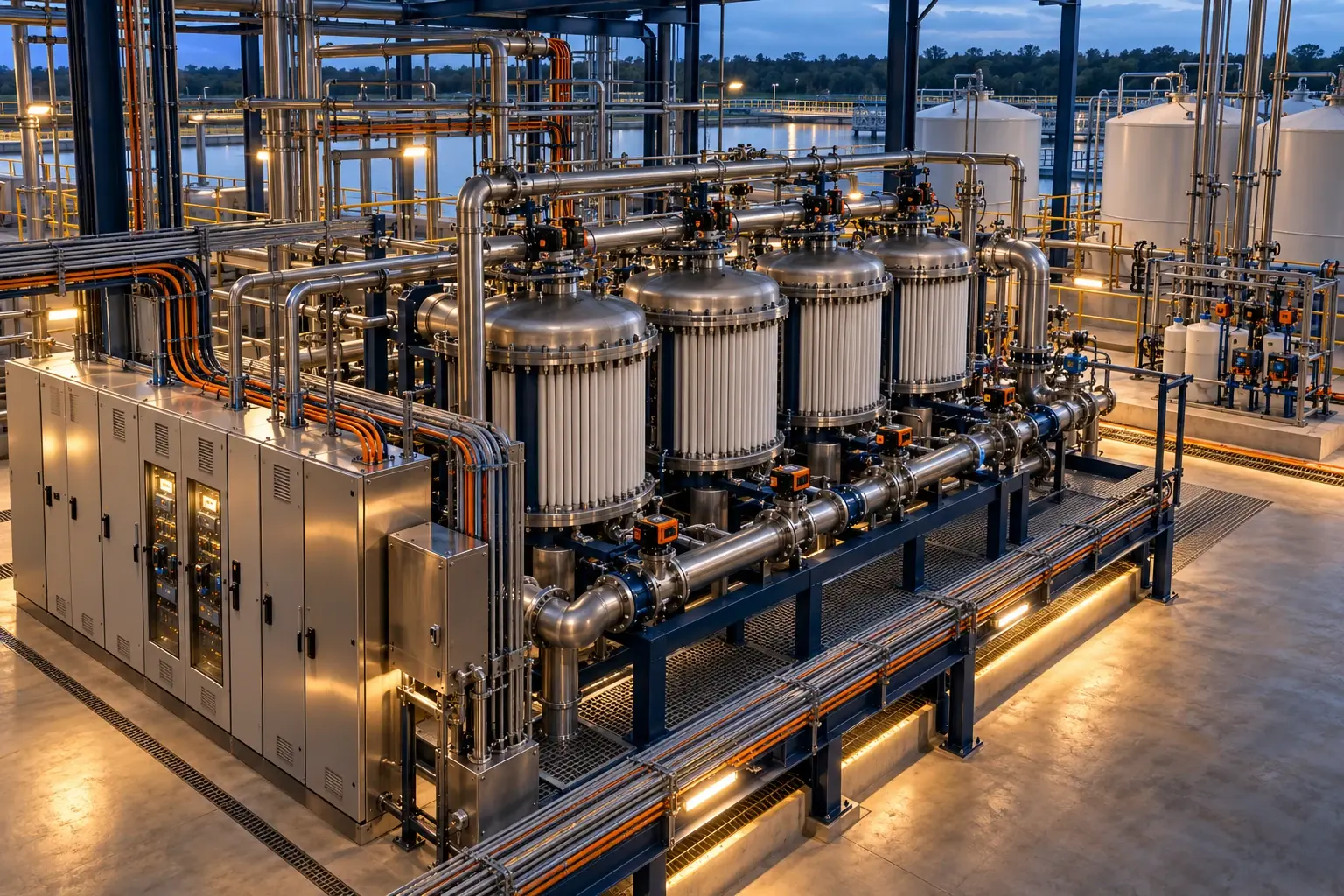
Conceptual engineering visualization: Ceramic Filter Electrical and Controls Coordination
Conceptual engineering visualization · AI generated

Why the Work Mattered

Purpose and Operating Need

The ceramic filter project needed more than mechanical filtration equipment; it required robust electrical feeds, network connectivity, remote sensor wiring, automated valve blocks, and chemical/CIP control paths.

Engineering Approach

Engineering Approach

Design scope: 480V 750A ceramic filter main feed, 480V 4kW manifold feeds, 150A boiler coordination, Ethernet-based control connectivity through the fiberoptic OT network, tank level sensors with two-wire terminations, conduit runs from UF-F and tanks 19, 23, 27, 28, and 30, automated selection and cleaning sequences, solenoid block valves, leak-detection isolation paths, and steam / nitric / caustic CIP dosing.

Outcome & Engineering Context

Outcome and Context

Improved filtration automation, controls visibility, and CIP readiness.

Workstream Results & Impact

Workstream Portfolio Rollup

18,317,000 USD

Wine Clarification and Vinegar Polishing Modernization

Recorded workstream portfolio reference. This is the workstream-level value and is not a project expenditure or a new total of reassigned projects.

Measures & Operating Detail

MeasureValueType & meaningAttribution & operating context
Electrical Power4 kWDesign Parameter
Electrical design specification

Applies to: Ceramic Filter Electrical and Controls Coordination

Ceramic-filter manifold electrical construction firm — Specified 4 kW manifold feed in the 480 V electrical design; not measured energy consumption.

Time< 5 minutesObservation
Recorded operator interaction

Applies to: Ceramic Filter Electrical and Controls Coordination

Ceramic filtration automated operation — Recorded operator interaction of less than 5 minutes per shift in the automation context.

Engineering scope and design basis

Improved filtration automation, operator interaction, CIP readiness, leak isolation, and process visibility.

Designed 480V 750A ceramic filter main feed, 480V 4kW manifold feeds, 150A boiler coordination, Ethernet-based control connectivity through the fiberoptic OT network, tank level sensors with two-wire terminations, conduit runs from UF-F and tanks 19, 23, 27, 28, and 30, automated selection and cleaning sequences, solenoid block valves, leak-detection isolation paths, and steam / nitric / caustic CIP dosing.

Improved ceramic filtration automation readiness, measured by a 480V 750A main feed, 480V 4kW manifold feeds, 150A boiler coordination, tank-level wiring across UF-F, 19, 23, 27, 28, and 30, and less than 5 minutes operator interaction per shift, by coordinating power, OT connectivity, sensors, valves, leak isolation, and CIP dosing.

750A main feed; 4kW manifold feeds; 150A boiler coordination; UF-F / 19 / 23 / 27 / 28 / 30 tank sensors; <5 minutes operator interaction.
Actions, Methods & Controls

ACTIVITIES IN CONTEXT

Additional Technical Detail

Roles & contributions
  • Project Ownership

    Full lifecycle project ownership

    Owned the full project lifecycle: capital planning and prioritization, need definition, feasibility and scope development, engineering and AFE justification, procurement and vendor coordination, construction sequencing and field oversight, commissioning, turnover, and post-startup support. Connected operating requirements with technical scope, funding decisions, execution readiness, and the needs of operations and maintenance.

Workstream context
All portfolio connections
Project ownership and delivery context

Owned the full project lifecycle: capital planning and prioritization, need definition, feasibility and scope development, engineering and AFE justification, procurement and vendor coordination, construction sequencing and field oversight, commissioning, turnover, and post-startup support. Connected operating requirements with technical scope, funding decisions, execution readiness, and the needs of operations and maintenance.

Compared filtration options against demand and lifecycle requirements, integrated CIP and instrumentation with dedicated electrical feeds, and developed clean-water-flux tracking and maintenance follow-up. Ion-exchange testing extended the investigation into product clarity and quality, while modular expansion planning connected the equipment choice with future operating demand.

Related methods and applications
Related analysis and application artifacts
Connected collections

WHAT COMES NEXT

Complex Challenge?
Let’s Work Through It.

Engineering leadership, capital projects, and independent consulting.

Start a conversation ↗