CASE-127 · Engineering case

Site Enhancement Initiative

Scoped site improvements across parking, drainage, curbing, plant beds, ADA access, signage, and weekend execution constraints.

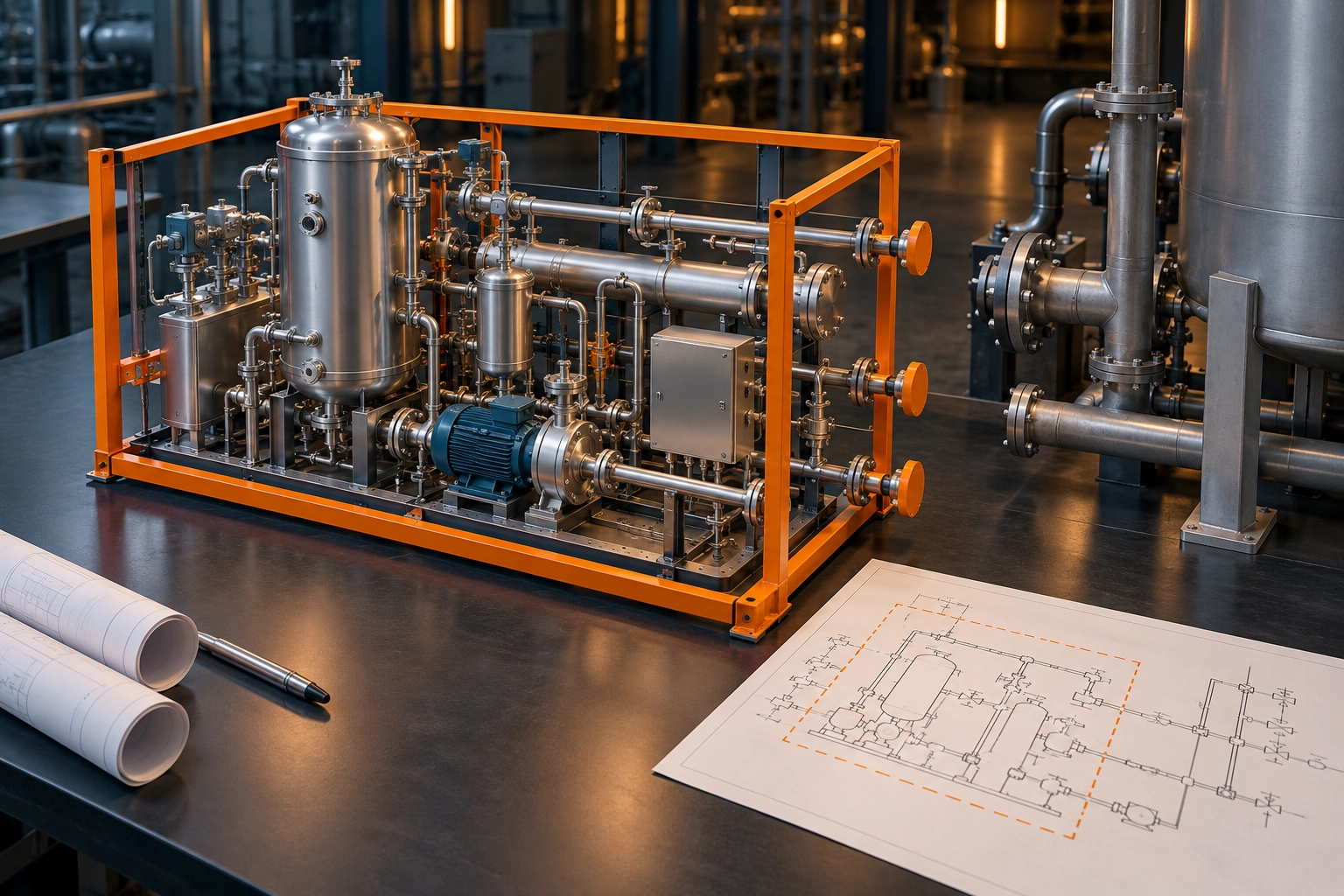
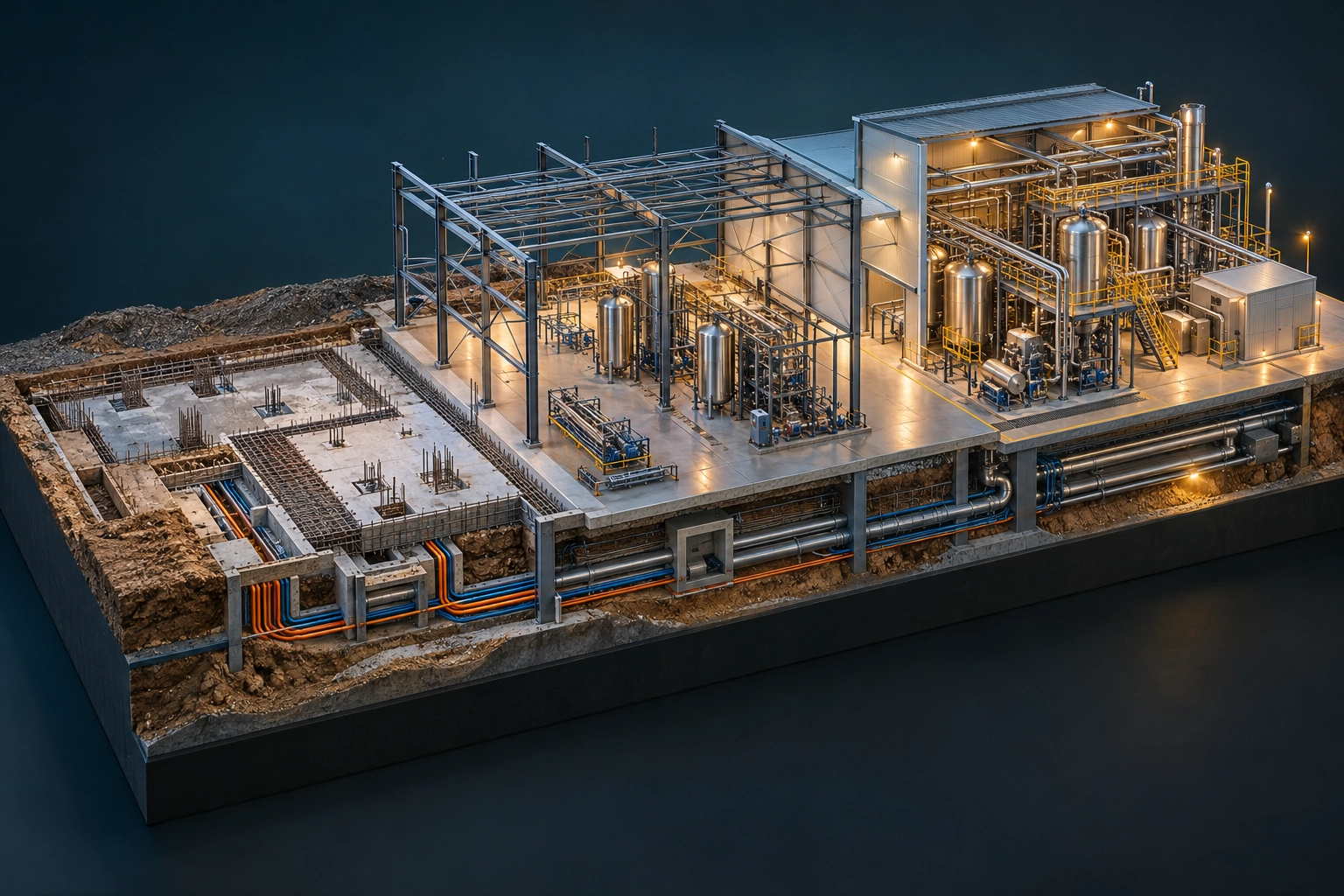
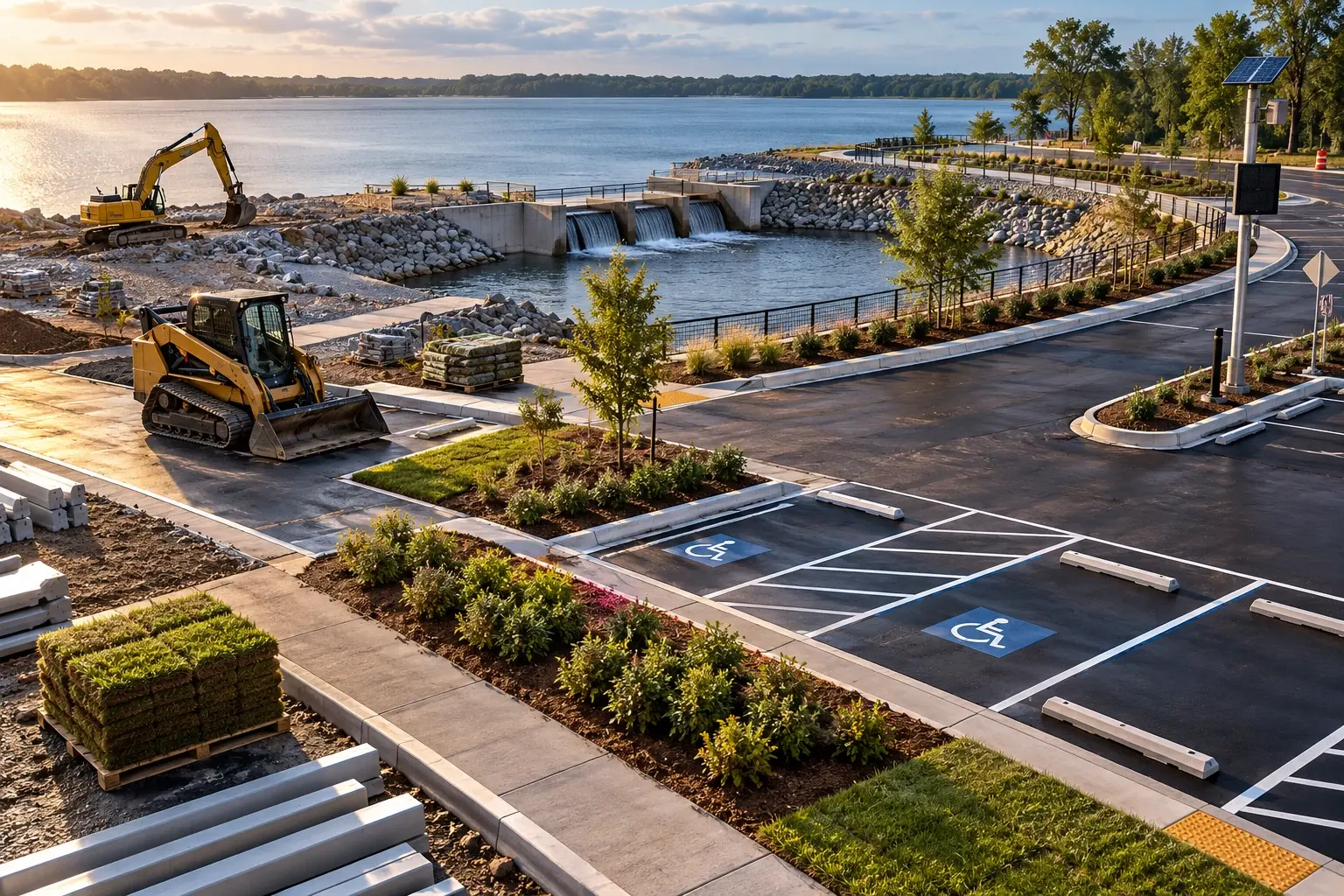
Conceptual engineering visualization: Site Enhancement Initiative
Conceptual engineering visualization · AI generated

Why the Work Mattered

Purpose and Operating Need

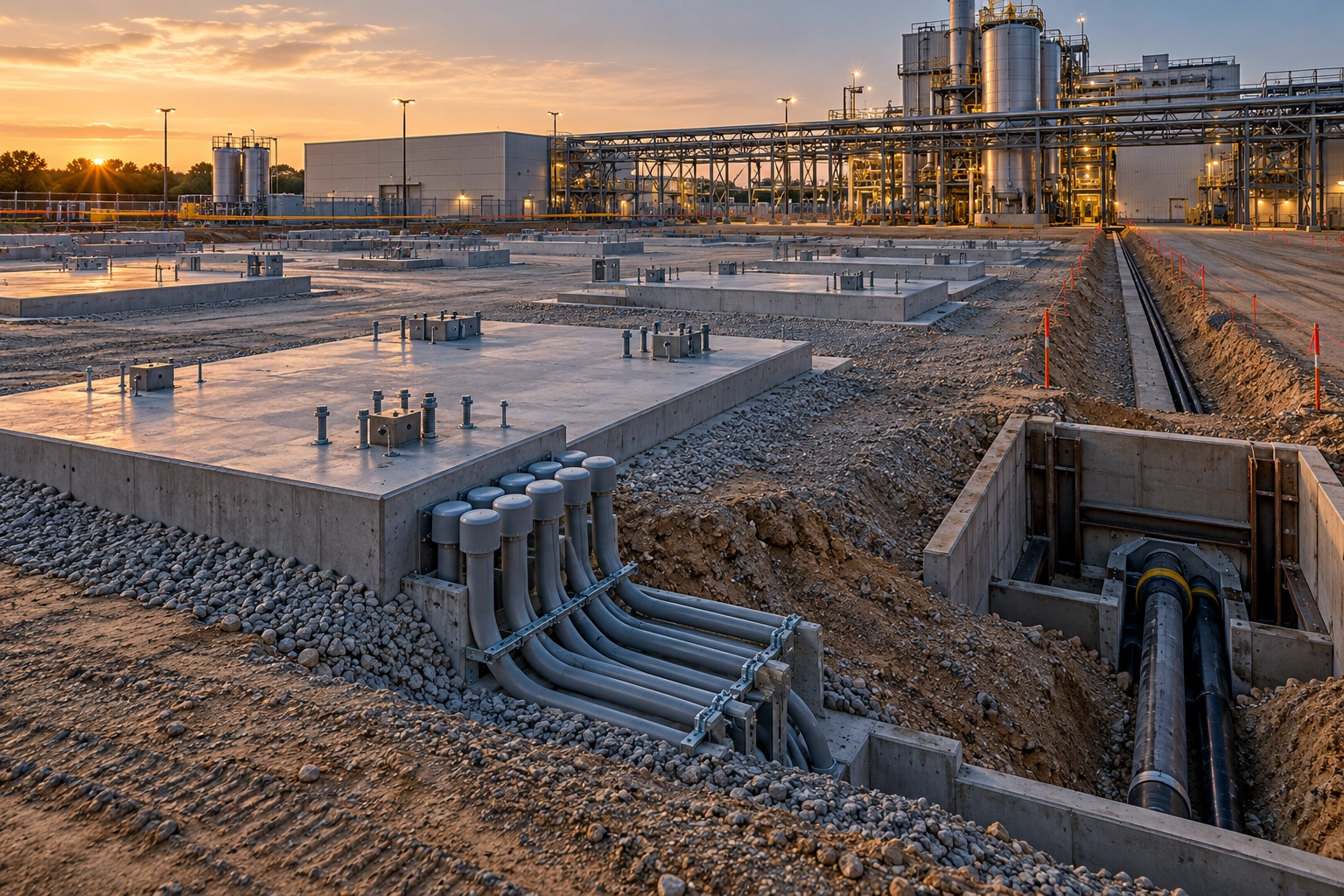
The site work created a critical interface with electrical rough-in and stormwater planning, because missing the construction window would make future utility work more expensive and disruptive.

Engineering Approach

Engineering Approach

Scoped survey layout, demolition, storm protection, 1,350 LF curbing, ADA parking, 45 parking stops, grading, spillway preparation, Bahia sod, 455 LF shrubs, striping removal, ADA stalls, access markings, regulatory signs, no-truck / no-parking signage, speed signage, and DOT- Traffic-sign supplier solar signs.

Outcome & Engineering Context

Outcome and Context

Defined parking, drainage, curbing, ADA access, signage and storm-protection requirements for the site-improvement scope.

Workstream Results & Impact

Workstream Portfolio Rollup

5,695,000 USD

Environmental Compliance and Recovery Systems

Recorded workstream portfolio reference. This is the workstream-level value and is not a project expenditure or a new total of reassigned projects.

Measures & Operating Detail

MeasureValueType & meaningAttribution & operating context
Later Green-Space Restoration Area7,500 to 10,000 sq ftScope or Inventory Quantity
Planned quantity

Applies to: Site Enhancement Initiative

Later site-restoration concept — Later restoration concept area, separate from the earlier curb and sod scope.

Later Restoration Bush Quantityapproximately 230 bushesScope or Inventory Quantity
Planned quantity

Applies to: Site Enhancement Initiative

Later site-restoration concept — Approximate bush quantity in the later restoration concept.

Water-Truck Support Frequency2 visits/weekTarget
Planned support

Applies to: Site Enhancement Initiative

Later site-restoration concept — Watering-support frequency for the later green-space concept.

Water-Truck Support Duration4 monthsTarget
Planned support

Applies to: Site Enhancement Initiative

Later site-restoration concept — Planned watering-support period for the later green-space concept.

Engineering scope and design basis

Defined site organization, ADA/DOT readiness, storm-drain protection, traffic control, and visual-presentation requirements while coordinating the site-development plan around active plant operations.

Scoped survey layout, demolition, storm protection, 1,350 LF curbing, ADA parking, 45 parking stops, grading, spillway preparation, Bahia sod, 455 LF shrubs, striping removal, ADA stalls, access markings, regulatory signs, no-truck / no-parking signage, speed signage, and DOT-approved solar signs.

Improved site-development readiness, measured by 1,350 LF curbing, 45 parking stops, 455 LF shrubs, ADA spaces, DOT-approved solar signs, and up to four reschedules for plant operations, by coordinating demolition, storm protection, concrete/asphalt, grading, landscaping, striping, and signage.

1,350 LF curbing; 45 parking stops; 455 LF shrubs; two pallets Bahia sod; 219 LF painted line removal; ADA stalls and access; DOT-approved solar signs.
Actions, Methods & Controls

ACTIVITIES IN CONTEXT

Additional Technical Detail

Roles & contributions
  • Project Ownership

    Full lifecycle project ownership

    Owned the full project lifecycle: capital planning and prioritization, need definition, feasibility and scope development, engineering and AFE justification, procurement and vendor coordination, construction sequencing and field oversight, commissioning, turnover, and post-startup support. Connected operating requirements with technical scope, funding decisions, execution readiness, and the needs of operations and maintenance.

Workstream context
Additional technical detail
Explore 1 detail record
  • Site restoration planning

    Coordinated a later site-restoration concept covering 7,500–10,000 sq ft of green space, approximately 230 bushes and twice-weekly water-truck support for four months, within city-restoration and rail operator coordination constraints.

All portfolio connections
Project ownership and delivery context

Owned the full project lifecycle: capital planning and prioritization, need definition, feasibility and scope development, engineering and AFE justification, procurement and vendor coordination, construction sequencing and field oversight, commissioning, turnover, and post-startup support. Connected operating requirements with technical scope, funding decisions, execution readiness, and the needs of operations and maintenance.

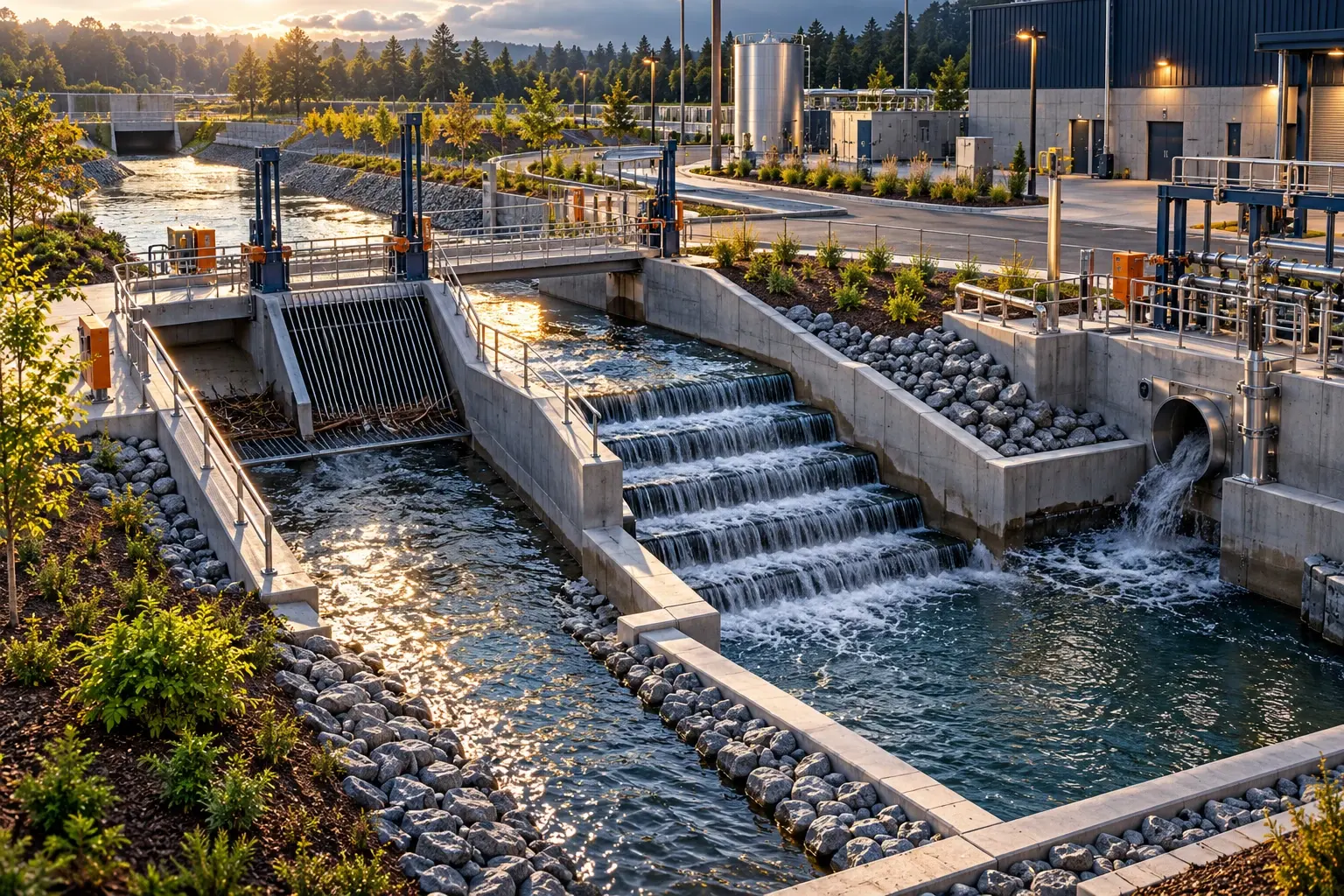
Developed the reinforced channel, debris screens, five-step weir, outlet basin and stabilization scope. Curbing, grading, landscaping and wastewater-collection interfaces were coordinated with the work. The system reduced sediment carry by more than 90 percent while providing a maintainable runoff path.

Related analysis and application artifacts
Connected collections

WHAT COMES NEXT

Complex Challenge?
Let’s Work Through It.

Engineering leadership, capital projects, and independent consulting.

Start a conversation ↗